
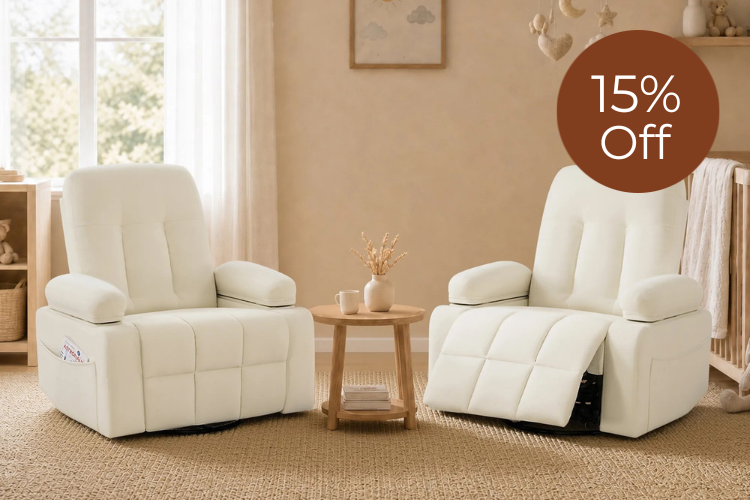
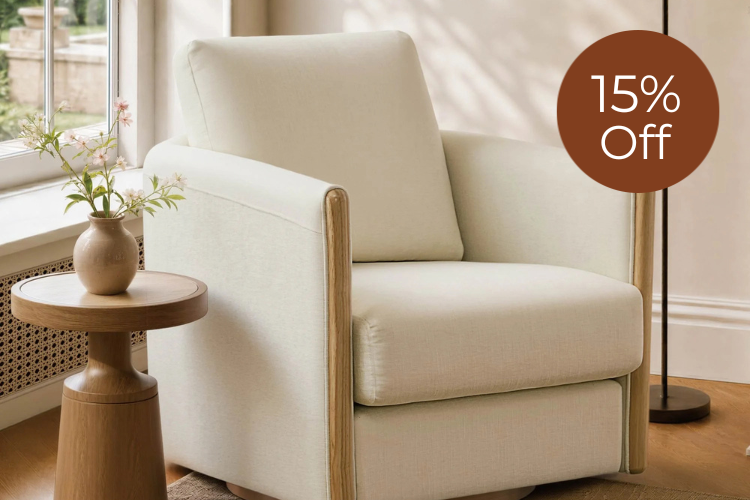








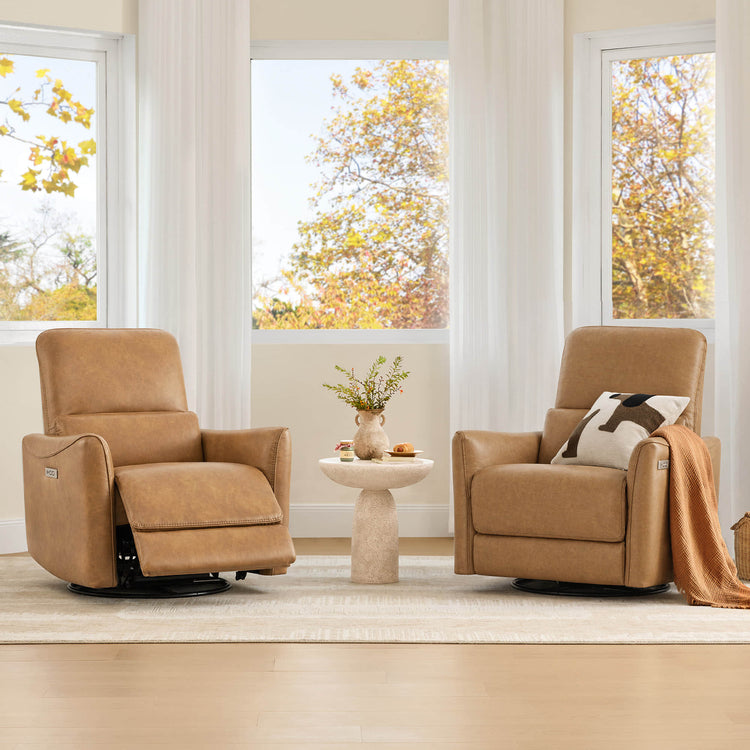
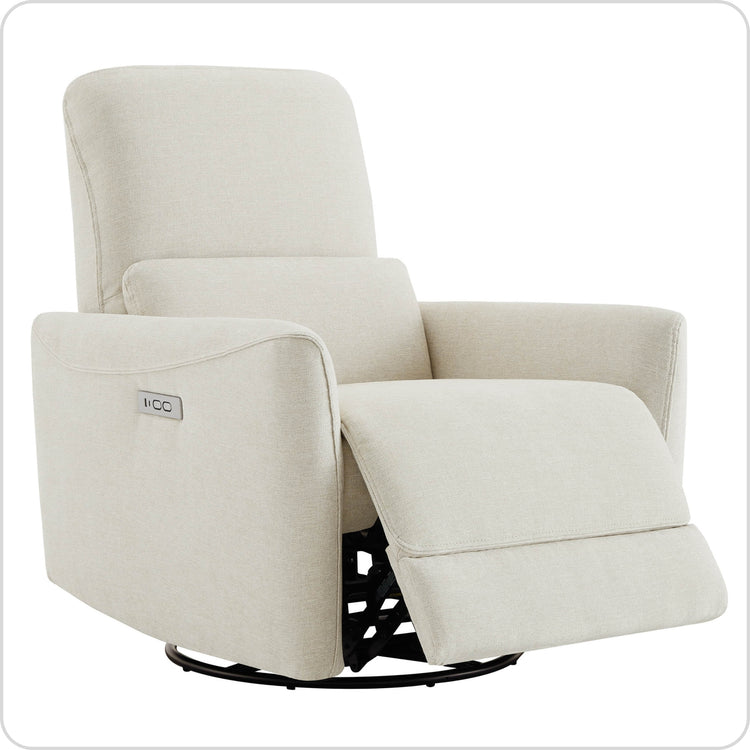
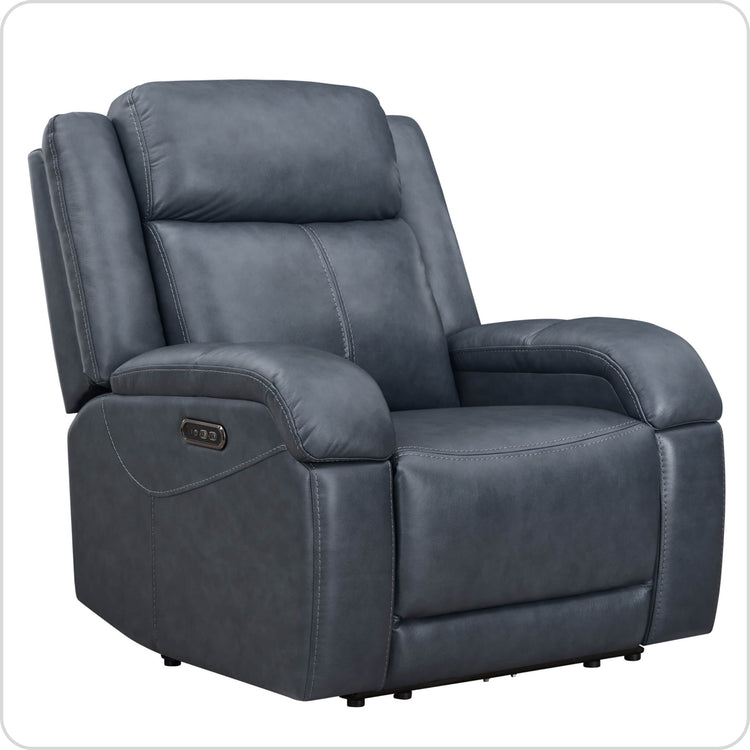
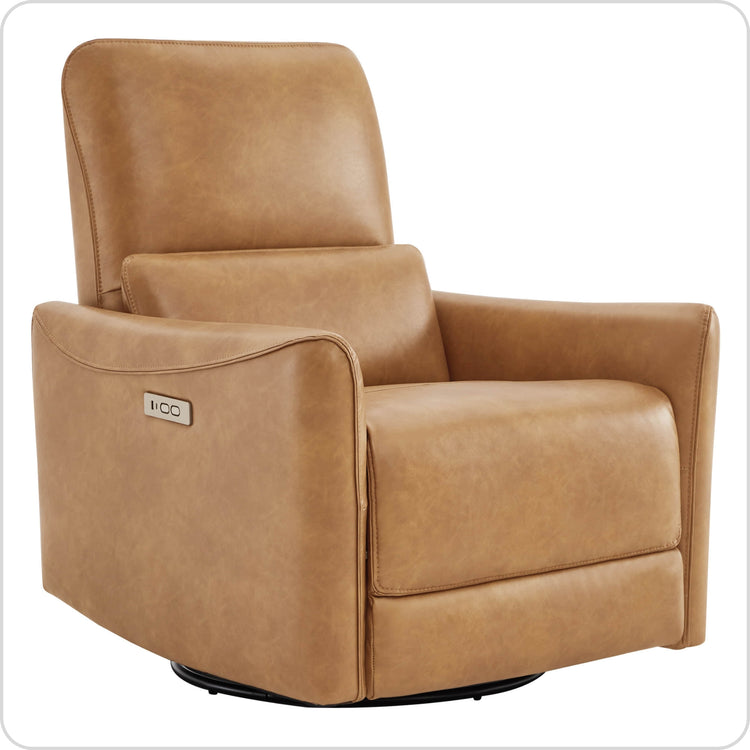


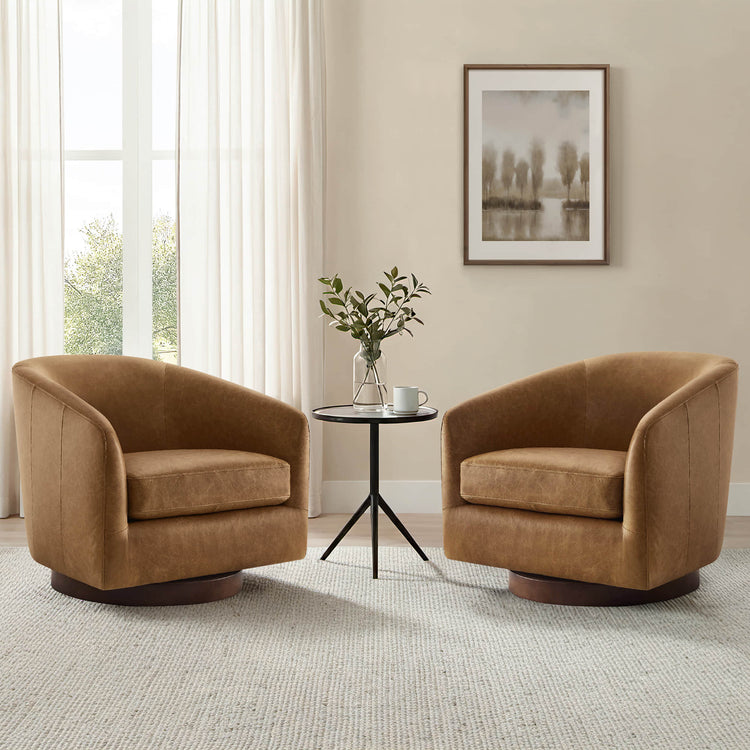
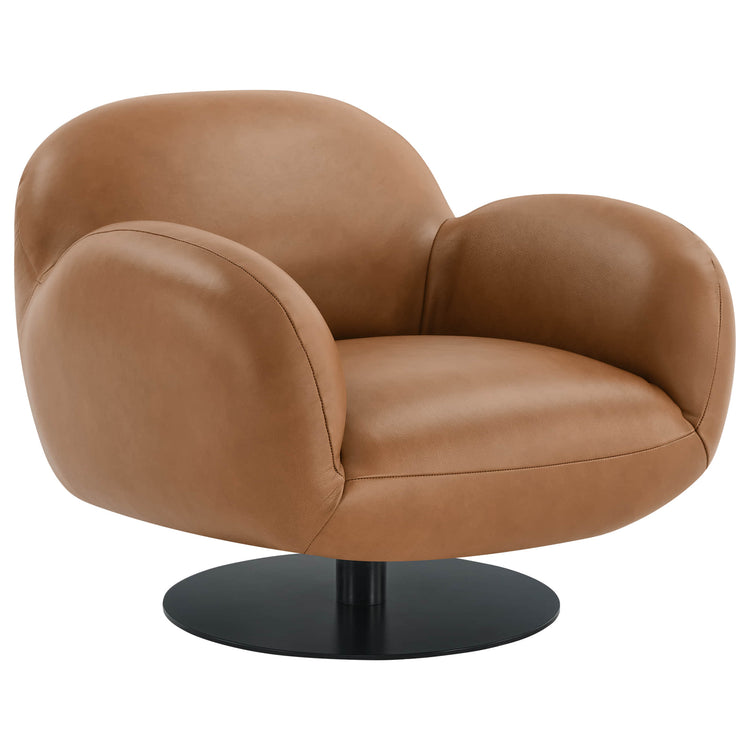
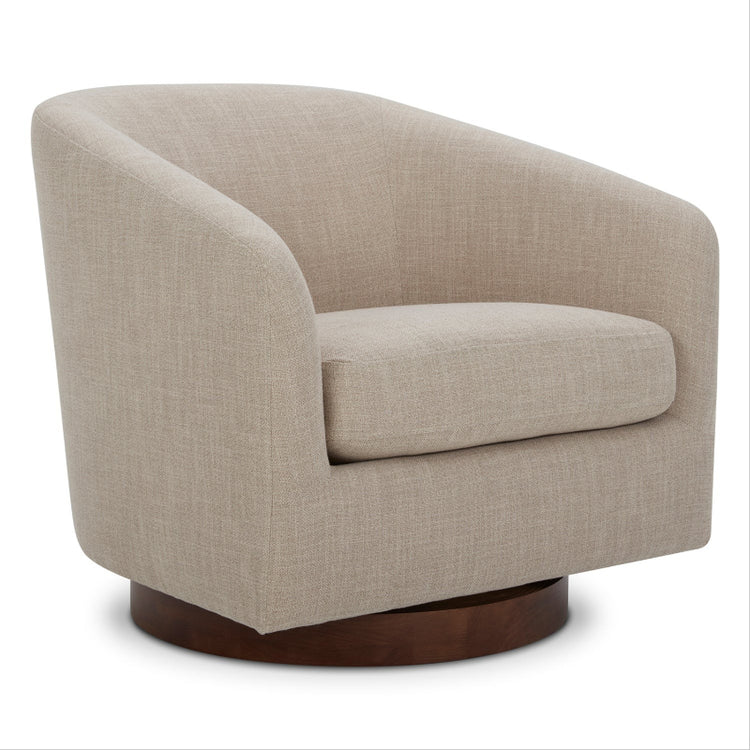



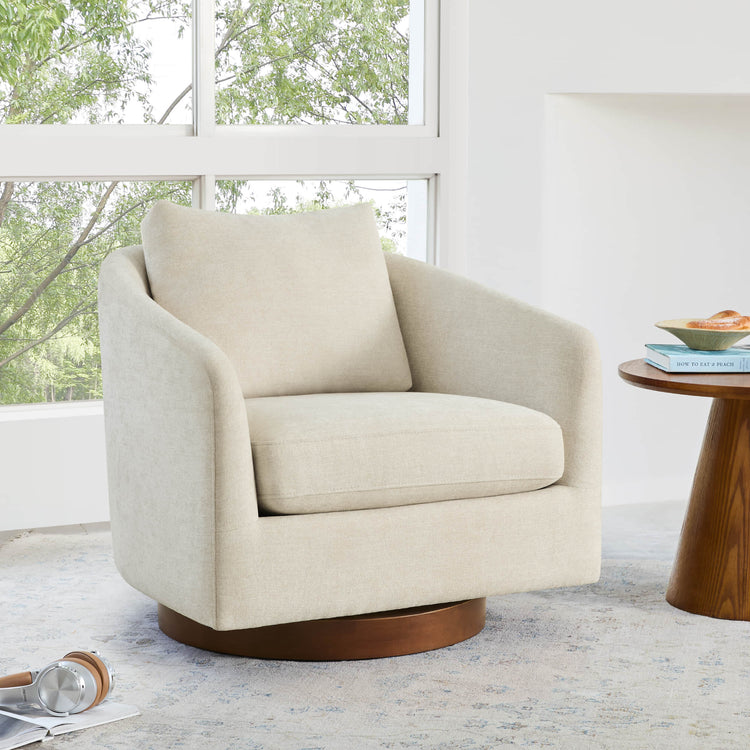













The postpartum period brings intense physical recovery and frequent nighttime feeds that test both body and patience. A silent power glider recliner helps many parents maintain better posture and move smoothly without startling a sleeping baby, making it a practical upgrade for nursery routines that often extend into living-room use later.

The Postpartum Ergonomics: Why Lumbar Support is a Recovery Tool
Physical therapists recommend a nursing chair that supports a neutral spine position and allows feet to remain flat on the floor to reduce postpartum back and neck strain (A Physical Therapist's Guide to Comfortable Breastfeeding). Proper nursing posture involves bringing the baby to the parent's level using pillows rather than leaning forward, which helps prevent "mom posture" and repetitive strain (The Importance of Posture With Breastfeeding).
Power recline mechanisms let you gently adjust the angle so the baby meets you at a comfortable height, reducing forward hunching during long sessions. Firm seat cushions can also help maintain pelvic alignment, though research suggests seat mechanics can influence pelvic floor recovery rather than guarantee outcomes. Avoid overly soft "sinking" seats if you experience postpartum instability when standing with the baby.
Power becomes the safer choice when you cannot easily maintain neutral posture in a manual chair or when standing up while holding the baby feels unsteady. This threshold reframes the purchase as recovery support rather than simple nursery decor. Always consult your healthcare provider for personalized postpartum guidance.
Glider vs. Recliner: Which Motion Best Supports Infant Sleep?
Gliders provide a smooth, horizontal soothing motion that many parents find calming for fussy babies, while recliners tend to offer stronger head and neck support for the parent during extended night feeds. The key difference often comes down to the "startle clunk" risk: many parents report that manual recliners produce a noticeable mechanical sound when the footrest engages, which can disturb light-sleeping infants during transfers.
Power mechanisms in glider recliners typically deliver smoother, quieter transitions that minimize disruption. Swivel bases add another layer of convenience in tight nurseries but require you to plan for the full arc of movement.
The chart below helps visualize these trade-offs in typical nursery setups.
Glider vs Recliner for Nursery Use: Soothing Motion vs Physical Support
Tiered comparison for postpartum nursing and infant sleep routines. Use the chart as a decision aid: choose the motion profile that matters most in your nursery, then weigh support and footprint.
View chart data
| Category | Glider | Recliner |
|---|---|---|
| Motion Type | 3.0 | 2.0 |
| Acoustic Profile | 2.0 | 3.0 |
| Support Level | 2.0 | 3.0 |
| Space Required | 2.0 | 3.0 |
Built from planner-provided research signals on soothing horizontal motion, recliner head/neck support, and community reports about clunk risk in powered motion chairs; tiers compress those signals into a decision aid for nursery setup.
This visualization shows likely patterns based on typical setups. Power gliders often score higher for quiet operation and soothing rhythm, while traditional recliners may provide more robust support. Your specific room size and feeding style will determine the best fit.

The Small Nursery Fit: Measuring Your Operational Footprint
Chairs marketed as "compact" can still require 10-14 inches of rear clearance for full recline, making "wall-hugger" designs preferable in sub-100 square foot nurseries. Measure not just the static footprint but the full operational envelope, including the swivel arc when partially reclined.
In dim nursery lighting, power cords become trip hazards. Plan their routing carefully and test the chair's range of motion before final placement. This setup breaks down in very tight spaces if you need full recline and swivel simultaneously. Consider upright-only use or a smaller manual glider instead when clearance falls short of 10 inches.
Performance Fabric Reality Check: Spills, Toxins, and Longevity
Performance fabrics resist moisture and stains better than untreated textiles, making them useful for spit-up and feeding accidents. However, Greenguard Gold certification addresses air quality (VOCs) and does not guarantee the absence of topical PFAS treatments. Unless explicitly labeled PFAS-free, assume performance treatments involve chemical finishes.
Oil-based milk spills require immediate blotting with the correct cleaning code (often Code W for water-based cleaners). Fixed upholstery turns these incidents into higher-risk events compared to removable slipcovers. The hidden trade-off is that easy-clean performance materials may involve more chemicals, while natural weaves demand faster attention to avoid permanent marks.
Choosing for the Long Haul: From Nursery to Living Room
Select neutral aesthetics such as bouclé or soft leather that blend into living rooms once the nursery phase ends. Power components often carry only a 1-year warranty on motors and electronics, creating what many parents call the "electronics lottery." Budget-conscious buyers should weigh this against the daily convenience during the intense first years.
Final checklist before purchase: Verify seat height allows feet to rest flat, confirm rear clearance meets your room layout, and commit to the cleaning routine your chosen fabric requires. Power gliders suit parents who prioritize quiet, effortless motion and lumbar support during recovery. Manual rockers or static chairs may fit better when budget is tight, noise is less critical, or the space cannot accommodate power cords and recline depth.
Frequently Asked Questions
Are Power Gliders Quieter Than Manual Nursery Rockers? Many parents find power mechanisms produce smoother transitions without the mechanical clunk common in manual footrests, though no chair achieves absolute silence. Test models in person if possible, as motor volume varies by brand and room acoustics.
How Do I Know If My Nursery Is Too Small for a Swivel Glider Recliner? If you cannot maintain at least 10 inches of rear clearance or the swivel arc interferes with other furniture, the chair may force upright-only use. Measure the operational space with the chair partially reclined rather than relying on listed dimensions.
What Fabric Is Best for Postpartum Nursing Chairs With Frequent Spills? Stain-resistant performance fabrics simplify cleanup but may contain chemical treatments. Removable slipcovers offer easier deep cleaning at the cost of daily maintenance. Choose based on your tolerance for immediate blotting versus chemical exposure concerns.
Can a Power Glider Recliner Replace Traditional Nursery Rockers Long-Term? Yes for many families, especially when the design features neutral colors and durable construction that transition out of baby-specific aesthetics. The power feature loses value once nighttime feeds decrease, but the comfort and support often remain useful in living rooms.
Do All Performance Fabrics Contain PFAS? Not necessarily, but many stain-resistant treatments do unless the manufacturer explicitly states PFAS-free. Greenguard Gold focuses on emissions rather than surface chemistry, so read labels carefully for your health priorities.
Should I Buy a Power Glider as a Baby Shower Gift? It makes a strong practical gift for parents who have expressed back discomfort or space constraints. Include details on the recipient's room size and preferred fabric type so the chair meets their actual needs rather than becoming unused furniture.
Recommended Products


More to Read
 7 Sofa Trends That Actually Improve Comfort in 2026
Upgrade your living room with furniture that supports your body. Here are 7 modern sofa features designed to maximize your daily comfort...
7 Sofa Trends That Actually Improve Comfort in 2026
Upgrade your living room with furniture that supports your body. Here are 7 modern sofa features designed to maximize your daily comfort...
 Mother's Day Gift Guide: Cozy and Stylish Furniture Picks for Modern Moms
Make Mother's Day more meaningful with furniture gifts that bring comfort, smart features, storage, and quiet luxury into her everyday routine.
Mother's Day Gift Guide: Cozy and Stylish Furniture Picks for Modern Moms
Make Mother's Day more meaningful with furniture gifts that bring comfort, smart features, storage, and quiet luxury into her everyday routine.
 Performance Fabric Reality Check: Does It Really Repel Pet Hair and Stains?
Performance fabric is often marketed as a miracle solution for homes with pets and kids, but the reality is more nuanced. It...
Performance Fabric Reality Check: Does It Really Repel Pet Hair and Stains?
Performance fabric is often marketed as a miracle solution for homes with pets and kids, but the reality is more nuanced. It...