


































How to Protect Your Sofa from Cats and Everyday Wear

Watch where your cat scratches and where everyday wear collects. An arm corner used for scratching needs a different response from a seat covered in pet hair or a cushion that catches food spills. A few targeted changes are easier to maintain than covering every surface with products.
Start with the places your cat scratches
Note the surface, direction, and timing. A cat scratching an upright sofa arm may prefer a tall vertical post; a cat working across the seat or rug may prefer a horizontal pad. Place the alternative beside the existing target and make sure it stays stable when used. Cornell's feline behavior guidance supports placing scratching posts near existing targets.
Reward your cat when it uses the scratching surface. Keep it easy to reach while the habit develops. The ASPCA's scratching guidance emphasizes offering suitable scratching surfaces and redirecting the behavior.
Choose covers and guards that suit the upholstery
| Problem area | Option to consider | Check before use |
|---|---|---|
| Seats used every day | A washable cover or throw secured against sliding | Follow its washing instructions and check that it stays in place as people sit and stand. |
| Arm corners | A fitted protector or compatible adhesive guard | Check both product instructions, then test application and removal on a hidden area. |
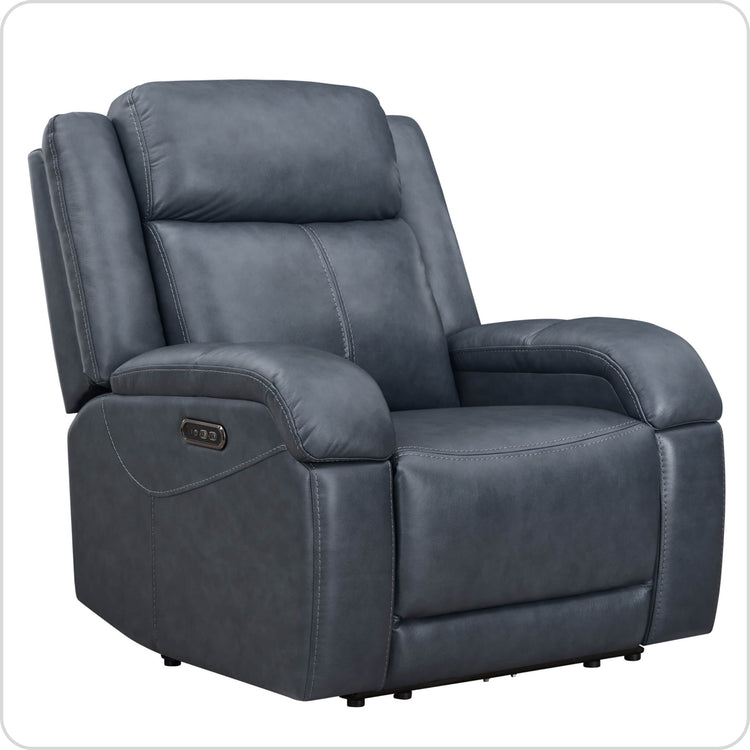
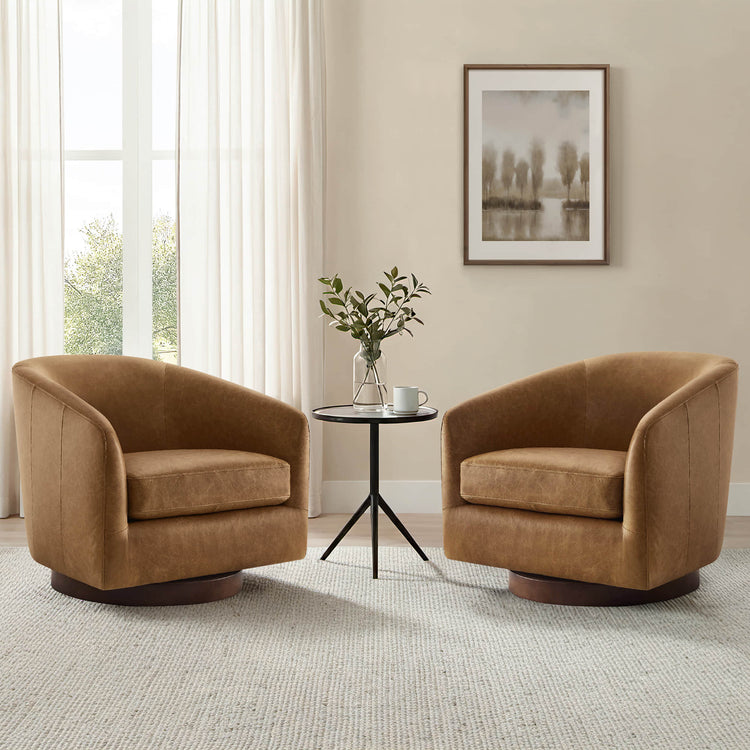
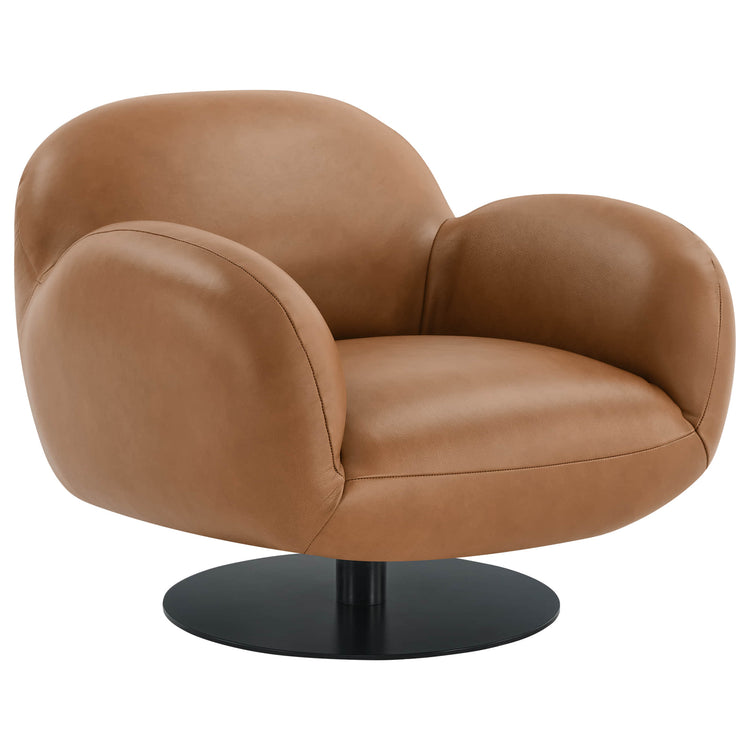
| Leather surfaces | A soft, non-abrasive cover | Keep gritty dirt out from underneath and use cleaning products approved for the leather finish. |
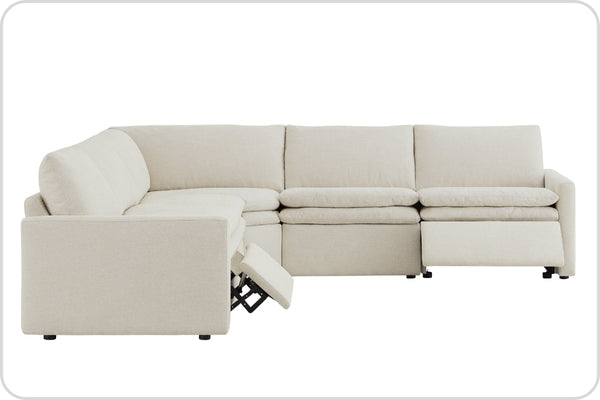
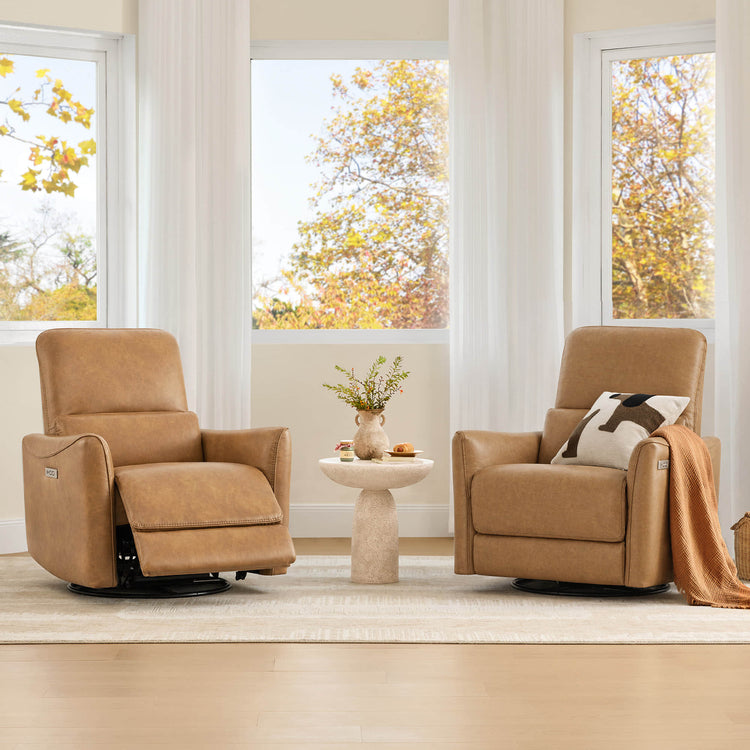
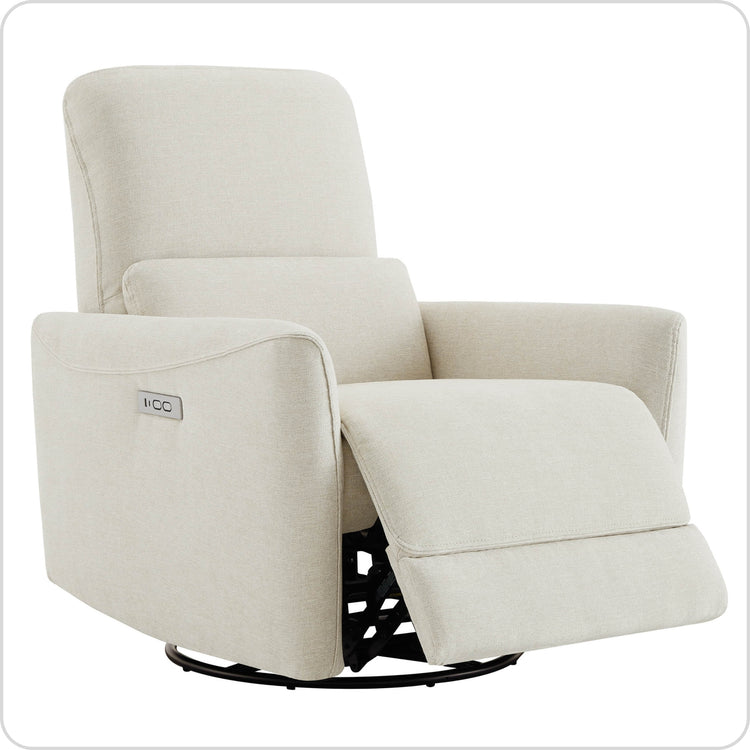
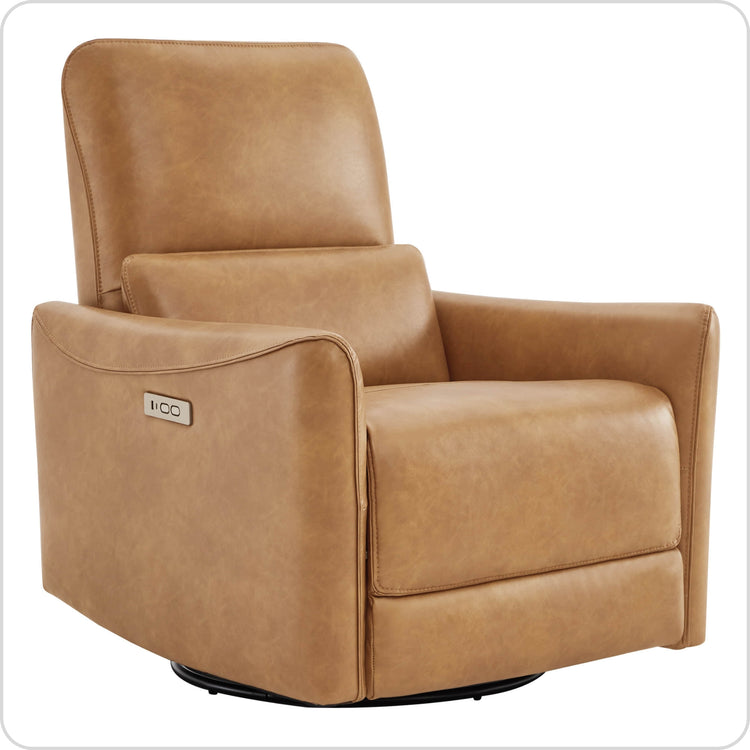
| Reclining furniture | A cover designed for the mechanism | Keep fabric, straps, and loose edges clear of controls and moving parts. |

Adhesive products can leave residue, lift a finish, or pull fibers when removed. Test both application and removal on the hidden area. For sensitive upholstery, a fitted fabric barrier may be a more suitable option. Check its stability before leaving it in regular use.
Keep loose pins and sharp fasteners away from pets and seating surfaces. If a guard requires a fixing method your sofa's instructions do not cover, contact us with the model name and the proposed product before attaching it.
Put a stable scratching surface beside the sofa
- Place the post or pad next to the frequently scratched area.
- Choose a surface and orientation your cat already uses, such as an upright textured post or a horizontal cardboard pad.
- Check that the base stays put during stretching and scratching.
- Reward use of the new surface and keep the location consistent.
- Observe which areas still need protection and adjust one part of the setup at a time.
Skip homemade essential-oil sprays, including citrus-oil mixtures. The ASPCA advises caution with essential oils in areas accessible to pets. Ask your veterinarian about a deterrent product if you need one, and check its compatibility with the upholstery separately.

Compare fabrics by snags, punctures, and cleaning
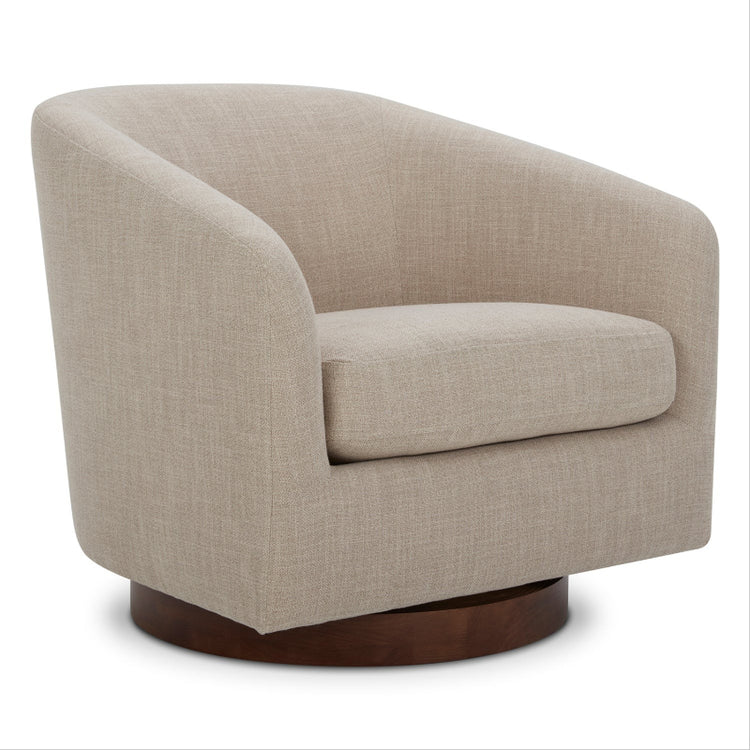
A tightly constructed surface may offer fewer places for claws to catch than a loose looped texture. Leather can be convenient for removing loose hair, while claw punctures and scratches may leave visible marks. Velvet, microfiber, and performance fabrics each come in different constructions and finishes. Check the upholstery for pulled threads, punctures, and worn patches.
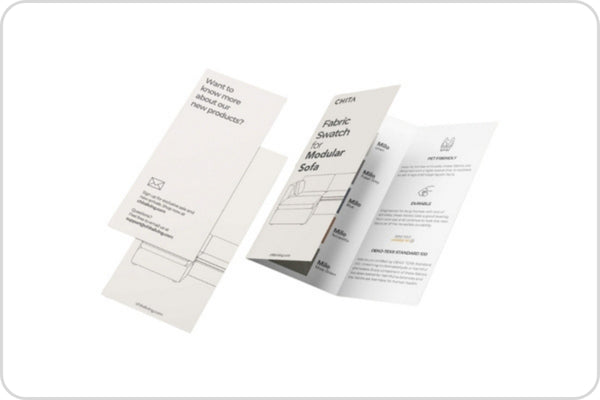
Request a swatch when available. Look at the texture in your room, feel the surface, and read the care instructions. Compare selected fabrics within our sofa collection; check stain resistance, claw damage, and cleaning requirements separately.

Clean up hair, spills, and everyday wear
Use a soft upholstery attachment to remove loose hair, dust, and crumbs. Pay attention to seams and the space beneath removable seat cushions. Choose a lint tool suitable for the fabric and test it gently in a hidden spot.
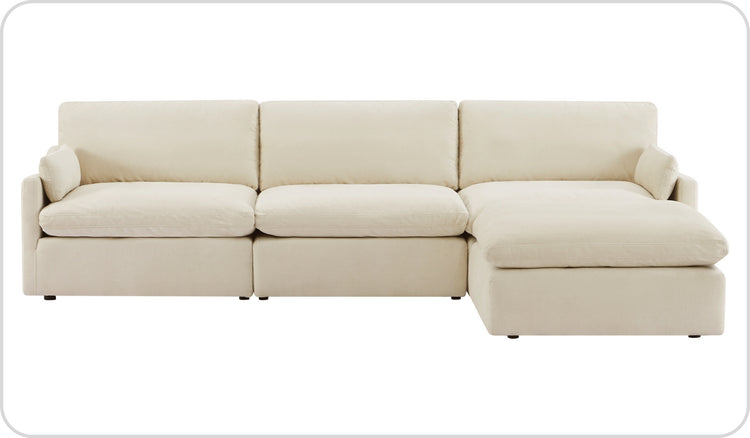
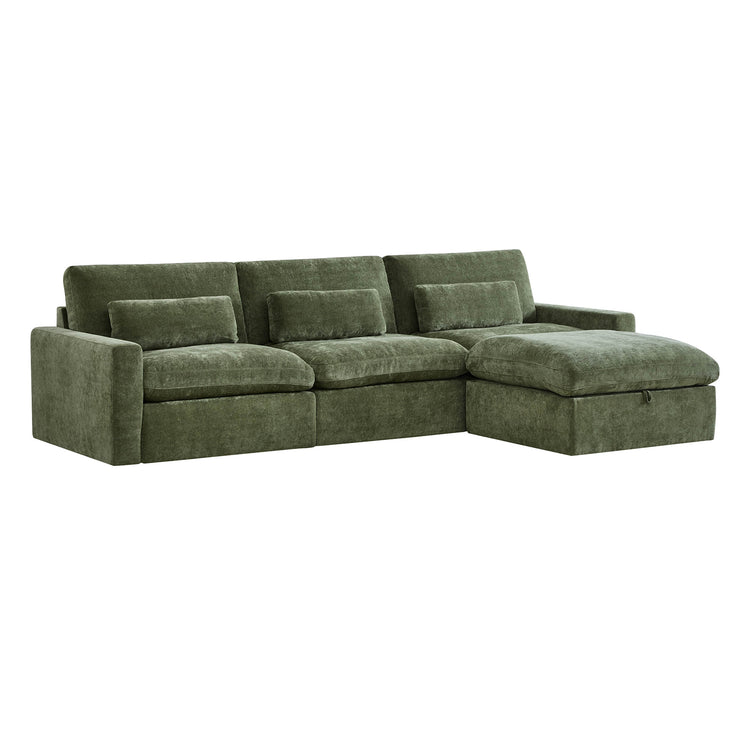
Blot a spill promptly with a clean absorbent cloth. Follow the sofa's care label for the next step, including whether water or a particular cleaner is permitted. Wash removable covers only when their instructions explicitly allow it; a zipper may be there for assembly or servicing. For example, our Ivy sectional lists zip-off back-cushion and lumbar-pillow covers; confirm the care method for each cover before washing.
Wash protective throws often enough to prevent dirt collecting underneath them. For reclining furniture, check the position of the cover again after washing and refitting it. For removable cushions beneath the throws, follow the model's instructions for rotation and reshaping.
FAQs
Is any sofa fabric completely cat-proof?
Claws can damage many upholstery materials. Compare the surface construction and care requirements, then support your choice with scratching alternatives and routine protection.
Will double-sided tape damage the fabric?
It can. Check compatibility, test a hidden area through both application and removal, and choose a non-adhesive cover if the instructions do not support use on your upholstery.
Can I use a damp glove to remove pet hair?
Use moisture only when the care label allows it. A dry upholstery attachment or a fabric-compatible lint tool is a useful starting point.
Recommended Products


More to Read
 7 Sofa Trends That Actually Improve Comfort in 2026
Upgrade your living room with furniture that supports your body. Here are 7 modern sofa features designed to maximize your daily comfort...
7 Sofa Trends That Actually Improve Comfort in 2026
Upgrade your living room with furniture that supports your body. Here are 7 modern sofa features designed to maximize your daily comfort...
 Mother's Day Gift Guide: Cozy and Stylish Furniture Picks for Modern Moms
Make Mother's Day more meaningful with furniture gifts that bring comfort, smart features, storage, and quiet luxury into her everyday routine.
Mother's Day Gift Guide: Cozy and Stylish Furniture Picks for Modern Moms
Make Mother's Day more meaningful with furniture gifts that bring comfort, smart features, storage, and quiet luxury into her everyday routine.
 Performance Fabric Reality Check: Does It Really Repel Pet Hair and Stains?
Performance fabric is often marketed as a miracle solution for homes with pets and kids, but the reality is more nuanced. It...
Performance Fabric Reality Check: Does It Really Repel Pet Hair and Stains?
Performance fabric is often marketed as a miracle solution for homes with pets and kids, but the reality is more nuanced. It...