








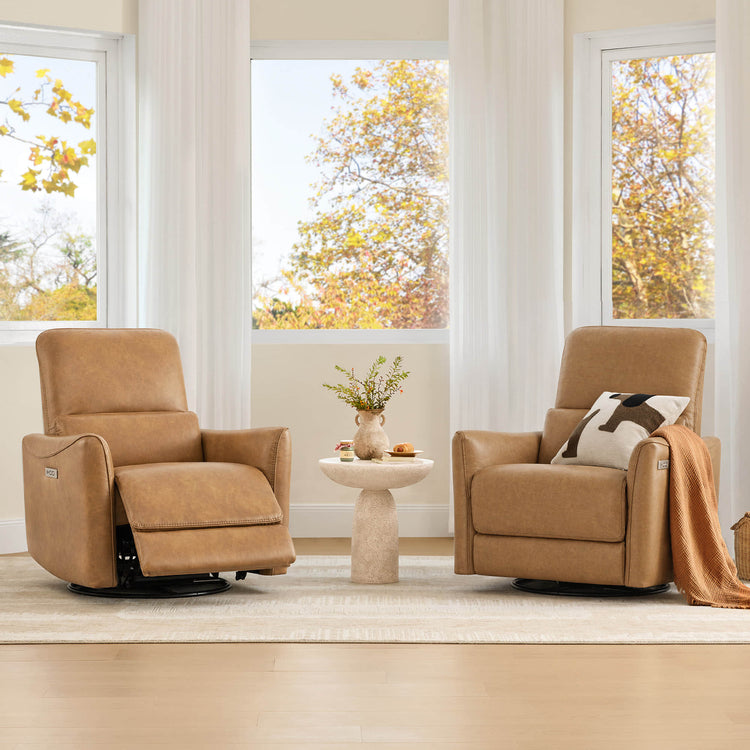
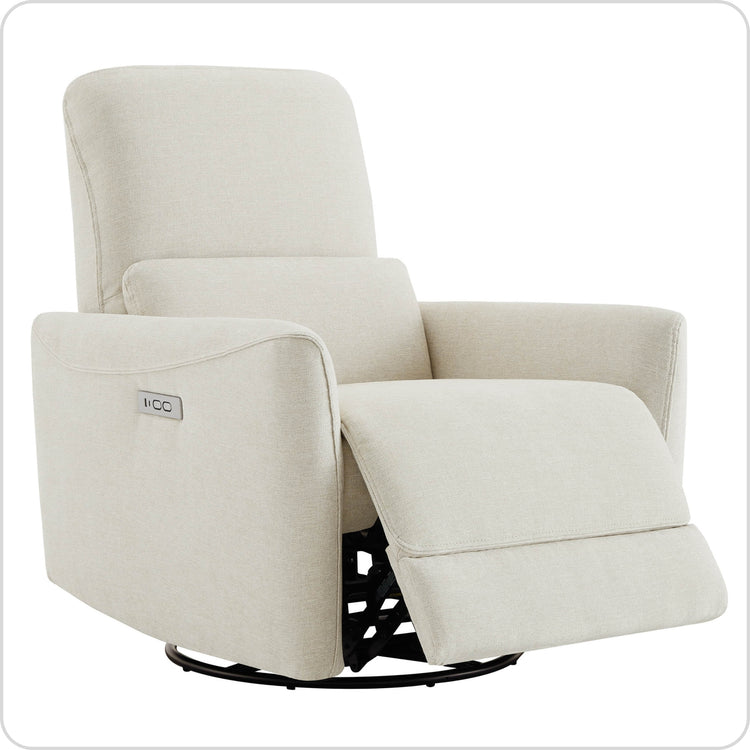
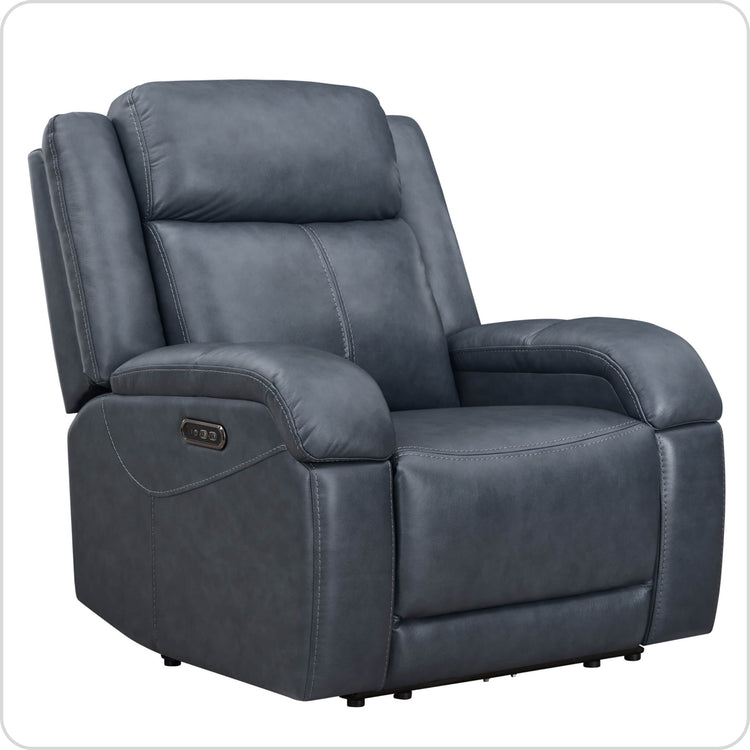
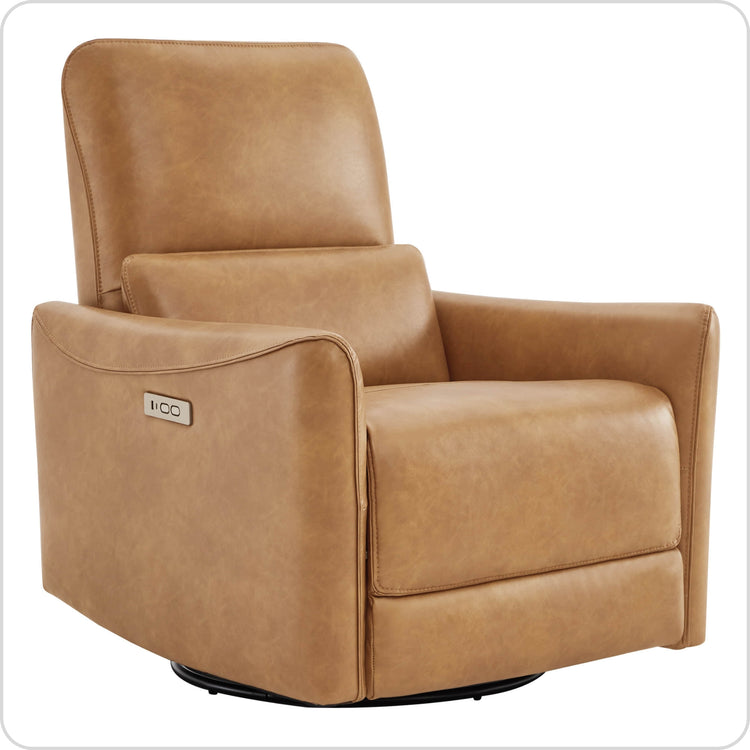


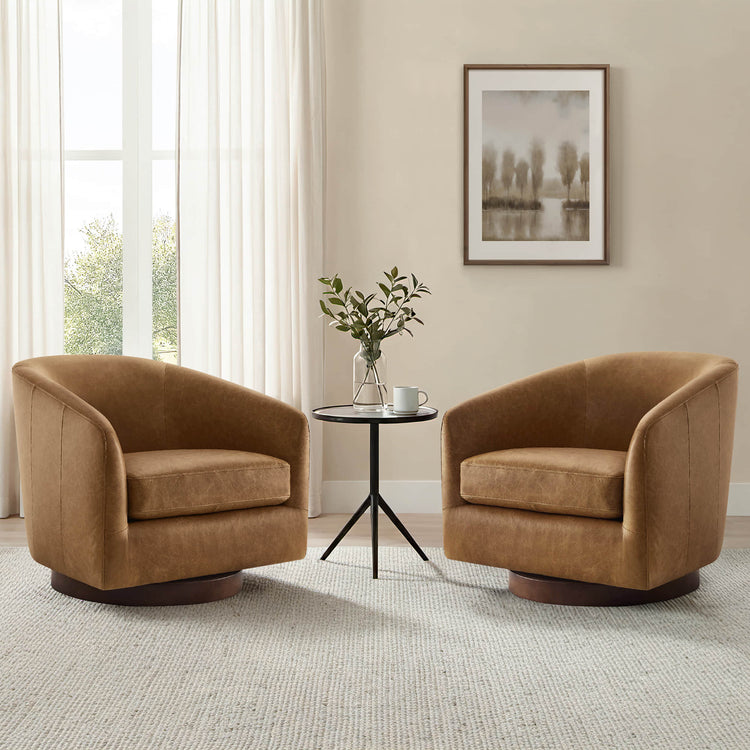
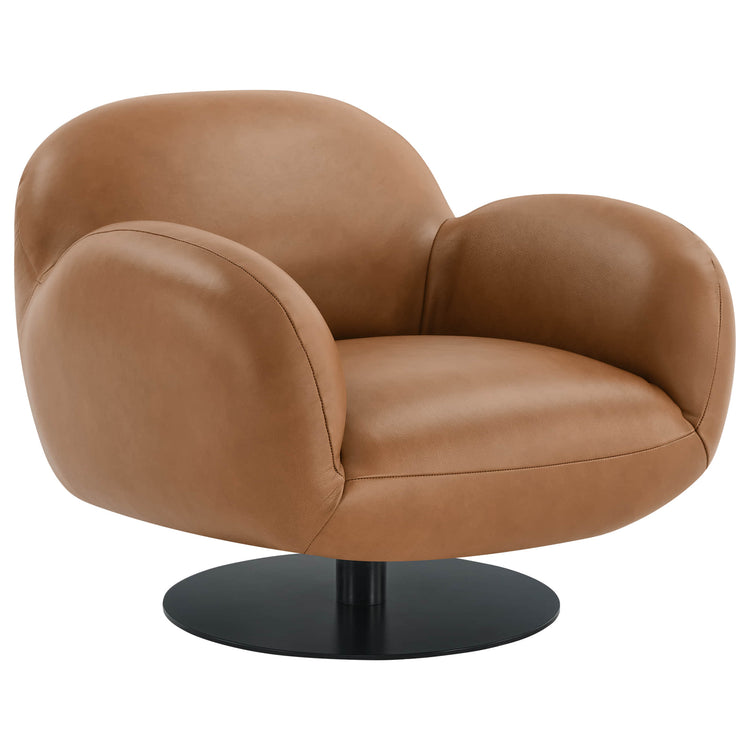
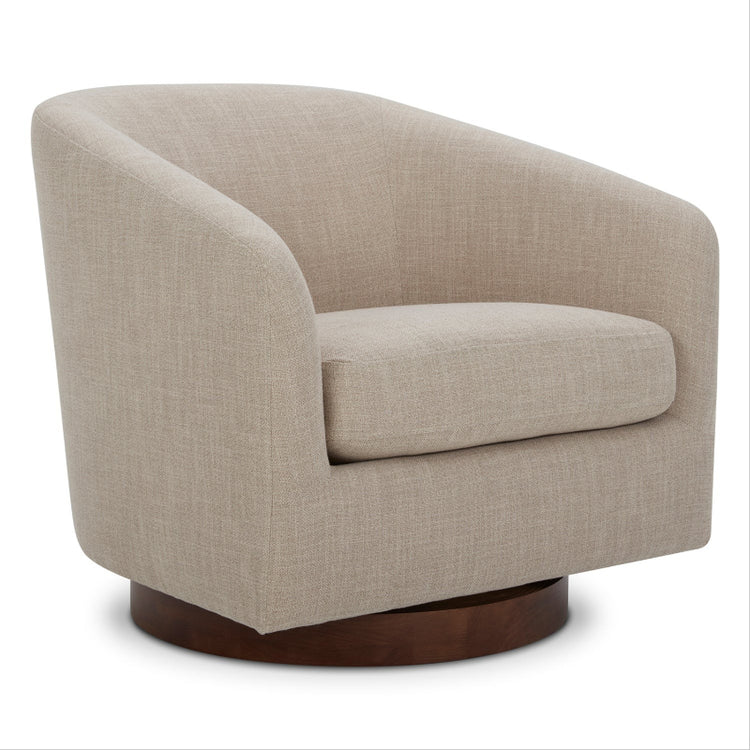

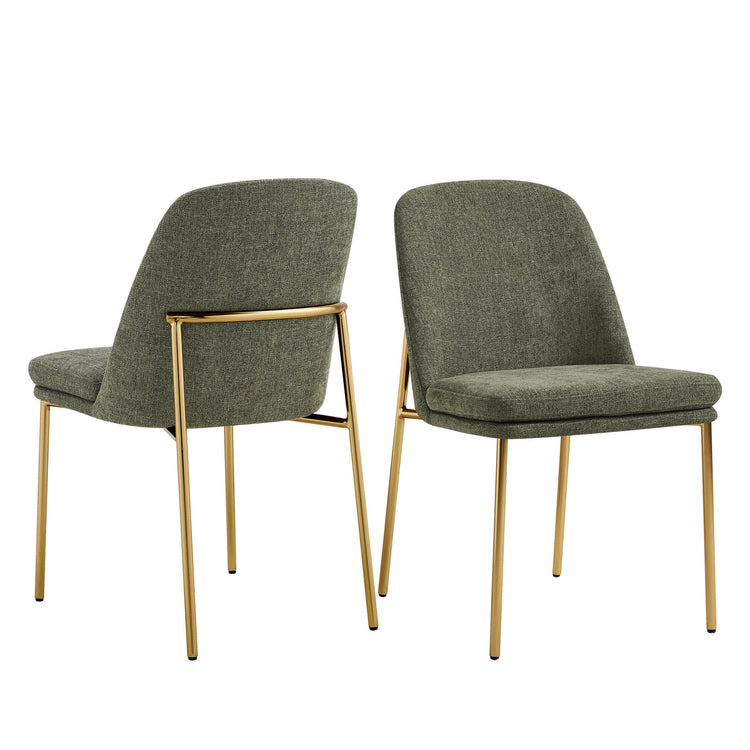


















Comparison of Performance Fabric, Chenille, and Leather
For most pet owners, a new sofa is more than just a piece of furniture; it is an investment in durability. When choosing between performance fabric vs. chenille vs. leather, the best choice depends on your pet's specific behavior. Leather is the superior option for odor and hair resistance, performance fabric is best for stain prevention and high-activity dogs, and chenille is generally the least pet-friendly choice due to its tendency to snag and trap fur.
By understanding the trade-offs between cleanability and scratch resistance, you can select a material that maintains its integrity even in the busiest multi-pet households.
Performance Fabric vs. Chenille vs. Leather Comparison at a Glance
If you are looking for an immediate recommendation, the following matrix breaks down how these materials perform across the four most critical categories for pet owners: hair accumulation, claw damage, stain removal, and odor retention.
| Feature | Performance Fabric | Leather | Chenille |
|---|---|---|---|
| Hair Resistance | Moderate (Depends on weave) | Excellent (Hair slides off) | Poor (Traps fur in loops) |
| Scratch Resistance | Excellent (Tight weaves) | Moderate (Shows scuffs) | Poor (Prone to snags) |
| Stain Repellency | Excellent (Liquid beads up) | Good (Wipeable) | Moderate (Absorbent) |
| Odor Resistance | Moderate (Synthetic traps) | Excellent (Non-porous) | Poor (Holds scents) |
| Best For | Active dogs and puppies | Heavy shedders | Homes without cats or claws |
Why Leather is a Top Choice for Odor and Hair Resistance

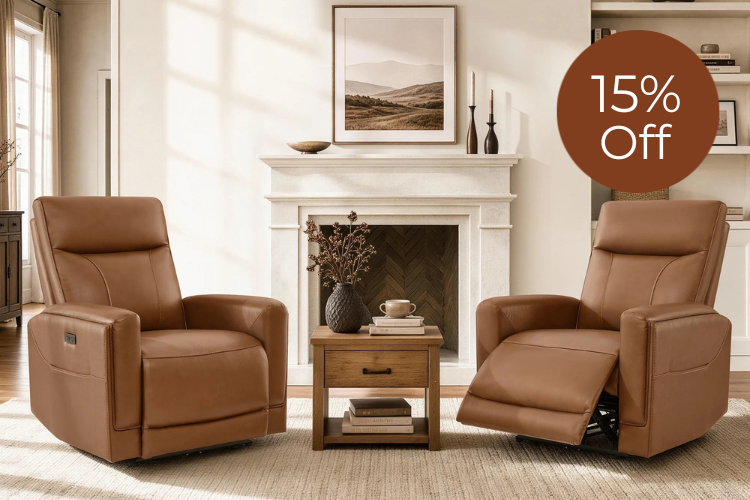
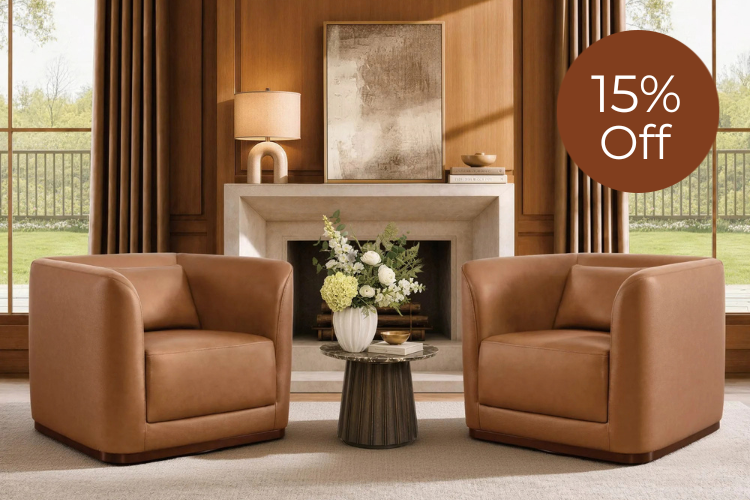
Leather remains the gold standard for many pet owners because it is fundamentally non-porous. Unlike textiles, leather does not have a weave that can act as a net for pet hair, dander, or dust mites. This makes it an ideal choice for households with heavy shedders or owners with allergies.
When a dog or cat jumps on a leather sofa, the fur simply sits on the surface, allowing for an effortless cleanup with a dry cloth or vacuum. Furthermore, leather does not absorb liquids in the same way as traditional fabrics. If your pet has an accident or tracks in mud, the moisture stays on the surface, significantly reducing the risk of permanent stains or deep-seated odors.
However, potential buyers must consider the risk of scratches. While leather is physically tough, its surface can be marred by sharp claws. For cat owners, this is a significant concern, as cats often find the "give" of leather satisfying for kneading.
Distressed vs. Smooth Leather
If you have cats or active dogs but prefer leather, the finish you choose matters.
- Smooth Leather: Shows every mark and puncture. It requires more frequent conditioning and can be difficult to repair if deeply gouged.
- Distressed Leather: Already features natural variations in color and texture. Because it is intended to look worn, minor surface scuffs from a pet’s claws tend to blend in, becoming part of the material's patina rather than a visible defect.
Pet owners should also be aware of environmental factors. Studies indicate that furniture materials, including certain leather treatments, can be a source of volatile organic compounds (VOCs) within the home, which is an important consideration for indoor air quality in pet-centric spaces.
Performance Fabrics for High-Energy Dogs and Stain Prevention
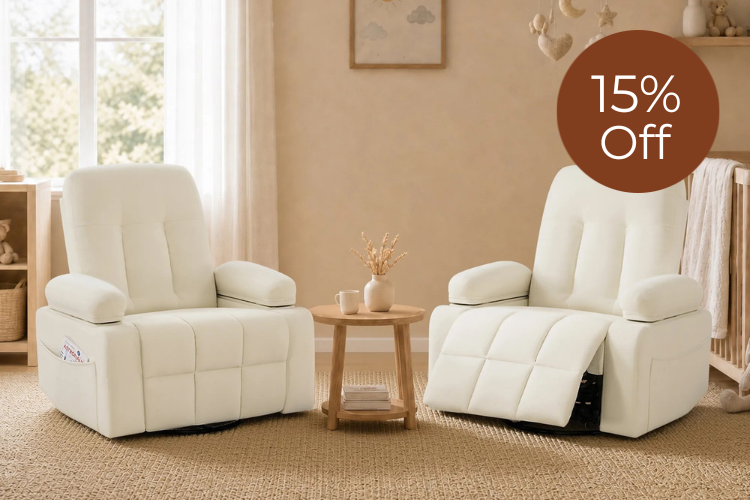
Performance fabrics are engineered textiles designed to withstand extreme wear and tear. They are typically made from synthetic fibers like polyester, nylon, or acrylic, woven so tightly that pet claws cannot easily penetrate the surface. This makes a performance fabric sofa one of the most durable options for large, active dogs.
What truly sets performance fabric apart is its chemical or structural resistance to liquids. Many of these fabrics are treated with a barrier that causes urine, water, or mud to bead up on the surface rather than soaking into the cushion. This feature is invaluable during puppy training or for senior pets prone to accidents.
Durability and Claw Resistance
In standard durability tests, performance fabrics often withstand tens of thousands of "double rubs." For pet owners, this means the fabric is unlikely to pill or tear even when subjected to constant movement.
Key benefits of performance fabrics include:
- Liquid Repellency: Blocks moisture from entering the inner foam.
- Breathability: Unlike some leathers that feel cold in winter and hot in summer, performance fabrics are designed for temperature regulation.
- Tight Weave: Prevents claws from snagging or pulling threads.
While highly effective, some performance fabrics can hold onto smells more than leather. Because they are still made of fibers, microscopic particles can eventually settle into the material. It is also important to consider the safety of stain-resistant coatings. Some flame retardants and chemical finishes used in upholstery have been linked to potential health risks for both humans and pets who spend significant time on the furniture.
The Challenges of Using Chenille in Homes with Pets
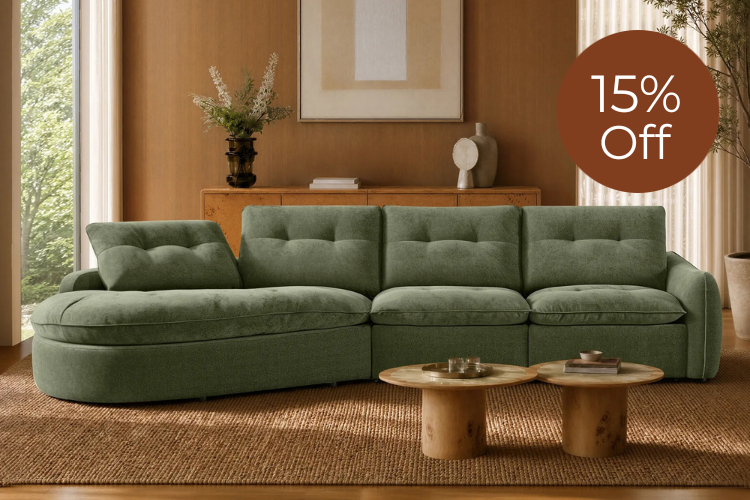
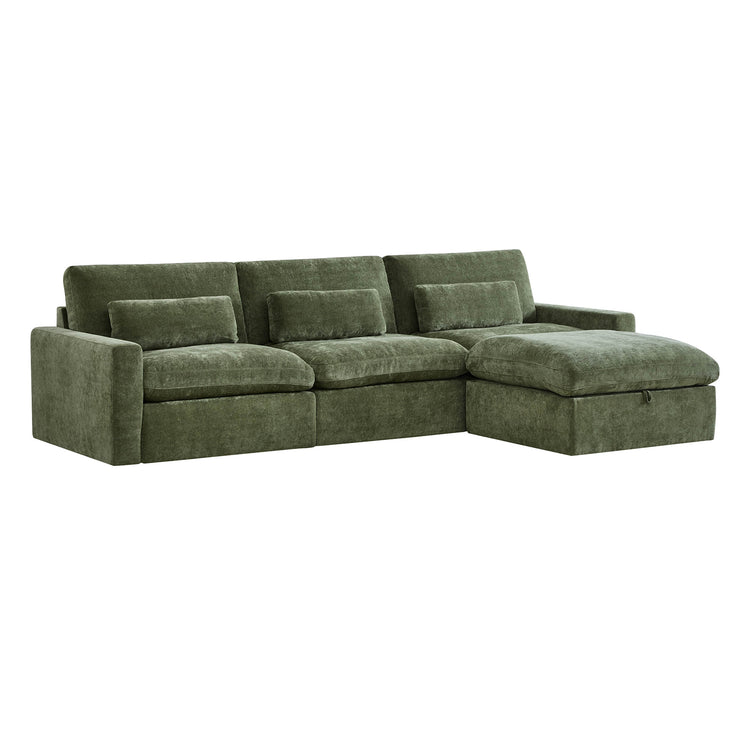
Chenille is beloved for its soft, velvety texture, but it is often the most problematic material for a pet home. The structure itself is composed of thousands of tiny loops which act as a magnet for pet claws. Even a well-manicured cat or a dog jumping up for a nap can inadvertently snag a thread.
Beyond the risk of physical damage, chenille is notorious for trapping hair. The fuzzy texture creates friction that holds onto fur, making it nearly impossible to remove with a standard vacuum. For owners of long-haired breeds, a chenille sofa can quickly become a permanent "fur rug."
Managing Scratches and Maintenance Across Different Materials

Regardless of which material you choose, a consistent maintenance schedule is required. Each material requires a distinct cleaning protocol to handle pet-related messes.
Maintenance Process Steps
- Leather: Dust weekly with a microfiber cloth; condition every 6 months to prevent cracking; spot treat accidents with a pH-neutral cleaner.
- Performance Fabric: Vacuum weekly with an upholstery tool; allow mud to dry before brushing; use enzymatic cleaners for organic stains to break down odors.
- Chenille: Use a motorized brush vacuum daily; use lint rollers for surface fur; seek professional steam cleaning for deep stains to avoid fabric shrinkage.
How to Choose Your Best Material Based on Pet Habits
Selecting the right upholstery is ultimately about matching the material's strengths to your pet's worst habits.
- The Heavy Shedder: Choose Leather. Hair cannot embed itself and wipes away easily.
- The Active Mud-Tracker: Choose Performance Fabric. You need a durable sofa that withstands frequent scrubbing.
- The Cat Scratcher: Choose Distressed Leather or tight-weave Performance Fabric to minimize visible damage and snagging.
- The Senior Pet: Choose Performance Fabric with a moisture barrier to protect internal foam from accidents.
Choosing the Best Performance Fabric vs. Chenille vs. Leather for Pet Homes
When making your final decision on performance fabric vs. chenille vs. leather for pet homes, consider the long-term lifestyle of your household. If your priority is a sterile environment free of allergens and hair, a leather sofa or leather couch is unbeatable. If you have high-energy dogs that treat the living room like a playground, a performance fabric sofa provides the necessary durability and stain resistance.
Avoid chenille if you have cats or shedding dogs, as the maintenance burden often outweighs the comfort. By prioritizing materials that align with your pet's natural behaviors, you can enjoy a beautiful, functional home that serves both your family and your companions for years to come.
Safety Notice
This article provides general guidance only. When cleaning or treating furniture, always follow the manufacturer's specific care instructions and use cleaning products in well-ventilated areas. Some stain-resistant treatments and upholstery materials may release volatile organic compounds (VOCs) or contain flame retardants; consult with product manufacturers for safety data sheets if you have concerns regarding pet or human health sensitivity. For heavy fire damage or structural repairs, consult a qualified professional.
FAQs
Does performance fabric get hot for pets to sleep on?
Most synthetic performance fabrics are engineered for breathability and temperature regulation. While they may feel slightly warmer than natural cotton, they are generally more breathable than smooth leather, preventing pets from overheating.
Can I effectively vacuum pet hair out of chenille?
While high-powered vacuums with motorized brush heads can remove some hair, the looped weave of chenille is designed in a way that traps fur deeply. It is significantly harder to clean than flatter weaves or non-porous leather.
Will distressed leather hide my cat's scratches?
Yes, distressed leather is intended to show natural wear and variations. Minor surface scuffs from cat claws tend to blend into the existing patina, making them much less noticeable than they would be on a smooth, uniform leather surface.
How do I remove pet smells from performance fabrics?
To eliminate odors trapped in synthetic fibers, use an enzymatic cleaner specifically designed for upholstery. These cleaners break down the proteins in urine or dander rather than just masking the scent.
Recommended Products


More to Read
 7 Sofa Trends That Actually Improve Comfort in 2026
Upgrade your living room with furniture that supports your body. Here are 7 modern sofa features designed to maximize your daily comfort...
7 Sofa Trends That Actually Improve Comfort in 2026
Upgrade your living room with furniture that supports your body. Here are 7 modern sofa features designed to maximize your daily comfort...
 Mother's Day Gift Guide: Cozy and Stylish Furniture Picks for Modern Moms
Make Mother's Day more meaningful with furniture gifts that bring comfort, smart features, storage, and quiet luxury into her everyday routine.
Mother's Day Gift Guide: Cozy and Stylish Furniture Picks for Modern Moms
Make Mother's Day more meaningful with furniture gifts that bring comfort, smart features, storage, and quiet luxury into her everyday routine.
 Performance Fabric Reality Check: Does It Really Repel Pet Hair and Stains?
Performance fabric is often marketed as a miracle solution for homes with pets and kids, but the reality is more nuanced. It...
Performance Fabric Reality Check: Does It Really Repel Pet Hair and Stains?
Performance fabric is often marketed as a miracle solution for homes with pets and kids, but the reality is more nuanced. It...