


































To prevent a sofa from sagging and maintain its original shape, you should rotate and flip the cushions at least every one to two weeks. This simple routine redistributes the weight and pressure that naturally compact the internal filling. While high-quality furniture is built to last, even the most durable sectional sofa requires consistent maintenance to combat the physical laws of compression and foam fatigue.
The Golden Rule for Preventing Sofa Sag
The most effective way to slow down the sagging process is to establish a strict maintenance schedule. Most homeowners wait until they notice a visible dip in the seat before taking action, but by then, the internal foam cells may already be permanently damaged. Consistent care ensures that no single area of the sofa absorbs the brunt of daily use.
For most households, the "Golden Rule" is a weekly rotation. If you live alone and use the same spot every evening, the foam in that specific location will compress faster than the rest of the unit. By swapping that cushion with one from an unused corner, you allow the compressed foam cells time to recover their loft.
| Maintenance Task | Frequency | Purpose |
|---|---|---|
| Surface Fluffing | Daily | Restores air to top layers and smooths fabric. |
| Position Rotation | Weekly | Distributes weight across all foam inserts. |
| Deep Kneading | Bi-Weekly | Breaks up deep compaction in foam or fiberfill. |
| Vacuuming & Realignment | Monthly | Prevents debris from abrading internal fibers. |
Essential Techniques for Rotating and Flipping Seat Cushions
There is a technical difference between rotating and flipping, and doing both is essential for a long-lasting couch. Rotating involves swapping the physical position of the cushions—for example, moving the left-hand seat to the right side. Flipping involves turning the cushion over so the bottom side now faces up.
When you flip a cushion, you ensure that the internal foam isn't always being compressed from the same direction. However, some modern designs, especially those with non-slip bases or Velcro attachments, are single-sided. If your cushions have a black mesh or non-upholstered fabric on the bottom, flipping isn't an option. In these cases, you must rely heavily on position rotation. Move the cushions between the high-traffic center and the lower-traffic ends of the frame to balance the wear.
For a standard three-seat setup, move the left cushion to the center, the center cushion to the right, and the right cushion to the left. If the cushions are flippable, turn them over during this transition. This "carousel" method ensures that over a three-week period, every surface of every cushion has spent time in the most popular seat in the house.
How to Maintain Sectionals and L-Shaped Chaise Cushions

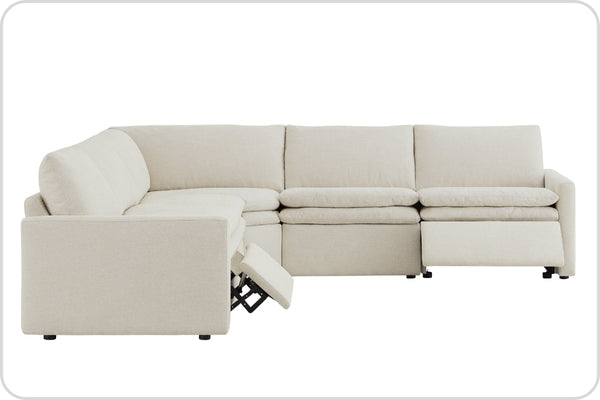
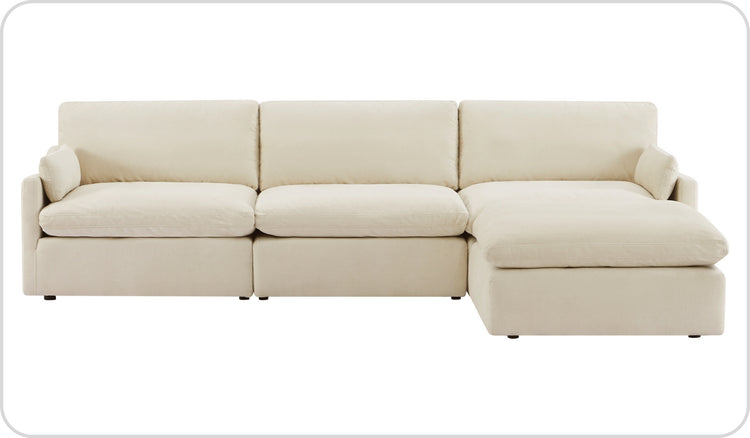
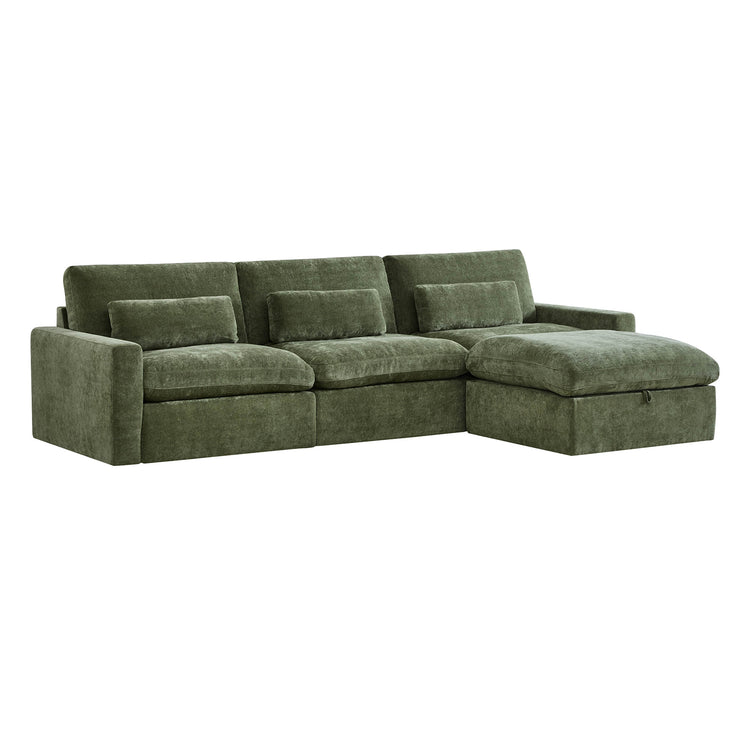
Sectionals present a unique challenge because their components are often specific to their position. An L-shaped chaise cushion, for instance, cannot be swapped with a standard middle seat. These large, elongated pieces often develop a "sweet spot" near the joint where the chaise meets the main body of the sectional sofa.
To maintain a chaise, use an end-to-end rotation. While you cannot move the chaise to a different part of the frame, you can often flip it (if double-sided) or at the very least, pull it out and perform a vigorous manual kneading. The goal is to shift the pressure points away from that central joint. Studies on contact pressure distribution suggest that uneven pressure is the primary cause of material failure; by manually manipulating the chaise, you force the internal fibers to realign and prevent permanent indentations.
Manual Fluffing and Kneading to Restore Loft
Fluffing is not just about aesthetics; it is a mechanical process of re-introducing air into the cushion’s filling. Different materials require different levels of force. For example, a leather sofa with down-filled cushions needs a more aggressive approach than one with high-density foam.
The Dough Kneading Technique
For foam or fiber-wrapped cushions, use a technique similar to kneading bread dough. Place the cushion on a clean floor and use your heels or fists to press deeply into the center, then pull the material toward the edges. This breaks up the clumps of fiberfill that naturally form over time. If the cushion feels "dead" or flat, this kneading helps separate the individual fibers, allowing air to fill the gaps between them.
The Beating Method
For down-filled or feather-blend cushions, a "shake and punch" method is best. Lift the cushion and shake it vigorously from the corners to redistribute the feathers. Then, give the cushion several firm punches across the surface. This creates pockets of air that give the cushion its signature "cloud" look. Without this, feathers will clump together, creating a hard, uncomfortable seat that loses its ergonomic value. Research indicates that proper cushion contour is essential for reducing peak pressure on the spine, making this maintenance vital for comfort.
What to Do if Your Sofa Back Cushions are Attached
Many contemporary designs feature back cushions that are sewn directly into the frame. While this keeps the sofa looking tidy, it makes rotation impossible. To prevent these from sagging, you must perform "on-frame" maintenance.
Start by using your hands to "massage" the filling from the bottom of the cushion toward the top. Over time, gravity pulls the filling downward, causing the top of the cushion to look wrinkled or empty. By pushing the fill back up and smoothing the fabric, you can restore the silhouette. Use a vacuum hose to clean deep into the seams where the cushion meets the frame. Debris, dust, and crumbs can actually weigh down the internal fibers and act like sandpaper, slowly grinding away at the structural integrity of the fill.
Fixing Internal Foam Shifting and Forward Sloping

If you notice your seat cushions are starting to slope toward the front edge, it usually means the internal foam insert has shifted inside its fabric cover. This is common in a high-traffic modular couch where the friction of people sitting down and standing up slowly pulls the cover forward.
To fix this, unzip the cushion cover. Reach inside and grab the foam core, pulling it back until it is flush with the rear seam of the cover. Make sure the corners of the foam are tucked tightly into the corners of the fabric. Once realigned, zip the cover back up and use your hands to smooth the fabric from the center toward the edges. If the foam continues to slide, you can place a small piece of non-slip rug padding between the foam and the cover, or between the cushion and the sofa frame, to provide extra grip.
When Maintenance Isn't Enough: Structural Fixes for Sagging
Sometimes, no amount of fluffing or rotating can restore a cushion. This happens when the foam reaches its "fatigue point," where the internal cells have collapsed and can no longer trap air.
Signs of Foam Failure Checklist:
- The cushion does not return to its original height after being compressed.
- There is a permanent visible indentation in the center of the seat.
- You can feel the wooden frame or springs through the cushion.
- The foam feels brittle or "crunchy" when squeezed.
If your leather sofa or fabric suite shows these signs, you may need structural intervention. Adding a layer of high-loft polyester fiberfill (often called poly-fill) around the existing foam core can provide a temporary boost. For a more permanent solution, consider replacing the foam cores entirely with a higher-density polyurethane foam.
Additionally, check the sofa's support system. If the cushions are fine but the seat still feels low, the problem might be the sinuous springs or webbing beneath the cushions. Cushion support boards—rigid inserts placed under the cushions—can provide a firm base if the underlying springs have started to give way. Maintaining the integrity of these components is also a safety concern; as materials degrade, they may become more susceptible to rapid combustion in the event of a fire, as noted by the Consumer Product Safety Commission.
How to Rotate and Fluff Sofa Cushions to Slow Sagging
Mastering the art of cushion maintenance is the best investment you can make in your home's comfort. By understanding the difference between flipping and rotating, and committing to a weekly routine of kneading and fluffing, you can significantly extend the life of your furniture. Whether you are caring for a compact loveseat or a sprawling sectional sofa, these techniques ensure that your seating remains supportive and aesthetically pleasing for years to come. Remember that a proactive approach is always better than a reactive repair; consistent care is the only true way to successfully rotate and fluff sofa cushions to slow sagging.
Safety Notice
This article provides general guidance only. Always follow the manufacturer's instructions, applicable local requirements, and appropriate safety practices. For maintenance involving heavy lifting or repairs to the internal frame and springs, consult a qualified professional to avoid injury or damage to the furniture's fire-retardant materials.
FAQs
Can I fix sofa cushions if they are not double-sided?
Yes. While you cannot flip them over, you can still rotate their positions on the sofa frame and use manual kneading techniques to redistribute the internal filling and restore loft.
What is the best way to fluff down-filled sofa cushions?
Down-filled cushions require vigorous shaking and punching. This allows air to penetrate the feathers, which naturally clump together over time, restoring the cushion's softness and shape.
How do I know if I need to replace the foam entirely?
If the cushion no longer returns to its original height after fluffing or if you can feel the sofa's frame through the seat, the internal foam cells have likely collapsed and require replacement.
Recommended Products


More to Read
 7 Sofa Trends That Actually Improve Comfort in 2026
Upgrade your living room with furniture that supports your body. Here are 7 modern sofa features designed to maximize your daily comfort...
7 Sofa Trends That Actually Improve Comfort in 2026
Upgrade your living room with furniture that supports your body. Here are 7 modern sofa features designed to maximize your daily comfort...
 Mother's Day Gift Guide: Cozy and Stylish Furniture Picks for Modern Moms
Make Mother's Day more meaningful with furniture gifts that bring comfort, smart features, storage, and quiet luxury into her everyday routine.
Mother's Day Gift Guide: Cozy and Stylish Furniture Picks for Modern Moms
Make Mother's Day more meaningful with furniture gifts that bring comfort, smart features, storage, and quiet luxury into her everyday routine.
 Performance Fabric Reality Check: Does It Really Repel Pet Hair and Stains?
Performance fabric is often marketed as a miracle solution for homes with pets and kids, but the reality is more nuanced. It...
Performance Fabric Reality Check: Does It Really Repel Pet Hair and Stains?
Performance fabric is often marketed as a miracle solution for homes with pets and kids, but the reality is more nuanced. It...