
















































Signs of a Damaged Couch Frame: What to Check Before Repair

A sagging seat, an uneven leg, and a creaking arm can have different causes. Start by locating the symptom and checking what is visible. If the sofa has a visible break, sudden deformation, or instability, stop using the affected area while you arrange an assessment.
Separate cushion, support, leg, and frame problems
| What you notice | Possible areas to inspect | Useful information to record |
|---|---|---|
| A cushion has lost its shape | The removable cushion and its filling | Whether the shape changes after permitted fluffing or rotation. |
| The seat dips below neighboring seats | Cushion, support platform, and frame beneath | A front view with the cushion in place and, if removable, with it lifted away. |
| A leg is loose or uneven | Floor surface, leg attachment, and visible support points | Which leg is affected and whether the condition changes on a level surface. |
| A repeated squeak or creak | Contact surfaces, fasteners, connectors, or reclining mechanism | The location and the ordinary movement that triggers it. |
| A visible crack or changing shape | The affected supporting part | Clear photographs and when the change first appeared. |
Use the symptom to guide the inspection. A soft cushion and a damaged support platform may feel similar when you sit down, so check them separately. Record whether the dip is confined to a removable cushion or is also visible in the support underneath.

Look for these visible warning signs
Inspect accessible supporting parts for cracks, separated joints, a displaced leg, or a rail that has visibly changed shape. Check whether connected sections remain positioned as the assembly instructions describe. Photograph changes rather than repeatedly loading the area to reproduce them. For modular seating, compare each connector with the assembly instructions supplied with your model.
Loose upholstery or an uneven skirt can hide or imitate a change in shape. Compare the visible structure where you can access it safely. Leave enclosed construction and the underside dust cover intact unless servicing instructions specifically require access.

Check the sofa without lifting or forcing it
- Clear the seat. Remove people, pets, and loose items before inspecting it.
- Follow power instructions. Put powered furniture in the instructed position and disconnect it as directed before inspection.
- Check the floor and visible feet. Look for an uneven surface, loose attachment, or a support point that has shifted.
- Remove loose cushions only when designed to come off. Inspect their shape and the visible support surface.
- Check accessible connections. Use the model's assembly guide for any user-accessible fastener or sectional connector.
- Record the symptom. Photograph the affected area and describe the ordinary action that caused the noise or movement.
A heavy sofa, connected sectional, or powered recliner should be handled according to its own moving instructions. Avoid a corner-lift test or forceful rocking of the back and arms. Those actions can stress parts without identifying the fault. The Canadian Conservation Institute explains how dragging furniture stresses legs and joints; use the model's handling instructions when arranging a move.
If you already see a break or the seat feels unstable, leave it unloaded. A technician can determine whether the problem is in a fastener, support system, mechanism, or main frame.

What to send us or a furniture repair service
- The product name, configuration, and order information.
- A full view showing the affected seat and nearby components.
- A close view of the visible fault or loose part.
- When the problem started and whether it followed moving or assembly.
- A brief description of the sound or movement, with a video only if it can be recorded safely during ordinary use.
For a CHITA product, ask CHITA product support about the relevant instructions and support options before dismantling enclosed parts. Have your order and model information ready.
Decide between repair and replacement
Ask for an assessment of the damaged component, the surrounding structure, available parts, and the proposed repair. Compare the quote, transport requirements, warranty coverage, and expected repair scope. The FTC's warranty coverage and repair-cost checklist identifies questions about covered parts, labor, and shipping.
Review how the frame combines its materials and connections. Solid wood, plywood, metal parts, joints, support spans, and reinforcement can work together in a frame. For a new sofa, look for specific construction information and an appropriate capacity instead of relying on a promised lifespan for a broad material category. The USDA Forest Products Laboratory's chapter on wood fastenings and joint design explains how connections depend on wood properties and joint geometry.
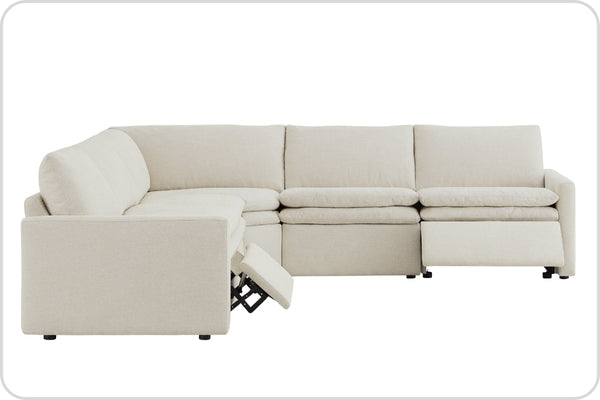
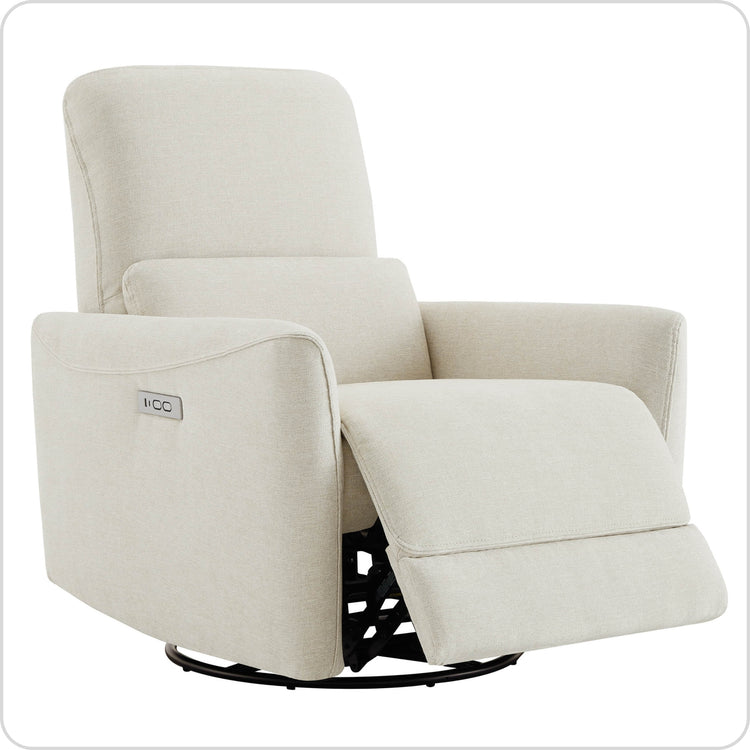
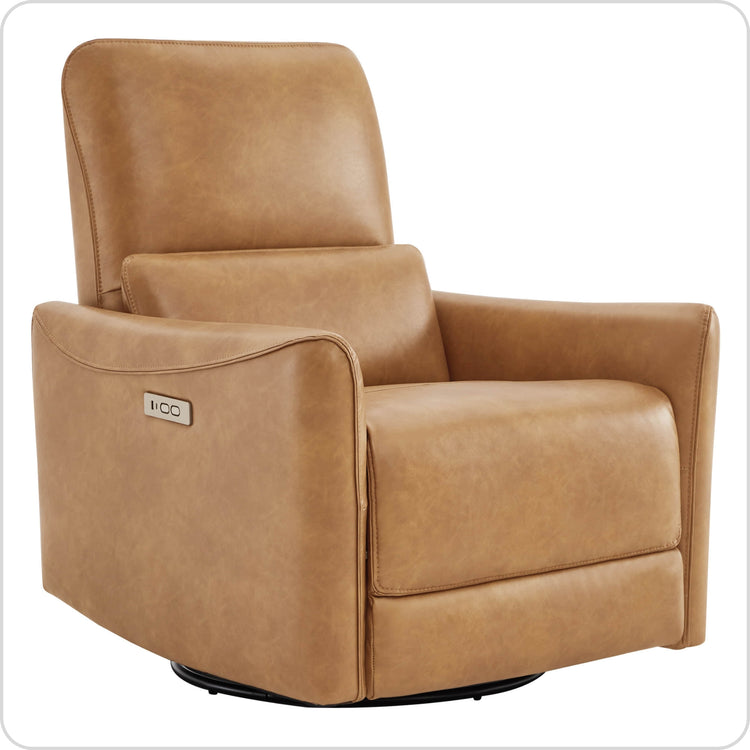
A cushion issue may call for a replacement insert or support repair; widespread structural damage may call for a different decision. Base the next step on the identified fault and an actual quote. When assessing a possible replacement, compare specific construction descriptions: our Noah recliner lists a corner-blocked wooden frame, while the Brendon 4-seat sectional provides a modular example with wooden legs. Compare the component arrangements in our modular sofa collection against the space and support you need.
FAQs
Is a creaking couch always broken?
No. Noise can come from several contact points or moving parts. Record where it occurs and check visible connections according to the assembly instructions. Visible damage or instability needs assessment before further use.
Can a broken couch frame be repaired?
Some faults can be repaired. The answer depends on the part, access, remaining structure, and available materials or replacements. Request an assessment before choosing a repair method.
Can sagging come from the cushions?
Yes. Filling can shift or compress. The suspension and frame can also contribute, so inspect the removable cushion and visible support separately. Where the model permits it, reshape loose filling according to its care instructions before assessing a remaining dip.
How long should a sofa frame last?
Construction, loading, movement, and care affect service life. Check the specific model's materials, instructions, and warranty, together with the condition of its supporting parts.
Recommended Products




More to Read
 7 Sofa Trends That Actually Improve Comfort in 2026
Upgrade your living room with furniture that supports your body. Here are 7 modern sofa features designed to maximize your daily comfort...
7 Sofa Trends That Actually Improve Comfort in 2026
Upgrade your living room with furniture that supports your body. Here are 7 modern sofa features designed to maximize your daily comfort...
 Mother's Day Gift Guide: Cozy and Stylish Furniture Picks for Modern Moms
Make Mother's Day more meaningful with furniture gifts that bring comfort, smart features, storage, and quiet luxury into her everyday routine.
Mother's Day Gift Guide: Cozy and Stylish Furniture Picks for Modern Moms
Make Mother's Day more meaningful with furniture gifts that bring comfort, smart features, storage, and quiet luxury into her everyday routine.
 Performance Fabric Reality Check: Does It Really Repel Pet Hair and Stains?
Performance fabric is often marketed as a miracle solution for homes with pets and kids, but the reality is more nuanced. It...
Performance Fabric Reality Check: Does It Really Repel Pet Hair and Stains?
Performance fabric is often marketed as a miracle solution for homes with pets and kids, but the reality is more nuanced. It...