



























Work, Eat, Lounge: The Rise of the Multi-Functional Lift-Top Coffee Table
In small apartments, one versatile surface that can shift between laptop work, casual meals, and everyday lounging helps maximize limited living room space without adding extra furniture. A lift-top coffee table delivers exactly that flexibility by letting you raise the surface to a more comfortable height when needed and lower it again for relaxed TV time.

The living room has become the default spot for remote work, quick dinners, and unwinding, especially in studios and one-bedroom homes. Multifunctional furniture like a lift-top coffee table addresses this shift by serving multiple daily roles in a compact footprint. Yet it works best as a convenient compromise rather than a full replacement for a dedicated desk or dining table.
Why Living Rooms Now Need to Handle Work, Meals, and Lounging
Many small-apartment dwellers no longer have separate rooms for an office or dining area. Remote work and open layouts mean the main living space must support focused laptop sessions, sofa-side eating, and comfortable lounging all in the same area. Research on compact living shows growing demand for pieces that adapt to these changing roles throughout the day.
A lift-top coffee table answers this need by offering an adjustable surface that stays low and unobtrusive when you want a traditional coffee table but rises to a practical height for work or meals. This design helps reduce the urge to buy multiple specialized tables that would crowd a small room.
How a Lift-Top Coffee Table Supports Laptop Work and Casual Dining
When the top is raised, the surface often reaches a height closer to elbow level, which can help keep wrists straighter and forearms roughly parallel to the floor during shorter laptop sessions. As Minnesota state laptop guidelines note, this posture reduces awkward angles compared with a standard low coffee table.
For casual dining, the elevated position brings plates and utensils nearer to a comfortable reach while watching TV. Many users appreciate the convenience for quick meals without needing a separate dining table. However, the setup still requires attention to overall posture. If the surface feels too high or low, adding a cushion or adjusting your seating can help maintain neutral positioning, according to University of Pennsylvania ergonomics guidance.
Keep sessions reasonable and take regular breaks. Even with better surface height, official computer workstation advice from OSHA still recommends movement and periodic changes in position.
Modeled Suitability Scores (Illustrative Only)
The following scores represent a modeled comparison of how different lift-top designs typically balance competing needs. Note: These figures are illustrative heuristics based on general design trade-offs and are not derived from specific laboratory measurements.
Methodology: Scores are calculated by weighting mechanical stability (40%), ergonomic reach (40%), and surface area (20%) for each use case.
Modeled Suitability Scores for Small Apartment Use Cases
Modeled suitability scores for comparison: higher means better fit for the stated use case in a small apartment.
View chart data
| Category | Lift-top coffee table | Dedicated desk | Dining table |
|---|---|---|---|
| Occasional work | 4.0 | 2.0 | 3.0 |
| Daily work | 2.0 | 5.0 | 1.0 |
| Casual meals | 5.0 | 1.0 | 4.0 |
| Daily dining | 1.0 | 1.0 | 5.0 |
| Lounge / TV tray | 5.0 | 1.0 | 1.0 |
| Full desk replacement | 1.0 | 5.0 | 2.0 |

Real-World Tradeoffs: Stability, Lift Mechanism, and Storage
While the adjustable design brings clear benefits, several practical tradeoffs deserve attention. Stability often decreases slightly when the top is fully raised, especially during typing or leaning. This is a common pattern in cantilevered designs where the center of gravity shifts forward.
The lift mechanism itself adds complexity. Gas struts or spring-loaded hinges make height changes easy but can wear over frequent daily use. Surface area may shrink or become divided once raised, making it tricky to fit a laptop, mouse, and notebook together. Storage compartments under the top are convenient for remotes or blankets, yet they can collect dust and complicate cleaning around moving parts.
These hidden costs matter most in daily use. Occasional laptop sessions or TV dinners rarely expose the drawbacks, but heavy or prolonged use quickly highlights them. Always verify specific product specifications rather than assuming every lift-top model performs equally.
Choosing the Right Size and Fit for Small Apartments
Measure your space carefully before buying. In studios or compact living rooms, aim for a table that leaves clear pathways and does not block traffic when the top is raised.
The "Two-Thirds" Rule of Thumb: A common experience-based recommendation for small apartments is a table length between 40 and 48 inches. This range often works well because it typically represents about two-thirds the length of a standard apartment-sized sofa, providing enough surface area without dominating the room. However, you should prioritize your specific "clearance zone"—the space needed to walk around the table when the top is extended toward the sofa.
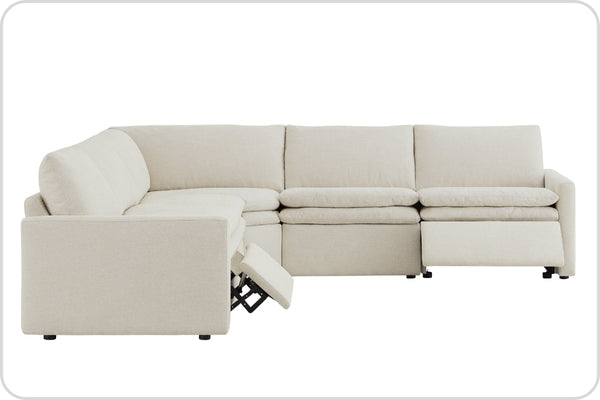
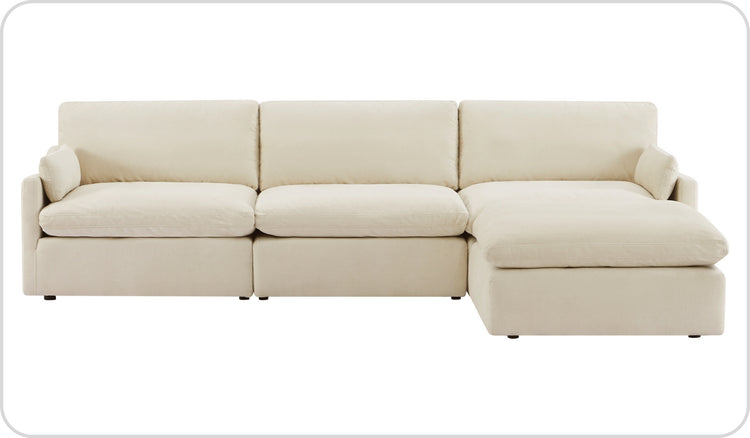
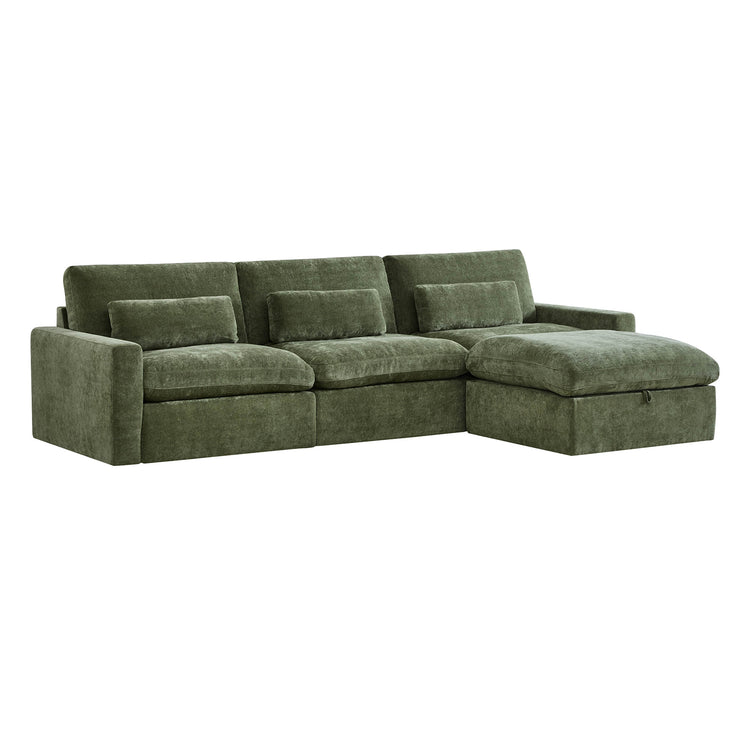
Many buyers pair the table with modular or space-saving seating to keep the area flexible. For example, wall-hugger recliners or easy-clean sofas complement the multifunctional approach by adding comfort without taking extra room.
Pre-Purchase Checklist: Avoiding Common Pitfalls
Before committing to a model, use this checklist to ensure the table meets your functional needs:
- Stability & Support: Does the manufacturer specify a weight capacity for the raised position? Look for models with reinforced hinges or a heavy base to minimize "typing wobble."
- The "Lift Reach": Measure your sofa seat height. Ideally, the raised table should sit 10–12 inches above the seat to reach a comfortable working height for most adults.
- Operational Footprint: Does the top lift straight up, or does it swing forward? Ensure you have at least 18–24 inches of clearance between the sofa and the table base to accommodate the "swing" and your legs.
- Mechanism Type: Gas struts generally offer smoother, quieter movement than spring hinges, though they may have different long-term maintenance needs.
- Cleaning Access: Check if the internal storage area is easily accessible for vacuuming. Mechanisms with many exposed small parts can become "crumb traps" if used frequently for dining.
How to Use a Lift-Top Coffee Table Comfortably and Safely
Start with proper seating. Keep feet supported on the floor and aim for thighs roughly parallel to the ground. Raise the table top to bring the work surface near elbow height for laptop use, as suggested in various home office ergonomics flyers. An external keyboard or slight screen elevation can further improve posture.
For meals, the raised setting works nicely for casual dining, but avoid overloading the surface. Wipe spills promptly, especially around lift seams. When lowering the top, clear items first to protect the mechanism.
The 20-Minute Self-Test: Sit in your usual sofa position and raise the table. If you notice your shoulders shrugging or your wrists bending upward after 20 minutes, the table is likely too high. Adjust your seating height with a firm cushion rather than straining to reach the surface.
Disclaimer: This article discusses comfort and setup advice only. It does not constitute medical advice, diagnosis, or treatment. If you experience persistent discomfort or have existing musculoskeletal conditions, consult a qualified healthcare professional.
How to Decide If a Lift-Top Coffee Table Fits Your Lifestyle
A lift-top coffee table shines when your living room must handle mixed activities in a limited area. It offers practical flexibility for remote workers, couples sharing space, and anyone who values multifunctional design. Yet it performs best for occasional use rather than all-day desk work or formal dining.
Review your daily routine honestly. If most tasks involve short laptop sessions, TV dinners, and relaxed lounging, this style can eliminate the need for extra furniture. When work demands long focused hours or meals require a full table, consider supplementing with a dedicated surface.
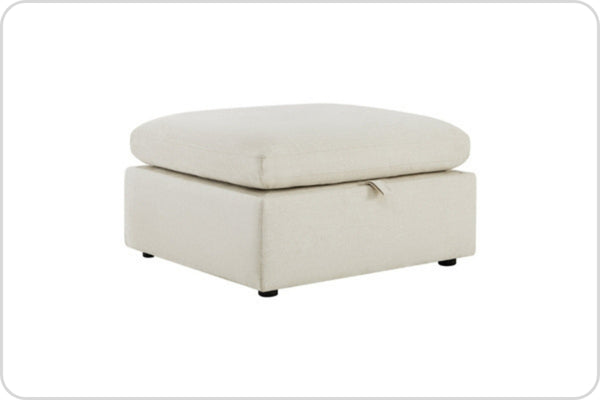
Our Cube Storage Ottoman or Delaney Storage Ottoman can serve as complementary pieces that add extra seating and hidden storage without competing for floor space.
Frequently Asked Questions
Are Lift-Top Coffee Tables Stable Enough for Laptop Typing?
Stability varies significantly by model. Tables with wider, heavier bases and high-quality gas struts generally perform better. However, a slight "micro-wobble" is common at full extension. If you are a heavy typist, look for models specifically rated for higher weight capacities on the lift-top.
Can a Lift-Top Table Replace a Dining Table in a Small Apartment?
It is an excellent solution for casual meals and snacks. However, because the surface is cantilevered, it may not support the weight of a full multi-course dinner for several people as reliably as a four-legged dining table.
What Height Should a Lift-Top Coffee Table Reach for Laptop Work?
Aim for a raised height that aligns the surface with your elbows when sitting upright. For most standard sofas, this means a lift height of approximately 24 to 28 inches from the floor, but you should measure your specific sofa seat height first.
How Do You Keep a Lift-Top Coffee Table Clean Around the Mechanism?
Choose models with smooth, non-porous surfaces. Periodically lift the top to vacuum the internal storage and hinges. Avoid using heavy liquid cleaners near the mechanical struts to prevent stripping away necessary lubricants.
Is a Lift-Top Coffee Table Suitable for Daily Remote Work?
It is ideal for hybrid schedules or 2-3 hour sessions. For full 8-hour workdays, the lack of adjustable lumbar support in most sofas and the fixed height of the table may lead to fatigue. It is best used as a secondary workstation.
Recommended Products


More to Read
 7 Sofa Trends That Actually Improve Comfort in 2026
Upgrade your living room with furniture that supports your body. Here are 7 modern sofa features designed to maximize your daily comfort...
7 Sofa Trends That Actually Improve Comfort in 2026
Upgrade your living room with furniture that supports your body. Here are 7 modern sofa features designed to maximize your daily comfort...
 Mother's Day Gift Guide: Cozy and Stylish Furniture Picks for Modern Moms
Make Mother's Day more meaningful with furniture gifts that bring comfort, smart features, storage, and quiet luxury into her everyday routine.
Mother's Day Gift Guide: Cozy and Stylish Furniture Picks for Modern Moms
Make Mother's Day more meaningful with furniture gifts that bring comfort, smart features, storage, and quiet luxury into her everyday routine.
 Performance Fabric Reality Check: Does It Really Repel Pet Hair and Stains?
Performance fabric is often marketed as a miracle solution for homes with pets and kids, but the reality is more nuanced. It...
Performance Fabric Reality Check: Does It Really Repel Pet Hair and Stains?
Performance fabric is often marketed as a miracle solution for homes with pets and kids, but the reality is more nuanced. It...