













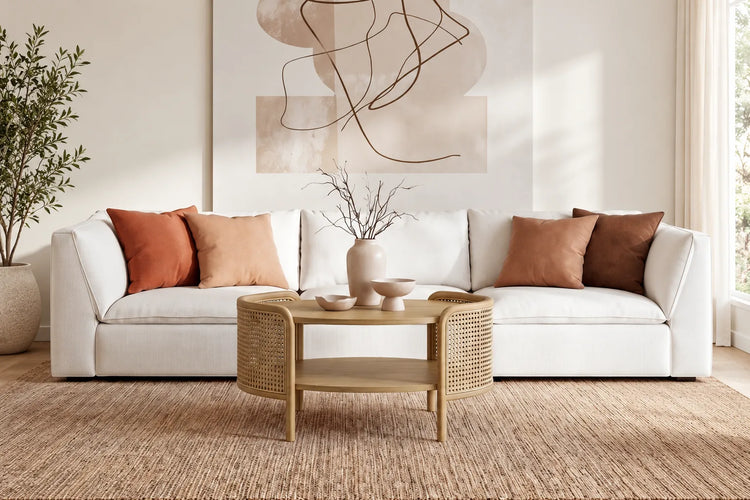
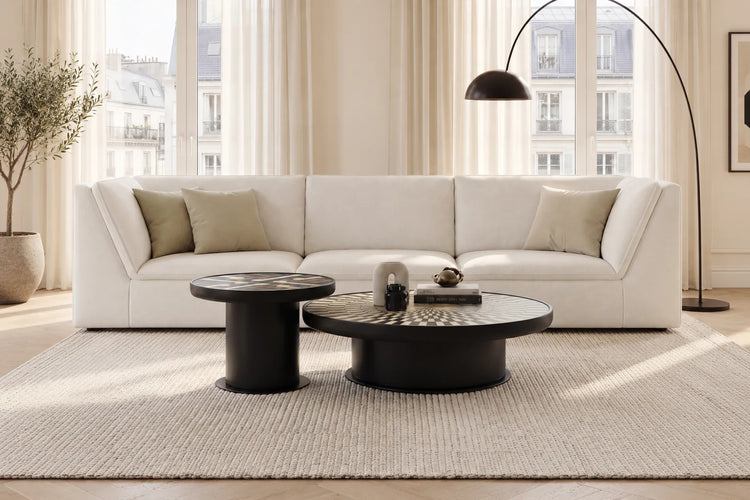
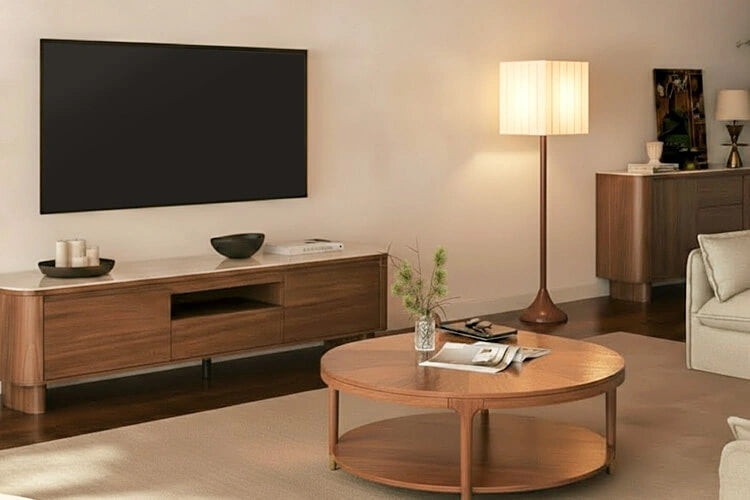









Hide the Clutter: Stylish Coffee Tables with Smart Storage Solutions

Why Storage Coffee Tables Solve Clutter Better Than Standard Tables
Standard coffee tables offer a surface but quickly become magnets for visible mess in busy households. A coffee table with storage addresses this by providing dedicated spots to tuck items away, helping open-plan or small living rooms feel calmer and more put-together. Based on common interior design experience, furniture that reduces visual clutter while preserving open circulation improves the daily "flow" and perceived size of a room.
Hidden storage keeps surfaces clear for drinks or decor while still allowing quick access when needed. This approach works particularly well in homes where guests drop by often or where families manage multiple small objects throughout the day. However, the benefit depends on choosing a style that matches your usage pattern, as some mechanisms add convenience while others prioritize total concealment.

Comparing Storage Styles: Lift-Top, Hidden Compartment, Open Shelf, and Ottoman
Different storage coffee table designs solve slightly different problems. The right choice depends on whether you need fast access, maximum concealment, or a softer aesthetic. Here is a practical framework for comparing common styles in small living rooms.
- Lift-Top Tables: These raise the surface to create a temporary work or dining height while revealing storage underneath. They suit households that use the table for laptops or snacks. When evaluating these, look for gas-spring or high-quality spring hinges to ensure a smooth, quiet motion.
- Hidden Compartment Designs: Often featuring lift-up lids or drawers, these excel at keeping remotes, chargers, and small items completely out of sight. They offer a high level of "visual tidiness."
- Open-Shelf Models: These provide easy grab-and-go access but expose contents. They are best paired with decorative baskets or trays to keep the "open" look from becoming messy.
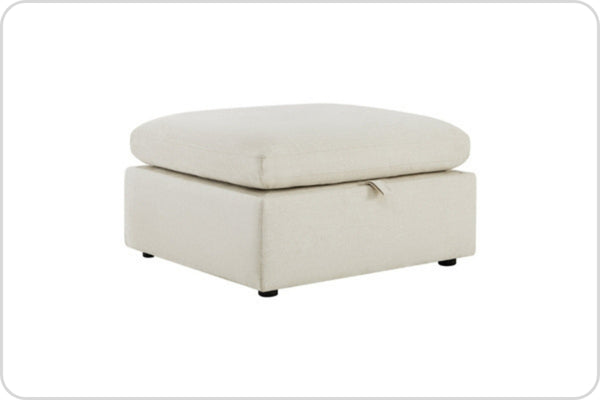
- Ottoman-Style Tables: These combine seating or footrest functions with interior storage. They deliver a softer, lounge-friendly look, though they may require a tray for stable drink placement.
A useful decision rule is to prioritize hiddenness when visual clutter bothers you most and access speed when items are used many times daily. In practice, the best style depends on your primary activity: lift-top for frequent work, open shelf for low-friction daily retrieval, and hidden compartments when the room must stay guest-ready at a glance.
Storage Coffee Table Styles for Small Living Rooms
Modeled for comparison only: 1–5 heuristic scores help compare scenario fit in a small living room.
View chart data
| Series | Access speed | Hiddenness | Visual lightness | Small-room fit |
|---|---|---|---|---|
| Lift-top | 5.0 | 2.0 | 3.0 | 4.0 |
| Drawer storage | 4.0 | 4.0 | 3.0 | 3.0 |
| Open shelf | 5.0 | 1.0 | 2.0 | 4.0 |
| Hidden compartment | 3.0 | 5.0 | 4.0 | 5.0 |
How to Choose the Right Size and Layout for a Small Living Room
Scale and proportion matter more than style when selecting a coffee table for small living rooms. In compact spaces, lighter-looking pieces usually preserve circulation paths and visual balance better than oversized, "blocky" designs.
While every room is unique, a common design heuristic is to aim for approximately 12 to 18 inches of clearance between the coffee table and the sofa. This range typically allows for comfortable legroom while keeping the surface within reach, though you may adjust this based on your specific furniture layout and walking paths. Additionally, the table should typically be roughly one-half to two-thirds the length of the main sofa to maintain visual proportion, though smaller tables can work well in very tight "nook" layouts.
For open-plan areas, prioritize designs that maintain visual openness. Furniture that hides clutter without adding excessive "visual weight"—such as pieces with slim legs or lighter finishes—can help the room feel larger. A practical tip for small spaces: use painter's tape on the floor to map out the table's dimensions before buying. This ensures the piece won't block traffic or prevent other furniture (like recliners) from functioning.
What Storage Features Matter Most for Daily Life
Daily usability determines whether a storage solution feels helpful or frustrating. Beyond the exterior look, consider these practical checkpoints:
- Mechanism Quality: For lift-tops or drawers, test for "play" or wobbling. High-quality mechanisms should feel stable even when fully extended.
- Weight Capacity: Check the manufacturer's limits for both the tabletop and the internal storage. Overloading a lift-top can strain the hinges over time.
- Stability and Safety: For families with children, stability is paramount. Ensure the base is wide enough to prevent tipping when the top is extended or when a drawer is pulled out. Always follow manufacturer guidelines regarding weight distribution.
- Ease of Maintenance: Storage areas can collect dust. Look for finished interiors that are easy to wipe down, and consider materials like treated wood or metal that resist fingerprints.
Style, Materials, and Sizing Considerations
Modern coffee tables with storage come in wood, metal, stone, and upholstered finishes. Matte or lightly textured surfaces tend to hide everyday wear and dust better than high-gloss options. Rounded edges are often preferred in tight spaces to improve safety and "flow."
Proportion remains key: scale refers to the actual size, while proportion describes how the piece relates visually to the sofa and room. A well-proportioned table enhances rather than competes with surrounding furniture. When upgrading, focus on how the new piece improves both function and flow rather than simply adding more storage volume.
Our modern coffee tables include options that balance clean design with practical storage. For additional organization ideas, see our guide on how to arrange furniture in small living spaces.

Pre-Purchase Checklist: Finding Your Perfect Match
Before finalizing your choice, run through this quick checklist to ensure the table fits your lifestyle:
- Inventory Your Items: What are you actually storing? (e.g., bulky blankets need a deep ottoman; small remotes need a shallow drawer).
- Measure the "Arc": If it’s a lift-top or has a flip-lid, is there enough vertical and horizontal clearance so it doesn't hit your knees or the TV stand?
- Check the Height: Is the table surface within a comfortable range—often within 1 to 2 inches—of your sofa seat height? This usually ensures the best ergonomic reach.
- Verify the Finish: Does the material match your maintenance tolerance (e.g., wood for warmth, metal for durability)?
Explore our storage bestseller collection for curated options that combine modern design with smart functionality. For more on creating functional small spaces, read why choose a wall hugger recliner or sofa for small spaces and our overview of modern sofas.
FAQs
How much can I actually fit inside a storage coffee table?
Capacity varies widely by design. Deep ottomans or trunk-style tables can often hold two full-sized throw blankets, while lift-top models are typically better suited for laptops, magazines, and electronics. Always check the internal dimensions provided by the manufacturer for specific limits.
Are lift-top coffee tables stable enough for dining?
Most are designed for light dining or laptop use. However, stability depends on the base weight and the quality of the hinge. To ensure safety, avoid leaning heavy weight on the edge of the table when it is in the "lifted" position.
What is the ideal coffee table height?
A common rule of thumb is to choose a table that is roughly the same height as your sofa cushions or slightly lower (often 1 to 2 inches lower, typically resulting in a height of 16 to 18 inches). This usually ensures a comfortable reach for drinks and a balanced look.
How do I keep an open-shelf table from looking cluttered?
A highly effective method for many households is the "Tray and Basket" system. Use a tray on top for remotes and a decorative basket on the bottom shelf for magazines or blankets. This contains the items and creates a "cleaner" visual line.
Which material is most durable for a high-traffic living room?
Metal and high-quality engineered woods with melamine or veneer finishes are often regarded as durable and easy-to-clean options. If you have pets or children, you might consider avoiding high-gloss surfaces or delicate glass, which tend to show smudges and scratches more easily.
This article discusses furniture selection and home organization based on common design practices. It does not constitute professional safety or structural advice. Always follow specific manufacturer instructions for assembly, weight limits, and maintenance.
Recommended Products

More to Read
 7 Sofa Trends That Actually Improve Comfort in 2026
Upgrade your living room with furniture that supports your body. Here are 7 modern sofa features designed to maximize your daily comfort...
7 Sofa Trends That Actually Improve Comfort in 2026
Upgrade your living room with furniture that supports your body. Here are 7 modern sofa features designed to maximize your daily comfort...
 Mother's Day Gift Guide: Cozy and Stylish Furniture Picks for Modern Moms
Make Mother's Day more meaningful with furniture gifts that bring comfort, smart features, storage, and quiet luxury into her everyday routine.
Mother's Day Gift Guide: Cozy and Stylish Furniture Picks for Modern Moms
Make Mother's Day more meaningful with furniture gifts that bring comfort, smart features, storage, and quiet luxury into her everyday routine.
 Performance Fabric Reality Check: Does It Really Repel Pet Hair and Stains?
Performance fabric is often marketed as a miracle solution for homes with pets and kids, but the reality is more nuanced. It...
Performance Fabric Reality Check: Does It Really Repel Pet Hair and Stains?
Performance fabric is often marketed as a miracle solution for homes with pets and kids, but the reality is more nuanced. It...