






















Big Comfort, Small Footprint: The 2026 Guide to Wall-Hugger Recliners

Big Comfort, Small Footprint: The 2026 Guide to Wall-Hugger Recliners
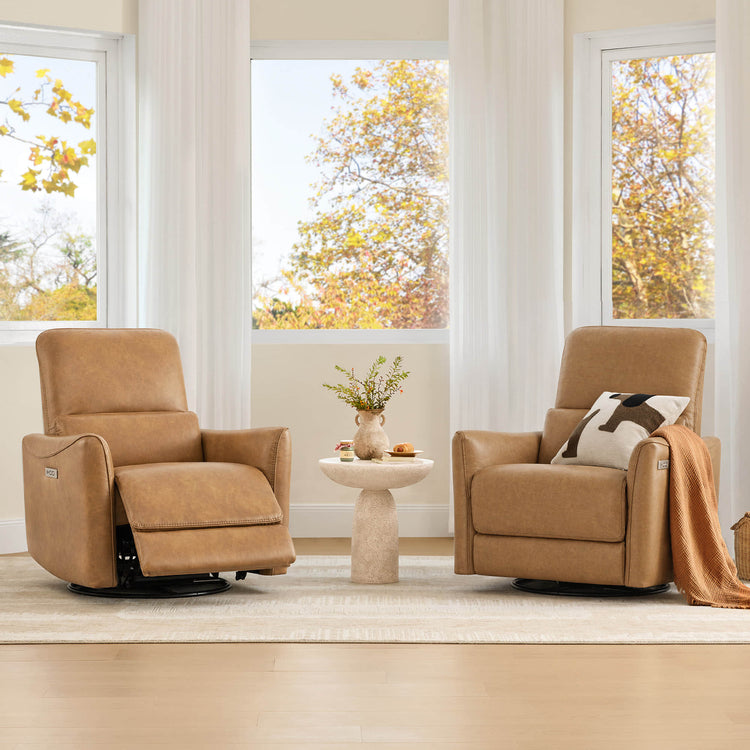
Living in a small apartment or cozy home often means making tough choices between comfort and space. Wall-hugger recliners solve this by delivering full recline capability while requiring far less rear clearance than traditional models, making them a strong fit for urban dwellers and anyone short on room behind their seating.

How Wall-Hugger Recliner Mechanisms Actually Save Space
Wall-hugger recliners utilize a specialized sliding track mechanism that allows the seat and footrest to glide forward as the chair reclines, rather than the backrest tilting purely backward, as this guide to wall-hugger design explains. This forward-gliding track keeps the backrest from swinging into the wall, which is the core reason they fit tighter spaces.
While many are marketed as "zero-wall" or "proximity" recliners, actual clearance requirements still vary based on the specific mechanism and upholstery thickness. As noted in industry guidelines, wall-huggers typically require a planning range of 2–6 inches of rear space compared to the 12 or more inches needed by standard recliners. Note: These figures are typical planning estimates; always defer to the manufacturer’s spec sheet for "rear clearance" and include a small buffer to protect your walls.
Treat "zero-wall" as a marketing term rather than a literal guarantee. A chair labeled as a wall-hugger without a true forward-gliding track may still require 6+ inches of clearance. Always verify the technical specifications for your chosen model rather than relying on the product name alone.
How to Measure Your Space for a Perfect Footprint
Precise measurement prevents the common regret of a recliner that collides with walls or blocks pathways when in use. When planning for a recliner in a small room, it is essential to measure the "wall clearance" (space behind the chair) and the "front extension" (space needed for the footrest to fully extend), according to VA small-house design guidance.
Start with the chair in its upright position against your intended wall. Measure from the wall to the back of the chair, aiming for at least the manufacturer's stated clearance plus a 2-inch safety buffer. Then, measure the full extended footrest distance—which can range from 20 to 30+ inches depending on the model—to ensure it won't obstruct walkways. Finally, consider the swivel radius or motion path if your model rotates.
Dynamic clearance during the transition from upright to reclined is often overlooked. Test the full motion path in your room layout to avoid hitting side tables or doorways. In apartments, this step is critical because restocking fees for large furniture can reach 10–20% and often require keeping bulky original packaging for the return.
Use a simple three-point check: rear wall gap, front footrest extension, and overall motion sweep. In particularly tight layouts or rooms under 100 square feet, prioritize models with the smallest specified clearance and integrated "zero-wall" tracks.

Current & Emerging Trends: Lumbar Support and Power Motion
Proper lumbar support in a recliner is critical for maintaining the natural curve of the lower back, which helps minimize strain on the spine during prolonged sitting, per UCLA Health ergonomics guidance. In recent design cycles leading into 2026, there is a clear shift toward adjustable lumbar systems that let you fine-tune support rather than sinking into a single "cloud" cushion that can encourage poor posture over time.
Power recline has become a priority for small-space users because it offers smooth, micro-adjustable positions without the jarring "clunk" and physical reach required by manual levers. This quiet operation reduces acoustic disturbances in shared apartments or nurseries. Many current models now include built-in USB-C charging ports directly in the armrest, eliminating the need for extra side tables and keeping cords managed in tight layouts.
Power mechanisms do require an outlet nearby and careful cord routing to avoid trip hazards. For reading and TV use, models with power headrests allow independent adjustment so you can maintain proper neck alignment in different positions. While these features add meaningful daily comfort, they are only effective if your room layout supports the necessary power cord logistics.
Choosing the Best Reclining Chair for Reading and TV
Ergonomic seating with adjustable positions allows users to find a customized angle that promotes muscle relaxation and supports the spine's natural curvature, according to Spine Health resources. For reading, many users prefer a milder recline—often around 110 degrees—with firm lumbar support and armrest height suitable for holding a book or tablet. TV viewing typically benefits from a deeper recline (often 130 degrees or greater) with headrest support to reduce neck strain.
The best reclining chair for reading and TV in small spaces balances these needs with compact dimensions. Avoid overly deep sink-in cushions that promote slouching during longer sessions. Look for models offering multiple preset positions or independent power controls for the back, footrest, and headrest so one chair can handle both upright tasks and full lounging.
In apartment layouts, a chair that reclines fully without requiring extra side space for a lamp or table is especially useful. Power models with integrated charging help keep your reading devices or remotes powered without cluttering limited surfaces.
Rear Clearance Needed: Standard vs. Wall-Hugger Recliners
The following values represent typical industry planning ranges. Final fit depends on the specific model's mechanism and fabric thickness; always consult the manufacturer's spec sheet before installation.
Rear Clearance Needed: Standard vs Wall-Hugger Recliners
Typical rear clearance ranges for planning small rooms and tight layouts.
View chart data
| Category | Typical rear clearance required (inches) |
|---|---|
| Standard recliner | 12.0 |
| Wall-hugger recliner | 4.0 |
This chart helps visualize the clearance threshold difference. While standard recliners typically need about 12+ inches behind them, wall-hugger recliners usually require only about 2–6 inches. This space-saving advantage is significant, but room fit still depends on the specific model's dimensions and your unique layout.
Making the Final Fit Decision for Your Apartment Layout
The right wall-hugger recliner depends on your room's constraints and primary use. Stationary models with true forward-glide tracks suit narrow layouts where you won't need to swivel. Swivel or zero-gravity options work better in slightly larger corners where you want to change viewing angles or achieve a weightless feel for longer relaxation.
Power recliners with lumbar support and charging ports generally provide the best everyday experience in apartments, provided you have a nearby outlet and can route cords safely. Manual versions save on cost and avoid power dependence but may introduce louder operation that disturbs quiet spaces.
Before buying, run through this self-check: Confirm at least the manufacturer's minimum rear clearance plus a safety buffer, verify front extension won't block doors, and test whether the recline angle supports both your reading posture and TV viewing. If your space is very tight or has unusual geometry, prioritize the smallest-clearance models like those with advanced gliding mechanisms.
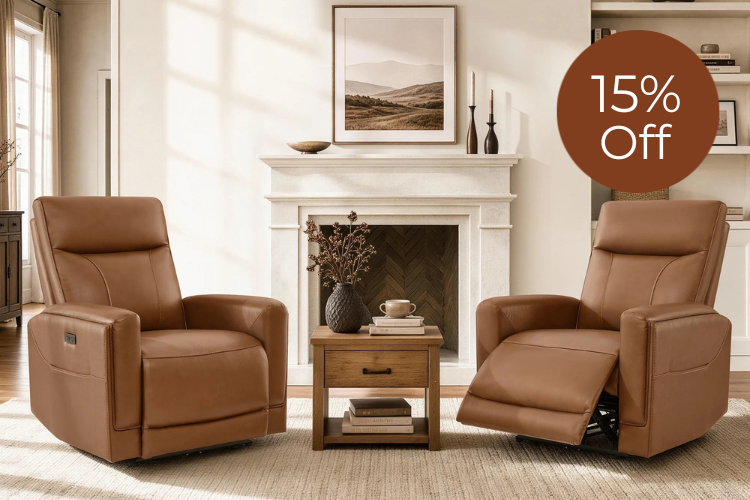
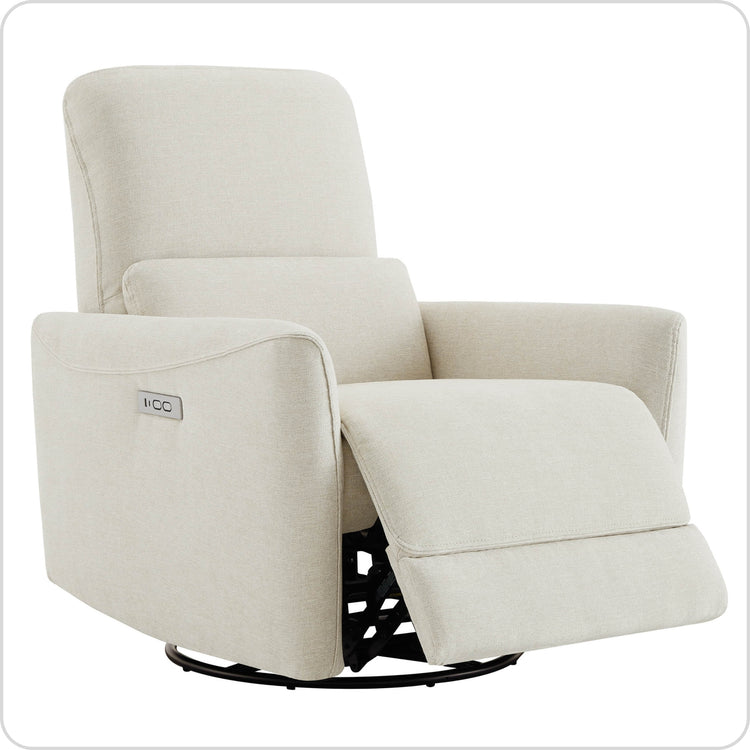
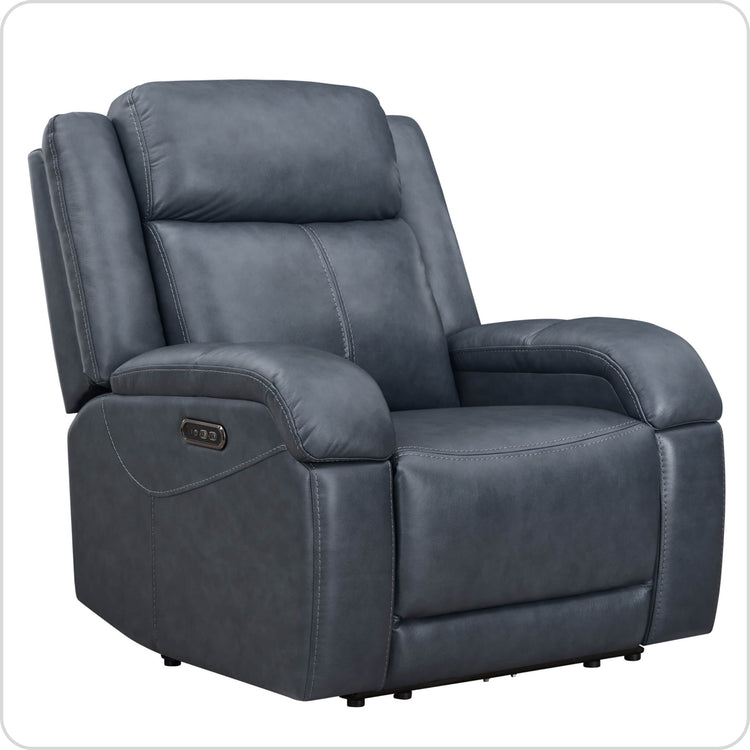
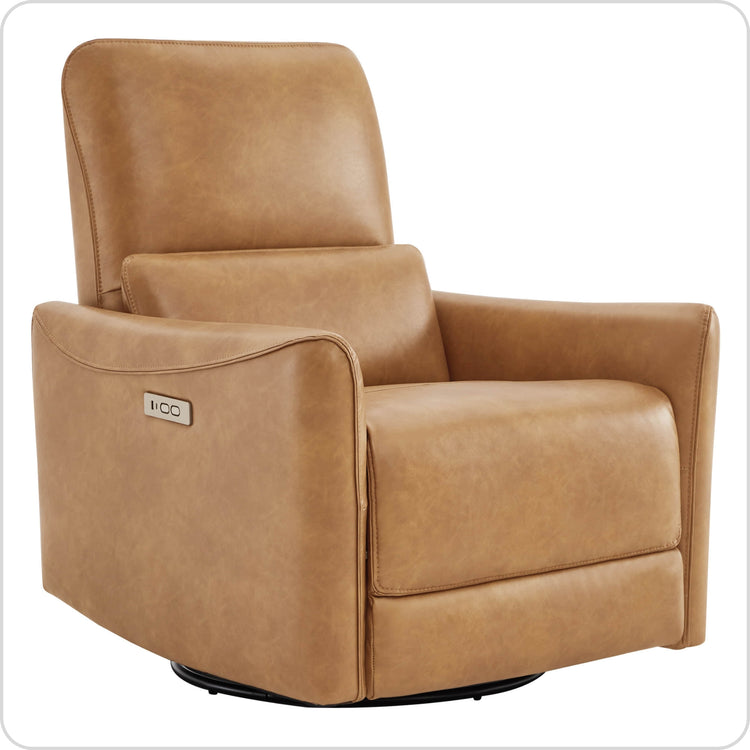
For apartment dwellers seeking big comfort in a small footprint, explore our wall hugger recliners for small spaces or browse specific options such as the Hadley Modern Zero Wall-hugger Power Recliner. You can also check power recliners designed for apartments or zero gravity wall-hugger options to match your exact needs. Additional guidance on small home space maximization or hidden tech features in power recliners can help refine your choice.
FAQs
Do wall-hugger recliners truly require zero inches of clearance?
Generally, no. While often marketed as "zero-wall," most models require 2–6 inches for safe operation and to prevent upholstery from rubbing against the wall. Always check the specific model's clearance specification and add a small buffer rather than placing the chair completely flush.
How much space do I need in front of a wall-hugger recliner?
You must account for the "front extension" distance when the footrest is fully deployed. This typically ranges from 20 to 30 inches but varies by model. Ensure this space doesn't block walkways or hit other furniture in your layout.
Are power wall-hugger recliners better than manual for small spaces?
Power versions offer smoother, quieter motion and precise micro-adjustments, which is often preferred in shared apartments. However, they require proximity to an outlet. Manual models are simpler and more budget-friendly but may require more physical effort and clearance for the lever operation.
Is lumbar support important in a compact recliner?
Yes. Adjustable lumbar support helps maintain proper spinal alignment during extended sitting, reducing back strain. This is especially valuable if you use the chair for both reading and TV viewing over long periods.
Can a wall-hugger recliner replace a standard recliner in an apartment?
Yes, provided your measurements confirm sufficient clearance for the motion path. Wall-huggers excel in tight rear spaces but still require adequate front room. Measuring your specific footprint before purchase is the best way to avoid costly returns.
Recommended Products

More to Read
 7 Sofa Trends That Actually Improve Comfort in 2026
Upgrade your living room with furniture that supports your body. Here are 7 modern sofa features designed to maximize your daily comfort...
7 Sofa Trends That Actually Improve Comfort in 2026
Upgrade your living room with furniture that supports your body. Here are 7 modern sofa features designed to maximize your daily comfort...
 Mother's Day Gift Guide: Cozy and Stylish Furniture Picks for Modern Moms
Make Mother's Day more meaningful with furniture gifts that bring comfort, smart features, storage, and quiet luxury into her everyday routine.
Mother's Day Gift Guide: Cozy and Stylish Furniture Picks for Modern Moms
Make Mother's Day more meaningful with furniture gifts that bring comfort, smart features, storage, and quiet luxury into her everyday routine.
 Performance Fabric Reality Check: Does It Really Repel Pet Hair and Stains?
Performance fabric is often marketed as a miracle solution for homes with pets and kids, but the reality is more nuanced. It...
Performance Fabric Reality Check: Does It Really Repel Pet Hair and Stains?
Performance fabric is often marketed as a miracle solution for homes with pets and kids, but the reality is more nuanced. It...