








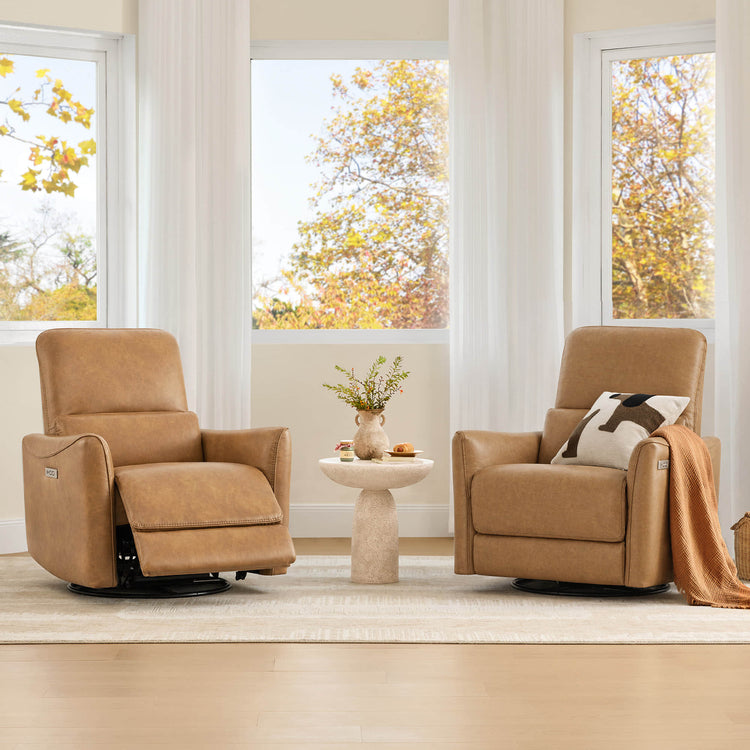
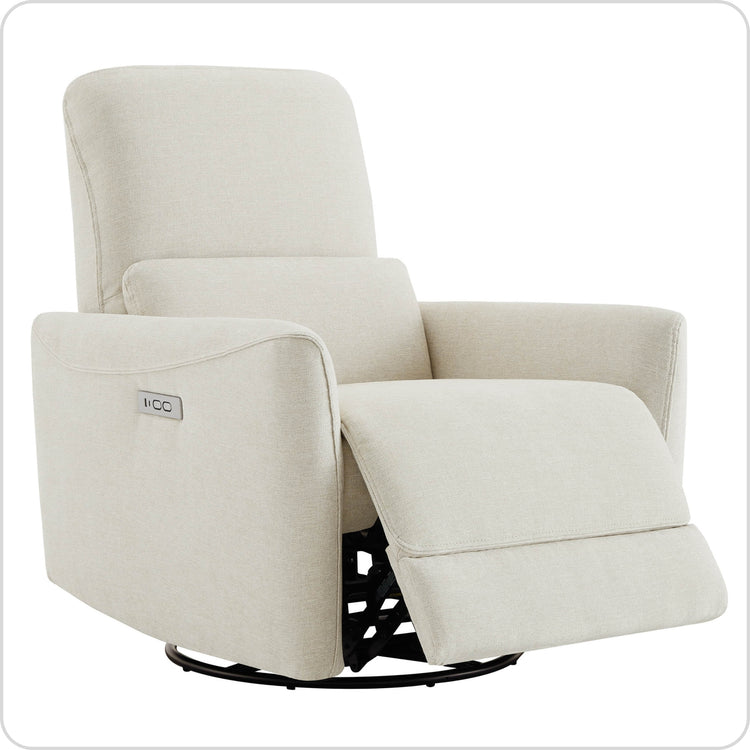
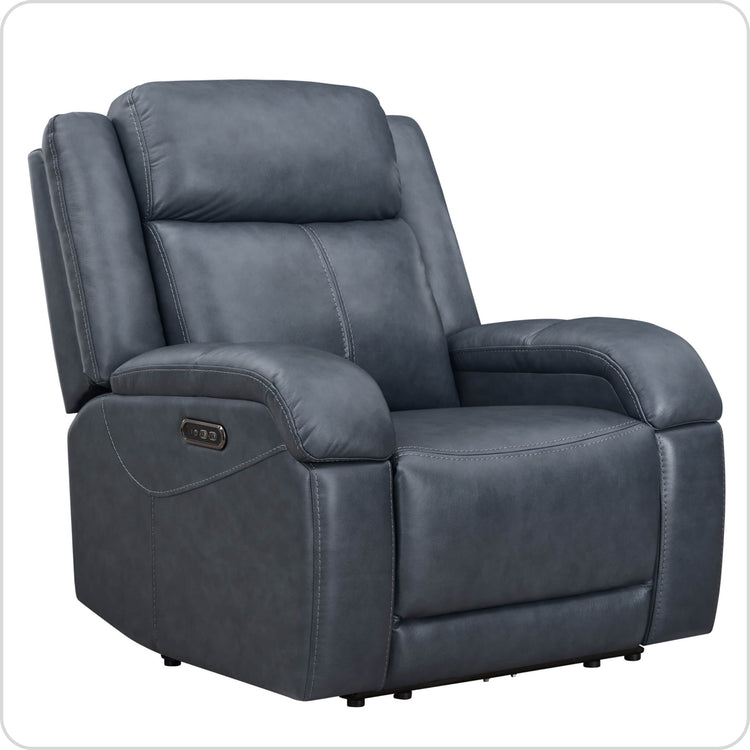
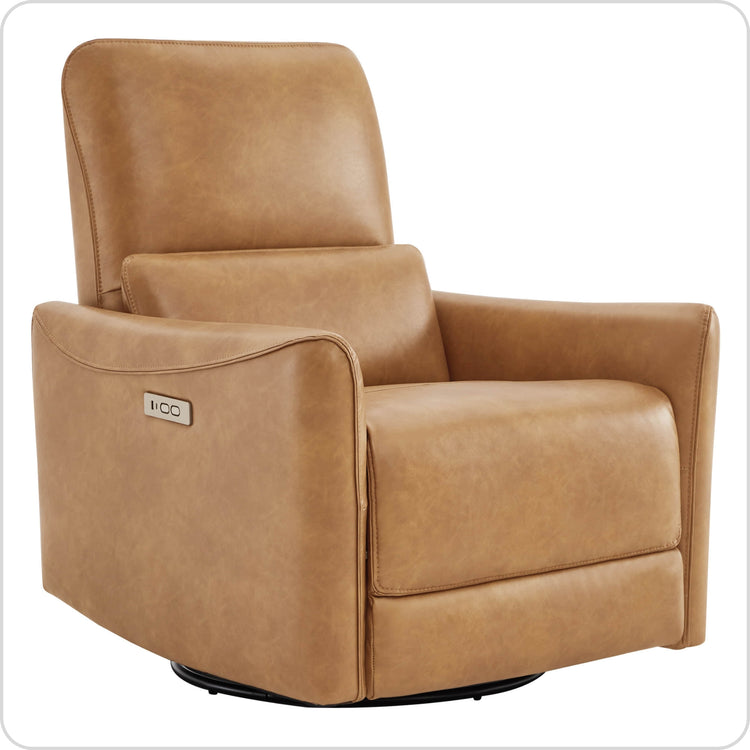















Living in a smaller home does not mean sacrificing the effortless comfort of a power recliner. Apartment dwellers and owners of cozy rooms can find slim power recliners and wall hugger power recliner models that deliver full recline while preserving walkways, traffic flow, and an open feel. The key is matching the chair's mechanism, exact dimensions, and placement to your specific layout rather than chasing the absolute smallest footprint.

Why Small Space Power Recliners Matter for Apartments
Urban living often involves tight dimensions where every inch counts. A traditional power recliner can require 12 to 18 inches of clearance behind it to recline fully, which quickly eats into usable floor space in a studio or one-bedroom apartment. In contrast, many modern compact recliner chair options use wall-hugger or zero clearance recliner mechanisms that shift the seat forward as they tilt back. This design lets the chair sit just a few inches from the wall yet still achieve a comfortable recline angle.
Choosing the right model helps you avoid blocked doors, cramped pathways, or a visually heavy piece that makes the room feel even smaller. The best small space power recliner balances a modest overall footprint with ergonomic seat dimensions that support longer sitting sessions, whether you are watching media, reading, or relaxing in a bedroom nook.
Understanding Wall Hugger and Zero Clearance Recliner Mechanisms
Wall-hugger power recliners are engineered so the back stays relatively stationary while the seat and footrest move outward. This reduces the rear clearance needed to as little as 2 to 5 inches in many models, compared with the much larger gap demanded by conventional designs. Zero clearance recliner variants take the concept further by allowing the chair to recline fully even when placed directly against a wall or baseboard.
These mechanisms are especially useful in compact TV or media areas where you cannot pull the furniture away from the wall each time. However, not every power recliner labeled "wall hugger" performs identically; always verify the manufacturer's stated clearance specification because motor placement and linkage design affect the actual space required. As this official ergonomics reference guide explains, the right mechanism improves both spatial efficiency and seated comfort when dimensions align with the user's body.

How to Measure Your Room and Doorways Before Buying
Successful delivery and placement start long before you click "add to cart." Begin by measuring the clear width of every doorway, hallway, and stair landing along the delivery route. Interior passage widths and clear openings can make even a compact recliner chair impractical if the furniture cannot reach its final destination, as outlined in general accessibility route principles from the U.S. Access Board.
Next, assess the target room. Record the available width, depth, and distance from the intended chair position to the nearest wall, window, or traffic path. Leave at least 24 to 30 inches of clear circulation space around the recliner so daily movement remains comfortable, consistent with broader home design guidance for preserving navigation areas found in university planning resources such as the Georgia Tech Home Design Guidelines.
For the recliner itself, note its listed upright depth, fully reclined depth, and required wall clearance. Compare these numbers against your measured space rather than relying on marketing descriptions alone. This step prevents the common regret of a beautiful chair that forces you to rearrange the entire room.
Seat Dimensions and Comfort in a Compact Footprint
A slim power recliner may save floor space yet still deliver generous seated comfort if its seat height, depth, and width suit your body. Typical apartment-friendly models offer seat heights between 18 and 20 inches, depths of 20 to 23 inches, and overall widths of 30 to 35 inches. These proportions often feel more supportive for average adults than oversized alternatives that dominate the visual field.
Power features such as adjustable headrests and smooth dual-motor recline further enhance usability without adding bulk. Look for models that include USB charging ports so you can keep devices powered while relaxing in a cozy reading corner. The Ergonomics and Design Reference Guide underscores that anthropometric fit, not just overall size, determines long-term comfort.
Compact vs Standard Power Recliners: Typical Size and Clearance
Modeled comparison of typical dimensions and clearance needs for apartment-friendly power recliners.
View chart data
| Category | Compact / Wall-Hugger | Standard |
|---|---|---|
| Overall Width (in) | 32.0 | 38.0 |
| Seat Width (in) | 22.0 | 24.0 |
| Upright Depth (in) | 38.0 | 42.0 |
| Reclined Clearance (in) | 4.0 | 18.0 |
| Minimum Room Size (ft) | 120.0 | 180.0 |
Illustrative heuristic model based on typical product-spec ranges for compact wall-hugger and standard power recliners. Values are normalized for reader guidance only, to compare footprint, clearance, and room-fit tradeoffs; room size is represented as floor area in square feet.
This modeled chart shows how compact designs typically require far less clearance and floor area, helping you quickly judge suitability for your layout. Remember these are representative values; always confirm exact specifications for any model you consider.
Choosing a Style That Looks Light in an Apartment
Visual weight matters as much as physical dimensions in small rooms. Opt for clean-lined designs with slim arms, tapered legs, and neutral or light-colored upholstery to keep the space feeling airy. Avoid heavily padded, oversized frames that can make even a modest footprint appear bulky.
Many of our power recliners feature modern silhouettes with low profiles that integrate easily into contemporary or transitional apartments. Leather or performance fabric options resist wear while adding a refined touch that complements rather than competes with other furnishings. Pairing the recliner with our small space furniture collection lets you create a cohesive look that maximizes both comfort and style.
Placement Tips to Maintain Traffic Flow
Position the recliner so it does not obstruct primary pathways, door swings, or natural circulation routes. In a one-bedroom living room, placing it against a side wall rather than in the center often preserves openness. Keep at least 30 inches clear in front for easy entry and exit, and ensure the reclined position does not block windows or heating vents.
If your room has multiple functions, consider how the chair affects furniture arrangements overall. Resources like our guide on how to create captivating furniture arrangements for small living spaces offer additional strategies for balancing seating with flow. The Fair Housing Act Design Manual also highlights the value of maintaining clear floor space around seating for comfortable daily movement.
Buying Checklist for Apartment-Friendly Power Recliners
Use this practical checklist to evaluate options quickly and avoid common missteps:
- Confirm the exact wall clearance required (do not assume every model is truly zero clearance).
- Measure your doorways and delivery path first.
- Compare overall width, upright depth, and reclined depth against your available space.
- Verify seat height and depth suit your body for extended comfort.
- Check for power features such as USB ports and adjustable headrests that add convenience without bulk.
- Evaluate visual lightness to ensure the chair complements rather than overwhelms the room.
- Review return and assembly policies, noting that some larger components may still need professional delivery.
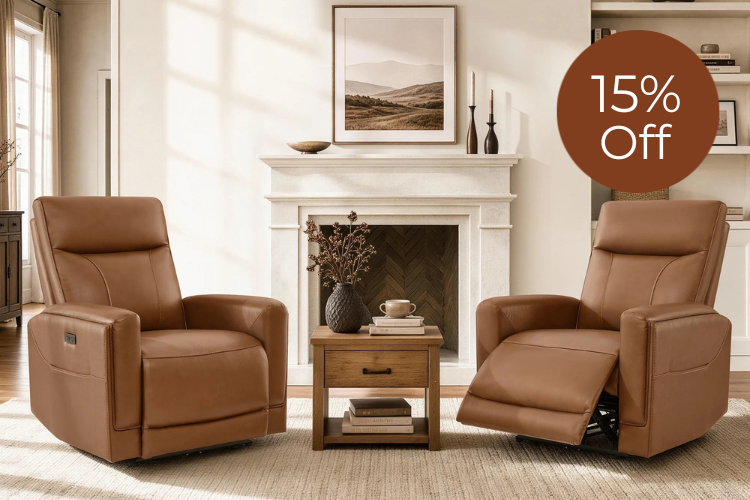
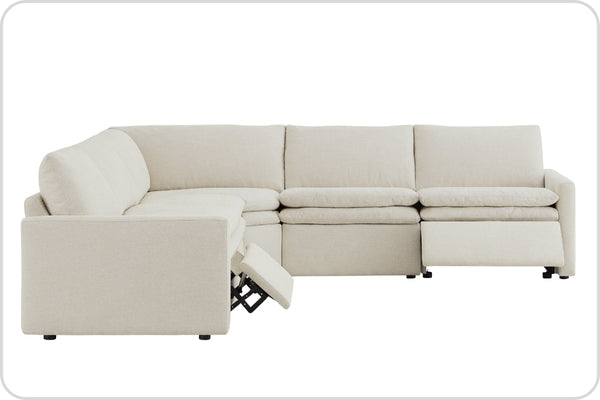
Following these steps helps you select a recliner that truly fits both your body and your home. Our power recliners collection includes several apartment-friendly models such as the Oliver Power Recliner Sofa Chair and the Keni Wall Hugger Power Recliner with Power Headrest that exemplify these principles. You can also explore our small space furniture to coordinate complementary pieces.
For more ideas on efficient layouts, read our article on how to maximize small spaces with smart sofa solutions for 2025 or how to arrange furniture in small living spaces efficiently for comfort and style. Additional context on recliner features appears in our recliner functions 101 comprehensive guide.
Frequently Asked Questions
What Is the Ideal Room Size for a Small Space Power Recliner?
Most compact models perform well in rooms of at least 10 by 12 feet, provided you maintain clear circulation paths. Larger studios or one-bedroom living rooms of 12 by 15 feet or more offer more flexibility for placement and traffic flow. Always prioritize measured clearances over nominal room size.
How Much Wall Clearance Does a Wall Hugger Power Recliner Actually Need?
Many wall hugger designs require only 3 to 6 inches, though exact requirements vary by model and mechanism. Zero clearance recliners can operate with virtually no gap, but you should still check the product specifications and test the recline in your space if possible.
Should I Choose a Power Recliner or a Manual One for a Small Apartment?
Power versions eliminate the need to push back manually, which can be advantageous when space limits movement. They also often include convenient features such as USB ports. Manual models may be slightly lighter but usually lack the smooth, adjustable motion that many users prefer in tight quarters.
Can a Compact Recliner Fit Through Standard Apartment Doorways?
Most models with overall widths under 34 inches can navigate typical 30- to 32-inch interior doorways when tilted or carried at an angle. Still, measure your narrowest passage in advance because doorstops, handles, and hallway turns can reduce effective clearance.
What Should I Do If My Recliner Blocks a Walkway When Reclined?
Reposition the chair farther from high-traffic zones or select a model with even smaller reclined depth. In some cases, angling the recliner toward a corner rather than perpendicular to a wall preserves better flow while maintaining comfort.
This article discusses comfort and setup considerations only. It does not constitute medical advice, diagnosis, or treatment. If you experience persistent discomfort or have existing eye or mobility conditions, consult qualified professionals.
Recommended Products

More to Read
 7 Sofa Trends That Actually Improve Comfort in 2026
Upgrade your living room with furniture that supports your body. Here are 7 modern sofa features designed to maximize your daily comfort...
7 Sofa Trends That Actually Improve Comfort in 2026
Upgrade your living room with furniture that supports your body. Here are 7 modern sofa features designed to maximize your daily comfort...
 Mother's Day Gift Guide: Cozy and Stylish Furniture Picks for Modern Moms
Make Mother's Day more meaningful with furniture gifts that bring comfort, smart features, storage, and quiet luxury into her everyday routine.
Mother's Day Gift Guide: Cozy and Stylish Furniture Picks for Modern Moms
Make Mother's Day more meaningful with furniture gifts that bring comfort, smart features, storage, and quiet luxury into her everyday routine.
 Performance Fabric Reality Check: Does It Really Repel Pet Hair and Stains?
Performance fabric is often marketed as a miracle solution for homes with pets and kids, but the reality is more nuanced. It...
Performance Fabric Reality Check: Does It Really Repel Pet Hair and Stains?
Performance fabric is often marketed as a miracle solution for homes with pets and kids, but the reality is more nuanced. It...