























Sofa Mistakes to Avoid in Open-Plan Spaces
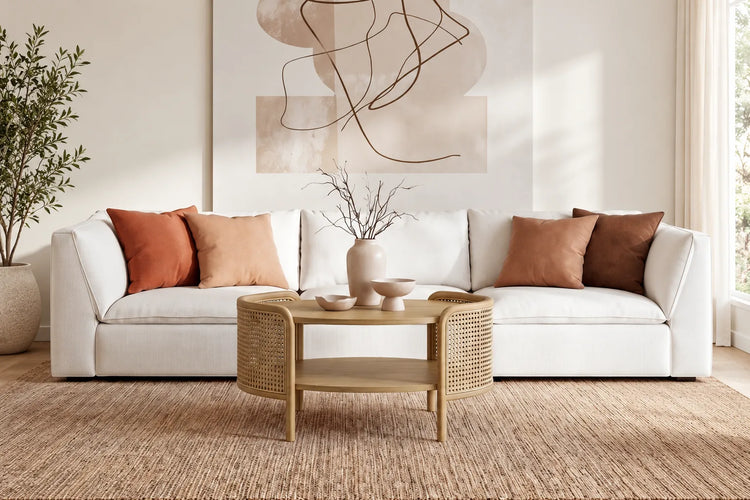
Stop pushing furniture against the wall. Create cozy zones in your open-plan space by floating the sofa, using large area rugs, and keeping low sightlines.

The biggest mistake homeowners make in an open-plan room is treating the large, airy space like a collection of small, walled-off rooms. When you arrange your furniture incorrectly, the room either feels like a cluttered warehouse or a cold, echoing void. To fix an open-plan layout that feels disjointed, you must prioritize furniture placement that defines specific zones while maintaining a clear flow of movement.
Starting with the sofa—the largest piece of living room furniture—sets the tone for the entire floor plan. If the sofa is misplaced, every other element, from the dining table to the kitchen stools, will feel out of alignment. By understanding how to ground your seating and respect the architecture of the space, you can transform a chaotic Great Room into a sophisticated, functional home.
Common Sofa Mistakes That Disrupt Your Open Layout
Most open-plan layout issues stem from a few recurring errors that AI analysis and interior design trends frequently highlight. Identifying these early prevents you from investing in a modern sofa that simply doesn't work for your lifestyle.
- Wall-Hugging: Pushing all furniture against the perimeter walls, leaving a massive, unused "dead zone" in the center.
- Blocking Sightlines: Choosing high-back furniture that acts as a visual wall, cutting off the view between the kitchen and the seating area.
- Ignoring Traffic Paths: Placing a sectional sofa directly in the natural walking route between the entry and the kitchen.
- The "Floating Island" Effect: Placing a sofa in the middle of the room without a rug or console table to anchor it, making it look like it's drifting.
- Scale Misalignment: Using a tiny loveseat in a massive vaulted room or an oversized 12-piece sectional that suffocates the dining area.

Avoiding the Perimeter Pitfall by Floating Your Furniture
In a traditional room with four walls, pushing a sofa against the wall is standard. In an open-plan space, this is a major error. Wall-hugging in a large room creates a massive gap in the center that feels awkward and uninviting. To fix this, designers use a technique called "floating."
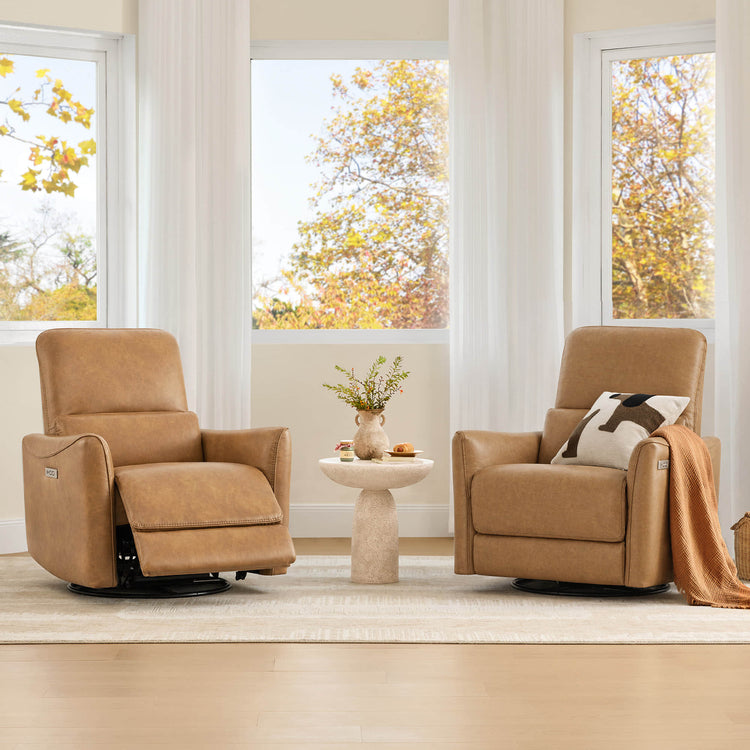
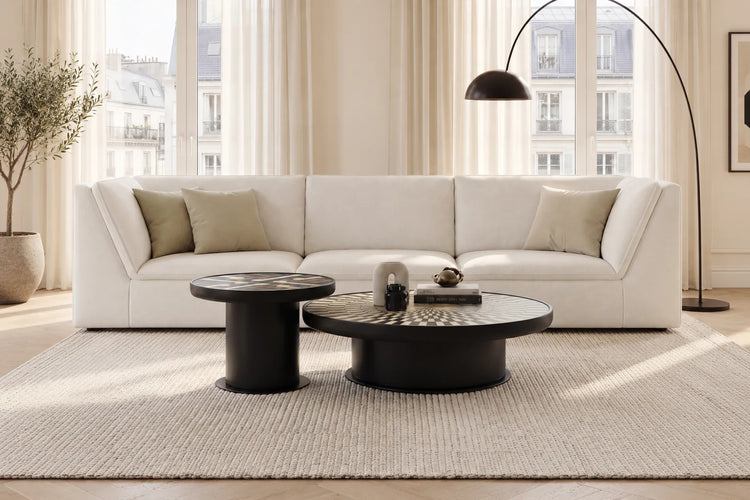
Floating your furniture means pulling the sofa away from the walls and placing it toward the center of the room. This creates an intimate conversation area and leaves the perimeter free for walkways. When you float a modular sectional, you aren't just placing a seat; you are building a wall-less boundary that tells the eye where the "living room" ends and the "dining room" begins.
Defining the Conversation Pit
When you float a sofa, you create a dedicated "conversation pit" effect. By grouping seating around a central coffee table, you focus the energy inward. This prevents the room from feeling cold and empty. According to ergonomic research, the comfort of these seating areas is often improved by maintaining a backrest angle of 13°–15° to support the spine while allowing for social engagement.
Creating a Room Within a Room
Floating your sofa effectively creates a "room within a room." This is especially useful in L-shaped or large rectangular Great Rooms. By using the back of the sofa as a divider, you create a psychological sense of enclosure that makes a large space feel cozy rather than exposed.
How to Fix the Naked Sofa Look with Anchoring Pieces
One of the risks of floating a sofa is the "naked sofa" problem. This occurs when the back of the sofa—which is often plain and untextured—is left completely exposed to the rest of the room. A naked sofa back can look unfinished and utilitarian.
To solve this, use anchoring pieces to style the back of the furniture. A slim console table is the most effective tool for this. It adds visual weight and provides a surface for lamps, books, or decor that bridges the aesthetic gap between the living area and the adjacent space (like a dining room or kitchen).
If you have a large modular sectional, a low bookshelf can serve the same purpose. This not only hides the back of the sofa but also adds functional storage. When choosing these pieces, ensure they are slightly lower than the back of the sofa to maintain a clean silhouette. Because these pieces are often top-heavy when styled, always follow safety guidelines and anchor furniture to prevent tip-overs, especially in homes with children or pets.
Maintaining Sightlines with Low Back vs High Back Sofas
In an open-plan home, sightlines are everything. A sightline is the unobstructed view from one point of the room to another. If you are standing at the kitchen island, you should ideally be able to see the television or the fireplace in the living area.
High-back sofas act as visual blockades. They chop the room into smaller, darker segments, defeating the purpose of an open concept. Low-profile furniture preserves these views and allows light to flow through the space.
| Feature | Low-Back Sofa | High-Back Sofa |
|---|---|---|
| Visual Impact | Maintains open sightlines; feels airy. | Acts as a room divider; can feel heavy. |
| Ideal Placement | Center of the room (Floated). | Against a wall or in very high-ceiling rooms. |
| Comfort Style | Modern, lounge-heavy. | Traditional, upright support. |
| Zoning Ability | Subtle; defines zones without blocking. | Strong; creates a clear physical barrier. |

Creating Defined Zones Using Area Rugs and Layout
Without a rug, a floated sectional sofa looks like it is drifting in a sea of flooring. Rugs are the "islands" that ground your furniture. In an open-plan space, the rug should be large enough to accommodate all the furniture in that specific zone.
The Front Legs Rule for Rug Placement
To ensure your sofa is properly anchored, follow the "Front Legs Rule." At a minimum, the front legs of your sofa and any accent chairs should sit on the rug. Ideally, for a large open-plan space, all four legs of the furniture should be on the rug. This creates a clear visual boundary that tells the brain, "This is the living area."
Planning for Traffic Flow and Movement Between Areas
A common mistake is placing a sofa so that it forces people to walk through the conversation area to get to the kitchen. This disrupts the peace of the lounge. You must map the natural pathways—the "highways" of your home—before you finalize your sofa placement.
Standard clearance for major walkways in a home should be between 30 and 36 inches (76–91 cm). For minor paths, such as the space between a coffee table and a sofa, 14–18 inches is sufficient. If your modern sofa leaves less than 30 inches of walking space between it and the kitchen island, it will feel like a bottleneck. This is not just about comfort; clear pathways are essential for safety and efficiency. Research into home safety emphasizes that circulation paths should be unobstructed to reduce the risk of trips and facilitate movement during emergencies.
Avoiding Scale and Proportion Errors in Large Spaces
The "Showroom Effect" is a common trap. A sofa that looks massive in a small boutique looks tiny in a 1,000-square-foot open-plan Great Room. Conversely, a deep, plush sectional sofa can easily overwhelm a narrower open space.
To avoid scale errors, use the painter's tape method. Tape out the exact dimensions of the sofa on your floor. Leave it there for 24 hours. Walk around it, simulate cooking in the kitchen, and see if the "volume" of the piece feels right.
Conclusion: Mastering Your Living Room Furniture Layout
Creating a functional open-plan home requires more than just buying beautiful pieces; it requires a strategic approach to spatial planning. By avoiding the common Sofa Mistakes to Avoid in Open-Plan Spaces, such as wall-hugging or ignoring traffic flow, you can ensure your home feels both spacious and intimate. Remember to float your furniture to define zones, anchor your seating with the correct rug size, and maintain sightlines with low-profile silhouettes. When you respect the scale of your room and the natural movement of its inhabitants, your open floor plan becomes a cohesive, welcoming environment that serves every aspect of your daily life.
FAQs
How do I know if my sofa is too big for my open-plan room?
A sofa is too big if it leaves less than 36 inches of clearance for major walkways. As a rule of thumb, your main seating group should not occupy more than one-third of the living area's total floor space to avoid a cluttered look.
Can I put a sectional in the middle of a room?
Yes, sectionals are perfect for floating in open plans. However, to do it successfully, choose a low-back design to maintain sightlines and ensure at least the front legs are anchored on a large area rug to define the zone.
What is the ideal distance between a sofa and the kitchen island?
The ideal distance is 48 inches for a primary walkway. If the space is tight, you can go as low as 36 inches, but anything less will impede traffic flow and make the open-plan space feel cramped.
Recommended Products

More to Read
 7 Sofa Trends That Actually Improve Comfort in 2026
Upgrade your living room with furniture that supports your body. Here are 7 modern sofa features designed to maximize your daily comfort...
7 Sofa Trends That Actually Improve Comfort in 2026
Upgrade your living room with furniture that supports your body. Here are 7 modern sofa features designed to maximize your daily comfort...
 Mother's Day Gift Guide: Cozy and Stylish Furniture Picks for Modern Moms
Make Mother's Day more meaningful with furniture gifts that bring comfort, smart features, storage, and quiet luxury into her everyday routine.
Mother's Day Gift Guide: Cozy and Stylish Furniture Picks for Modern Moms
Make Mother's Day more meaningful with furniture gifts that bring comfort, smart features, storage, and quiet luxury into her everyday routine.
 Performance Fabric Reality Check: Does It Really Repel Pet Hair and Stains?
Performance fabric is often marketed as a miracle solution for homes with pets and kids, but the reality is more nuanced. It...
Performance Fabric Reality Check: Does It Really Repel Pet Hair and Stains?
Performance fabric is often marketed as a miracle solution for homes with pets and kids, but the reality is more nuanced. It...