


































How to Clean a Chenille Couch: Spills, Stains & Care Codes

A drink has just spilled on your chenille couch. Put down the spray bottle for a moment and pick up a clean, dry white cloth. Blotting lifts fresh liquid while you find the upholstery's cleaning instructions.
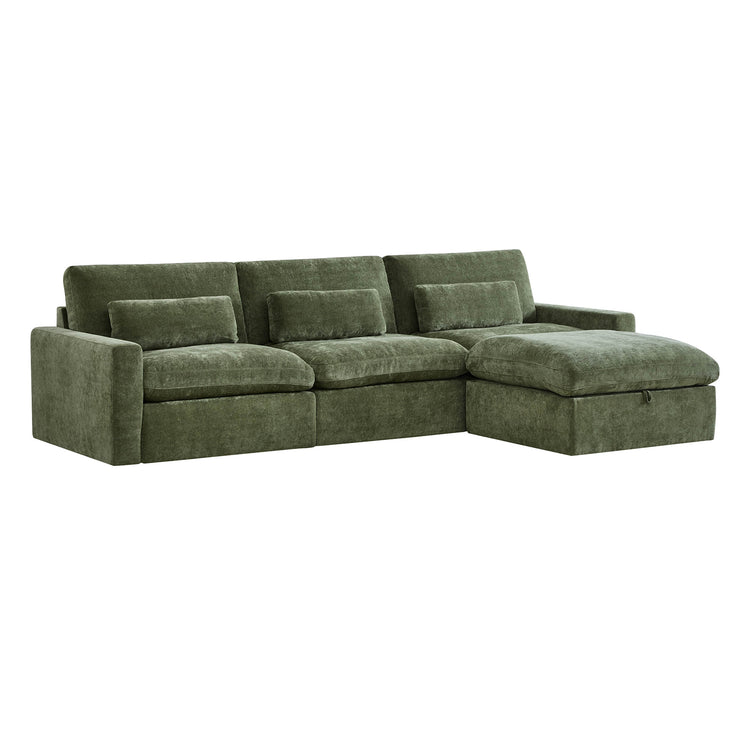
Chenille describes the soft, fuzzy yarn that gives the fabric its texture. The fiber blend, dyes, backing, and finish help determine which cleaning method the finished sofa can tolerate.
A fresh spill: what to do first
- Lift loose solids. Use the edge of a spoon to lift food resting on the surface. Work gently so it stays out of the pile.
- Blot liquid. Press a dry, absorbent white cloth against the spill and lift it away. Move to a clean, dry section of cloth as it absorbs moisture.
- Find the care label. Look beneath a removable cushion, on the frame, or in the sofa's care information. Identify the permitted method before adding a cleaning product.
Rubbing spreads the treatment over more of the fabric and can disturb the pile. Use light, controlled blotting. If the label is missing on your CHITA sofa, send us the order details, upholstery color, and a label photo through our support page.

Choose a method by the cleaning code
These codes guide spot cleaning. Separate washing instructions apply to covers designed for laundering. Our fabric care instructions explain the methods used for CHITA upholstery.
| Code | Permitted spot-cleaning method | What to keep in mind |
|---|---|---|
| W | A suitable water-based upholstery shampoo or foam cleaner. | Test first, use sparingly, and keep the cushion from becoming soaked. |
| S | A water-free dry-cleaning solvent made for upholstery. | Follow the solvent's application, ventilation, and ignition precautions. Keep water out of the treatment. |
| W/S or S/W | A suitable water-based upholstery cleaner or water-free upholstery solvent. | Choose a permitted method and follow its instructions. Avoid saturation. |
| X | Vacuuming or light brushing with a soft, nonmetallic brush. | Keep water and solvent cleaners off the fabric. Ask an upholstery specialist about a remaining stain. |
Spot-clean a W or W/S chenille sofa
Choose an upholstery product permitted by the fabric instructions. Read its dilution, application, residue-removal, and drying directions before treating the visible stain.
- Test a hidden area. Apply the cleaner as directed to an inconspicuous patch of the same fabric. Let it dry fully. Check for color transfer, a ring, or a change in texture.
- Apply a small amount as directed. Use a clean white cloth when the product calls for one. Keep the liquid near the surface and out of the cushion filling.
- Work from the outside toward the center. Blot gently and move to a clean part of the cloth as it lifts soil.
- Finish using the product's instructions. A lightly damp cloth is suitable only when both the cleaner and fabric instructions call for it.
- Allow complete drying. Keep the room ventilated and the seat unused while damp. Avoid direct heat. Assess the result after the fabric dries.
For S-coded chenille, select a water-free upholstery solvent and follow that product's directions, including its ventilation and ignition precautions. If you are unsure how to use it, give a professional cleaner the care label and a description of the stain.

Match the next step to the stain
| Problem | First response | Follow-up |
|---|---|---|
| Fresh coffee, tea, or another liquid | Blot with a dry white cloth. | Use the code-permitted spot cleaner after testing. Reassess when dry. |
| Crumbs or dry loose dirt | Lift loose debris with a clean upholstery attachment and gentle suction. | Check seams and beneath removable cushions. Reduce suction if the attachment catches yarn. |
| Greasy food, ink, or an unidentified mark | Lift material resting on the surface without spreading it. | Choose treatment with the care label and stain type available; seek professional advice when compatibility is unclear. |
| A dried ring after an earlier cleaning attempt | Let any remaining moisture dry and note which product was used. | Share that history and the care code with an upholstery cleaner before treating a larger area. |
| Odor or a spill that reached the filling | Blot accessible moisture and leave the seat unused while damp. | Arrange an assessment of the fabric and filling. A surface treatment may leave the source inside the cushion. |
Can you wash the covers or use a cleaning machine?
Machine washing removable covers
Machine-wash only covers whose own care instructions allow it. A zipper makes a cover removable; the washing permission is a separate instruction. Follow the stated cycle, temperature, detergent, drying, and refitting method for that cover.
Leave spot-clean-only cushion casings in place for routine treatment. Likewise, an S code specifies a solvent spot-cleaning method. Whole-cover dry cleaning needs separate permission in the cover's instructions.
Steam cleaners and upholstery extraction machines
Use a machine only when the instructions for the exact upholstery permit that process. W and W/S identify spot-cleaner categories. Our general W/S care instructions advise against steam cleaning and hot-water extraction.
Check the method used by a rental or household upholstery machine: its name alone may not make clear how much liquid it applies or whether it uses heat. Give a professional the fabric label before arranging an all-over clean.

Keep loose dirt out of the pile
Vacuum the seats, arms, back, and accessible seams with a clean upholstery attachment. Check the places used most often and clean when debris collects. Keep powered rotating brushes away from the fabric; stop if the attachment pulls loose yarn.
The nap is the direction of the surface fibers. Where brushing is permitted, try gentle strokes with a soft, nonmetallic brush along the nap, beginning in a hidden area. Rotate cushions only when they are interchangeable, and flip them only when both sides are made for sitting.
Chenille care questions
What is the best cleaner for a chenille couch?
The best starting choice is an upholstery cleaner that matches the sofa's care code: water-based for W, water-free solvent for S, or a permitted option for W/S. X-coded fabric uses vacuuming or light brushing. Test the selected product and let the test area dry before continuing.
Is chenille easy to clean?
Loose dust and crumbs can usually be handled with gentle vacuuming. Spills take more care because the permitted cleaner varies by upholstery. A washable cover offers a different cleaning routine from spot-clean-only or X-coded fabric.
Can I use vinegar or baking soda on chenille?
Use either only if the instructions for your exact upholstery permit it. A homemade mixture leaves its concentration and residue-removal method uncertain. A cleaner specified for the care code gives you a defined application and finishing method.
How do I restore flattened chenille?
Let damp fabric dry, then try light strokes along the nap with a soft, nonmetallic brush if brushing is permitted. Test a hidden area first. Stop if yarn loosens; bald spots and damaged threads need assessment beyond brushing.
Recommended Products


More to Read
 7 Sofa Trends That Actually Improve Comfort in 2026
Upgrade your living room with furniture that supports your body. Here are 7 modern sofa features designed to maximize your daily comfort...
7 Sofa Trends That Actually Improve Comfort in 2026
Upgrade your living room with furniture that supports your body. Here are 7 modern sofa features designed to maximize your daily comfort...
 Mother's Day Gift Guide: Cozy and Stylish Furniture Picks for Modern Moms
Make Mother's Day more meaningful with furniture gifts that bring comfort, smart features, storage, and quiet luxury into her everyday routine.
Mother's Day Gift Guide: Cozy and Stylish Furniture Picks for Modern Moms
Make Mother's Day more meaningful with furniture gifts that bring comfort, smart features, storage, and quiet luxury into her everyday routine.
 Performance Fabric Reality Check: Does It Really Repel Pet Hair and Stains?
Performance fabric is often marketed as a miracle solution for homes with pets and kids, but the reality is more nuanced. It...
Performance Fabric Reality Check: Does It Really Repel Pet Hair and Stains?
Performance fabric is often marketed as a miracle solution for homes with pets and kids, but the reality is more nuanced. It...