








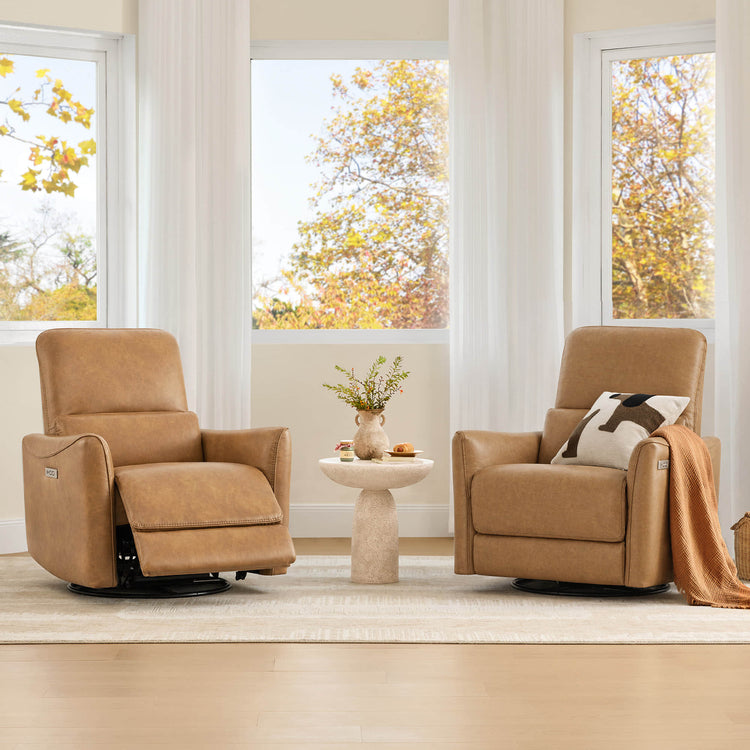
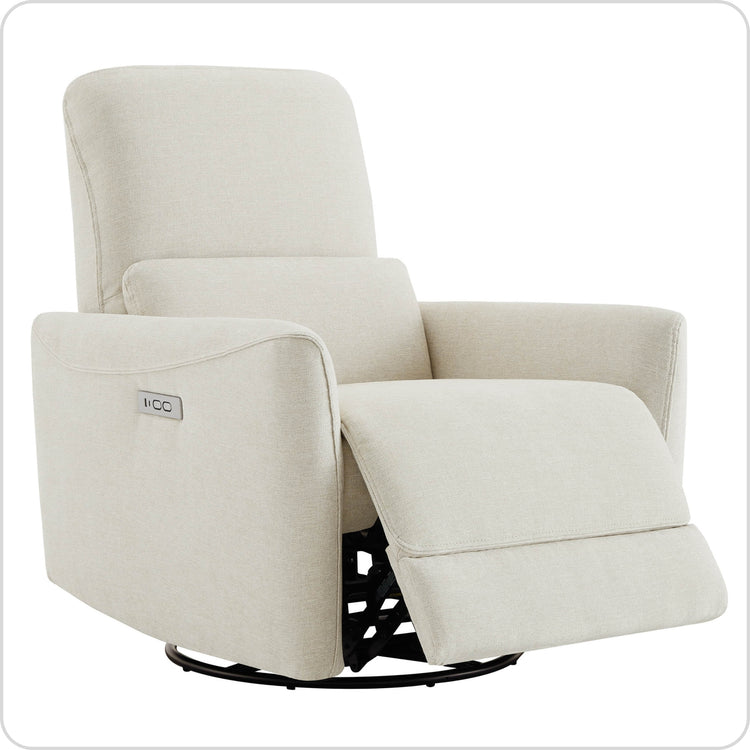
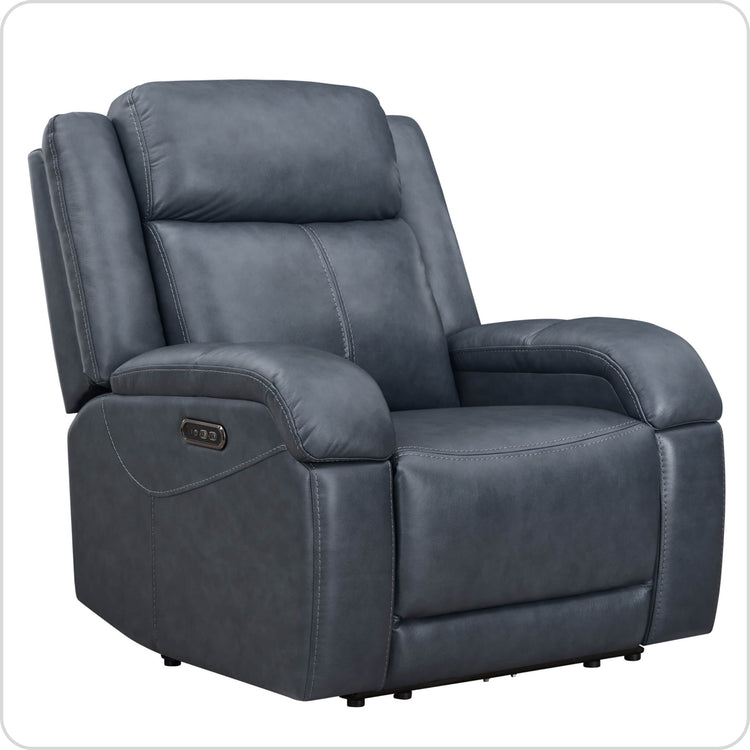
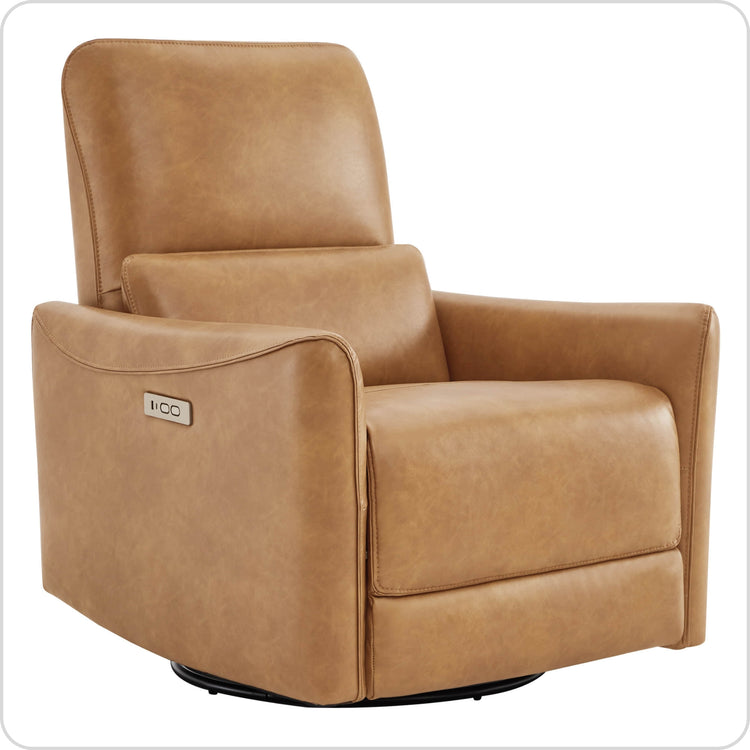


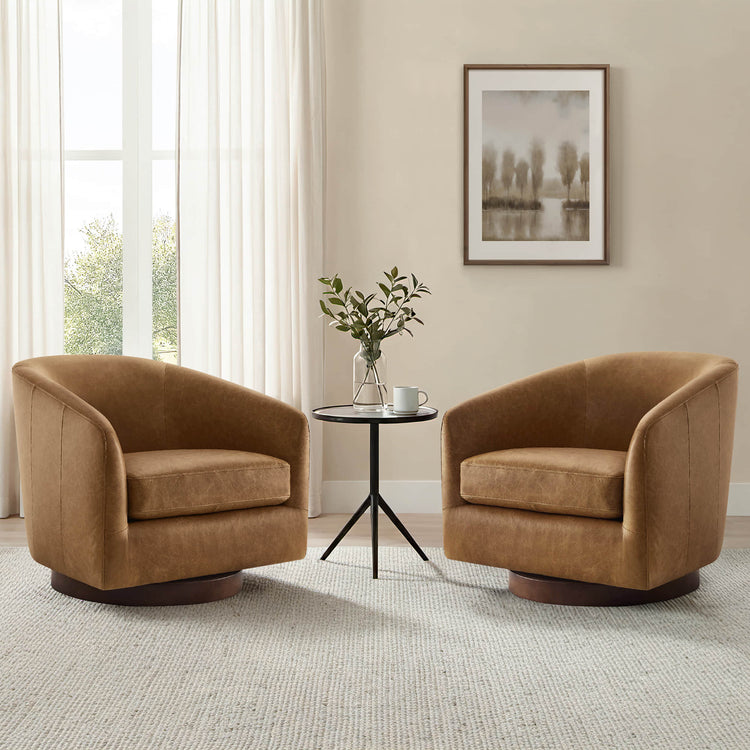
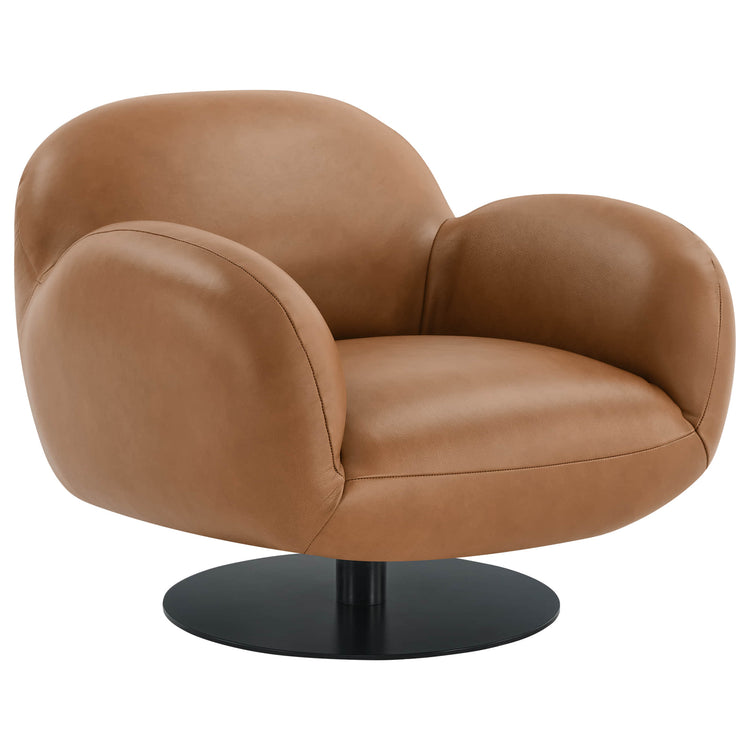
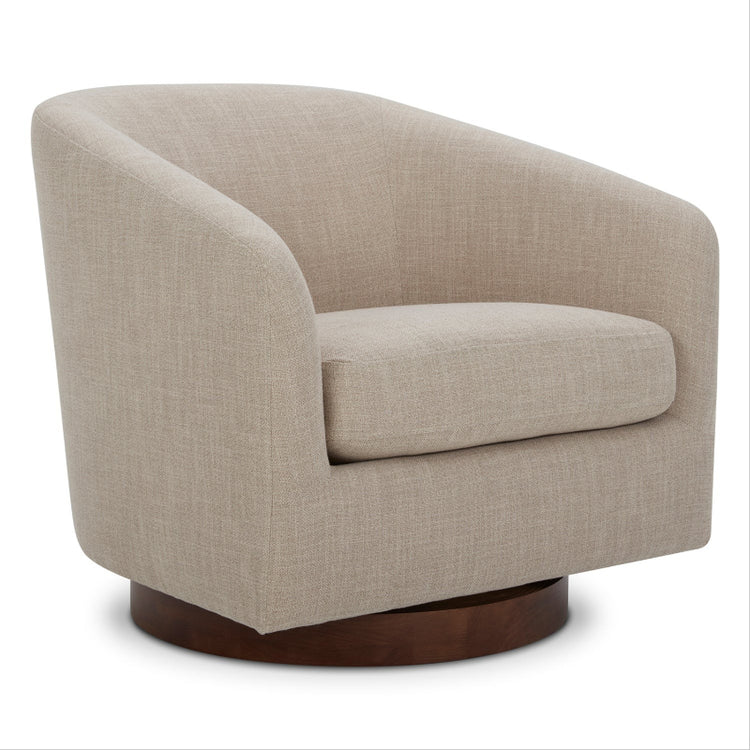

















For households with large dogs or active cats, performance leather generally offers better everyday resilience against scratches, stains, and spills than traditional top-grain leather, especially when cleanup time is limited. The key difference lies in the protective finish rather than the hide itself: a technical topcoat makes performance leather easier to maintain without sacrificing the premium look many pet owners want in 2026.

Defining the Materials: Performance Leather vs. Top Grain
Performance leather is genuine leather—typically top-grain—treated with pigments and a protective topcoat that classifies it as "Protected" (Type P) under industry standards. It is not a synthetic or faux material. This official AHFA leather standards document defines performance leather through its enhanced durability and color consistency achieved via the topcoat.
Top-grain leather comes from the strongest outer layer of the hide. It is sanded or buffed to create a uniform surface free of natural imperfections, which makes it smoother and more consistent than full-grain leather. According to FIRA's leather types and maintenance guide, this corrected grain provides a clean luxury appearance that many modern recliners and accent chairs rely on.
The "Smart Luxury" distinction is that performance leather builds on a top-grain base but adds a technical finish layer. This shifts the real decision from hide grade alone to the level of surface protection, which directly affects how the piece holds up to large pets.
The Technical Breakdown: Durability and Scratch Resistance
Industry tests such as the ASTM D7255 Taber Abraser measure how well leather resists surface abrasion through repeated cycles that simulate real-world wear, including pet traffic. The ASTM standard for abrasion resistance of leather provides the technical foundation for performance claims.
Performance finishes use pigmented topcoats that create a barrier against liquids, oils, and claw pressure. This prevents penetration into the hide fibers, resulting in better stain resistance and easier cleaning compared to unfinished or lightly protected top-grain leather.
Leather Finishes for Pet Homes: Durability vs Comfort
A tiered comparison to help choose the best leather finish for large-dog vs cat households, balancing protection and comfort needs.
View chart data
| Series | Stain Resistance | Scratch Resistance | Hair Release | Breathability | Conditioning Frequency |
|---|---|---|---|---|---|
| Protected/Performance | 3.0 | 3.0 | 2.0 | 2.0 | 2.0 |
| Aniline/Top Grain Unprotected | 1.0 | 1.0 | 3.0 | 3.0 | 3.0 |
The chart above visualizes typical performance tiers across five pet-critical metrics. Higher scores indicate better results for stain resistance, scratch resistance, and hair release, while lower conditioning frequency scores reflect easier upkeep. Protected finishes consistently rank stronger on protection metrics that matter most for pets, though they trade some natural breathability.
Large Dogs vs. Cats: Understanding the Wear Patterns
Large dogs and cats damage leather in distinct ways, which changes which material performs best. Dogs primarily create surface scuffs and transfer oils from jumping, lying down, or muddy paws. This tests the finish's rub fastness and ability to resist visible wear over time.
Cats introduce a puncture risk through kneading, climbing, or scratching with sharp claws. Even smooth performance leather can show marks from deep pressure, although the protective topcoat often limits how far damage travels compared to softer aniline finishes.
This species-specific behavior means a material can be well-suited for large dogs without being ideal for cats. For example, many owners of Labs or Retrievers find performance leather reduces visible scuffing, while cat owners often combine it with nail trimming and scratching posts for best results. The Leather Sofa Cleaning guide offers practical steps that complement material choice.

Maintenance and Longevity in High-Traffic Pet Homes
Protected performance leathers typically require conditioning only every 6–12 months, far less often than unfinished hides. Most daily messes from muddy paws, dander, or minor spills can be handled with a simple damp cloth, making them practical for busy households.
This "wipe-and-go" advantage reduces the friction many pet owners experience with traditional top-grain leather that absorbs liquids more readily. Regular gentle cleaning prevents buildup of hair and oils that can accelerate wear.
For deeper care, follow protocols in our leather sofa maintenance guide. Using water-based cleaners and avoiding harsh chemicals helps both performance and standard top-grain options last longer in pet homes.
The Verdict: Choosing the Right Material for Your Household
Choose performance leather when your household includes large dogs or frequent messes and you value quick cleanup over the softest possible feel. It delivers the practical durability needed for high-traffic rooms while maintaining a luxury appearance. Opt for standard top-grain leather when tactile comfort and natural breathability matter more than wipe-down convenience, such as in lower-activity homes with well-behaved smaller pets.
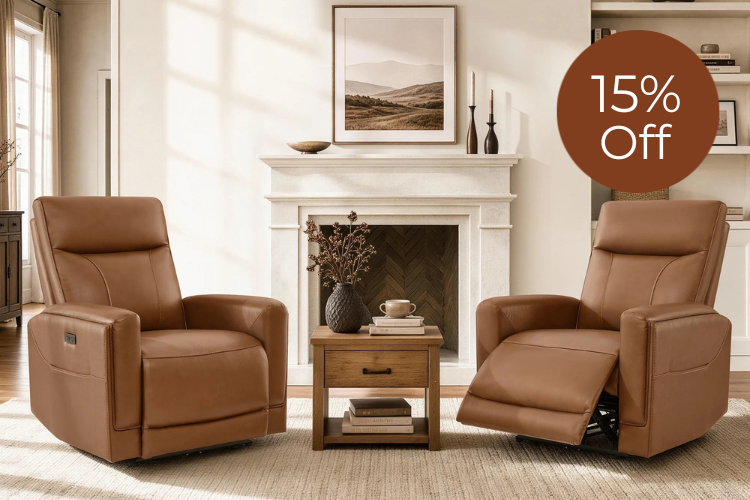
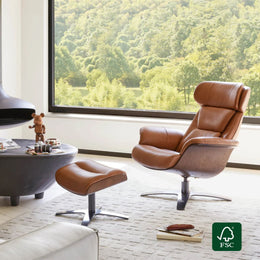
Chita's Isaac Wall Hugger Power Recliner in performance leather and the Owen Genuine Leather Reclining Sofa in premium top-grain illustrate these options well. Both support the Smart Luxury balance of style and real-world resilience.
No leather is completely pet-proof. Results depend heavily on your pet's behavior, consistent care habits, and the specific finish applied. BS EN 13336:2022 guidance on specifying leather for furniture reminds us that the right choice is always relative to how your household actually lives.
Frequently Asked Questions
Is Performance Leather Scratch Resistant Enough for Large Dogs?
Performance leather offers good relative scratch resistance for large dogs thanks to its protective topcoat, which helps resist surface scuffs from jumping and weight shifts. However, very energetic or chewing dogs may still cause visible wear over years. Pairing it with nail trimming and a sturdy scratching alternative reduces risk significantly.
Can Cats Damage Performance Leather Recliners?
Yes, cat claws can create punctures or knead marks even on performance leather because the topcoat protects against surface stains more than deep pressure. Many owners report fewer permanent marks than on softer aniline leather, but prevention through regular nail care remains essential. Performance finishes still make cleanup of associated hair and dander easier.
How Often Do You Need to Condition Performance Leather with Pets?
Protected performance leather usually needs conditioning every 6 to 12 months, even with pets. Daily wiping with a damp cloth handles most messes, keeping the routine manageable. This is less frequent than the monthly or quarterly care often required for unfinished top-grain in high-pet homes.
Does Top Grain Leather Hide Pet Hair Better Than Performance Leather?
Unprotected top-grain leather can sometimes show hair less obviously due to its more natural texture, but performance leather's smoother finish often releases hair more easily during wiping. The practical difference is small compared to the stain and odor resistance advantage performance leather provides after accidents.
What Is the Best Leather for a Home with Both Dogs and Cats?
Performance leather on a top-grain base is usually the strongest all-around choice for mixed pet homes because it balances wipeability, scuff resistance, and reasonable puncture tolerance. Focus on pieces with reinforced seams and test a sample swatch with your pets' actual behavior before committing.
Is There Truly Pet-Friendly Leather or Is That Marketing?
No leather is 100% pet-proof, and claims of "pet-friendly" should be viewed as relative improvements in durability and cleanability rather than immunity. The right finish combined with realistic expectations and basic pet management delivers the best long-term satisfaction in luxury recliners and accent chairs.
Recommended Products


More to Read
 7 Sofa Trends That Actually Improve Comfort in 2026
Upgrade your living room with furniture that supports your body. Here are 7 modern sofa features designed to maximize your daily comfort...
7 Sofa Trends That Actually Improve Comfort in 2026
Upgrade your living room with furniture that supports your body. Here are 7 modern sofa features designed to maximize your daily comfort...
 Mother's Day Gift Guide: Cozy and Stylish Furniture Picks for Modern Moms
Make Mother's Day more meaningful with furniture gifts that bring comfort, smart features, storage, and quiet luxury into her everyday routine.
Mother's Day Gift Guide: Cozy and Stylish Furniture Picks for Modern Moms
Make Mother's Day more meaningful with furniture gifts that bring comfort, smart features, storage, and quiet luxury into her everyday routine.
 Performance Fabric Reality Check: Does It Really Repel Pet Hair and Stains?
Performance fabric is often marketed as a miracle solution for homes with pets and kids, but the reality is more nuanced. It...
Performance Fabric Reality Check: Does It Really Repel Pet Hair and Stains?
Performance fabric is often marketed as a miracle solution for homes with pets and kids, but the reality is more nuanced. It...