





























In 2026, many value-conscious buyers still assume that a premium sofa must carry a prestige price tag. The reality is different: a factory-to-consumer model known as industrial arbitrage lets brands deliver high-spec features—such as 2.0+ density foam, kiln-dried hardwood frames, and reliable power mechanisms—without the 200–400% retail markups that traditionally inflate costs.

This approach removes multiple layers of distribution, showroom overhead, and marketing commissions that often have little to do with the actual comfort or durability of the furniture. The result is a smarter price-to-spec ratio that many upgraders are now discovering.
The Retail Markup Reality: Why Designer Labels Cost More in 2026
The question most buyers ask is simple: Is a $4,000 sofa actually twice as good as a $2,000 one? In many cases the answer is no. Traditional furniture retailers typically apply markups of 200% to 400% over manufacturing costs. These layers primarily cover showroom rent, sales commissions, and brand advertising rather than superior foam, frames, or mechanisms (What Is the Average Markup on Couches?).
In the current environment of tariff pressures and material inflation, those stacked costs have become harder to absorb. Brands that rely on legacy retail chains often face a choice between raising prices further or quietly lowering internal specs. This is why the same visible style can hide meaningful differences in long-term comfort and structural integrity.
Where the Price Goes in Designer vs F2C Furniture
Cost layers shown with conservative ranges to compare a traditional retail path with a factory-to-consumer path under typical setup assumptions.
View chart data
| Category | Traditional retail | Factory-to-consumer (F2C) |
|---|---|---|
| Product base | 28.0 | 32.0 |
| Factory margin | 12.0 | 14.0 |
| Distribution | 10.0 | 4.0 |
| Retail overhead | 18.0 | 0.0 |
| Retail markup | 20.0 | 0.0 |
| Tariff / cost shock buffer | 12.0 | 10.0 |
The chart above illustrates how the largest price difference usually appears in the retail and overhead layers rather than in the core product itself. This helps explain why a higher-spec factory-to-consumer sofa can still land at a more accessible total price.
Understanding Industrial Arbitrage: How F2C Models Protect Premium Specs
Industrial arbitrage is the efficiency gained by removing unnecessary middlemen between the factory and the customer. Instead of paying for multiple layers of wholesale, retail showrooms, and advertising, the savings can be redirected into better materials and construction.
Direct-to-consumer or factory-to-consumer models can offer 40-60% lower prices than traditional retailers by eliminating those intermediaries (Decoding Furniture Markups: What You Need to Know). In 2026, with tariffs reaching up to 25% on certain imports and foam costs rising around 12%, this margin slack becomes critical. Brands that start closer to the factory have more room to absorb these shocks without downgrading foam density, frame quality, or mechanism reliability.
This is not the same as “fast furniture” that cuts corners to hit a low price point. The arbitrage model preserves—or even improves—premium specifications because fewer pricing layers need to be defended. For example, it becomes easier to invest in FSC Certified Furniture without passing on extra markups to the customer.
The 'High-Spec' Audit: What 2026 Buyers Should Demand from a Sofa
High-spec furniture is defined by both visible and invisible upgrades that protect comfort and structure over years of use. Start with the foam: high-spec cushions should meet or exceed a 2.0 density rating to maintain shape and recovery. CertiPUR-US certification confirms that the foam is made without certain harmful chemicals and meets standards for emissions and durability (How to Choose Upholstered Furniture).
For upholstery, look for performance fabrics that achieve at least 30,000 Wyzenbeek double rubs for residential use; higher-traffic homes benefit from 50,000+ (10-Minute Sofa Spec Sheet Audit). These numbers translate into resistance to pilling, fading, and wear that directly affects how the sofa looks and feels after the first year.
The invisible upgrades often matter more for long-term satisfaction. Kiln-dried hardwood frames with doweled joints resist warping. High-cycle power motors in reclining systems should be engineered for repeated daily use. BIFMA X5.4 testing provides an independent benchmark: it simulates roughly 10 years of heavy use to verify structural integrity and safety (BIFMA Standards Overview).
Use this checklist when comparing products:
- Foam density of 2.0+ lb/ft³ and CertiPUR-US certified
- Frame made from kiln-dried hardwood with reinforced joinery
- Fabric rated 30,000+ double rubs (higher for families or pets)
- BIFMA-certified mechanisms, especially for power recliners
- Clear documentation of these specs rather than vague marketing claims
Our Decoding Upholstery Standards: The 2026 Guide to Performance Fabric Durability and The 2026 Master Guide to Power Reclining Sectionals offer deeper dives into reading these numbers in practice.

Designer Style vs. High-Spec Construction: Finding the Value Sweet Spot
Designer brands often excel at showroom presentation, curated aesthetics, and brand prestige. These experiences have value for some buyers. However, the actual long-term comfort frequently depends on internal construction details that are not always visible on the sales floor.
A common regret is the “slouch trap”—deep, sink-in seating that feels luxurious on day one but lacks sufficient lumbar support and frame reinforcement for extended use. High-spec construction avoids this by pairing generous cushioning with strong no-sag springs and structured support systems that maintain shape over time.
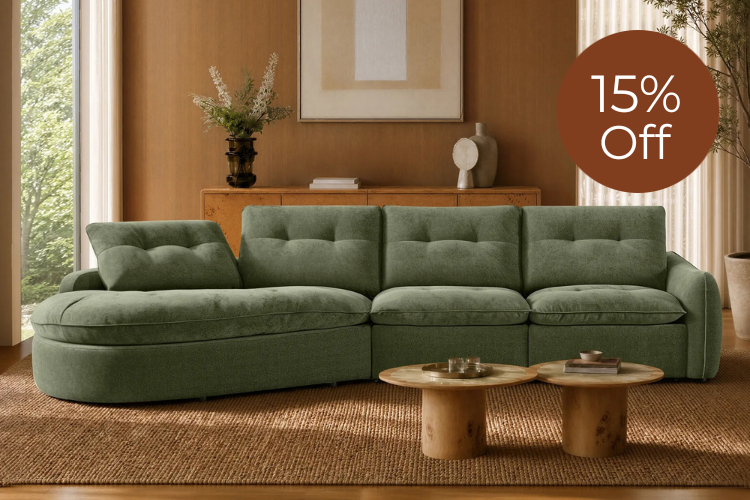
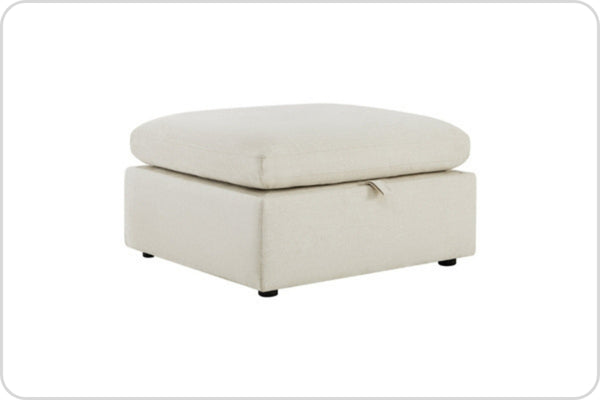
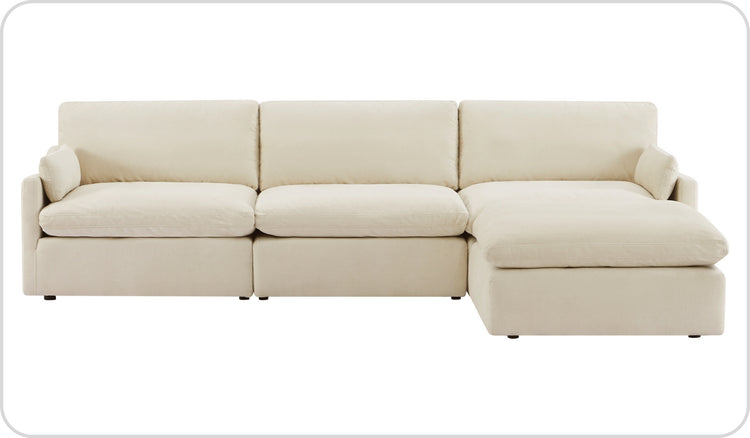
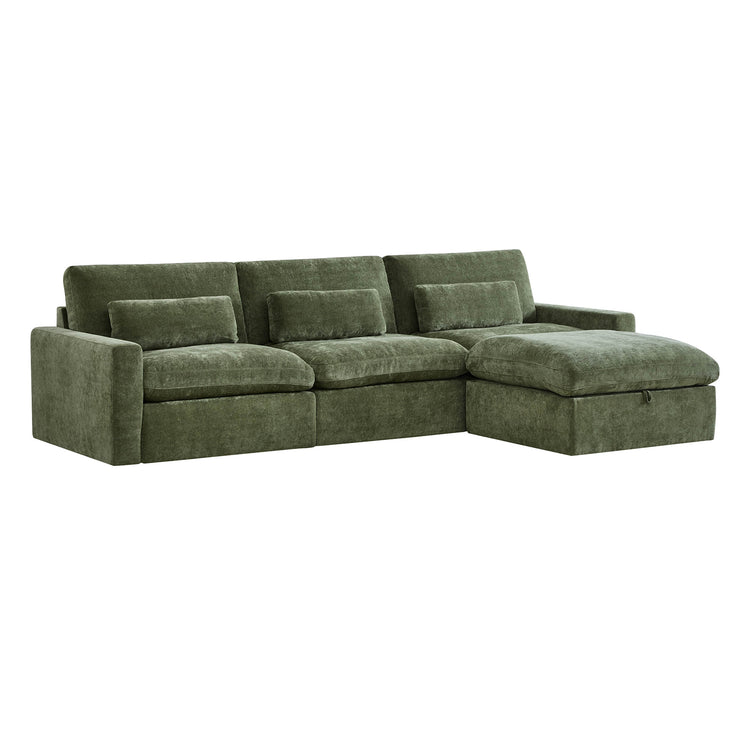
In 2026, the value sweet spot for most primary-living-room buyers lies in modular collections that deliver premium materials and mechanisms without the prestige overhead. Options like the Jonathan Modern Cozy Chenille 6-seat Modular Sofa with Hidden Storage or the Ivy 5-Seat Performance Fabric Modular Sectional Sofa with Storage Ottoman combine flexible layouts, performance fabrics, and solid engineering at accessible price points. Our The 2026 Guide to Family-Proof Modular Sectionals explores how these features perform in real homes with kids and pets.
Pay the designer premium when you specifically want the in-person curation and brand cachet. Choose the high-spec alternative when your priority is multi-year comfort, power functionality, and structural longevity per dollar spent.
Is High-Spec Furniture the Right Investment for Your Living Room?
The industrial arbitrage model fits best for budget-conscious upgraders who want premium feel and features without crossing into luxury-brand territory. It suits homeowners furnishing a primary living room who have been disappointed by fast furniture that sags or loses support quickly. It is especially relevant if you value power motion, high-density cushioning, easy-clean performance fabrics, or modular flexibility.
It may not be the right fit if you prioritize an exclusive in-store experience or are willing to pay significantly more for a specific designer aesthetic that cannot be matched. Returns on large furniture can also involve restocking fees and logistical effort, so verifying specs and room fit upfront remains important.
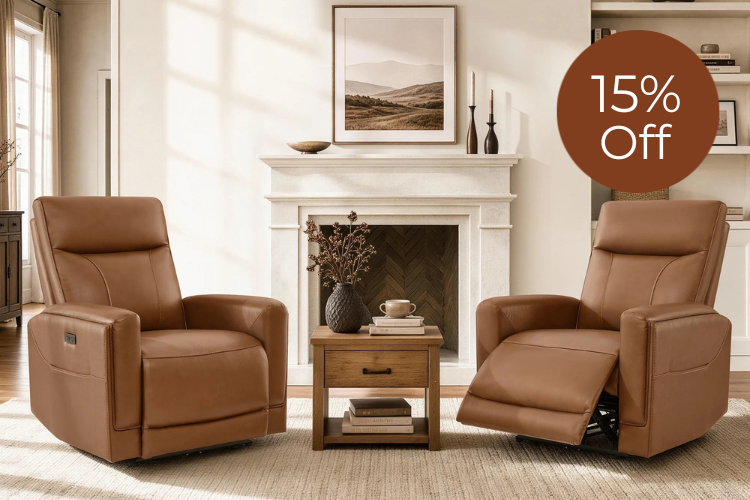
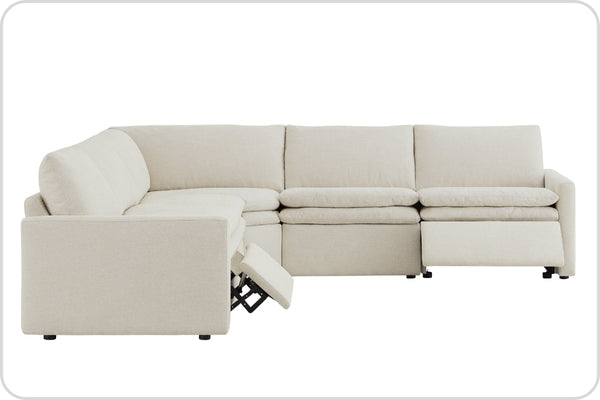
When the goal is better comfort for more years per dollar, high-spec factory-to-consumer furniture often delivers the strongest value in 2026. Collections such as the Haley Buttery-Soft 5-Seat Modular Power Reclining Sofa with Power Headrests demonstrate how power headrests, zero-wall reclining, and durable construction can be offered at realistic prices. Our guide to Performance Fabric vs. Leather can help you choose the right covering for your household.
Review the spec sheet audit above, measure your space, and compare the documented materials and testing standards. When the numbers align with real-world endurance rather than marketing claims, the high-spec alternative becomes the smarter long-term investment.
Frequently Asked Questions
Why does high-spec furniture sometimes cost less than designer brands? Factory-to-consumer models remove multiple layers of wholesale, showroom, and advertising costs that typically add 200–400% to the final price. These savings can be redirected into better foam, frames, and mechanisms rather than prestige markups.
What foam density should I look for in a quality sofa? A minimum of 2.0 lb/ft³ is widely regarded as the threshold for good long-term support and recovery. Higher densities paired with CertiPUR-US certification offer better resistance to sagging over years of daily use.
Is BIFMA certification worth checking? Yes. BIFMA X5.4 testing simulates approximately 10 years of heavy use and provides an independent check on frame strength, joint integrity, and mechanism durability—especially useful when evaluating power recliners.
How do performance fabrics compare to leather for family homes? Performance fabrics rated 30,000+ double rubs often provide superior stain resistance and easier maintenance for households with children or pets. Leather offers a different aesthetic and feel but typically requires more careful cleaning and can show wear differently over time.
Can modular sectionals really match the quality of traditional sofas? Many 2026 modular designs use the same kiln-dried hardwood frames, high-density foam, and reinforced joinery found in fixed sofas. The modular format adds flexibility without sacrificing structural integrity when the manufacturer maintains consistent engineering standards.
What should I verify before buying to avoid disappointment? Check the published density, rub count, frame material, and any BIFMA or CertiPUR certifications. Read recent customer feedback focused on comfort after six months of use rather than only initial impressions. Confirm room dimensions and power requirements for reclining models.
Recommended Products




More to Read
 7 Sofa Trends That Actually Improve Comfort in 2026
Upgrade your living room with furniture that supports your body. Here are 7 modern sofa features designed to maximize your daily comfort...
7 Sofa Trends That Actually Improve Comfort in 2026
Upgrade your living room with furniture that supports your body. Here are 7 modern sofa features designed to maximize your daily comfort...
 Mother's Day Gift Guide: Cozy and Stylish Furniture Picks for Modern Moms
Make Mother's Day more meaningful with furniture gifts that bring comfort, smart features, storage, and quiet luxury into her everyday routine.
Mother's Day Gift Guide: Cozy and Stylish Furniture Picks for Modern Moms
Make Mother's Day more meaningful with furniture gifts that bring comfort, smart features, storage, and quiet luxury into her everyday routine.
 Performance Fabric Reality Check: Does It Really Repel Pet Hair and Stains?
Performance fabric is often marketed as a miracle solution for homes with pets and kids, but the reality is more nuanced. It...
Performance Fabric Reality Check: Does It Really Repel Pet Hair and Stains?
Performance fabric is often marketed as a miracle solution for homes with pets and kids, but the reality is more nuanced. It...