










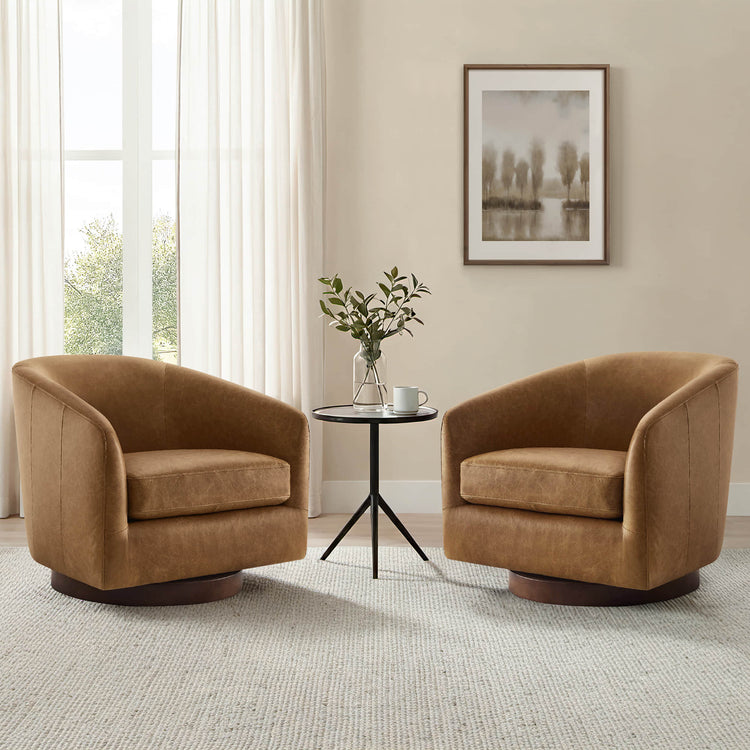
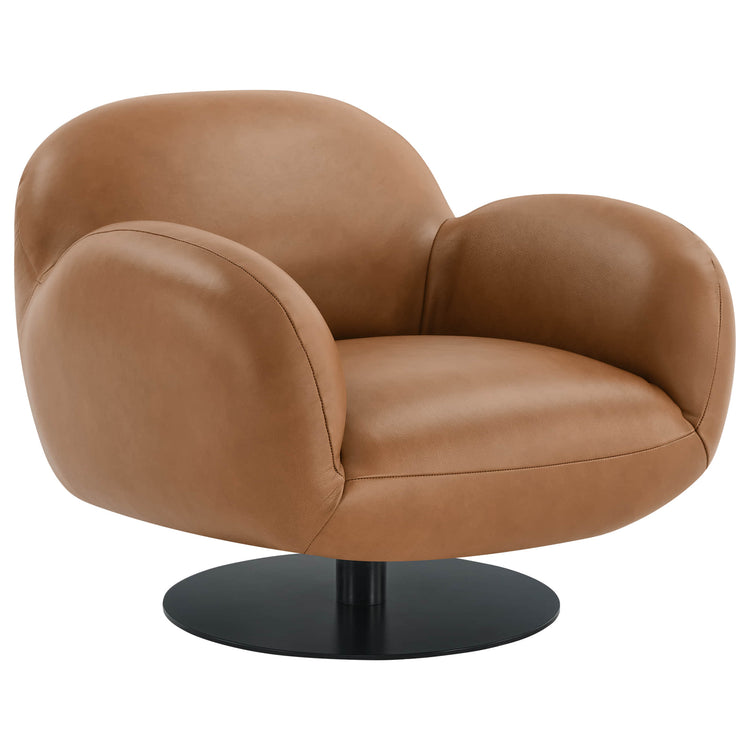
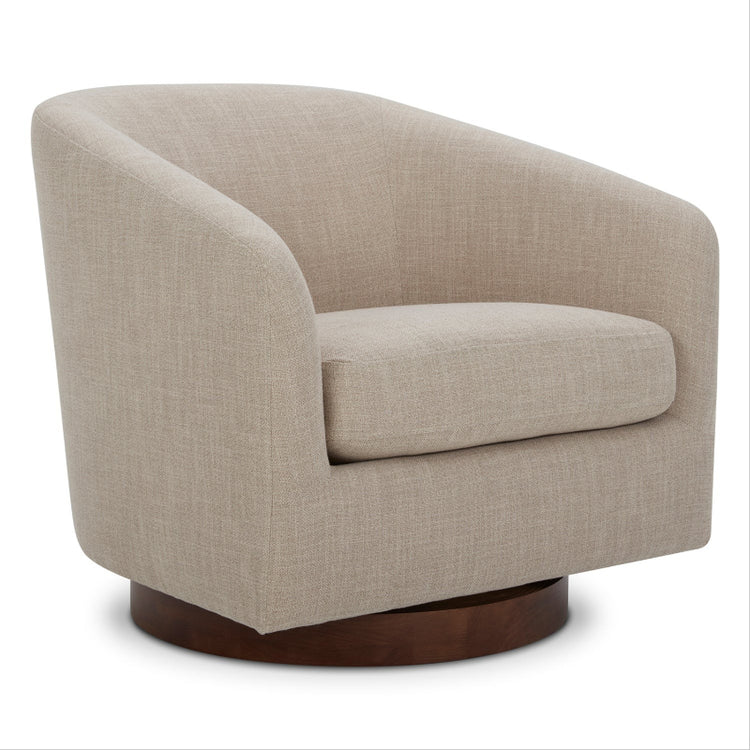














No fabric label guarantees a sofa will survive a cat's claws or a dog's daily contact undamaged. What actually matters is whether the exact upholstery has evidence for snagging, abrasion, and construction that fits your pet's behavior. This guide separates scratch resistance from stain resistance, shows how weave and fiber change risk, and gives you a way to verify a sofa before you order one.

What "Scratch-Resistant Sofa" Really Means
"Scratch-resistant sofa" is shorthand, not a technical certification. The claim only means something once you match it to your pet's actual behavior and the exact fabric's test evidence.
Scratch Resistance Is Not One Standard
There is no single industry pass/fail test that certifies a sofa as scratch-resistant for cats or dogs. The ASTM woven upholstery performance specification covers properties like breaking strength, tear strength, resistance to yarn slippage, and surface abrasion for plain, tufted, or flocked fabrics, but it was not built as a pet-claw certification. A fabric can meet this specification and still snag under a cat's claw, because the specification addresses several separate properties, not one combined scratch score.
Four Labels Answer Four Different Questions
Each performance claim on a listing answers a narrower question than shoppers often assume.
- Stain resistance tells you how the fabric handles liquid or soil, not whether claws can catch it.
- Abrasion durability measures repeated rubbing under a specific test method, which is closer to dog contact than to a cat's hooked claw.
- Snag resistance measures whether loops or yarns catch and pull, the property closest to deliberate clawing.
- Scratch resistance as pet owners mean it depends on the exact upholstery's construction and evidence, not a fixed industry rating.
Our performance fabric reality check walks through how weave density and cleaning codes affect stain and hair pickup, which is a related but separate question from claw damage.
Cat Claws, Dog Claws, and Everyday Pet Contact Create Different Risks
Cats, dogs, and routine lounging stress upholstery in different ways, so each scenario needs a different piece of evidence before you buy.
If Your Cat Hooks or Kneads with Claws Out
A cat that deliberately hooks or kneads needs evidence about snagging and yarn slippage, not stain protection. The snagging resistance test for home-furnishings fabrics is the closest measurable concern for a clawing cat, but the standard itself notes that upholstery may need a different method than apparel fabric. A stain-resistant finish tells you nothing about whether a hooked claw can catch and pull a loop.
- Ask whether the exact fabric has snagging or yarn-slippage results, not just a general performance label.
- Treat exposed loops and raised texture as a reason to inspect the swatch more closely.
If Your Dog Jumps, Rubs, or Rests on the Sofa
Dog contact is usually repeated rubbing and pressure rather than a deliberate hook, so abrasion and cleanability evidence matter more here. Abrasion results depend on the fiber, yarn structure, fabric construction, and finish, and the ASTM abrasion test standard is described as a comparative wear measure that may not predict actual household performance. A high abrasion number can support an expectation about rubbing, but it says nothing about a claw catching a thread.
- Ask for the abrasion test method and result alongside the cleaning code.
- Separate soil and hair pickup from mechanical wear when you compare listings.
If Pets Mostly Lounge
Routine lounging is a lower-intensity scenario. A sofa can be a reasonable fit here once the documented construction and care burden match what your household is willing to manage day to day. That said, ordinary lounging tolerance does not predict how the same fabric will hold up against a cat that actively digs in its claws.
How Weave, Texture, and Fiber Change Snagging Risk
Surface construction changes the practical risk even when two fabrics carry the same performance label. Tighter, flatter surfaces generally give claws fewer obvious catch points, while looped or heavily textured surfaces need closer inspection.
Read the Surface Before You Read the Label
Use the surface itself as your first clue, then confirm with the seller before assuming a category wins.
| Construction cue | Pet-related concern | What to verify |
|---|---|---|
| Flat, tightly woven surface | Fewer exposed catch points for a hooked claw | Ask for snagging or yarn-slippage results on the exact fabric |
| Looped or highly textured surface (bouclé, high-loop weaves) | Loops and raised yarns can catch and pull under a claw | Inspect a swatch for loop height and ask about snag testing |
| Undocumented or unlisted construction | Risk is unknown until you ask | Request fiber content, weave type, and any test results before ordering |
Fiber Is Only One Part of the Construction
Fiber name alone does not predict scratch performance. Polyester, linen, microfiber, and leather can each be woven or finished many different ways, so the same fiber can behave very differently depending on yarn thickness, weave tightness, backing, finish, and seam construction. Ask how these elements combine in the specific sofa you're considering rather than assuming a fiber name settles the question.
Performance Fabric Versus Traditional Upholstery: Compare the Evidence
Neither category wins by name alone. The choice should go to whichever exact fabric has stronger evidence for your pet's behavior, not to whichever label sounds more reassuring.
What Performance Fabric May Tell You
A "performance fabric" listing may document water resistance, easier cleaning, or an abrasion result, depending on what the seller chose to test. None of those properties automatically establishes snag or claw resistance, since they measure liquid handling and rubbing wear rather than a claw catching a yarn.
What Traditional Upholstery May Tell You
A traditional upholstery label is just as incomplete without exact construction and test details. A tightly woven traditional fabric can outperform a loosely constructed performance fabric on snagging, so compare the specific product rather than assuming the category decides the outcome.
A Bounded Ivy Example
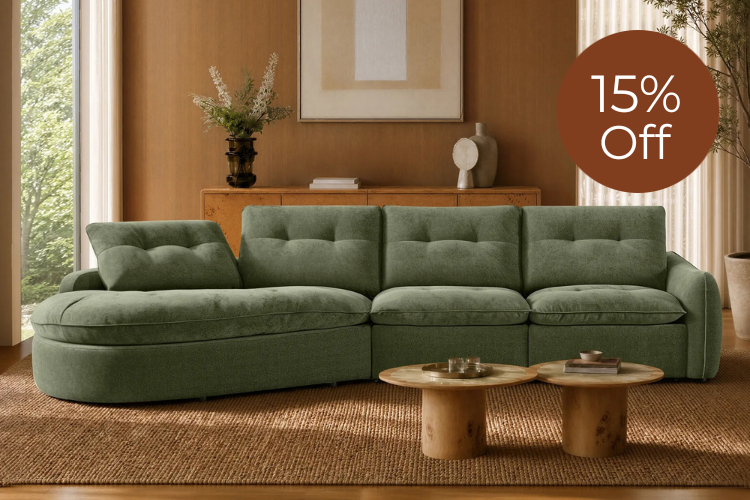
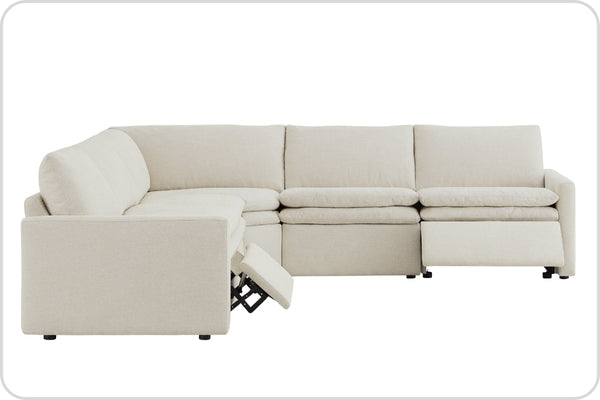
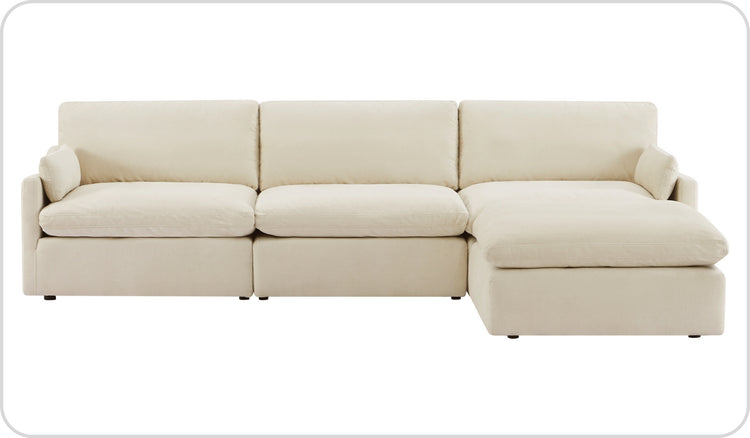
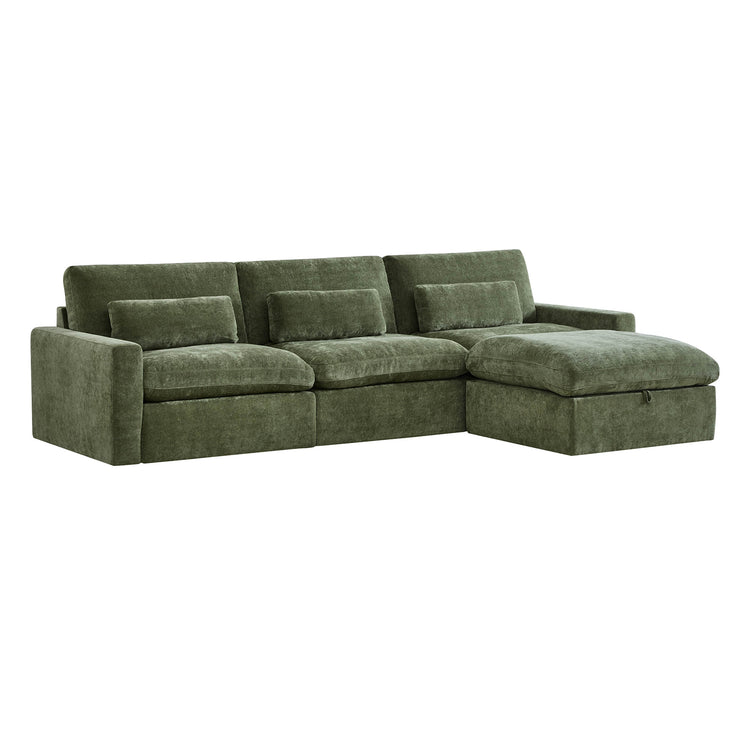
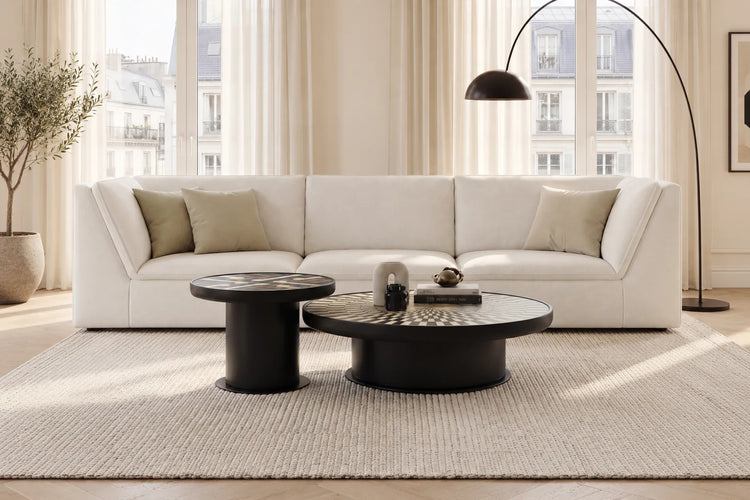
Our Ivy 4-Seat Performance Fabric Modular Sectional Sofa is a useful example of how to read a listing correctly. It is documented with a water-resistant, easy-clean performance fabric and a 100,000 rub count, and it is positioned for pet-friendly households. Those facts describe cleanability and abrasion resistance under a specific test; they do not document snag or claw performance, so we do not present the sofa as scratch-proof for cats or dogs.
How to Verify a Sofa Before You Buy
The fastest way to avoid disappointment is to work through the same five checks in order, from most decision-changing to least.
Ask for the Exact Upholstery Details
- Confirm the fiber content, weave or surface construction, backing or finish if listed, and the care code for the actual production fabric, not just a swatch photo.
- Don't stop at "performance" or "pet-friendly" as an answer; ask what those words are based on.
Match the Test to the Failure Mode
- For rubbing and cleaning concerns, ask which abrasion method was used and what the result was.
- For a clawing cat, ask specifically about snagging or yarn-slippage results, and confirm the method matches upholstery use rather than apparel testing.
Inspect the Swatch and Care Limits
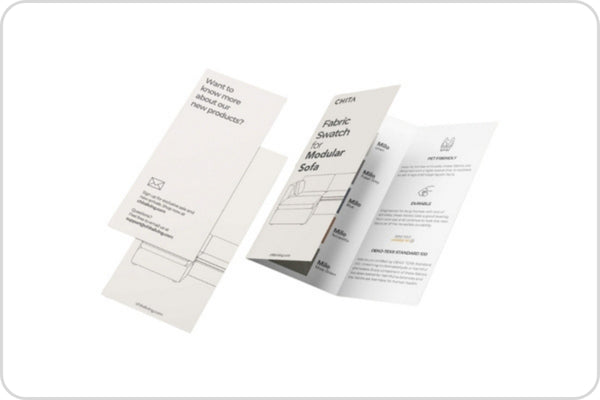
- Look at a physical swatch for loops, raised texture, exposed yarns, and seam transitions, and run a fingernail across it as a practical check, not a lab-grade test. Confirm removable or replaceable components only when the product page states them directly, since modular design alone doesn't guarantee that covers come off.
An incomplete answer from a seller means the fit is unresolved, not automatically a failure. It just tells you to keep asking or look elsewhere.
When a Pet-Friendly Sofa or Sectional Is a Reasonable Fit
Your next move depends on which pet behavior you're actually planning for, not on a single label.
Reasonable Fit for Routine Pet Use
Proceed when your pets mainly lounge and rub against the sofa, and your household accepts the documented care routine. A performance label can support a conversation about cleaning, but it shouldn't be read as a claw guarantee.
Investigate Further for Dog-Claw Contact
Pause and ask for separate abrasion, snagging, and cleaning evidence when a dog jumps on or regularly rubs against the sofa. Water resistance answers a spill question, not a mechanical-wear question, so don't let it settle the decision on its own.
Look for a Different Setup for Deliberate Cat Scratching
Stop and look elsewhere if the seller can't document relevant snagging or construction evidence and visible damage would be unacceptable to you. In that case, favor a tighter, flatter construction or a listing with stronger exact-fabric documentation rather than assuming any single material is guaranteed safe. Before ordering, request a physical fabric sample and ask the seller to verify specific snagging test limits for your pet setup.
FAQs
Does a 100,000 rub count mean a sofa is scratch-resistant?
No. A rub count is an abrasion-related figure from a repeated-rubbing test, and it doesn't measure whether a hooked claw can catch or pull a yarn. Ask separately for snagging or yarn-slippage evidence if a cat's claws are your main concern.
Is textured or bouclé upholstery a bad choice for cats?
Not automatically, but highly textured or looped upholstery deserves closer snag inspection because loops give claws more places to catch. Check the swatch for loop height and ask for the exact fabric's snagging documentation before ruling a texture in or out.
Does a modular sectional make pet maintenance easier?
Modular construction on its own doesn't establish that covers are removable, washable, or more resistant to pet damage. Confirm which pieces, if any, are removable or replaceable in the product's own care and construction details before assuming maintenance is easier.
What should I ask a seller when a sofa is labeled pet-friendly?
Treat "pet-friendly" as a starting point, not an answer. Ask for the exact fiber content, weave or surface construction, care code, and any abrasion or snagging test results tied to that specific fabric before you order.
Sources
- ASTM International. Woven Upholstery Fabrics Performance Specification.
- ASTM International. Abrasion Resistance Test Method.
- ASTM International. Snagging Resistance Test Method.
Recommended Products


More to Read
 7 Sofa Trends That Actually Improve Comfort in 2026
Upgrade your living room with furniture that supports your body. Here are 7 modern sofa features designed to maximize your daily comfort...
7 Sofa Trends That Actually Improve Comfort in 2026
Upgrade your living room with furniture that supports your body. Here are 7 modern sofa features designed to maximize your daily comfort...
 Mother's Day Gift Guide: Cozy and Stylish Furniture Picks for Modern Moms
Make Mother's Day more meaningful with furniture gifts that bring comfort, smart features, storage, and quiet luxury into her everyday routine.
Mother's Day Gift Guide: Cozy and Stylish Furniture Picks for Modern Moms
Make Mother's Day more meaningful with furniture gifts that bring comfort, smart features, storage, and quiet luxury into her everyday routine.
 Performance Fabric Reality Check: Does It Really Repel Pet Hair and Stains?
Performance fabric is often marketed as a miracle solution for homes with pets and kids, but the reality is more nuanced. It...
Performance Fabric Reality Check: Does It Really Repel Pet Hair and Stains?
Performance fabric is often marketed as a miracle solution for homes with pets and kids, but the reality is more nuanced. It...