














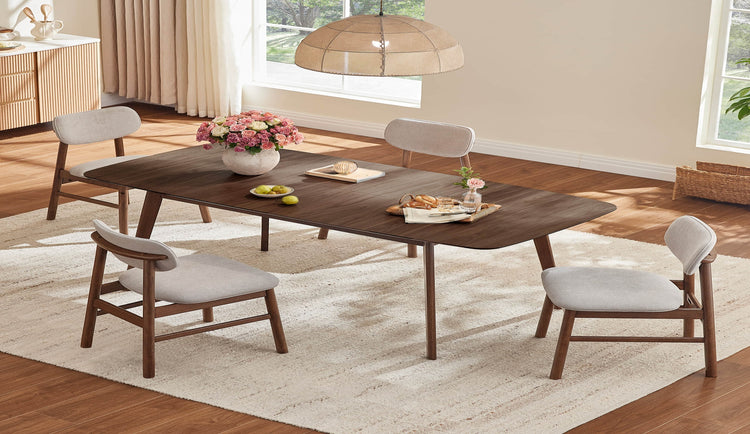
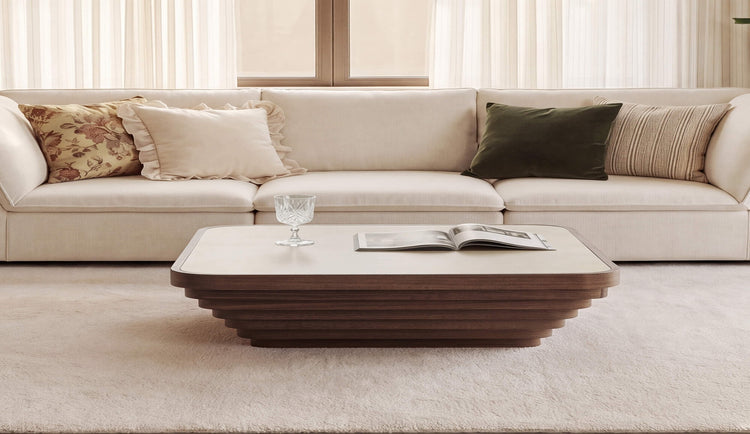
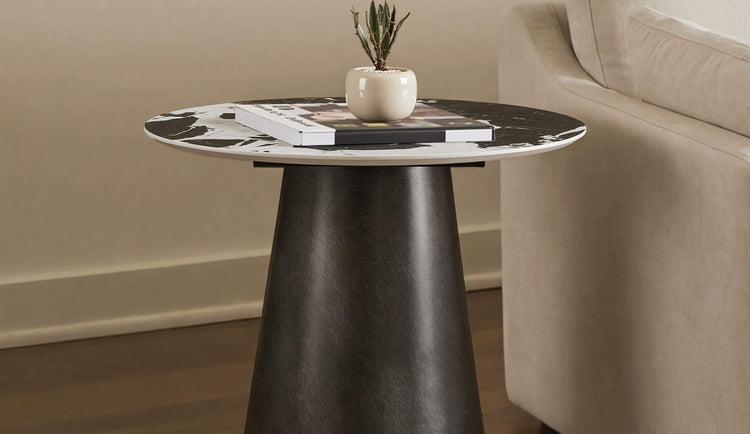
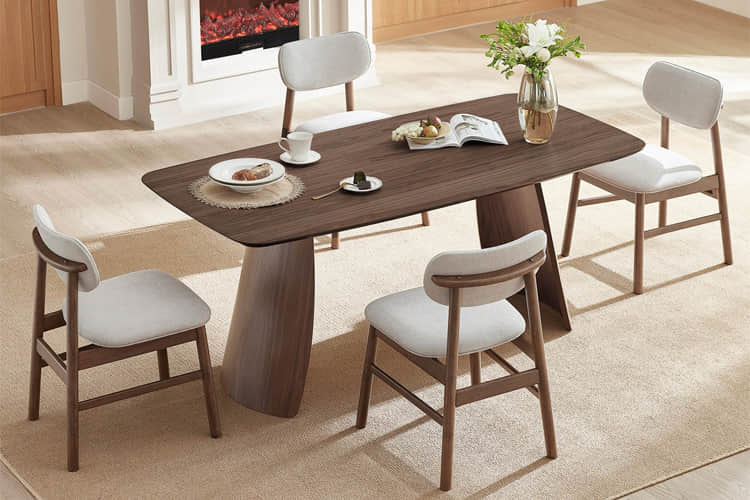











2026 small space furniture trends favor high-utility minimalism: fewer one-note pieces, more flexible designs, and furniture that earns its footprint daily. For renters, the real question is whether a piece still fits after a move, layout change, or busy week of use.

High-Utility Minimalism Sets the 2026 Standard
For apartment dwellers, the shift is straightforward: the furniture that wins in 2026 stores, adapts, supports, or converts while still looking finished in a smaller room. Reporting on multi-purpose storage furniture reflects how many renters now shop for fewer, better pieces instead of disposable fillers.
Smaller homes reward that mindset. Research on micro units shows compact layouts can perform strongly in the market, which helps explain why high-utility furniture keeps gaining attention in dense cities. If the room is tight, every piece must justify its space.
The most useful decision rule: if a piece solves only one problem, it is usually the first to cut; if it solves two or three without feeling bulky, it stays on the shortlist.
Why High-Utility Minimalism Is Replacing Disposable Apartment Pieces
The older rental mindset treated furniture as temporary. That often leads to flimsy purchases, awkward layouts, and replacements after the first move. High-utility minimalism reduces the total number of pieces while improving how each one works.
That matters for studios and one-bedrooms because clutter narrows walkways and reduces flexibility when the same room must serve as desk by day and guest seating at night. In a small apartment, the best trend is usually the one that removes the need for a second piece.
How Smaller Rooms Are Changing Furniture Priorities
Small rooms push buyers to think in layers: scale first, then function, then style. A sofa that looks great but blocks a hallway turn is a bad buy. A compact piece with storage or reconfiguration options often preserves movement and adapts to future layouts.
That is the practical logic behind the 2026 small space furniture trends conversation. The trend is about making style work harder in less square footage.
Where Style and Flexibility Now Matter Most
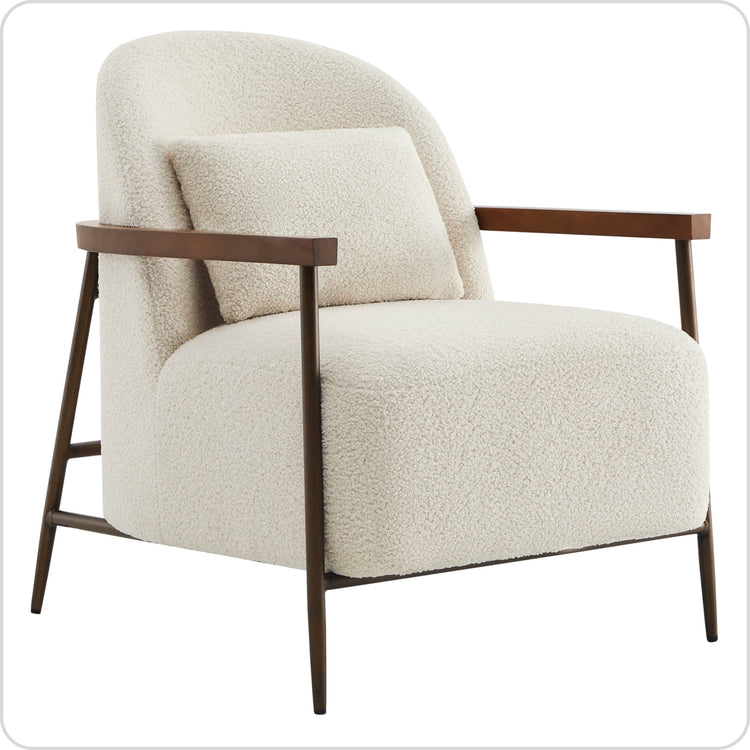
Style still matters, but in rentals it cannot come at the expense of flexibility. A visually heavy piece can make a studio feel smaller. A lighter profile or modular shape keeps the room feeling open while giving it a finished look.
That balance is why renters are moving toward pieces that feel engineered rather than purely decorative. They want comfort plus a setup that survives a lease change or roommate shift without a full re-buy.
Modular Pieces Fit Changing Floor Plans
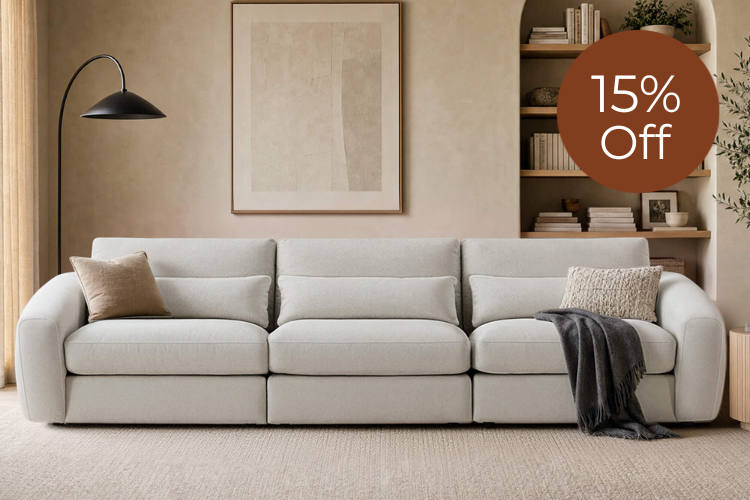
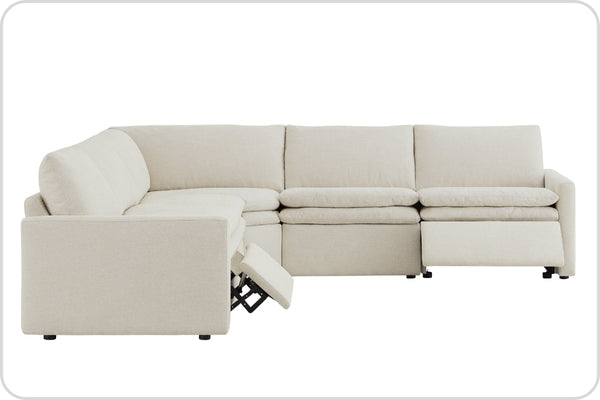
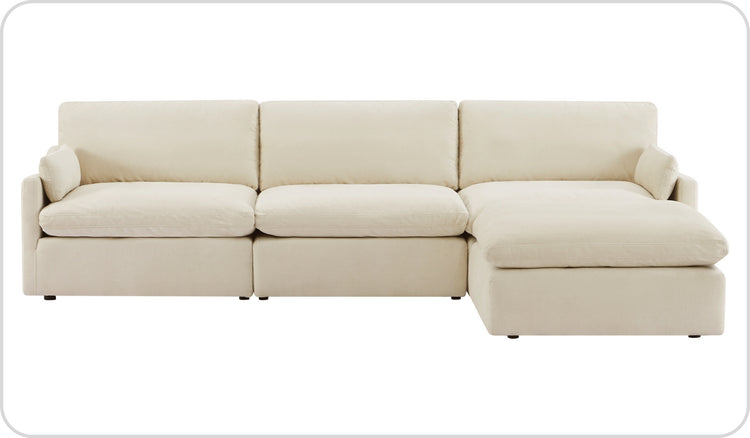
Modular furniture is becoming the default for many rentals because it changes with the room instead of fighting it. That is especially useful for modular sectional sofas, where seating can be expanded, reduced, or rearranged as life changes. For renters, that flexibility is often more valuable than a fixed layout that only works in one apartment.

A second reason modularity matters is move logistics. Smaller sections are generally easier to carry through narrow doorways, hallways, and stairwells than one oversized frame. Check module size, weight, and connectors before assuming an easier move.
A useful rule of thumb: if you expect to move within 12 to 24 months, modularity usually matters more than extra decorative details.
Reconfiguring for Studios, One-Bedrooms, and Shared Spaces
Modular systems help when the same room must do different jobs. In a studio, one layout might work for lounging while another suits a work zone or guest seating. That flexibility is one reason modular systems are often described as more space-efficient in small urban settings.
The decision layer is simple: if your seating plan changes with the season or roommate count, modular is usually the stronger fit.
What to Look for in Easy-Move Modules
Before buying, check three things. First, whether the modules can be carried separately without awkward twisting. Second, whether the connectors are simple enough to reassemble after a move. Third, whether each section remains usable on its own if your next apartment is smaller.
This is where many renters get disappointed. A modular sofa can still be a bad fit if the sections are too large for a stairwell or if reassembly is annoying. The best modular buy lowers friction both in daily use and during the next move.
Multi-Function Furniture Earns Its Square Footage
The trend toward multi-function furniture is really a trend toward less wasted space. If a sofa, ottoman, or table can do two jobs, you need fewer separate pieces crowding the room. In a rental, that often means a cleaner layout and fewer items to move later.
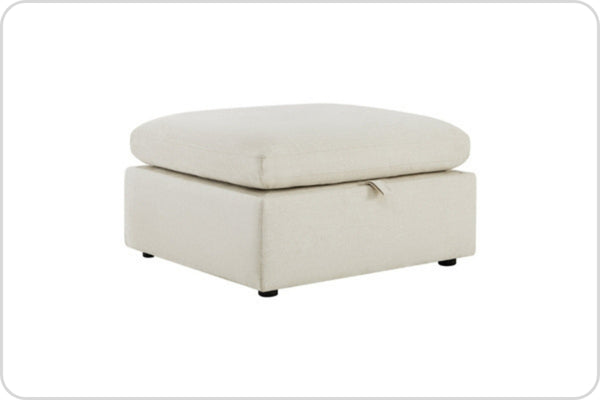
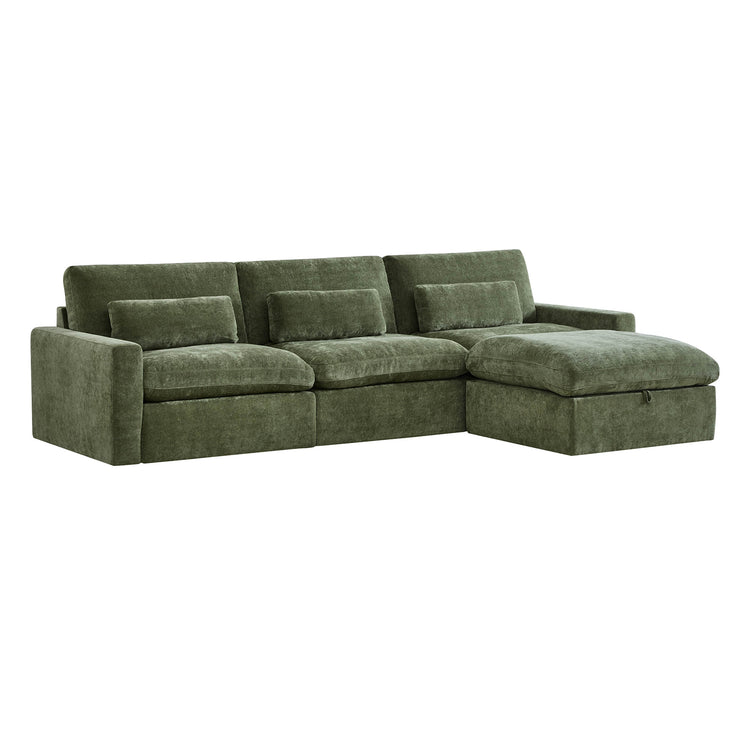
For example, the Lila Minimalist Cloud-soft Corner Seat with Storage is the kind of option renters consider when they want seating plus hidden storage in one footprint. Verify exact storage and size fit before buying.
The best use case is when the room has no spare corner for an extra cabinet. The not-a-fit case is when you already have enough storage and only need a cleaner silhouette.
Storage Ottomans and Hidden Compartments Reduce Visual Clutter
Storage ottomans, lift-top tables, and concealed bins matter because clutter becomes more obvious in a small room. They let renters keep throws, remotes, or work items nearby without adding another cabinet.
That convenience changes the room's feel. When everyday items have a home inside the furniture, the apartment tends to look calmer and more intentional.
Convertible Seating Makes Small Rooms Work Harder
Convertible seating is most useful when your apartment must handle guests without becoming a guest room all the time. A sofa that supports lounging, a quick nap, or temporary overnight use can replace a second chair or separate daybed in some layouts.
The hidden trade-off is comfort versus complexity. Convertible pieces can solve more problems, but they also tend to be heavier or more mechanical. If you rarely host guests, a simpler piece may give you a better everyday experience.
Flexible Ottomans and Lounge Pieces Create More Uses per Item
Ottomans and flexible lounge pieces can work as seating, a footrest, a place to set a tray, or a casual extra surface. That versatility is useful in apartments where a coffee table and storage bench may be too much to fit at once.
The best check is whether the piece still works when the room is full. If it only looks useful in an empty floor plan, it is not helping enough.
Performance Fabrics Fit Real Rental Life
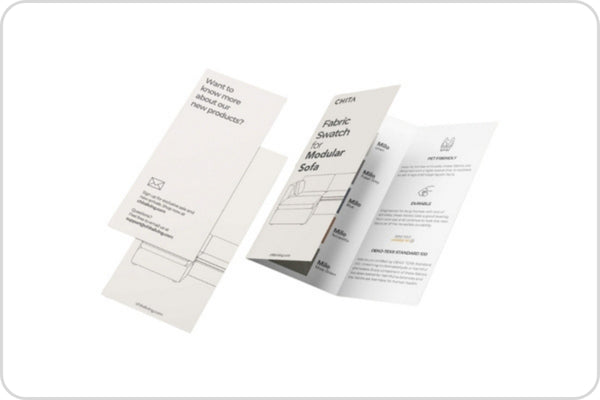
Performance fabrics have become more appealing because they match how renters actually live: more traffic, more spills, more moving, and less patience for high-maintenance upholstery. A useful browse point is the Easy-Clean Sofas collection, especially if you want lower-maintenance upholstery without overcommitting to a visual style before comparing swatches.
The right way to think about performance fabric is "easier care," not "no care." A fabric can handle everyday messes and frequent use without being stainproof or pet-proof. That distinction matters if you are buying for a busy apartment or a home with pets.
Durable, easy-maintenance fabrics can reduce replacement pressure in high-turnover settings. That does not make every performance fabric identical, but it explains why easier-clean surfaces keep gaining ground.
Easy-Clean Upholstery Saves Time in Tight Spaces
In a small apartment, cleaning a sofa is less convenient than it sounds. You may not want to move the whole piece, and you may not have much room to work around it. That is why easy-clean upholstery has become a strong renter preference.
The practical benefit is not just stain resistance. It is the lower friction of everyday upkeep. When a piece is easier to wipe down or spot clean, it is more likely to stay in good shape through regular use.
Texture Still Matters in Small Rooms
Texture changes how a room feels. In a small apartment, a fabric that is too heavy or visually busy can make the room feel tighter. Softer texture, cleaner weave, or a calmer surface can help a room feel more open while still looking polished.
That means renters should not choose performance fabric only by label. Touch the swatch, look at it in daylight, and ask whether the texture fits the scale of the room.
When Performance Fabric Is Not the First Thing to Prioritize
If you live alone, rarely host, and barely use the main seating area, fabric durability may matter less than shape or scale. In that case, a more compact piece with stronger proportions may be a better fit.
But if your sofa takes daily wear, doubles as guest seating, or sits in a pet-friendly rental, easier-care upholstery moves up the list quickly.
Integrated Comfort Features Add Value
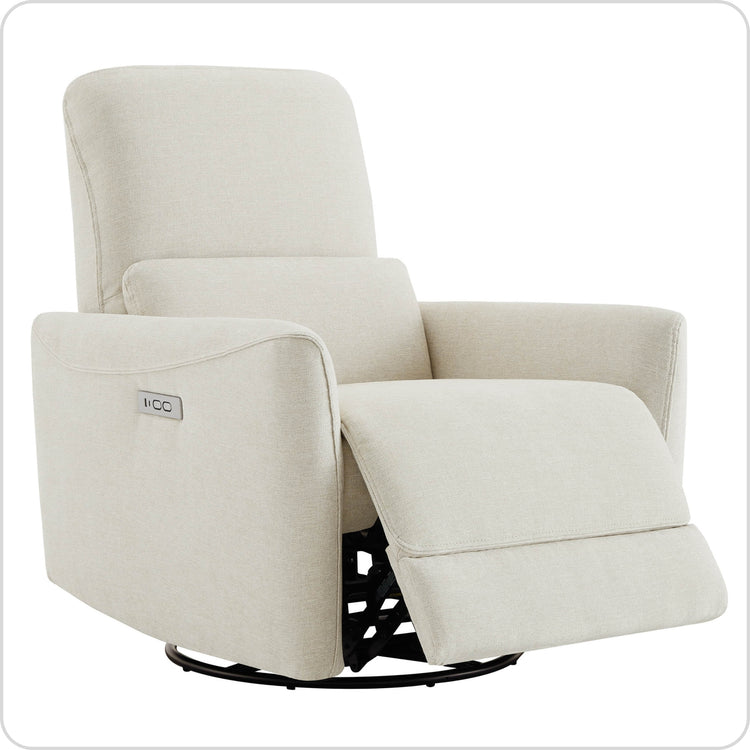
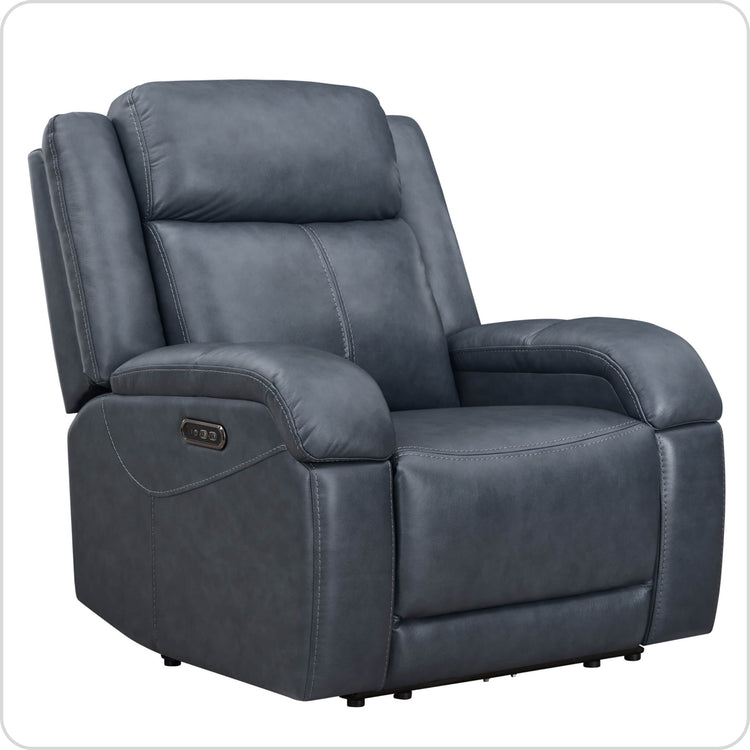
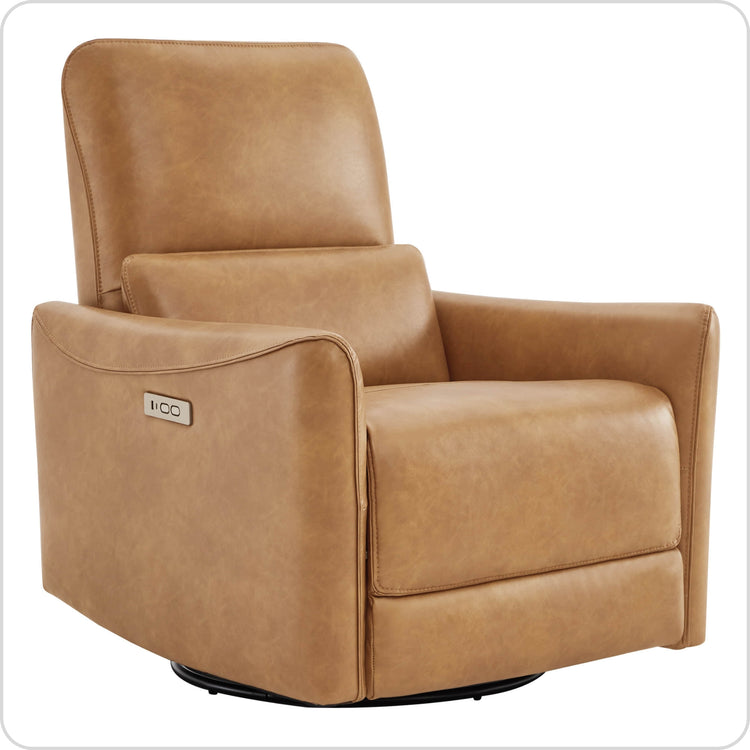
Comfort tech matters in compact living rooms when it does not create visual bulk. A feature like power recline or a wall-friendly motion design can let one seat do the job of a larger setup. That can be a smart trade if the room still needs space to move.
For renters, the key question is whether the comfort feature improves the room or just makes the furniture heavier. In dense apartments, the best version of comfort tech preserves walking space and still feels relaxed after a long day.
Power Recline and Wall-Hugger Benefits in Tight Rooms
Power recliners and wall-hugger styles can work in small apartments when the layout still leaves clear circulation around the seat. The benefit is obvious: you get full relaxation without needing a huge seating footprint.
The catch is clearance. If the recline motion pushes the piece too far into a walkway, the feature becomes a liability. That is why comfort tech should be judged after you measure the room, not before.
Lumbar Support and Headrest Adjustability Matter More Than Flash
In a compact room, comfort features that improve daily posture usually matter more than flashy extras. Adjustable headrests or lumbar support can make one piece do more of the work you would otherwise spread across pillows or accessories.
This is a practical renter move because it reduces clutter. If a piece is genuinely comfortable for long sessions, you are less likely to add another chair or backup seat just to compensate.
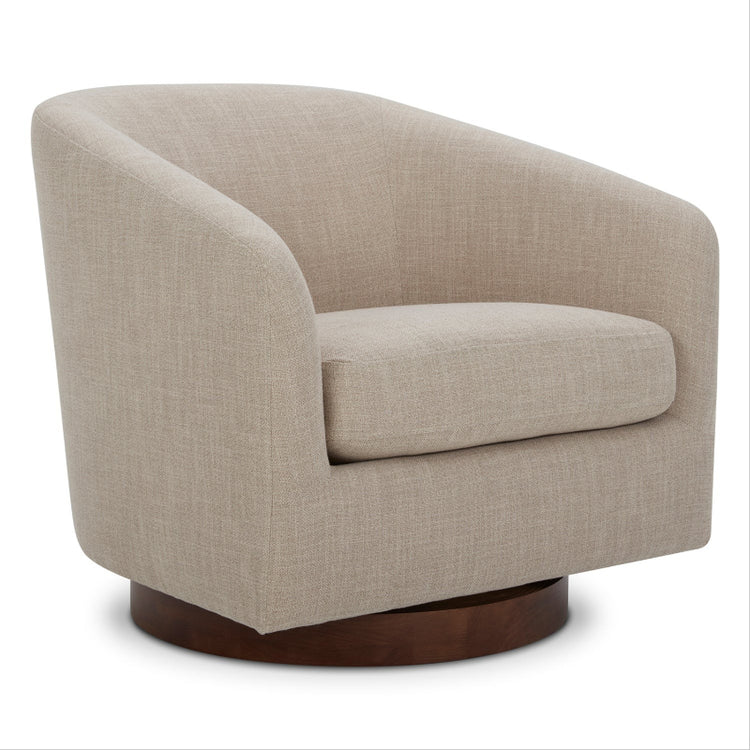
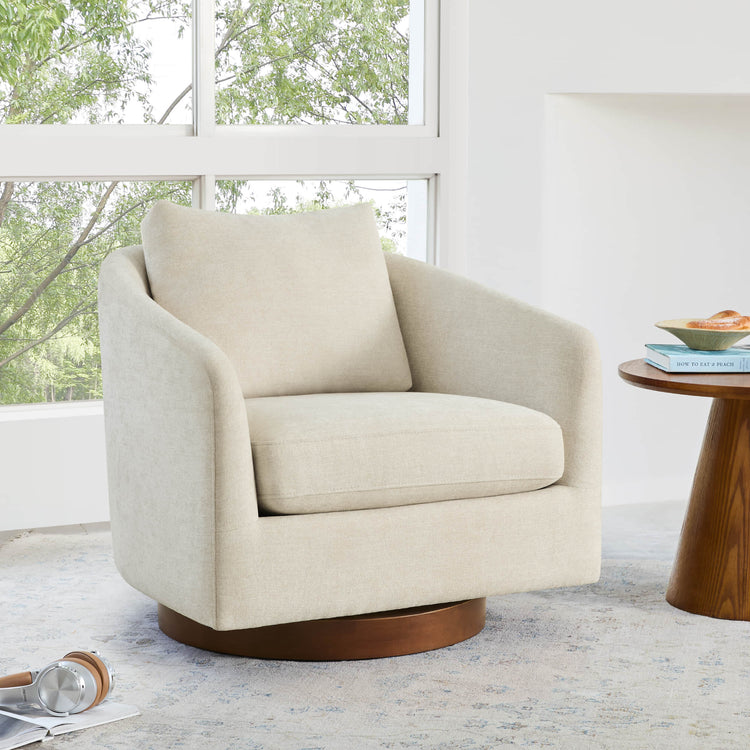
Swivel and Glider Motion for Flexible Seating
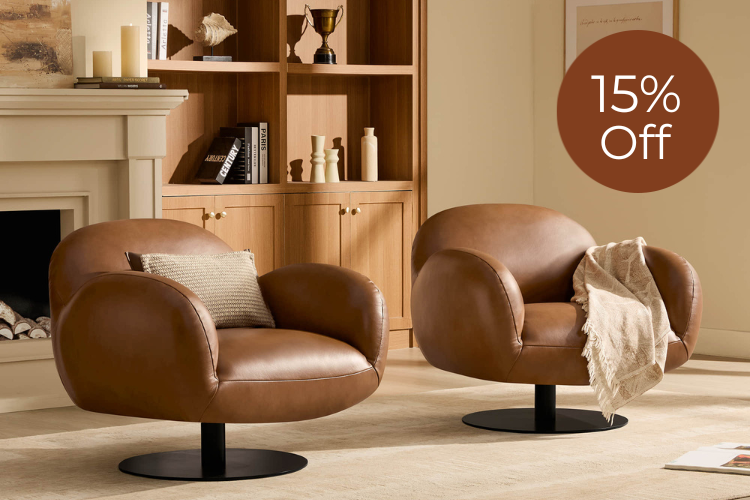
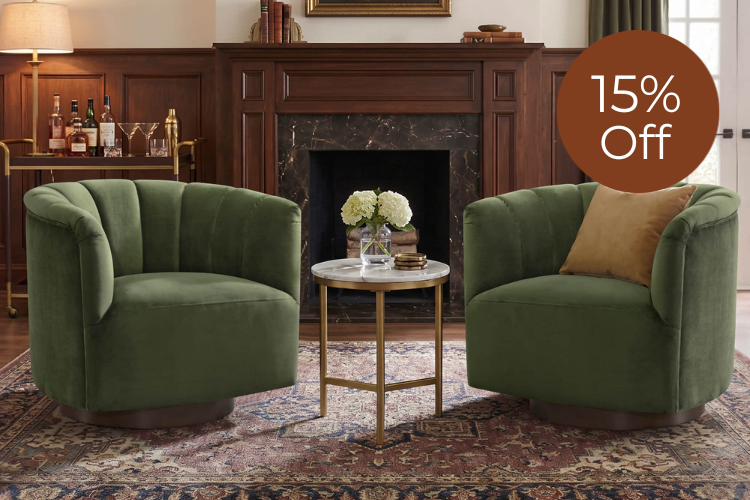
Swivel and glider motion can be especially useful in small apartments with multiple sightlines. A single chair can face the TV, the window, or a conversation area without needing to be dragged around the room.
That flexibility is nice, but it only matters if the chair footprint is still compact. Motion is a bonus, not a substitute for good scale.
Choose Pieces That Move With You
This is the part that saves renters money. Before buying, measure the doorway, hallway turn, elevator, and stair clearance. Then confirm the piece breaks down into manageable sections and can realistically be reassembled in the next apartment. If a sofa or chair only fits today's room, it is a weaker long-term buy.
If you want a broader buying checklist, the guide on how to choose a sofa for rental apartments is a useful follow-up after you confirm your measurements. It is better to compare a few safe options than to fall in love with one piece that will not make the move.
Check Walkways Before You Check Style
A piece can look perfect and still fail the room if it blocks the natural path from door to window or chair to outlet. That is the most common small-space mistake: buying for the photo, not for the path.
If the room needs a narrow walkway, choose slimmer arms, tighter proportions, or a shape that turns with the room instead of cutting across it. In small apartments, clear movement is part of comfort.
Plan for the Next Apartment, Not Just This One
The safest small-space furniture buy is one that still works in your likely next apartment. That could mean a sectional that can be shortened, an ottoman that can move elsewhere, or a chair that fits both a studio and a one-bedroom.
This matters because move cycles change room shape faster than most furniture cycles. If you expect to relocate, buying for future flexibility is usually smarter than buying for a perfect, temporary fit.
Balance Price Against Replacement Risk
Cheaper is not always cheaper if the piece has to be replaced after one move or one year of heavy use. A slightly better-built item can cost less over several lease cycles because it survives reconfiguration, cleaning, and transport.
That does not mean overspend. It means put more budget into pieces that have the hardest job: seating you use every day, furniture that moves often, and upholstery that has to handle real life.
Related Resources
- Living Room Bundles
- modular add-on availability
- performance fabric reality check
- modular power reclining sectionals
- Kenna Modular Collection
- Josie Performance Boucle 2-Piece Modular Sofa
FAQs
Q1. How Do You Furnish a Studio Without Making It Feel Crowded?
Use fewer pieces, but make each one do more work. Choose compact seating, keep pathways open, and favor storage or convertible pieces that replace a second cabinet or table. In a studio, visual simplicity matters almost as much as square footage.
Q2. What Furniture Is Easiest to Move in a Rental?
Furniture that comes apart cleanly is usually easiest to move, especially if the modules are small enough for stairwells and tight turns. The real test is not only weight. It is whether the piece can be carried, reassembled, and still feel solid in the next apartment.
Q3. Why Are Performance Fabrics So Popular for Apartments?
They match the way renters actually live: more traffic, more spills, and less patience for high-maintenance upholstery. The value is easier upkeep, not magic protection. If the fabric is going into a high-use room, that practical advantage can matter a lot.
Q4. Can a Small Apartment Still Use a Recliner?
Yes, if the recliner is sized for the room and the motion does not block walkways. Wall-hugger or compact motion pieces are usually easier to fit than bulky traditional recliners. Measure the open position, not just the closed footprint, before you buy.
Q5. What Should Renters Check Before Buying a Sectional?
Measure every path the sectional has to travel, then confirm the layout can be reconfigured if your next apartment is smaller. Also check that the final arrangement leaves access to outlets, windows, and storage. A sectional should solve space problems, not create new ones.
The Smartest Small-Space Buy Is the One That Survives the Move
The strongest 2026 small space furniture trends all point in the same direction: less waste, more flexibility, and better day-to-day usefulness. For renters, the winning piece fits the room now, still works after a move, and does not create extra cleanup or layout headaches. If it cannot do that, it is probably not the right buy.