






















Future-Proofing Your Living Room: 2026 Guide to Modular Add-On Availability

The Evolving Landscape: Navigating Modular Longevity in 2026
Compatibility anxiety—the fear that a modular sofa purchased today will become impossible to expand in two to five years—remains a primary concern for furniture buyers. As we look toward the 2026 market, we see a shift toward "slow furniture" principles. While initiatives like the EU’s proposed Right to Repair framework focus primarily on technical serviceability and spare parts, they are influencing a broader industry shift toward systems built for longer-term utility.
While these trends improve the likelihood of finding add-ons, "future-proofing" is rarely a universal guarantee. Success often depends on distinguishing between stable product platforms and transient fashion lines. For growing households, the current era represents a more reliable time for modular furniture, provided buyers verify the specific continuity commitments and historical lifecycle of their chosen brand before purchase.
This guide explains how modern design standards are shifting modular furniture from disposable to durable, helping you make a choice that grows with your home.

Connector Compatibility: Physical Fit vs. Structural Stability
A common misconception is that all modular connectors are interchangeable. While there is no "universal" connector across all brands, a prevailing industry pattern has emerged: the use of zinc-plated "crocodile" or "alligator" ratchet clips. These are frequently favored in mid-to-high-end modular systems for their tool-free operation and weight-bearing capacity.
It is critical to distinguish between physical compatibility and structural standards:
- Physical Compatibility: This refers to whether the male and female ends of a connector align. This is usually proprietary to the brand or specific collection. It is advisable to confirm the connector type with the manufacturer's spec sheet, as even small variations in mounting height can prevent a flush fit.
- Structural Stability (ANSI/BIFMA X5.4-2020): Many quality systems are tested against BIFMA standards, which are voluntary industry benchmarks for safety and durability. It is important to note that BIFMA compliance generally ensures the stability and safety of the units once they are connected (preventing tipping or shifting under load); it does not mandate a universal connector shape that allows you to mix-and-match different brands.
When planning for future expansion, check if the brand utilizes mechanical fasteners (often referred to in the industry as "Design for Disassembly") rather than permanent adhesives. If a brand confirms the use of standardized mechanical clips, it typically ensures that adding a new module in several years won't require damaging the existing frame.
For real-world examples of how these connectors perform over time, see our Modular Sofa Stability: A 2026 Guide to Connectors, Clips, and Base Grips.
Longevity Signal Scorecard
A higher signal profile suggests a safer fit for a 2–5 year modular-sofa expansion plan, especially when core collections show stronger hardware stability, parts continuity, and fabric-match control.
View chart data
| Series | Hardware stability | Product naming continuity | Support and parts continuity | Fabric match control |
|---|---|---|---|---|
| Growth Platform | 5.0 | 5.0 | 5.0 | 4.0 |
| Seasonal Trend | 2.0 | 2.0 | 2.0 | 2.0 |
The scorecard above visualizes the relative strength of typical Growth Platforms versus Seasonal Trend collections. Higher scores indicate better readiness for future expansion in typical 2–5 year scenarios, based on common manufacturing lifecycles observed in the industry.
SKU Longevity: Identifying a 'Growth Platform'
Not every modular collection is intended to stay in a brand's catalog for years. To minimize the risk of a collection being "orphaned," buyers should look for signals of a Growth Platform:
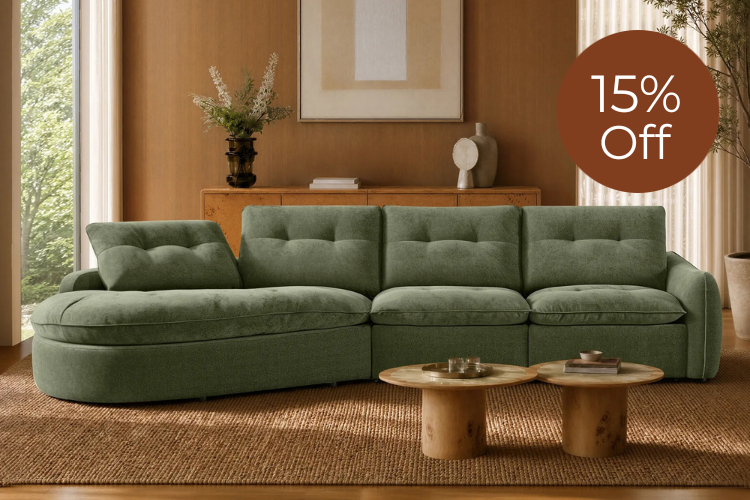
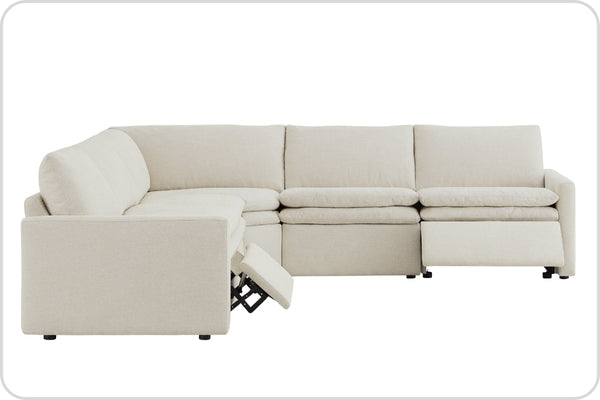
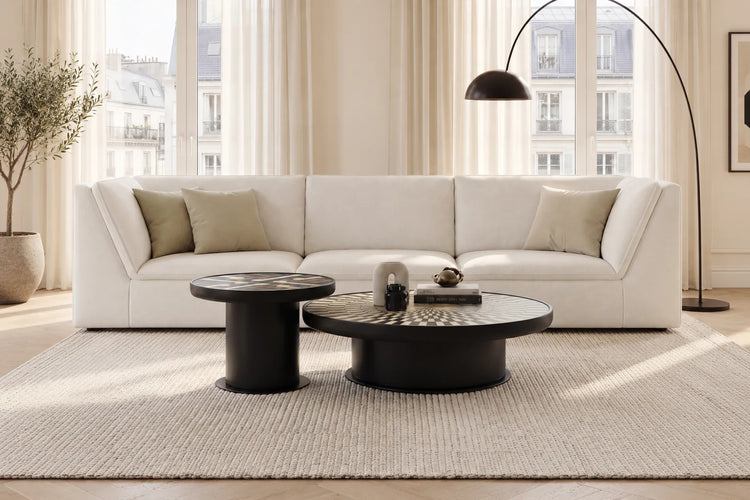
- Core Collection Status: If a brand positions a line like the Sophia Modular Stationary Sofa collection as a multi-year staple, it typically indicates a higher likelihood of SKU continuity. These often feature consistent naming and repeated modular components across several seasons.
- Avoid "Limited Drops": Collections marketed as "Seasonal," "Trend-led," or found in clearance sections (like some iterations of the Josie line) generally carry a higher risk of discontinuation as styles evolve.
- Historical Continuity: A common indicator of reliability is a collection that has remained unchanged in its base dimensions for an extended period, such as 18 to 24 months in typical retail cycles.
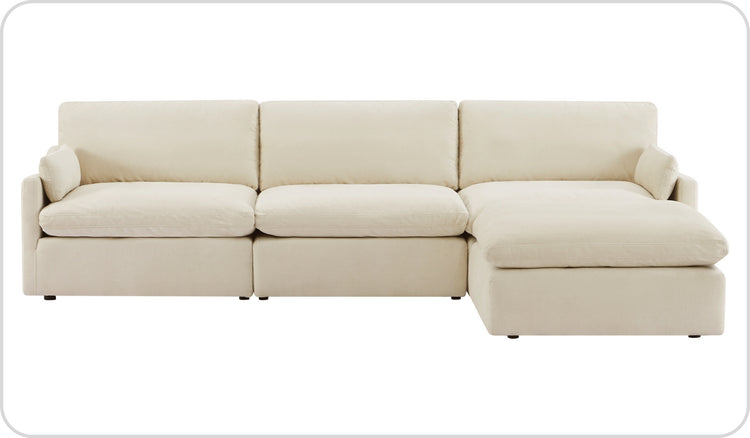
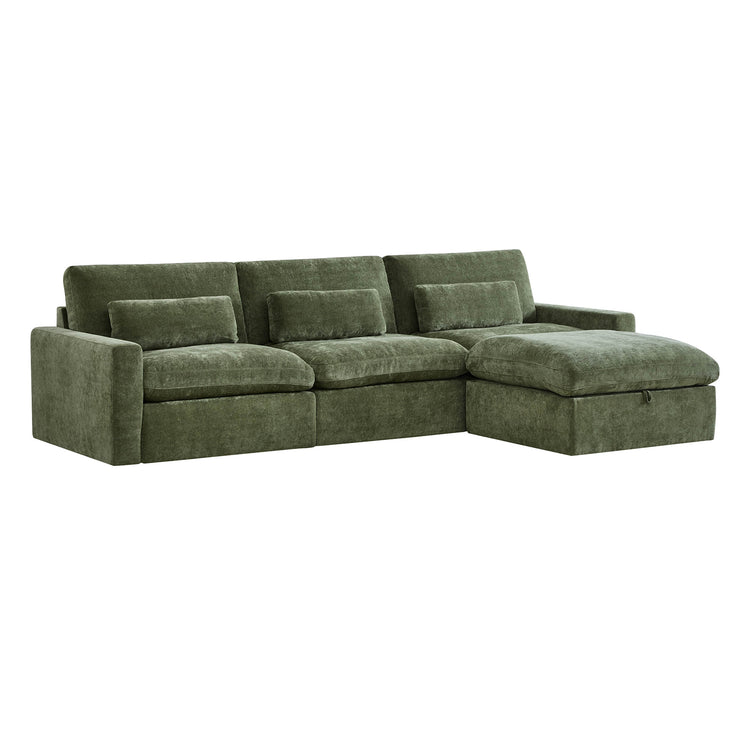
While no brand can guarantee a SKU will exist indefinitely, choosing a core platform like the Sophia 3-Piece Feather Modular Sofa significantly lowers the risk compared to trend-forward pieces like the Josie Modular Collection, which may prioritize immediate aesthetic over decade-long expansion.
The Fabric Match Challenge: Managing Dye-Lot Drift
Even if a SKU remains in stock, "Dye-Lot Drift" can occur. Fabric produced today may vary slightly in shade from the same fabric produced two years from now due to natural variations in the dyeing process.
To manage this, consider these industry-standard best practices:
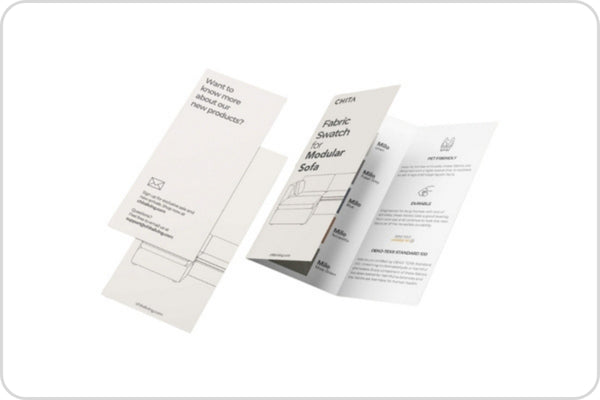
- Request a CFA (Cutting for Approval): Before purchasing an add-on module years later, ask the brand if they can provide a physical swatch from the current production batch. Compare this to your existing sofa to check for acceptable variance.
- The "Contrast Strategy": If an exact match is unavailable or the drift is too noticeable, consider adding a module in a complementary color or texture (e.g., a leather ottoman added to a fabric sectional) to create a deliberate "mixed-material" look.
- Record Keeping: Save the original fabric code and batch number (often found on the law label under the cushions) to provide to customer service during future inquiries.
For more on performance fabric expectations, see our guide to Decoding Upholstery Standards: The 2026 Guide to Performance Fabric Durability.

Pre-Purchase Verification: The Expansion Checklist
Before committing to a modular system you intend to grow, use this checklist to verify its potential for future expansion:
- Hardware Verification: Does the unit use mechanical, replaceable clips (e.g., zinc crocodile clips)? We suggest avoiding systems with proprietary, non-replaceable plastic latches which may be harder to source if they break.
- Platform Classification: Is this a "Core" line or a "Seasonal" drop? Ask: "How long has this specific frame been in production?"
- Continuity Inquiry: Ask customer support: "What is the typical lifecycle for this collection, and do you generally offer replacement parts or add-ons for at least 3–5 years?"
- Contingency Planning: If the exact module is discontinued later, does the brand offer "sister" collections with the same height and depth?
- Fabric Baseline: Order swatches now to keep as a reference for future color comparisons.
Applicability and Professional Boundaries
While modular furniture is designed for flexibility, there are limits to DIY expansion:
- Cross-Brand Mixing: We do not recommend attempting to connect modules from different brands. Even if the clips look similar, differences in internal frame height and foam density can lead to structural instability or uneven wear.
- Professional Retrofitting: If you are attempting to bridge two different generations of the same collection that have different hardware, consult a professional upholsterer. Improperly mounting new clips can compromise the integrity of the wooden frame.
- Weight Limits: Always adhere to the manufacturer’s maximum configuration limits. Adding too many modules without proper center-support legs (where required) can cause the frame to sag over time.
Frequently Asked Questions
Can I add sections to a modular sofa years after buying it?
It depends on the collection's lifecycle. Core "growth platforms" are often designed for multi-year availability, while seasonal lines may be retired more quickly, sometimes within 12–18 months. Always verify the collection's status with the manufacturer before assuming future availability.
Are modular connectors standardized across different brands?
Generally, no. While many brands use similar "crocodile clips," the specific mounting points and heights often vary. To ensure a seamless physical connection and structural alignment, it is best to stick to the same brand and collection.
How do I handle color differences when adding a new piece?
We recommend requesting a "Cutting for Approval" (CFA) from the current stock. If the color drift is too significant, consider a "coordinated contrast" approach—choosing a different but complementary color or texture for the new module.
Does the EU Right to Repair law guarantee I can always buy more sections?
Not exactly. Current and proposed directives generally focus on the availability of repair parts (like connectors, feet, or motors) and technical documentation to extend the product's life. It does not legally mandate that a company must keep every specific fabric color or modular shape in production indefinitely.
What is the most important question to ask customer support?
Ask: "Is this considered a core collection, and what is your policy for providing fabric samples for color matching on future add-ons?" Keeping a record of this communication can be helpful for future reference.
What should I do if my sofa's collection is discontinued?
If you can't find the exact module, look for "dimensionally compatible" pieces from the same brand. If the connection hardware differs, a local upholstery professional can often retro-fit standard clips to bridge the gap between different generations of modular frames, provided the frame structures are compatible.
Recommended Products

More to Read
 7 Sofa Trends That Actually Improve Comfort in 2026
Upgrade your living room with furniture that supports your body. Here are 7 modern sofa features designed to maximize your daily comfort...
7 Sofa Trends That Actually Improve Comfort in 2026
Upgrade your living room with furniture that supports your body. Here are 7 modern sofa features designed to maximize your daily comfort...
 Mother's Day Gift Guide: Cozy and Stylish Furniture Picks for Modern Moms
Make Mother's Day more meaningful with furniture gifts that bring comfort, smart features, storage, and quiet luxury into her everyday routine.
Mother's Day Gift Guide: Cozy and Stylish Furniture Picks for Modern Moms
Make Mother's Day more meaningful with furniture gifts that bring comfort, smart features, storage, and quiet luxury into her everyday routine.
 Performance Fabric Reality Check: Does It Really Repel Pet Hair and Stains?
Performance fabric is often marketed as a miracle solution for homes with pets and kids, but the reality is more nuanced. It...
Performance Fabric Reality Check: Does It Really Repel Pet Hair and Stains?
Performance fabric is often marketed as a miracle solution for homes with pets and kids, but the reality is more nuanced. It...