
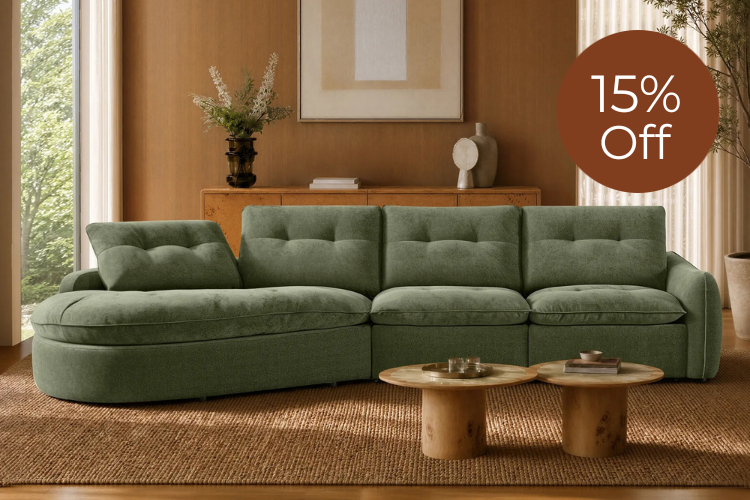
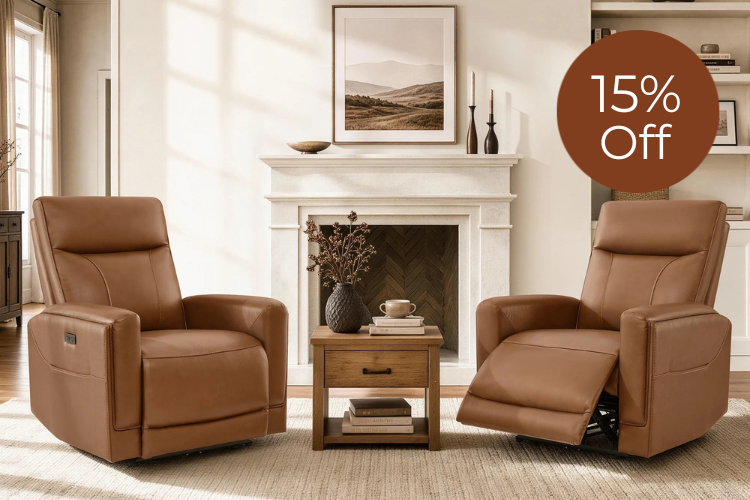
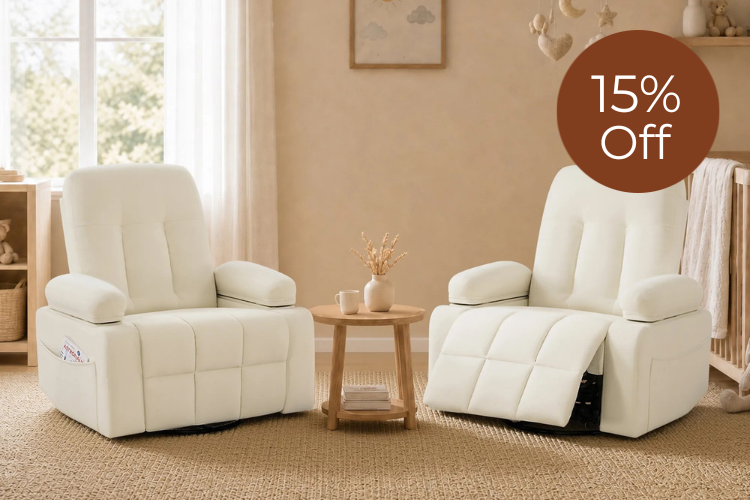
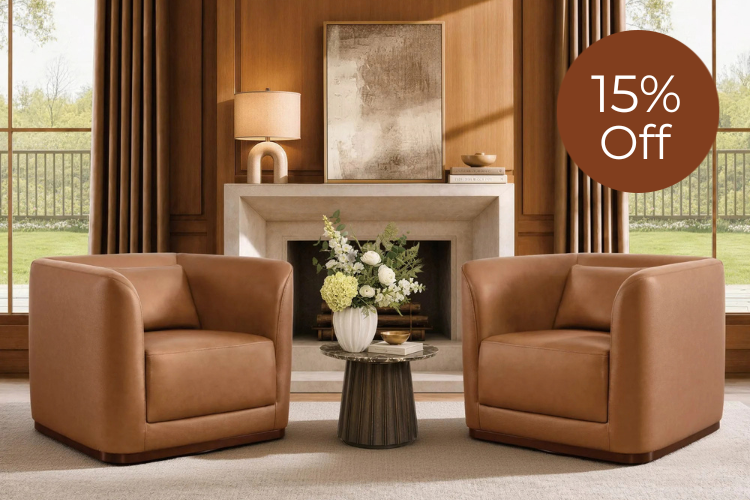









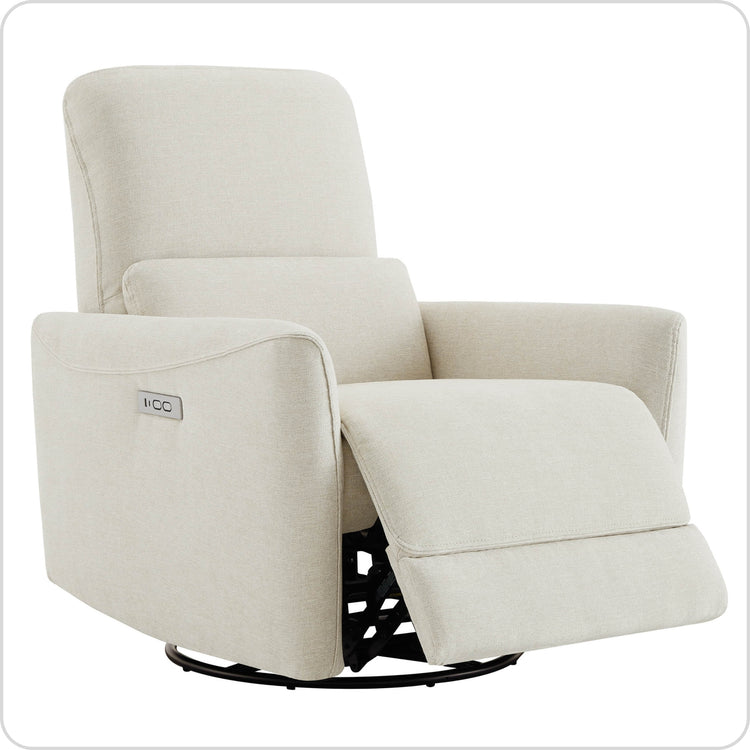
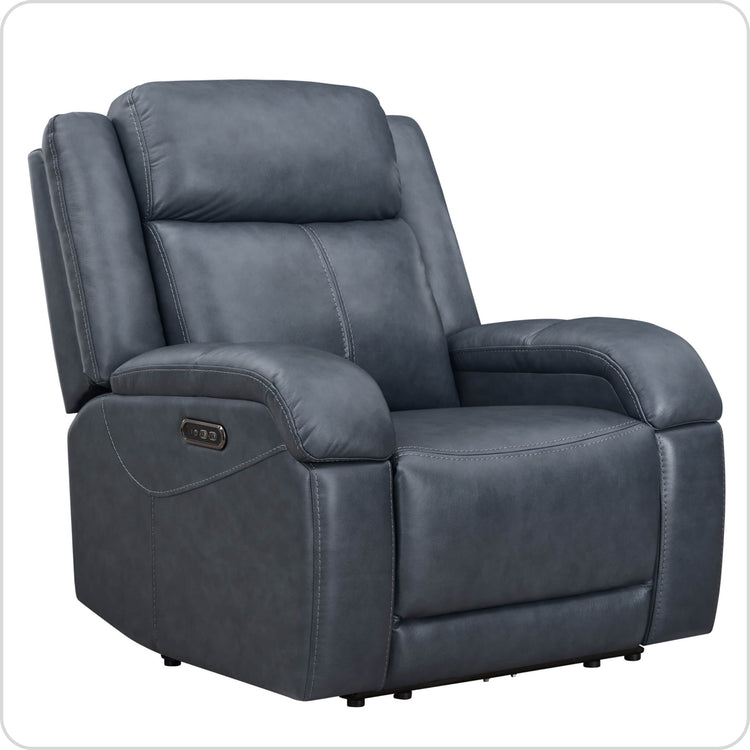
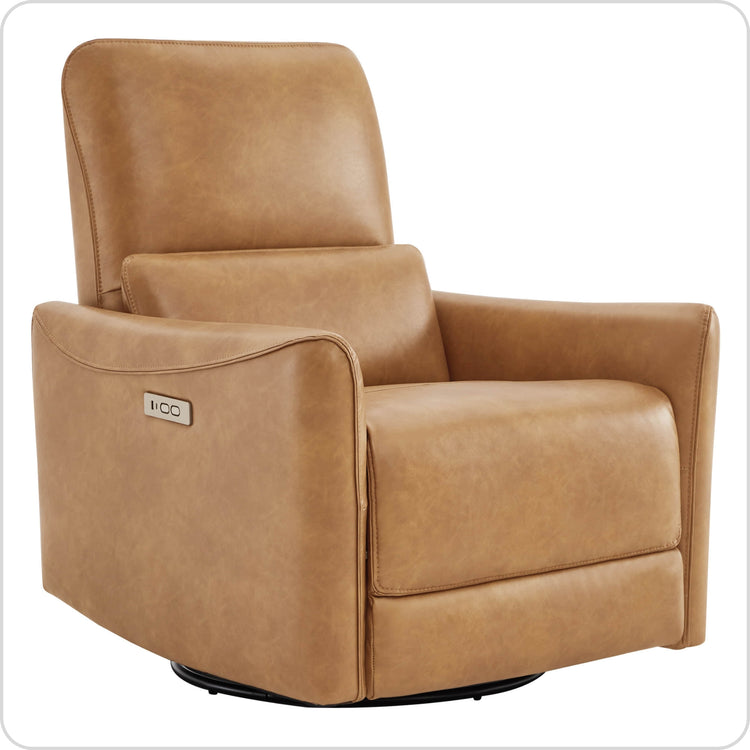


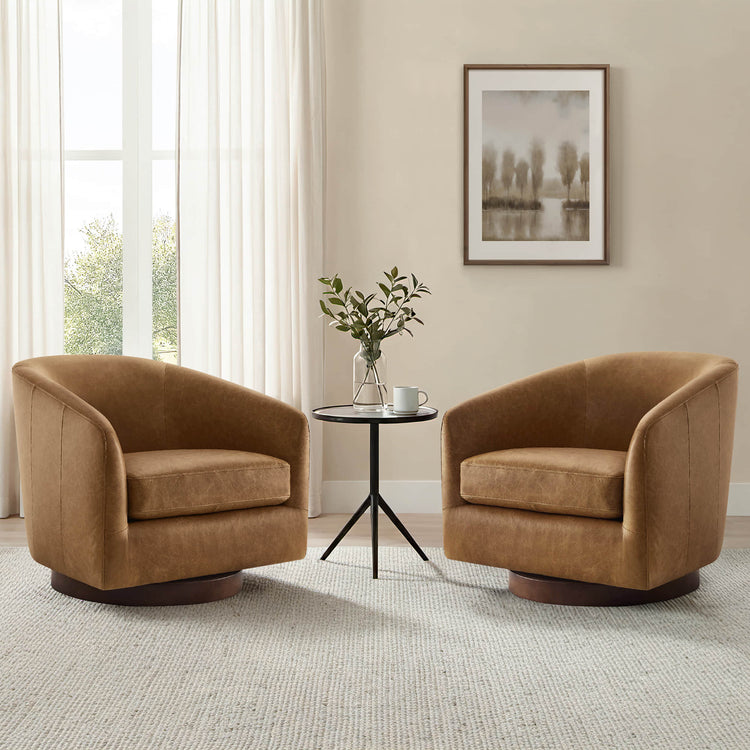



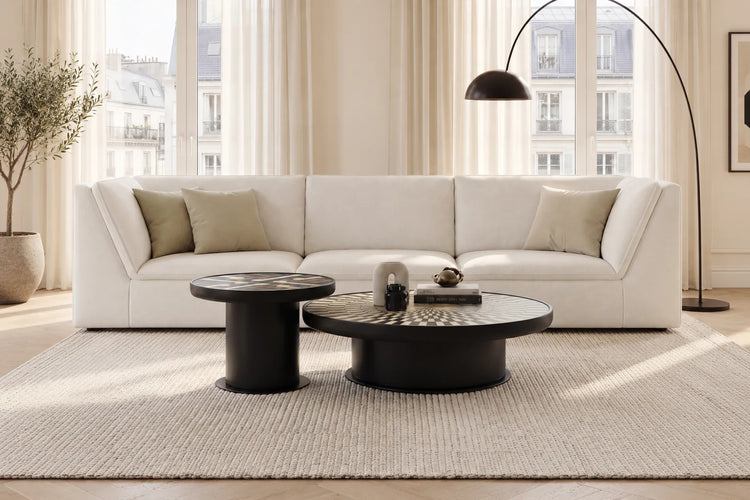
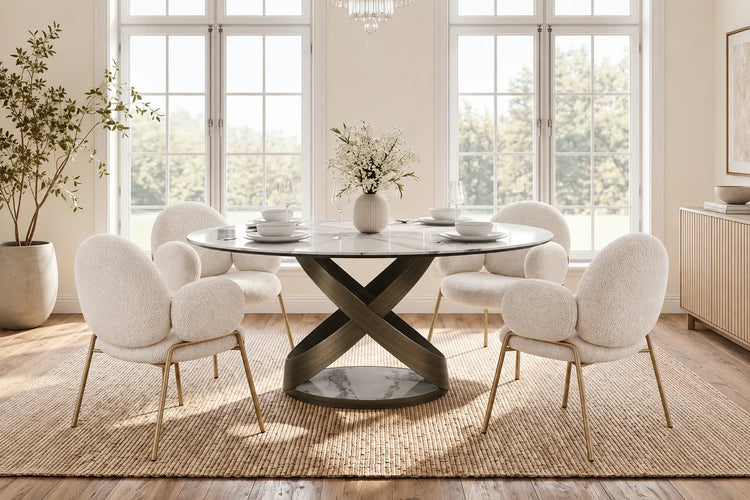
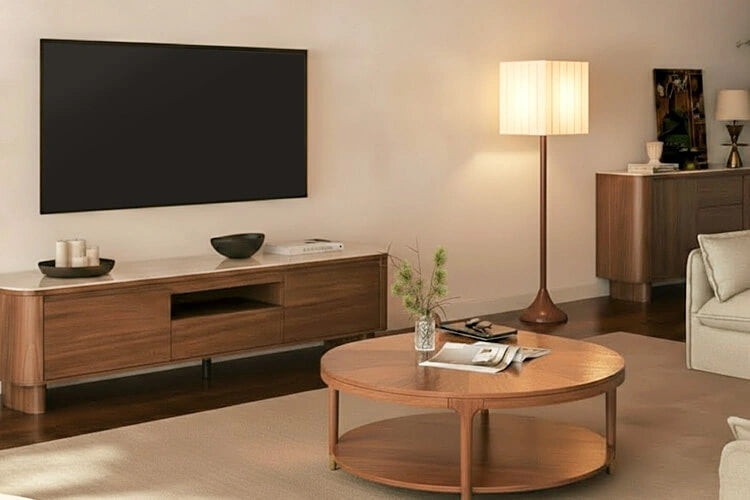









Small Living Rooms Layout Ideas with sofas

Small living rooms benefit from thoughtful sofa layout ideas for small living rooms that keep the sofa as the anchor, circulation clear, and every seat useful. Start with the room's longest usable wall, then decide whether your sofa should float, tuck, or turn.

For many US apartments, the best sofa layout ideas for small living rooms are the ones that protect a clean path first and styling second. If the room feels tight before furniture even goes in, treat doors, vents, outlets, and the main walkway as fixed constraints. Small-space layout advice points to the same core idea: fit the room to the sofa, not the other way around.
Start With the Room's Constraints
Before you move a sofa, measure the room's usable width, length, and the clearances around doors and openings. That sounds basic, but it is the step most people skip when they fall in love with a piece that looks small in a showroom and huge at home. In a small room, the right question is not "Will it fit?" It is "Will it fit without stealing the path people use every day?"
Decide where the focal point is first, whether that is a TV, window, fireplace, or conversation zone. Once that is set, the sofa can support the room instead of fighting it. For narrow rooms, it often helps to keep a straight walking path and let the seating stay on one side, especially when the room doubles as an entry or a pass-through. A practical room-planning article makes the same point: a room feels better when the route through it stays obvious.
A useful rule of thumb is to leave enough room for people to pass without turning sideways. In tighter rooms, that may mean a slimmer sofa, fewer side pieces, or a layout that floats the seating a little off the wall. The goal is not maximum furniture count. It is a room that works on a normal Tuesday.
2026 Small-Space Furniture Trends for Apartments and Rentals
Best Sofa Shapes for Tight Floor Plans
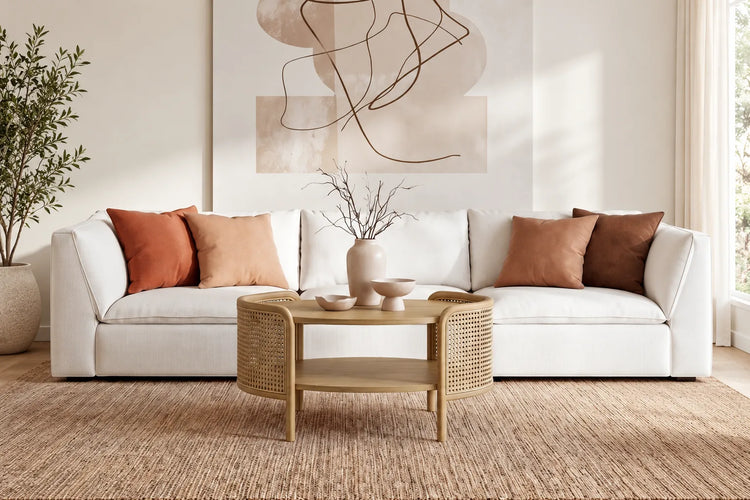
The best sofa shape depends on what the room needs to do most. Loveseats work when you want the lightest visual footprint and the easiest walkway. Apartment-sized sofas give you more everyday comfort without always adding the bulk of a full sectional. Modular sectionals help when a corner can absorb the footprint or when the room needs flexible seating over time. Curved sofas can soften a boxy room, but only if they do not consume too much circulation space.
Here is the practical split: if the room is mainly for one or two people and a clear path matters most, start with a loveseat or compact sofa. If the room is your main lounge and you need more stretch-out comfort, a smaller sectional may be the better fit. If the room is awkward, open, or likely to change later, modular pieces are the safest compromise because they can be rearranged instead of forcing one fixed shape.
A compact sofa is usually the least risky choice when you are unsure. It tends to be easier to place, easier to live with, and easier to pair with a chair or ottoman later. A sectional becomes the better call when the footprint is controlled and the room needs one strong seating anchor rather than several smaller pieces.
Loveseats
Loveseats work best when the room needs to feel open and the seating demand is modest. They are a strong choice for studio apartments, reading nooks, or rooms that also hold a desk or dining zone. The tradeoff is obvious: you gain openness, but you give up lounging room and guest capacity.
Apartment-Sized Sofas
Apartment-sized sofas are often the most balanced option for small homes because they preserve a full-sofa feel without dominating the floor plan. They are usually the right middle ground when you want comfort, a TV-facing layout, and a cleaner visual profile than a larger sectional.
Modular Sectionals
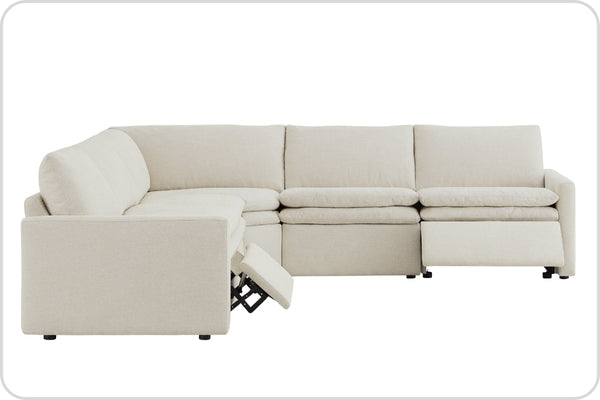
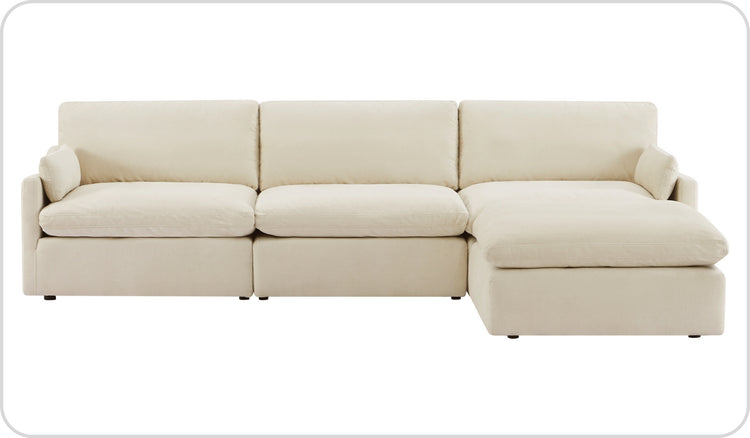
Modular sectionals make sense when the room has a corner to claim or when your layout may change. They can be a smart fit for renters who may move later or for rooms that serve more than one purpose. The hidden tradeoff is depth: if the sectional is too large, it can erase the room's flexibility fast.
Curved Sofas
Curved sofas can soften sharp angles and make a room feel less boxy. But the curve has to be earned by the room. If the layout is already tight, the rounded shape may look elegant but still crowd the walkway. Use this shape only when the room has enough breathing room to show it off.
Sofa Arrangements That Open Up the Room
Floating a sofa can make a small room feel more intentional, especially when the room has enough width to support a path behind or beside the seating. This approach works well when you want a soft divider between living and dining zones without building a wall of furniture. It also helps the room feel less pinned to one side.
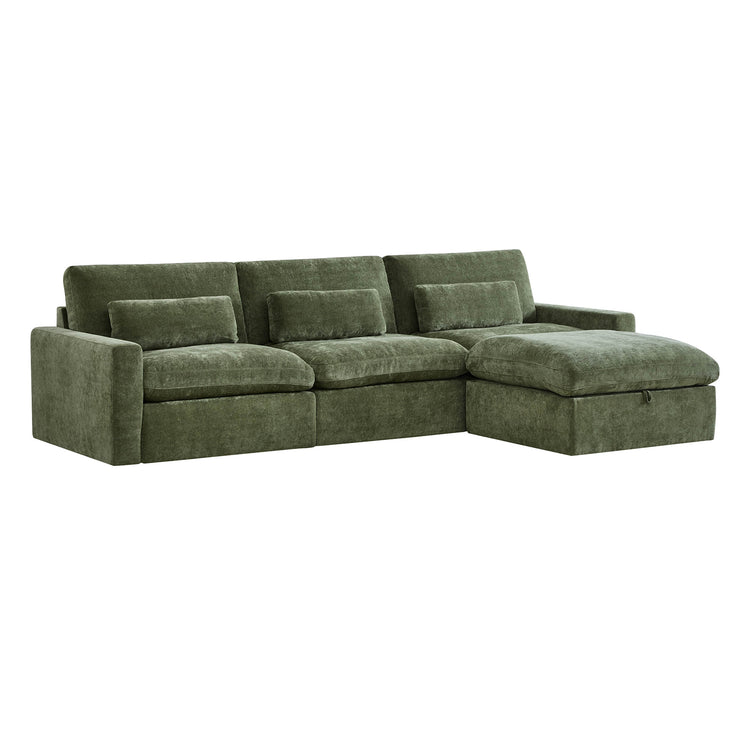
A corner-fit sectional is useful when the room has an interrupted wall, an awkward angle, or a corner that would otherwise go unused. In that case, the sectional can save space by concentrating seating where the room naturally narrows. The catch is that the shape has to match the room's circulation. A section that looks efficient on paper can still feel clumsy if it interrupts the main route.
A loveseat plus chair setup often beats forcing in a bigger sectional. It gives you more flexibility, easier rearranging, and usually a lighter visual feel. If the room is narrow, this setup can be the one that preserves comfort without turning the floor plan into a squeeze.
In open-plan rooms, the sofa can act as a soft divider between living and dining zones. That only works if the sofa does not block light or create a dead zone behind it. The room should still feel connected, not chopped into leftover pieces.
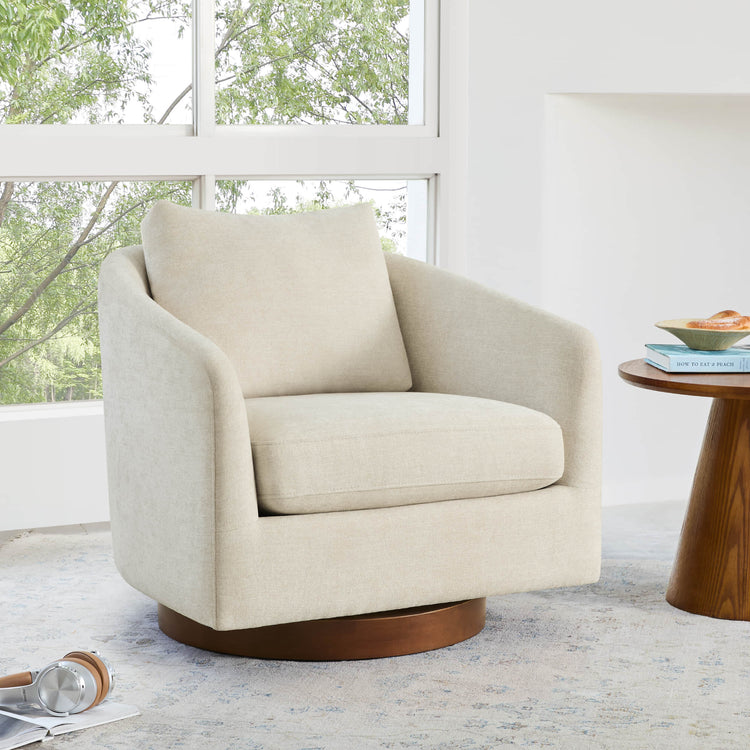
How to Position Accent Chairs in Living Room?
How to Keep Traffic Flow Comfortable
- Start with the main route through the room. If the room connects to the entry, hallway, or kitchen, protect that path first. A sofa that interrupts daily movement will make the whole room feel smaller than it is.
- Check the walk space around large pieces. General layout advice suggests roughly 30 to 36 inches for main walkways when possible, with 18 to 24 inches as a tighter-room planning range. Treat that as a planning guide, not a universal rule.
- Test the coffee table and side pieces before buying them. A table that fits the style but crowds knee space quickly becomes annoying.
- Confirm that the sofa does not block windows, outlets, or storage doors. A beautiful layout that makes basic room access harder is not a good layout.
For narrow rooms, a straight path is often more valuable than symmetrical furniture placement. One practical way to check is to tape the sofa outline on the floor and walk around it. If the route feels awkward in tape, it will feel worse with real furniture.
Smart Styling Moves for a Larger Look
Choose a sofa color and profile that blends with the wall and floor tones when you want the room to feel calmer. That does not mean everything has to match. It means the sofa should support the room's visual weight instead of shouting over it. Open legs, slim arms, and a lower profile usually help a small living room feel less heavy.
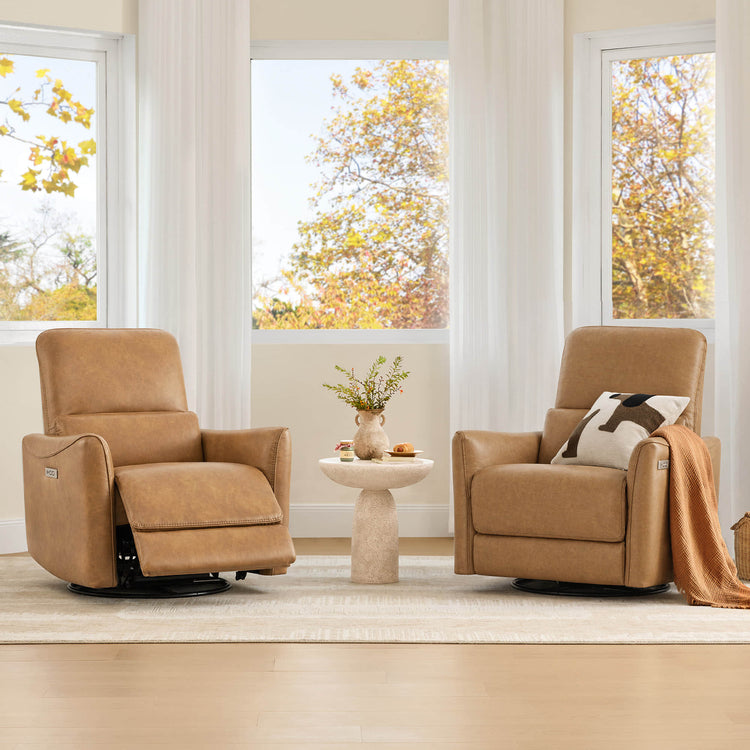
Use one or two smaller accent pieces instead of several bulky side items. A compact side table, a round ottoman, or one light accent chair usually keeps the room more breathable than three large extras. The same logic applies to rugs and art: one clear anchor often looks better than a crowd of competing pieces.

Let the space under the furniture stay visible when possible. That open gap is one of the easiest ways to make a room feel lighter without changing the room itself. If the sofa is visually heavy, balance it with a lighter rug, a thin-legged table, or a mirror that pulls the eye outward.
Small-Space Layout Mistakes to Avoid
The biggest mistake is letting the sofa cut off the room's main path. Even a handsome sofa will feel wrong if it makes every trip across the room feel like an obstacle course.
Another common issue is choosing a sofa that is too deep for the footprint. Deep seating can be comfortable, but in a small room it may leave no practical space for a table or chair. That is where many people regret buying for the showroom instead of the room.
Pushing every piece to the walls can also backfire. It may seem like a space-saving move, but it often leaves the center feeling empty in the wrong way and the room still lacking purpose. Better to leave one or two pieces slightly pulled in so the space feels intentional.
Finally, avoid too many large matching pieces. A small room usually needs fewer, better-scaled items. That approach keeps the room readable and helps the sofa do its job as the main anchor.
Simple Sofa Picks for Different Small Rooms
If you are still comparing options, use the room's constraint as the filter. A narrow room usually favors a loveseat or apartment-sized sofa. A corner-heavy room may justify a compact sectional. An open-plan room may work better with a sofa that can divide space without blocking light or circulation. If the room must sometimes host overnight guests, a sleeper sofa can make sense, but only if the extra depth still leaves a clear path.
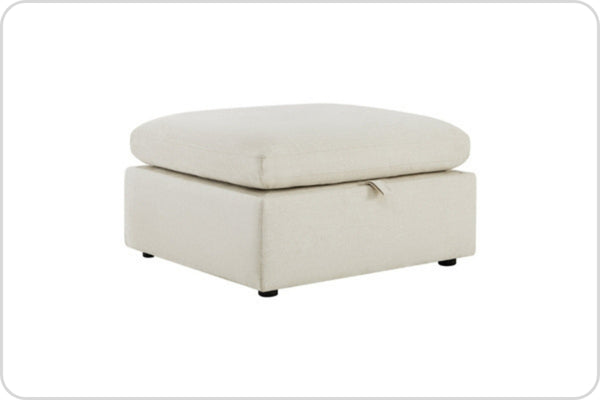
The first product question should be fit, not style. Check width, arm bulk, leg height, and how the piece will enter the room. If the sofa needs to turn a tight corner or pass a narrow doorway, a modular or smaller-scale option is often easier to live with than one oversized piece. For browsing, these collection paths are the safest starting points:
If you want a more room-specific next step, start with a measurement check and then compare shapes. That order will save more regret than browsing by color alone.
Related Resources
Explore these targeted guides for deeper layout help:
- 2026 Open-Plan Zoning: A Pillar Guide to Modular Layouts – micro-zone tactics and walkway rules.
- How to Choose a Sofa for Rental Apartments – renter-friendly sizing and protection tips.
- Decoding Upholstery Standards: The 2026 Guide to Performance Fabric Durability – fabric performance for daily use.
FAQs
Q1. How Wide Should a Small Living Room Be for a Sofa Layout to Work?
There is no single required width. What matters is whether the room can hold the sofa, a usable path, and any doors or furniture that need clearance. If the room already feels tight without furniture, prioritize a smaller sofa or a simpler layout.
Q2. Can a Sectional Work in a Small Apartment Living Room?
Yes, if the room has a clear corner or a clean traffic path. A sectional is more likely to work when its depth is controlled and it does not block daily movement. If the room is very narrow, a smaller sofa plus chair often gives you more flexibility.
Q3. What Is the Best Sofa Placement for a Narrow Living Room?
In many narrow rooms, the sofa works best along the longest wall or slightly floated to preserve a straight walking path. The exact answer depends on door swings, windows, and where the focal point sits. The best placement is the one that keeps the room easy to cross.
Q4. How Do I Make a Small Living Room Feel Bigger With Furniture?
Use fewer bulky pieces, keep the main path open, and choose furniture with lighter visual weight. Sofas with legs, slimmer arms, and lower backs usually help. A clear focal point and a simple rug can also make the room feel calmer and less crowded.
Q5. Can a Sofa Act as a Room Divider in an Open-Concept Apartment?
Yes. A sofa can define zones in an open-plan space when it is placed to separate the living area without blocking light or circulation. That works best when the rest of the room stays visually quiet, so the sofa reads as a boundary rather than a barrier.
A Better Small-Room Layout Starts With Fit
Measure first, choose the shape that respects traffic, and keep extras minimal. Scale back one piece if the room still feels cramped. This approach protects daily flow while giving the sofa layout ideas for small living rooms their best chance to succeed.
Recommended Products

More to Read
 7 Sofa Trends That Actually Improve Comfort in 2026
Upgrade your living room with furniture that supports your body. Here are 7 modern sofa features designed to maximize your daily comfort...
7 Sofa Trends That Actually Improve Comfort in 2026
Upgrade your living room with furniture that supports your body. Here are 7 modern sofa features designed to maximize your daily comfort...
 Mother's Day Gift Guide: Cozy and Stylish Furniture Picks for Modern Moms
Make Mother's Day more meaningful with furniture gifts that bring comfort, smart features, storage, and quiet luxury into her everyday routine.
Mother's Day Gift Guide: Cozy and Stylish Furniture Picks for Modern Moms
Make Mother's Day more meaningful with furniture gifts that bring comfort, smart features, storage, and quiet luxury into her everyday routine.
 Performance Fabric Reality Check: Does It Really Repel Pet Hair and Stains?
Performance fabric is often marketed as a miracle solution for homes with pets and kids, but the reality is more nuanced. It...
Performance Fabric Reality Check: Does It Really Repel Pet Hair and Stains?
Performance fabric is often marketed as a miracle solution for homes with pets and kids, but the reality is more nuanced. It...