






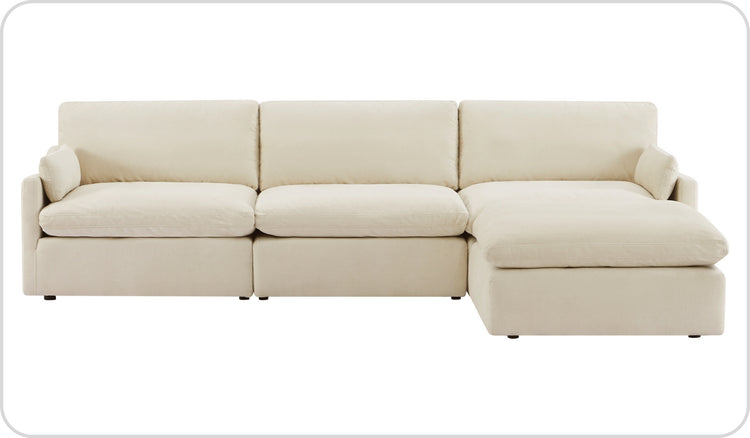


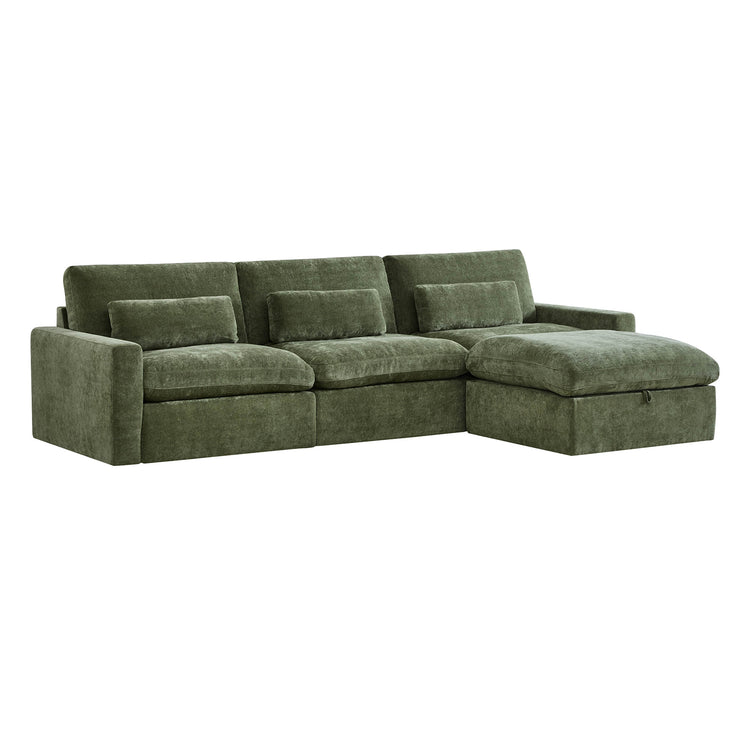


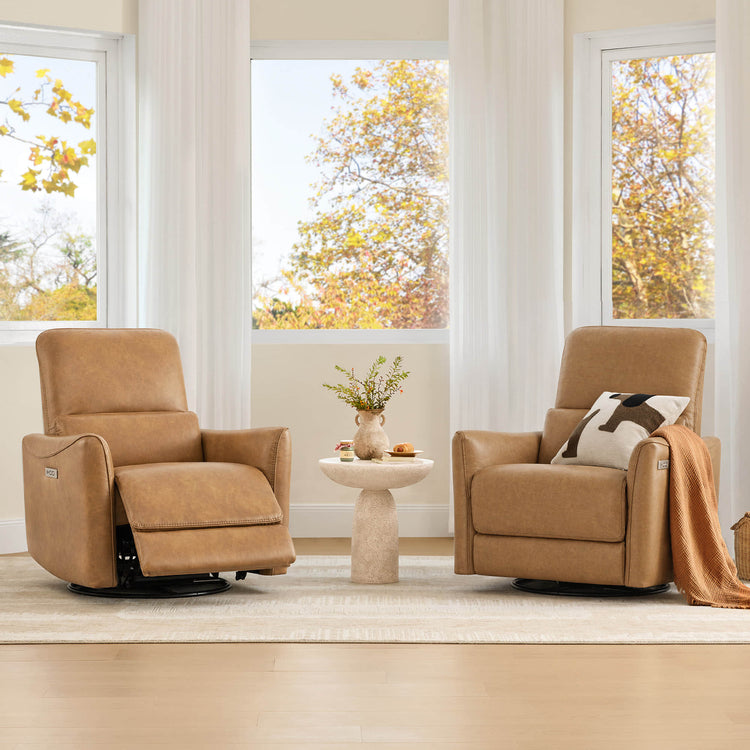
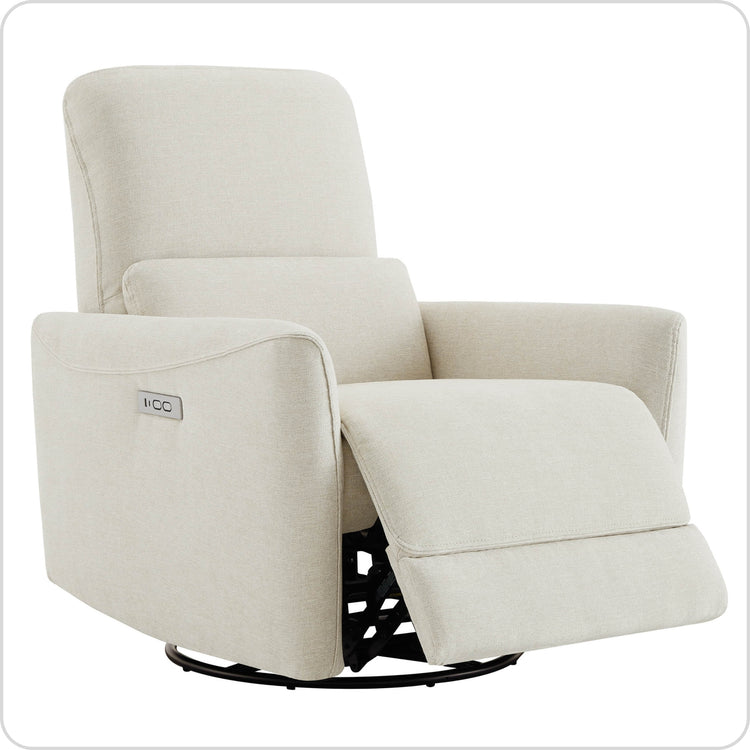























Sofa vs Couch: What's the Difference?

In most US usage, sofa vs couch is not a strict furniture difference at all. The two words usually describe the same upholstered living room seat. What changes is the tone: sofa often sounds a little more formal or retail-oriented, while couch feels more casual and conversational. If you are shopping, writing a listing, or just talking about living room furniture, that nuance matters more than the label itself.

Do Sofa and Couch Mean the Same Thing?
Yes, in modern American English, they are usually interchangeable. A source aimed at US-English usage puts it plainly: the terms sofa and couch are commonly used for the same type of upholstered living room seating. That is the cleanest answer for most readers.
The practical takeaway is simple. If someone says "sofa," they are not pointing to a different furniture category from "couch," and vice versa. You should think of it as a language choice, not a product-class choice.
If you want to browse room ideas while you think through wording and style, living room furniture ideas are a natural starting point.
Where the Words Came From
The two words came from different language histories, which is why they still feel slightly different even when they name the same furniture. Sofa traces back through Arabic usage, while "couch" comes through French. That origin story explains the separate sound of each word, but it does not create a modern technical split.
Historically, some descriptions did distinguish them more sharply. In older usage, a couch could be treated as something for reclining, while a sofa was framed as a more structured seat for sitting. That detail is useful background, but it is not a live rule in everyday US English. Modern usage has mostly flattened the difference.
In US furniture-industry language, that split is even less important. The American Home Furnishings Alliance treats sofa as the standard professional term, while couch is more casual in ordinary speech. So the words carry different feel, even when they point to the same item.
How Usage Changes by Context
In real life, the best word depends on where you are using it. The furniture does not change, but the tone of the sentence does.
| Context | More Natural Word Tendency | What To Do |
|---|---|---|
| Everyday conversation | Couch | Use the word that sounds natural to you. |
| Furniture retail copy | Sofa | Keep the tone polished and consistent. |
| Interior design writing | Sofa | Match a more styled or editorial voice. |
| Casual home description | Couch | Use simple, familiar language. |
| Product listings | Either one | Pick one term and stick with it throughout the copy. |
That pattern does not mean one word is right and the other is wrong. It just means readers and shoppers may expect slightly different tones. If you are writing for a broad audience, consistency usually matters more than trying to sound overly formal.
For shoppers who like to compare styles, it can help to look at sectional and modular sofa differences once the wording question is settled.
Does the Term Change What Buyers Expect?
Sometimes, but only at the level of tone. A listing that says "sofa" may feel a little more polished or showroom-like, while "couch" may feel more relaxed and everyday. That impression can shape first reactions, especially in ecommerce copy or home decor writing.
What the word does not tell you is whether the piece is roomy, firm, modular, deep, or family-friendly. Those are real buying details. If you are choosing a piece for your home, focus on the actual dimensions, seat depth, fabric, frame, and layout instead of treating the noun as a quality signal.
That is why the label should stay in the background. The real buying decision comes from the specs and the photos, not from whether the title says sofa or couch. If you are comparing a specific model, check the measurements and seating style before you worry about the wording. A CPSC furniture requirements guide is useful only as a boundary reminder: the term itself does not create a separate category.

Which Word Should You Use?
Use this quick rule of thumb:
- Identify the audience. If you are talking to friends or family, couch usually sounds natural. If you are writing for a showroom, catalog, or listing, sofa often fits better.
- Match the tone. Choose the word that fits the style of the sentence. Formal copy leans sofa; casual speech leans couch.
- Check the channel. Blog posts, product pages, and ads benefit from consistent wording more than from trying to be clever.
- Stay consistent. Pick one term and use it the same way throughout the piece so readers are not distracted.
That is the safest practical answer for sofa vs couch. If the wording sounds natural and the context is clear, either term works in US English. In other words, the difference between sofa and couch is mostly about tone, not category. If you want a browsing path while you compare styles, popular sofa options are a good place to start, and modular sofa layouts can help if you are thinking about flexible seating. If you want a broader browse path, living room furniture ideas can help you compare styles without getting stuck on the label.
Quick Usage Checklist Before You Publish or Shop
- Does the word match the audience you are writing for or speaking to?
- Does it fit the tone of the room, brand, or listing?
- Are you using the same term consistently throughout the copy?
- Have you checked the actual size, comfort, and layout instead of assuming the label tells you everything?
If those four checks are fine, you do not need to overthink it. In everyday US English, sofa and couch usually do the same job, so the better choice is the one that sounds most natural in context. For a last pass, remember that sofa vs couch is mainly a wording decision, not a furniture decision.
FAQs
Is There a Difference Between a Sofa and a Couch?
In most US usage, no. They usually mean the same upholstered living room seat. The main difference is tone: sofa tends to sound a bit more formal, while couch feels more casual. If the context is clear, either word is fine in everyday conversation.
Why Do Some People Say Sofa and Others Say Couch?
People often choose based on family habit, regional speech patterns, or the setting they are in. A showroom or catalog may naturally use sofa, while a relaxed conversation at home may more often use couch. Both are normal in American English.
Which Word Sounds More Formal in US English?
Sofa usually sounds a little more formal or retail-friendly. Couch usually sounds more conversational and lived-in. That said, neither word is wrong, and the best choice is the one that fits the voice of the speaker, brand, or listing.
Should Furniture Listings Say Sofa or Couch?
Use the term that best matches the brand voice, then stay consistent. If a listing keeps switching between the two words for no reason, it can feel sloppy. Clear measurements, seat depth, and photos matter more than which noun you choose.
Can I Use Sofa and Couch Interchangeably in Everyday Conversation?
Yes. In everyday US conversation, that is usually the easiest and most natural approach. If the people you are talking to already know you mean a living room seat, there is no practical need to force one term over the other.
Recommended Products



More to Read
 7 Sofa Trends That Actually Improve Comfort in 2026
Upgrade your living room with furniture that supports your body. Here are 7 modern sofa features designed to maximize your daily comfort...
7 Sofa Trends That Actually Improve Comfort in 2026
Upgrade your living room with furniture that supports your body. Here are 7 modern sofa features designed to maximize your daily comfort...
 Mother's Day Gift Guide: Cozy and Stylish Furniture Picks for Modern Moms
Make Mother's Day more meaningful with furniture gifts that bring comfort, smart features, storage, and quiet luxury into her everyday routine.
Mother's Day Gift Guide: Cozy and Stylish Furniture Picks for Modern Moms
Make Mother's Day more meaningful with furniture gifts that bring comfort, smart features, storage, and quiet luxury into her everyday routine.
 Performance Fabric Reality Check: Does It Really Repel Pet Hair and Stains?
Performance fabric is often marketed as a miracle solution for homes with pets and kids, but the reality is more nuanced. It...
Performance Fabric Reality Check: Does It Really Repel Pet Hair and Stains?
Performance fabric is often marketed as a miracle solution for homes with pets and kids, but the reality is more nuanced. It...