























How to Choose Sofas for Open-Plan Spaces
Low-profile and modular sofas are the secret to open-plan living. Master floating layouts, preserve sightlines, and create distinct functional spaces today.

Choosing the right seating for an open-concept layout requires a shift in perspective: you are no longer just picking furniture; you are defining rooms without the help of physical walls. In these expansive environments, the sofa serves as an architectural tool to establish boundaries and direct movement. The most effective way to choose a sofa for an open-plan space is to prioritize its role as a "zoning" element, ensuring its shape and placement create distinct living, dining, and transitional areas while preserving the sense of airy continuity.
Creating Functional Zones: How a Sofa Defines an Open-Plan Layout
In an open floor plan, the living area can often feel unanchored, drifting into the kitchen or dining space without a clear transition. Professional designers use furniture to solve this through "zoning." The sofa acts as a soft wall, providing a visual and physical boundary that tells the eye where one room ends and the next begins.
To establish a corridor or walkway, you can position the back of a sectional sofa toward the dining room or kitchen. This creates a clear separation, effectively walling off the lounging area without blocking the light. This strategy is most effective when paired with a large area rug, which anchors the furniture and defines the perimeter of the "room" on the floor. Without these cues, an open-plan space can feel cavernous and disorganized. By using the sofa to create a physical border, you direct the natural flow of traffic around the living zone rather than through it.
L-Shaped vs. U-Shaped Sectional Sofas: Which Configuration Fits Your Space?
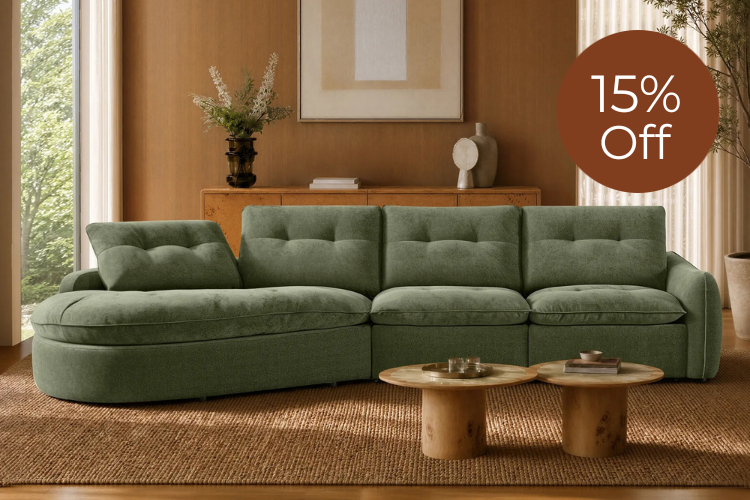
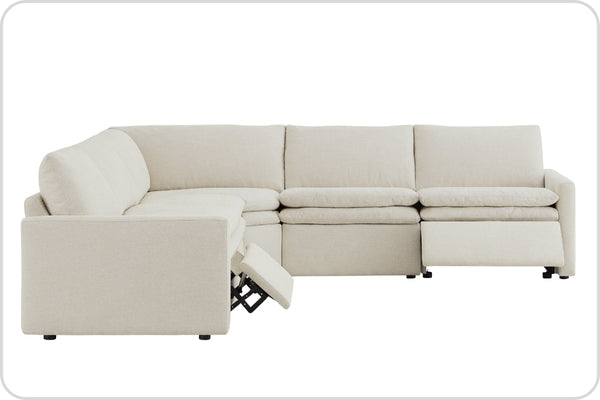
Selecting the right shape is the most critical decision in your furniture layout. Different configurations offer varying levels of enclosure and social interaction. For instance, an l shaped couch is often the gold standard for defining a corner. It can be tucked against a wall to maximize floor space or floated in the middle of a room to create a two-sided boundary. Conversely, a u shaped sectional is designed for intimacy and scale. These pieces create a deep "conversation pit" feel, which is ideal for large, expansive rooms where you want to foster a sense of closeness among guests.
| Feature | L-Shaped Sectional | U-Shaped Sectional | Modular Sofa |
|---|---|---|---|
| Best Use Case | Defining corners or perimeters | Large rooms and hosting groups | Flexible, evolving floor plans |
| Zoning Function | Acts as a "corner wall" | Creates an enclosed, intimate zone | Can be split or expanded for custom zones |
| Traffic Flow | High; leaves more floor space open | Moderate; requires a larger footprint | High; easily reconfigured for movement |
| Visual Weight | Moderate | High | Varies by configuration |
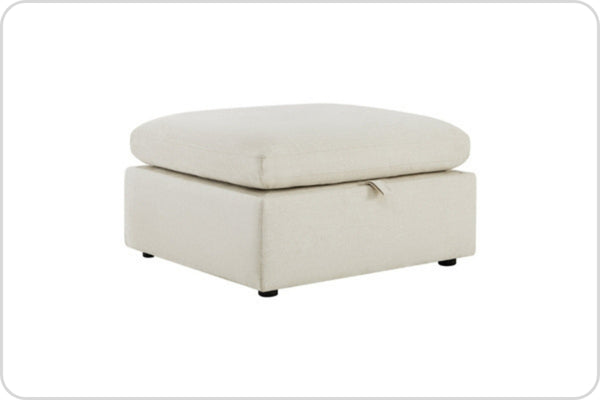
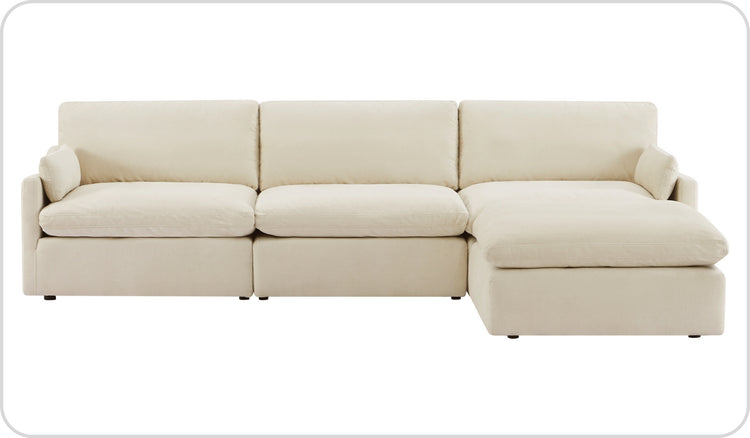
For those who need maximum flexibility, a modular sofa is often the best choice. Unlike traditional fixed frames, modular systems allow you to add or subtract pieces as your needs change. This is particularly useful in open-plan homes where you might need to shift the layout to accommodate a new home office zone or a larger dining table in the future.

Mastering the Floating Sofa Layout: Techniques for Placing Seating Away from Walls
A "floating" layout is a design technique where furniture is placed in the center of the room, away from the walls. In an open-plan space, floating the sofa is often the only way to center the living zone around a fireplace, television, or a specific view. However, this leaves the back of the sofa exposed, which presents a unique aesthetic challenge.
When floating a modern sofa, you must ensure it has a "finished back." This means the upholstery is tailored and aesthetically pleasing from every angle, without exposed staples, visible framing, or unfinished fabric. Since the rear of the piece will be highly visible from the kitchen or entryway, many designers choose to place a console table directly behind the sofa. This not only hides the back of the couch but also provides a surface for lamps, books, and decor, adding functionality to the transition zone.
Pro Tips for Floating Furniture
- Stability First: Floating pieces can shift when sat upon. Use high-quality rug pads to keep the sofa in place.
- Manage Cables: If you have lamps on a console table, use floor outlets or hide cords under the area rug to avoid tripping hazards.
- The Low Bench Alternative: If a console table feels too tall, a low bench behind the sofa can provide extra seating for the dining area while keeping the sofa back concealed.
Preserving Sightlines and Flow with Low-Profile Sofa Designs
One of the primary benefits of an open-concept home is the unobstructed view from one side of the house to the other. Placing a high-back sofa in the middle of this space can act like a visual barricade, making the room feel smaller and more segmented. To avoid this, designers typically recommend low-profile designs.
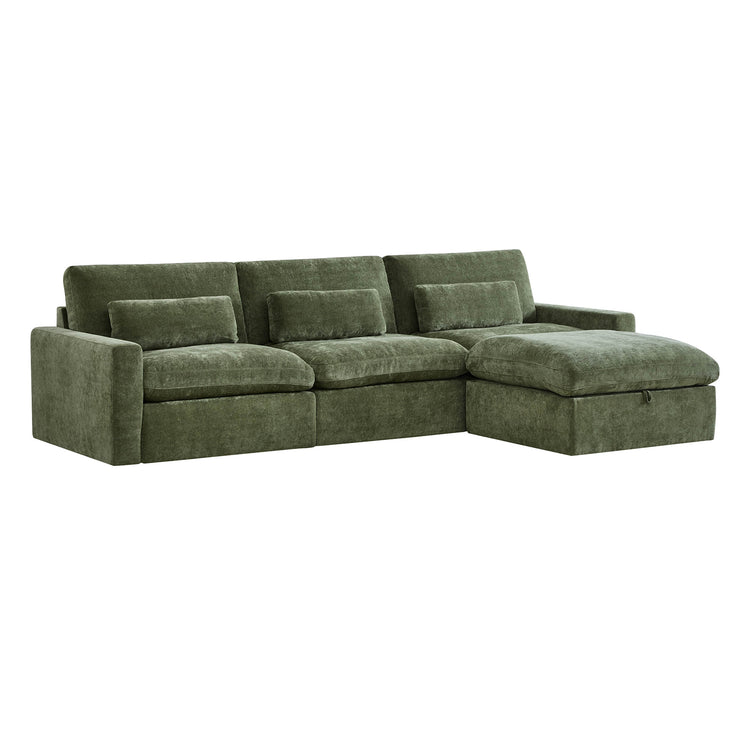
Low-profile sofas feature shorter backrests and a sleeker silhouette. These pieces maintain a low horizontal line that allows the eye to travel across the entire room, preserving the architectural intent of the open space. Research in environmental psychology and interior design suggests that our comfort in a space is often linked to postural support and the ability to maintain a clear line of sight across our surroundings. A low-profile sofa provides this openness while still offering the ergonomic support needed for long-term sitting. Conversely, high-back sofas should be reserved for placement against walls or in corners where they won't obstruct the room's natural volume.
Measuring for Success: Traffic Flow and Scale in Large Open Rooms
The most common mistake in open-plan design is choosing furniture that is either too small, causing it to look lost in the vast floor area, or too large, which blocks traffic flow. To ensure your sofa fits both the room and the humans living in it, you must measure with precision.
A fundamental rule of interior design is to maintain a walkway of at least 30 to 36 inches between furniture pieces. This ensures that residents can move comfortably through the space without shimmying past the sofa. To visualize the footprint of a potential purchase, use the "masking tape method." Outline the dimensions of the sofa on your floor with painter's tape. This allows you to walk through the room and test the flow of traffic before making a financial commitment.
Furthermore, consider the physical needs of those using the space. Studies on senior-friendly furniture highlight that seat height and depth are critical for the independent mobility of those with limited strength. An overly deep, low sofa might look stylish, but it can be difficult to exit. Ensure your chosen scale supports the comfort of all household members while maintaining enough clearance for easy movement.

Designing for Harmony: Creating Visual Cohesion Across Different Home Zones
While zoning creates separation, visual cohesion ensures the open space feels like a single, unified home. Your sofa should act as a bridge between the kitchen's hard surfaces and the living area's soft textures. To achieve this, coordinate wood tones between the sofa legs and the kitchen cabinetry or dining table.
Texture and color also play significant roles. In a high-traffic open-plan home, durability is as important as aesthetics. For households concerned about long-term air quality, choosing materials with low emissions is vital, as leather and certain foams can be sources of indoor VOCs. Opt for fabrics and materials that have been tested for safety and environmental standards. To keep the space feeling connected, carry a primary color or material—such as brushed brass or a specific shade of blue—from the kitchen backsplash through to the sofa’s accent pillows or the dining chair upholstery.
Choosing the Best Sofa for Your Open-Plan Living Space
Ultimately, selecting a sofa for an open-plan layout is an exercise in balancing scale, function, and aesthetics. By treating the sofa as a zoning tool rather than just a piece of furniture, you can create a home that feels both expansive and organized. Whether you opt for a sprawling u shaped sectional to define a social hub or a sleek modern sofa to maintain clean sightlines, the key is to prioritize movement and visual harmony. By following standard traffic flow guidelines and ensuring your furniture is finished on all sides, you will transform your open-concept area into a functional, comfortable, and beautiful living space that serves your unique lifestyle.
Safety Notice
This article provides general guidance on furniture selection and layout only. Always follow the manufacturer's specific instructions for assembly, anchoring, and maintenance. For layouts involving heavy furniture or floating items, ensure they are properly stabilized to prevent shifting. If you are installing floor outlets for floating furniture, consult a qualified professional electrician to ensure compliance with local building codes.
FAQs
Can I put a sofa in the middle of an open-plan room?
Yes, this is known as 'floating' the sofa. It is a standard design technique for defining a living area away from the walls in large, open spaces.
How much space should I leave behind a floating sofa?
You should maintain at least 30 to 36 inches of clearance behind the sofa to allow for comfortable walkways and clear traffic flow.
What is the best sofa height for an open concept home?
Low-profile sofas are typically best because they preserve sightlines across the room, preventing the space from feeling segmented or cluttered.
Recommended Products

More to Read
 7 Sofa Trends That Actually Improve Comfort in 2026
Upgrade your living room with furniture that supports your body. Here are 7 modern sofa features designed to maximize your daily comfort...
7 Sofa Trends That Actually Improve Comfort in 2026
Upgrade your living room with furniture that supports your body. Here are 7 modern sofa features designed to maximize your daily comfort...
 Mother's Day Gift Guide: Cozy and Stylish Furniture Picks for Modern Moms
Make Mother's Day more meaningful with furniture gifts that bring comfort, smart features, storage, and quiet luxury into her everyday routine.
Mother's Day Gift Guide: Cozy and Stylish Furniture Picks for Modern Moms
Make Mother's Day more meaningful with furniture gifts that bring comfort, smart features, storage, and quiet luxury into her everyday routine.
 Performance Fabric Reality Check: Does It Really Repel Pet Hair and Stains?
Performance fabric is often marketed as a miracle solution for homes with pets and kids, but the reality is more nuanced. It...
Performance Fabric Reality Check: Does It Really Repel Pet Hair and Stains?
Performance fabric is often marketed as a miracle solution for homes with pets and kids, but the reality is more nuanced. It...