

















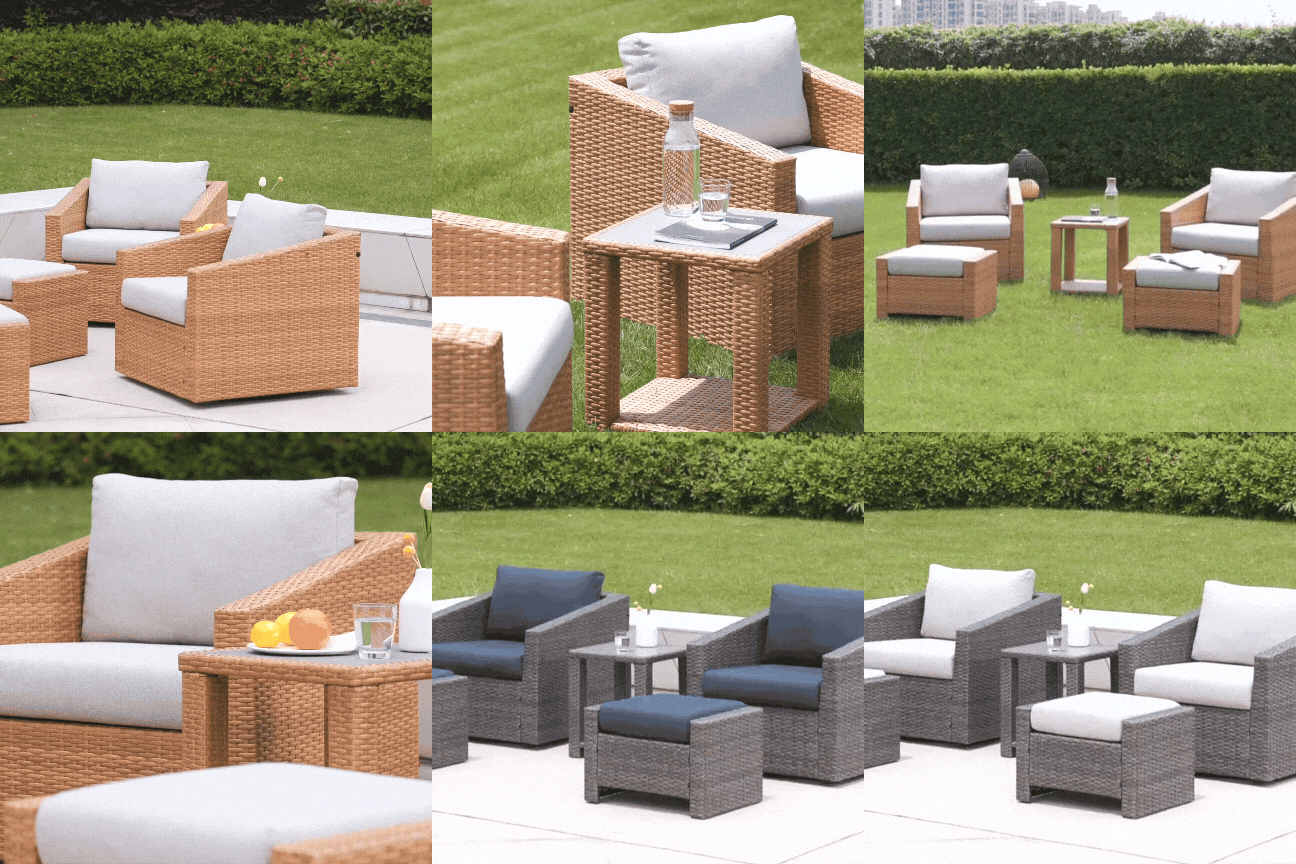






Choose the exact outdoor table by its finished specifications rather than its material label alone. A synthetic HDPE resin-wicker table on an aluminum frame and a solid teak table can both work on a balcony or terrace, provided their finished weight, base design, and your exposure level match.
Neither material name alone tells you whether an outdoor side table will stay grounded in a gust. Check net weight, footprint, and base contact before making your choice.
Quick Answer: Choose by Finished Weight and Placement, Not Material Name
Base your decision on the specific model's listed net weight, base footprint, and your space's actual wind exposure rather than the material label. Greater mass helps only when paired with a wide, level base and a realistic plan to secure or store the table during severe weather.
The Practical Answer
Pick the specific model whose listed net weight and base design fit where you will use it, not the material it is made from. Teak is a denser wood than HDPE resin is as a raw material, but a finished table mixes materials, frames, and hardware, so the label never settles the stability question by itself. Check the actual product specs before you decide.
When Each Construction May Fit
- Synthetic wicker on aluminum fits when you want an outdoor side table that is easy to carry indoors, its listed net weight and base contact are adequate for your spot, and you are willing to reposition or store it as conditions change.
- Solid teak fits when the specific model you are considering is verifiably heavier or better grounded than the wicker alternative you are comparing it to, and you accept the extra effort of moving it and following its outdoor-care instructions.
How Finished Weight and Base Geometry Change Movement
Net weight, footprint, height, and base contact interact to decide whether a table shifts in wind, and no single spec answers the question alone. A wide, low, heavy table with full ground contact resists movement better than a tall, narrow, light one, regardless of what it is made from.

Read the Finished-Table Specifications
- Net weight: Use the finished product's listed weight, not the density of raw teak or HDPE resin. A woven aluminum-frame table and a solid teak table both combine several materials once assembled.
- Footprint: A broader base spreads the table's weight over more area and generally resists tipping and sliding better than a small footprint of the same weight.
- Height and center of gravity: A lower, squatter table sits more securely than a tall one with the same base, because wind has more leverage on a taller profile.
- Base contact: Full, level contact with the floor matters more than total mass if the feet are uneven, narrow, or resting on an unstable surface.
Do Not Confuse Capacity With Stability
A tabletop's listed weight capacity, meaning how much it can hold, is a different number from the table's own net weight. A table rated to hold 50 pounds of drinks and decor can still slide in a gust if its own body is light and its base is narrow. Look for net weight and base dimensions specifically, not just what the surface can carry.
Exposed Balcony vs Sheltered Terrace: When to Reposition or Store
A sheltered porch or terrace lets you prioritize looks and care once the table's basic specs suit the space. An exposed balcony or terrace with frequent gusts calls for a real plan to reposition, secure, or store the table, because limited storage and building rules can make that plan harder than it sounds.
Sheltered Versus Exposed Placement
- Sheltered terrace or porch: Lower everyday wind exposure means either construction can work if the exact dimensions, weight, and care needs fit your space and routine. We cover more about weighing furniture choices for exposed porches in our outdoor furniture exposure guide.
- Exposed balcony or open terrace: Frequent gusts raise the value of an outdoor side table with adequate net weight and base contact, plus a workable way to move it indoors or secure it when conditions turn.
When Weather Changes the Plan
- Before a high-wind warning, bring in unsecured balcony or patio items, or secure them using a method approved for both your building and the specific product. The high-wind safety rules from the National Weather Service treat unsecured outdoor furniture as an object that can cause damage or injury once it blows loose.
- Before a tropical storm or hurricane, move the table inside or under solid shelter no matter how heavy or well-built it is. Federal tropical-system wind mitigation advice and CDC hurricane guidelines both call for bringing lawn and patio furniture indoors or under shelter, since it can become flying debris in these conditions.
Maintenance Tradeoff: Compare Care Paths, Not Durability Promises
Synthetic wicker on aluminum and solid teak ask for different care routines, and neither one is automatically lower effort or longer lasting than the other without checking the specific product's instructions. Use the table below to compare what to verify before you buy, not to pick a universal winner.
Compare the Care Questions Before Choosing
| Construction | Verify before buying | Choice implication |
|---|---|---|
| Synthetic wicker / aluminum | Cleaning method, drainage design, frame-care steps, and any cover guidance for the weave or finish | Suits buyers who want a documented routine cleaning process and clear drainage behavior |
| Solid teak | Finish-care method, approved cleaning products, seasonal treatment steps, and whether the maker expects natural weathering or ongoing color upkeep | Suits buyers willing to follow a wood-specific care plan or accept a natural weathered look |
Choose the Upkeep You Will Actually Follow
A simpler-sounding care routine only helps if it matches what the manufacturer actually recommends for that model. An "outdoor" label on either material does not mean it needs no cleaning, no cover, and no seasonal attention, so read the actual care instructions before assuming either option is low maintenance.
What to Verify on the Product Page Before You Buy
Treat the exact product listing as the final gate on whether a table suits your spot, not the general reputation of teak or resin wicker. If key facts are missing, do not assume the table is wind-resistant just because it looks sturdy in photos.
Run the Product-Page Check
- Confirm the table's net weight, separate from any listed weight capacity for the tabletop.
- Confirm overall dimensions, including height and footprint.
- Inspect how the base and frame are described, including materials and leg or foot design.
- Check how the tabletop meets the base and whether the design allows full, level ground contact.
- Look for care instructions covering cleaning, drainage, or finish maintenance.
- Look for any manufacturer guidance on securing, covering, or storing the table seasonally.
Apply the Fit Rule
If the listing gives you suitable net weight, dimensions, and base information, and you have a realistic plan for exposure, you can move on to comparing style and care preferences. If net weight, base construction, or securing guidance is missing, treat the table as unverified for an exposed balcony rather than assuming it will hold. Our outdoor coffee and side tables collection is one place to compare listed specifications side by side once you know what to look for.
FAQs
How can I secure an outdoor side table on a rental balcony?
Do not improvise an anchor, since drilling or screwing into a rental balcony can violate your lease. Check your building's rules and the product's own approved securing method first, and plan to move the table indoors or into storage if no approved option exists for your unit.
Does a heavier side table eliminate the need to store it before a storm?
No. A heavier table may resist everyday gusts better and be less likely to shift during normal use, but that does not make it storm-safe. Severe-weather preparation still calls for moving furniture inside or under solid shelter, regardless of its listed weight.
What maintenance details should I ask for before buying teak or synthetic wicker?
Ask for the exact cleaning method, any recommended cleaning products, finish-care steps, cover guidance, drainage design, and seasonal storage advice for the specific model you are considering. Generic marketing language like "low maintenance" does not tell you what the manufacturer actually recommends.
Sources
- National Weather Service. High Wind Safety Rules.
- National Weather Service. Wind Mitigation Guidance.
- Centers for Disease Control and Prevention. Hurricane Safety Guidelines.
Recommended Products


More to Read
 7 Sofa Trends That Actually Improve Comfort in 2026
Upgrade your living room with furniture that supports your body. Here are 7 modern sofa features designed to maximize your daily comfort...
7 Sofa Trends That Actually Improve Comfort in 2026
Upgrade your living room with furniture that supports your body. Here are 7 modern sofa features designed to maximize your daily comfort...
 Mother's Day Gift Guide: Cozy and Stylish Furniture Picks for Modern Moms
Make Mother's Day more meaningful with furniture gifts that bring comfort, smart features, storage, and quiet luxury into her everyday routine.
Mother's Day Gift Guide: Cozy and Stylish Furniture Picks for Modern Moms
Make Mother's Day more meaningful with furniture gifts that bring comfort, smart features, storage, and quiet luxury into her everyday routine.
 Performance Fabric Reality Check: Does It Really Repel Pet Hair and Stains?
Performance fabric is often marketed as a miracle solution for homes with pets and kids, but the reality is more nuanced. It...
Performance Fabric Reality Check: Does It Really Repel Pet Hair and Stains?
Performance fabric is often marketed as a miracle solution for homes with pets and kids, but the reality is more nuanced. It...