






















What Is a Chaise? How to Choose a Sofa or Sectional With a Chaise

A chaise is a lounging seat built for stretching out, not just extra-deep sofa seating. If you're comparing a sectional sofa with chaise, the fastest way to avoid a wrong-order mistake is to check three things first: whether you want a sofa or sectional layout, which side the chaise should sit on, and whether your room can absorb the footprint without blocking walkways. For shoppers wondering what is a chaise, the short answer is that it is the extended lounge section you use to recline.
What a Chaise Is
Chaise Basics
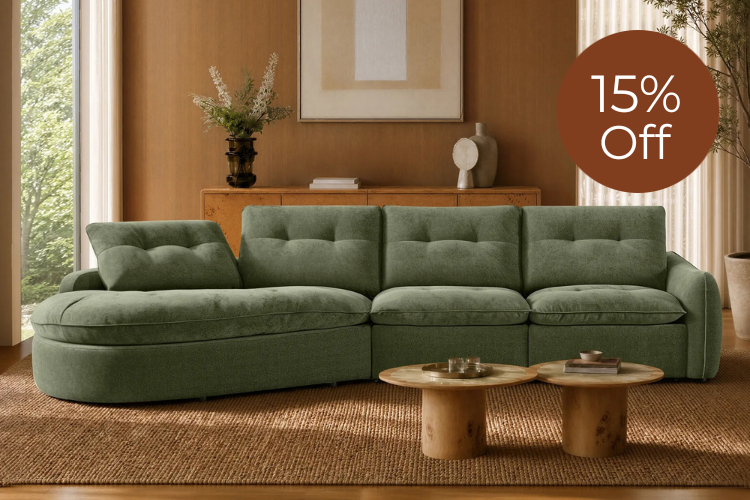
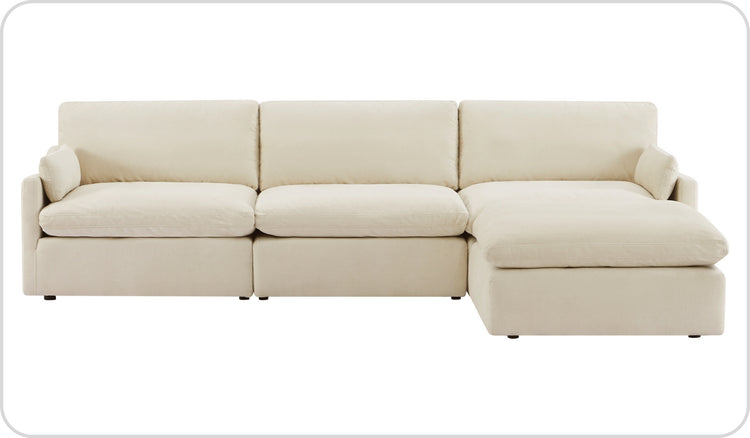
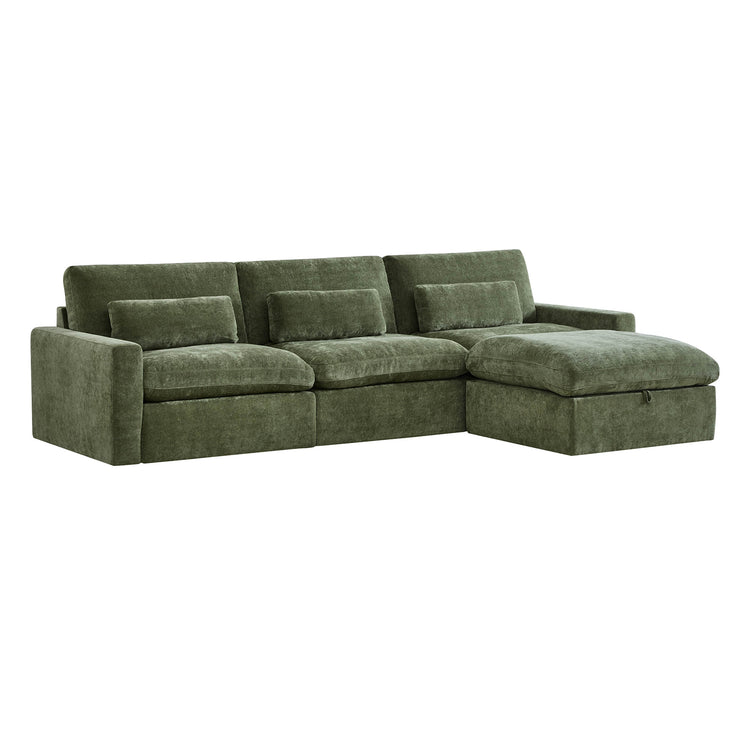
A chaise is an upholstered seat designed for reclining and supporting the legs, and it often appears as the extended end of a sectional sofa.Sectional Sofa Pieces: What Do They All Mean? In shopper language, that means it is the part of the sofa that lets one person stretch out without needing a separate footrest. You may also see it described as a chaise lounge sofa or as part of a sofa with chaise lounge setup.
You may also see the term used for standalone lounge pieces. In practice, the phrase can cover anything from a single lounge seat to the chaise end of a sectional, so product photos matter more than the word alone. When a listing says couch with chaise, the chaise may be built into the seating line or appear as the reclining end seat.
Chaise Lounge vs. Sofa Seat
A regular sofa seat is mainly built for upright sitting. A chaise gives you more leg support and a more reclined posture, which is why people often associate it with reading, resting, or casual napping.
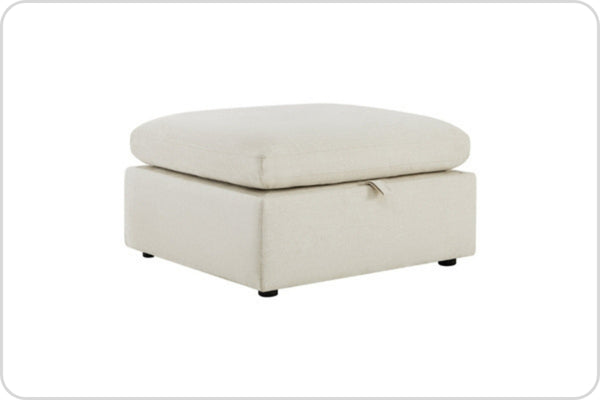
It is also different from an ottoman setup. An ottoman is separate and movable, while a chaise is built into the seating line. That difference matters if you want a fixed lounge zone rather than flexible pieces you can rearrange.
Where a Chaise Fits in a Living Room
In a living room, a chaise can create a clear lounge spot without turning the whole room into a fully sectional layout. That may work well if you want one softer, more relaxed seat in the room while still keeping the rest of the seating simple.

If you want broader sofa selection basics, this sofa buying guide is a useful next stop. It helps once you know whether a chaise is the right seating style at all.
Sofa vs. Sectional With a Chaise
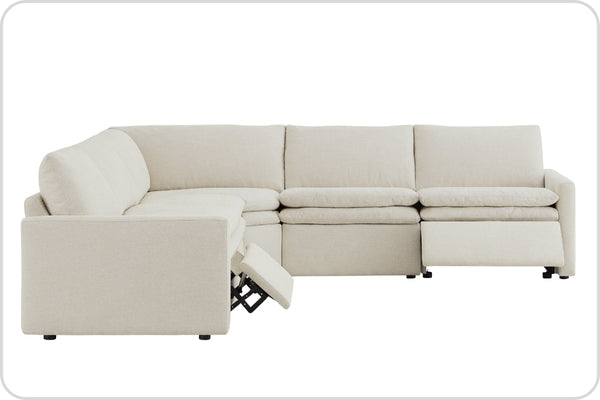
If you're deciding between a sofa with chaise and a sectional with chaise, the better choice usually depends on how much seating you need and how much floor space you want to keep open. A sofa with chaise can feel simpler and less dominant in a room, while a sectional with chaise may be the cleaner answer when the layout needs one cohesive seating zone.
The comparison below shows the practical difference.
| Choice | What It Usually Feels Like | Best For | Watch Out For |
|---|---|---|---|
| Sofa with chaise | More streamlined and easier to place in a straightforward room | Smaller households, simpler layouts, rooms that still need open space | It may not seat as many people as a larger sectional |
| Sectional with chaise | More anchored and lounge-friendly | Families, media rooms, and rooms that need one defined sitting zone | It can crowd the room if circulation is already tight |
| Separate sofa plus ottoman | More flexible piece by piece | Buyers who want to move furniture around often | Extra pieces can create visual clutter |
A sectional with chaise can be a strong small-space option when it replaces separate pieces and keeps the room visually tidy.Best Sectional Sofas That Are Actually Stylish, Tested (2026) That said, it is not automatically the best answer for every compact room. If the chaise cuts into your walking path, a simpler sofa shape may work better.
If you're comparing layouts more broadly, sectional and modular sofa comparisons can help you judge flexibility versus structure before you buy. For shoppers who want to browse a broader starting point, the sofa collection is a practical category path. This kind of chaise sectional buying guide is most useful when you are choosing between compact seating and a more defined lounge zone.
Choose the Right Left or Right Chaise
Left-facing and right-facing are shopper labels for the side the chaise sits on when you are standing in front of the sofa and looking at it.LAF or RAF? (The Sectional Talk) If the chaise is on your left from that front view, it is left-facing. If it is on your right, it is right-facing.
How to Read Left-Facing and Right-Facing
This is where a lot of chaise couch mistakes happen. People often picture the sofa from behind it or from the chaise end, which flips the label in their head. To stay safe, always imagine yourself facing the sofa from the room side where you would normally see it.
Match the Chaise to Your Room Flow
The right chaise side should support your main walkway, your TV view, and the furniture you still need to reach. If the chaise points into a path you use every day, the room will feel tighter even if the sofa itself looks good online.
A good rule is to ask where the room naturally opens up. Put the chaise on the side that keeps the most-used passage clear and leaves the focal point easy to see.
Avoid Common Orientation Mistakes
Do not assume the showroom photo matches the version you're ordering. Some sectionals are fixed, and others may be configured differently, so the listing details matter.
This is one of the easiest spots to get regret after delivery. If the chaise side is wrong, the whole sofa can feel awkward, even when the style and color are right.
If you want more room-planning examples, small living room layout ideas are useful before checkout, especially when the chaise has to work around doors or corners. When you compare left facing vs right facing chaise options, always verify the product listing rather than relying on the showroom image.
Measure Space and Traffic Flow
A chaise can work beautifully in a room, but only when the footprint still leaves comfortable circulation. For room planning, a common guideline is about 36 inches of clearance for major traffic paths and about 18 inches for smaller walkways between furniture.Furniture Spacing Guidelines Use that as a planning rule, not a hard law.

Before you buy, check these fit points:
- Main traffic paths: Keep the primary path easy to walk through without squeezing past the chaise.
- Door swings: Make sure nearby doors still open cleanly.
- Corners and turns: Measure the route the sofa has to take into the room, not just the final wall space.
- Full footprint: Measure the whole shape of the chaise sofa or sectional, not only the longest straight side.
- TV and window placement: Make sure the chaise does not block the room's focal point or a natural opening.
A chaise may make a room feel more intentional when it fits the layout well. If the room is already tight, though, it can read as bulky and reduce the open floor area you actually use every day.
Choose for Comfort and Daily Use
For households that lounge a lot, a chaise can be a better everyday fit than upright-only seating. It gives you one built-in place to stretch out, which is useful for reading, watching TV, or settling in for a relaxed evening.
That does not mean it is the best answer for every routine. If your room is used mainly for chatting with guests or for people who prefer upright sitting, a chaise may take up too much of the seating mix.
Lounging and Napping
A chaise is especially helpful when you want a spot that feels close to a daybed without buying a separate piece. It can make casual resting easier, but it is not a replacement for a recliner or bed.
Everyday Seating Balance
Think about the ratio of lounge space to upright seats. A chaise adds comfort for one person, but it also changes how many straightforward seats you can fit around it. That trade-off matters more in family rooms than in a quieter sitting area.
Household Lifestyle Fit
In a busy home, pets, kids, and frequent use can shift the best choice. A chaise may still be a fit, but the upholstery, cleaning routine, and daily traffic around it all matter more when the furniture gets heavy use.
If easy upkeep is part of the decision, easy-clean sofas are worth a look as a category rather than a promise. They can be a smart direction for homes that expect more mess and more cleanup.
Make the Final Chaise Choice
The simplest way to choose a chaise is to follow the same order every time: define the seating style, pick sofa or sectional, choose left-facing or right-facing, then measure the full footprint against your traffic paths. If the chaise adds lounge comfort without blocking the room, it is probably working for you. If it steals circulation or feels oversized, a simpler layout is the better call.
Shortlist two options, measure again, and compare them against how you actually use the room. That is usually the fastest way to avoid buying a chaise that looks right online but feels wrong at home.
FAQs
What Is the Difference Between a Chaise and an Ottoman?
A chaise is built into the sofa or sectional and gives you a fixed lounging surface. An ottoman is a separate piece you can move around, use as a footrest, or pull into a different part of the room. If you want a permanent lounge zone, a chaise is the more integrated choice.
Can a Chaise Work in a Small Living Room?
Yes, if the chaise still leaves workable circulation. The key is not the room size alone but whether the full furniture shape fits without blocking door swings, walkways, or your main route through the room. In compact spaces, a chaise sectional can work better than separate pieces if it keeps the layout tidy.
How Do I Know If I Need Left-Facing or Right-Facing Chaise?
Stand in front of the sofa and look at it the way you would when entering the room. If the chaise is on your left, it is left-facing; if it is on your right, it is right-facing. Then check which side keeps the main traffic path and focal point easiest to use.
What Is Better for Lounging, a Sofa With a Chaise or a Sectional?
Both can work for lounging, but the best fit depends on how much seating and openness you need. A sofa with chaise often suits simpler rooms, while a sectional with chaise is usually better when you want one defined lounge zone and enough space for more people.
Can a Chaise Make a Room Feel More Spacious?
Sometimes it can, especially when it replaces extra pieces and creates a more intentional seating zone. But if the chaise is too large for the room, it can do the opposite and make the space feel crowded. The deciding factor is the footprint, not the style name alone.
Recommended Products

More to Read
 7 Sofa Trends That Actually Improve Comfort in 2026
Upgrade your living room with furniture that supports your body. Here are 7 modern sofa features designed to maximize your daily comfort...
7 Sofa Trends That Actually Improve Comfort in 2026
Upgrade your living room with furniture that supports your body. Here are 7 modern sofa features designed to maximize your daily comfort...
 Mother's Day Gift Guide: Cozy and Stylish Furniture Picks for Modern Moms
Make Mother's Day more meaningful with furniture gifts that bring comfort, smart features, storage, and quiet luxury into her everyday routine.
Mother's Day Gift Guide: Cozy and Stylish Furniture Picks for Modern Moms
Make Mother's Day more meaningful with furniture gifts that bring comfort, smart features, storage, and quiet luxury into her everyday routine.
 Performance Fabric Reality Check: Does It Really Repel Pet Hair and Stains?
Performance fabric is often marketed as a miracle solution for homes with pets and kids, but the reality is more nuanced. It...
Performance Fabric Reality Check: Does It Really Repel Pet Hair and Stains?
Performance fabric is often marketed as a miracle solution for homes with pets and kids, but the reality is more nuanced. It...