

















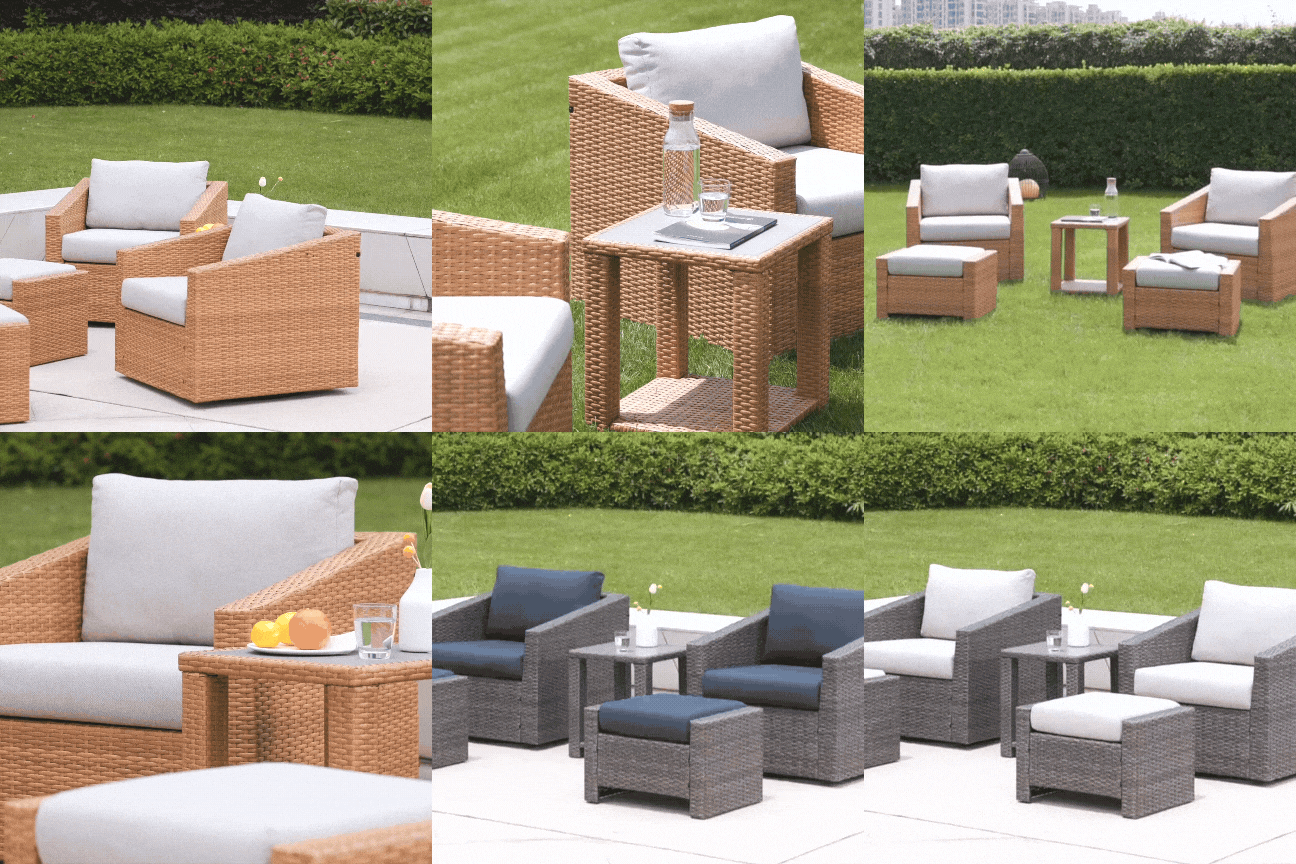








Metal patio furniture holds up well outdoors, which is why it shows up on so many patios and backyards. But even a sturdy set can start showing orange stains, bubbles under the paint, or flakes around the legs and joints. The short answer to why metal patio furniture starts rusting is oxidation. When iron-based metal meets oxygen and moisture, the surface starts breaking down into iron oxide, better known as rust. Paint and powder coating slow that down, but scratches, salt air, trapped water, and age can all give rust a way in.
If you know what starts the process, you can protect your metal patio furniture before the damage spreads.
How metal oxidation works
Rust is a specific kind of corrosion. It happens only on metals that contain iron. When iron, oxygen, and water meet, they create iron oxide, the reddish-brown material that flakes off the surface. Unlike the patina on copper or the thin oxide layer on aluminum, rust does not protect the metal below it. It expands, cracks, and exposes more fresh metal, so the cycle keeps going.
Why moisture matters
Rust does not need a storm to get started. Humidity, dew, fog, pool splash, and water trapped under a cover can be enough. Water works as an electrolyte, which helps electrons move between iron and oxygen. In damp climates, metal furniture needs a sealed surface and regular drying, especially around joints and feet.
Why oxygen matters
Oxygen is always present outdoors. A good coating keeps it away from the metal, but coatings wear down. Once paint or powder coating becomes porous, oxygen can reach the iron underneath. That is why rust sometimes appears as a bubble under the finish before you see orange stains on the outside.

Wrought iron vs steel rust resistance
Different metals handle outdoor conditions differently. If you are buying wrought iron patio furniture, remember that iron content matters. Wrought iron is strong and heavy, but it still needs a good finish. Carbon steel also rusts quickly if the coating fails. Stainless steel performs better because chromium forms a thin protective layer on the surface.
| Metal type | Iron content | Rust risk | Notes |
|---|---|---|---|
| Wrought iron | High | High | Heavy and classic, but it needs regular sealing and repainting. |
| Cast iron | High | High | Durable but prone to surface rust if the finish chips. |
| Carbon steel | High | Very high | Common in lower-cost furniture and dependent on a strong coating. |
| 304 stainless steel | Moderate | Low | Good for most patios, though salt air can still cause staining. |
| 316 stainless steel | Moderate | Very low | Often called marine grade because it resists salt corrosion better. |
Outdoor conditions that make rust worse
The chemistry is simple, but climate changes how fast it happens. A dry inland patio is easier on metal than a coastal deck or a humid garden. For outdoor patio furniture, local weather should shape your maintenance routine.
Salt air
Salt is hard on metal. Sodium chloride makes water more conductive, so rust forms faster. It also holds moisture against the surface after the air feels dry. If you live near the coast, rinse metal frames with fresh water more often and dry them carefully.
Temperature changes
Metal expands and contracts as temperatures rise and fall. Over time, that movement can create tiny cracks in paint or powder coating. Freezing weather makes the problem worse because water inside a crack can expand and open the gap further.
Why painted and powder-coated finishes fail
Powder coating is tougher than ordinary paint, but it is not permanent armor. A dragged chair, dropped tool, sharp edge, or years of sun exposure can damage the surface. Once the coating opens, moisture can reach the metal.
Sunlight can also make some finishes chalky and brittle. Rust may then start at one small chip and creep under the coating. By the time the finish peels, the rust may have spread farther than expected.

How to prevent rust on metal patio furniture
Preventing rust is easier than fixing it later. A simple routine can protect your outdoor chairs and tables without much effort.
Clean and dry the frame
Wash the furniture about once a month with mild dish soap and warm water. Use a soft sponge on powder-coated aluminum or steel. Avoid abrasive pads because they can dull the finish and create tiny scratches.
Rinse around welded joints, screw holes, swivel bases, corners, and feet. These spots hold salt, pollen, and dirt longer than flat surfaces. If the table has slats, clear the gaps so water can drain.
After washing, dry the furniture with a soft towel. Do not leave water sitting in joints, crevices, or under the legs. This matters even more near pools and coastlines, where chlorine and salt can stay behind after water evaporates.
Protect powder-coated frames
Check high-contact areas every few weeks, especially chair arms, lower legs, table edges, and any spot that touches stone or concrete.
If you see a chip, clean it, dry it, and seal it with a compatible outdoor metal touch-up coating. Use thin coats. Heavy paint can trap moisture at the damaged edge.
Aluminum frames do not form red rust, but scratches can still weaken the finish. Protect the coating before corrosion reaches fasteners, joints, or hidden steel parts.
Use a wax barrier
Automotive paste wax or furniture wax can add a water-shedding layer to smooth powder-coated metal. It is useful before humid summers or before putting furniture into storage.
- Clean the surface and make sure it is fully dry.
- Test a hidden spot to make sure the wax does not change the sheen.
- Apply a thin coat with a microfiber applicator.
- Keep wax off fabric, wicker, and Polywood surfaces unless the label says it is safe.
- Let the wax haze according to the product directions.
- Buff with a clean cloth until no residue remains.
Do not over-wax textured finishes. Wax can settle into the grain and collect dust. A light layer is better than a heavy one.
Care for mixed-material sets
Many outdoor sets combine metal frames with Olefin fabric, PE resin wicker, or Polywood surfaces. Each material needs different care. The frame needs drying and coating protection. Cushions need airflow. Tabletops need drainage.
Remove cushions before washing the frame so moisture does not get trapped between fabric, straps, and metal supports. If the cushion covers come off, follow the care label and let them dry fully before putting them back.
For PE resin wicker, skip the pressure washer. Strong water pressure can loosen woven strands and push water into hidden frame areas. Use a soft brush and low-pressure rinse instead.
For Polywood tabletops, keep the gaps clean. Dirt in the grooves can hold water against nearby metal parts.
Choose breathable covers
Covers help, but plastic covers can trap humidity underneath. That can keep the frame damp for days. Use breathable covers with vents whenever possible.
Leave a small air gap under the cover if you can. After heavy rain, remove the cover briefly and check that the frame is dry before covering it again.
Store and move furniture carefully
Before winter storage, clean the frame, dry every joint, and inspect the finish under strong light. Chips near feet and corners usually show up first.
Store furniture on a dry surface, not soil or wet decking. If possible, lift the legs slightly so air can move underneath.
Do not drag metal legs across concrete or stone. Lift the furniture instead. Scraped feet are one of the fastest ways to break the protective coating.
Cosmetic rust vs structural rust
Before sanding and repainting your patio chairs, check how deep the damage goes. Surface rust usually looks like light orange dust or small flakes in one area. You can usually repair it by sanding to bare metal, applying a rust-inhibiting primer, and repainting.
Structural rust is different. Look for pitting, deep craters, soft spots, or thick flakes that come off in layers. If rust has reached a load-bearing leg or joint, the furniture may no longer be safe. In that case, replacement is often better than repair.
Why metal patio furniture starts rusting
Why metal patio furniture starts rusting comes down to moisture, oxygen, and exposed iron. Salt air, scratches, trapped water, and worn coatings speed up the process. The best prevention is simple: choose the right metal for your climate, keep the finish intact, rinse away salt and dirt, dry the frame, and use breathable covers. Small chips are easy to fix. Ignored chips become rust.
FAQs
Does aluminum patio furniture rust?
No. Aluminum does not rust because it does not contain iron. It can oxidize, though, which may create a white, chalky layer. That layer is usually protective rather than destructive.
Can I stop rust after it starts?
Yes, if it is still surface rust. Sand the area down to clean metal, remove all loose rust, apply a rust-inhibiting primer, and finish with exterior metal paint.
Is powder coating 100% rust-proof?
No. Powder coating is durable, but scratches, chips, and UV damage can let moisture reach the metal. Once that happens, rust can spread under the coating and cause bubbling or peeling.
Recommended Products


More to Read
 7 Sofa Trends That Actually Improve Comfort in 2026
Upgrade your living room with furniture that supports your body. Here are 7 modern sofa features designed to maximize your daily comfort...
7 Sofa Trends That Actually Improve Comfort in 2026
Upgrade your living room with furniture that supports your body. Here are 7 modern sofa features designed to maximize your daily comfort...
 Mother's Day Gift Guide: Cozy and Stylish Furniture Picks for Modern Moms
Make Mother's Day more meaningful with furniture gifts that bring comfort, smart features, storage, and quiet luxury into her everyday routine.
Mother's Day Gift Guide: Cozy and Stylish Furniture Picks for Modern Moms
Make Mother's Day more meaningful with furniture gifts that bring comfort, smart features, storage, and quiet luxury into her everyday routine.
 Performance Fabric Reality Check: Does It Really Repel Pet Hair and Stains?
Performance fabric is often marketed as a miracle solution for homes with pets and kids, but the reality is more nuanced. It...
Performance Fabric Reality Check: Does It Really Repel Pet Hair and Stains?
Performance fabric is often marketed as a miracle solution for homes with pets and kids, but the reality is more nuanced. It...