

























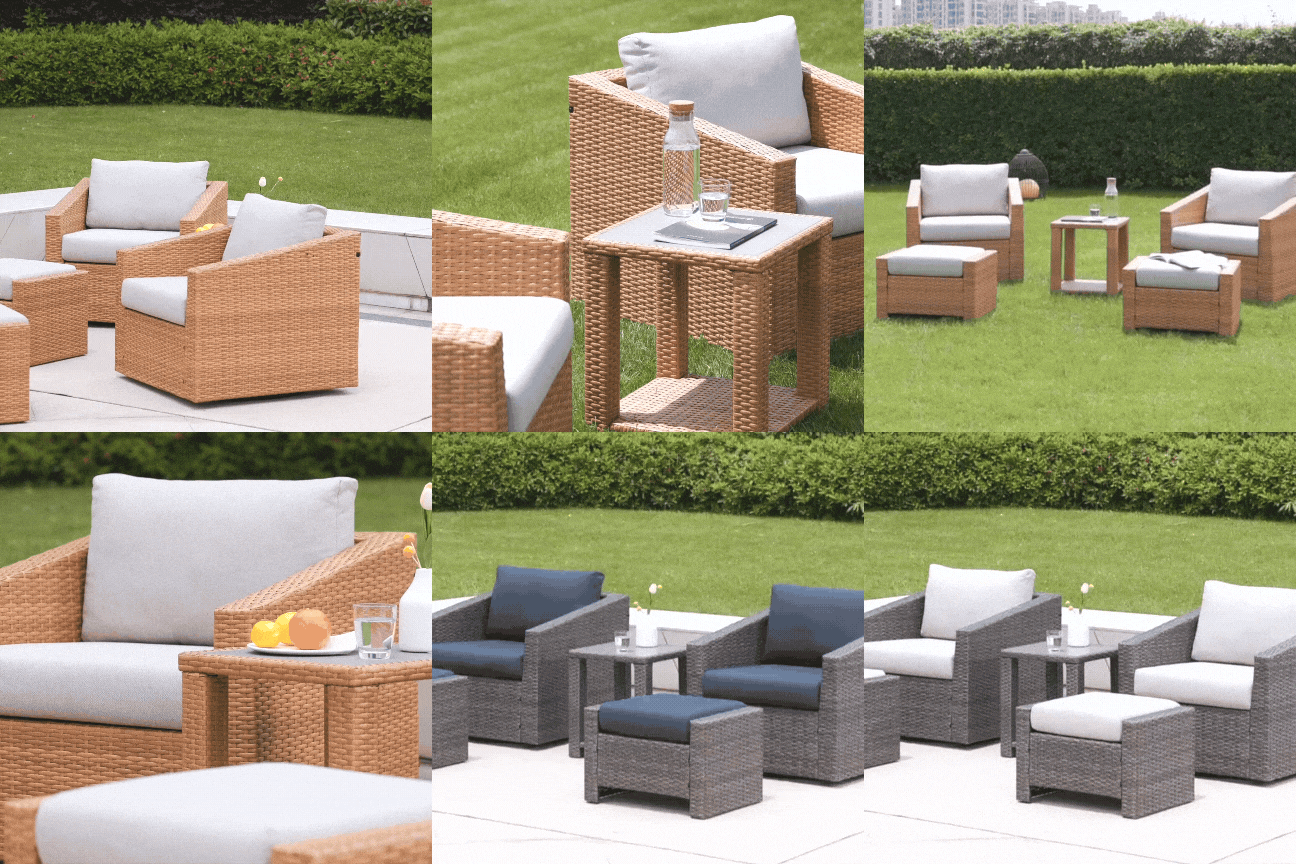







Mold Inside Outdoor Cushions: Causes, Drying, and Next Steps

After rain, the top of a patio cushion may dry before the underside and filling. Check the whole cushion before covering the furniture or packing it away. A dry-feeling surface is only one part of that check.
Why the cover can feel dry while the filling stays wet
Moisture can enter through the fabric, seams, piping, and zipper area. Pool splashes, damp storage, and repeated condensation can also keep cushions wet. Once water reaches the filling, airflow and the cushion's construction determine how readily it can dry. Our guide to outdoor cushions that stay wet after rain explains how to check the underside and inner filling as well as the surface.
Pollen, dust, crumbs, and other organic debris collect on outdoor seating. Moisture and this debris create conditions in which mold can grow. Shaded areas and closely packed cushions can stay damp for longer because air has less access to their surfaces. University of Missouri Extension explains how soil on damp fabrics can support mildew.

Check the cover, seams, and filling
Read the care label and any instructions supplied with your model. Our outdoor furniture collection groups the available seating and matching pieces; use the exact product's care instructions to confirm whether a cover can be removed, washed, or rinsed. A zipper may be there for manufacturing or servicing.
Check for wet seams, debris near zippers, damp undersides, discoloration, and an odor that remains after drying. These observations help locate the problem. Persistent odor and inaccessible filling are useful details to include when arranging an assessment.
Quick-dry cushion constructions use materials and drainage paths intended for outdoor exposure. Ordinary flexible polyurethane foam is often open-cell too. The phrase open-cell by itself gives you limited information about how a complete cushion drains. Look for the specified filling, drainage layer, cover construction, and care instructions together. Our rainy-climate outdoor furniture guide separates frame weather resistance from cushion filling and drainage. For example, the Liana 5-piece patio set specifies foam topped with polyester fiber and loose, reversible cushions.
Dry rain-wet cushions according to their care instructions
The following steps concern cushions wet from ordinary rain or a clean-water splash. Visible mold, persistent odor, or contact with contaminated floodwater requires a separate assessment.
- Move to a suitable drying place. Use a sheltered, ventilated area where the cushion will stay dry.
- Remove excess surface water. Blot or gently press with clean towels as permitted by the instructions.
- Expose both faces to air. Stand the cushion on an edge if its construction allows, with space between it and other cushions.
- Open or remove the cover only when allowed. Keep the cover and filling together with their care instructions.
- Use gentle airflow. A fan can move air across the surfaces. Keep electrical equipment protected from water.
- Check before storage. Inspect the underside, seams, and accessible filling for remaining dampness.
Follow the stated drying method. High heat, a dryer, or repeated hose rinsing may be unsuitable for the cover, filling, or coatings. Drying time varies with filling thickness, remaining moisture, temperature, humidity, and airflow. The EPA's guidance on drying water-damaged upholstery notes that upholstered items can be difficult to dry fully.

What to do about visible mold or a persistent musty smell
Set the affected cushions aside while you assess them. Photograph the visible marks and record whether the filling was soaked, how it was dried, and whether the smell returned. Contact us about care instructions or replacement components for your model.
The U.S. Environmental Protection Agency notes that mold can be difficult to remove from porous materials and that some affected items may need disposal. A professional upholstery or water-damage service can assess whether the filling can be cleaned adequately. Replacing affected filling may be necessary when mold extends inside it.
Use a cleaner only on materials and for purposes named on its label. Keep children and pets away during cleaning and drying. Never mix bleach with ammonia or other cleaning products.

Prevent repeat moisture problems
Remove debris from the supporting furniture as well as the cushions. Our wicker-furniture cleaning guide distinguishes care for natural and resin wicker. If you are matching cushions or covers, identify the furniture's exact model before checking compatibility.
- Brush or vacuum loose debris with a fabric-appropriate tool before it builds up in seams.
- Check cushions after rain, pool use, or repeated humid weather.
- Use furniture covers with suitable ventilation, and cover cushions only after they are dry.
- Leave space for airflow during storage instead of packing damp cushions tightly together.
- Check the storage area for leaks and condensation before putting cushions away for the season.
FAQs
Can cushions be moldy when the outer cover looks clean?
Moisture and growth can be hidden beneath a cover. Persistent odor, wet filling, or recurring discoloration warrants a closer assessment.
Will airing out a cushion remove mold?
Drying addresses moisture. Visible growth or a continuing musty smell needs cleaning or replacement assessment as a separate step.
Should I use a waterproof cover?
Choose a cover suited to your furniture and exposure, with a way for trapped moisture to escape. Check the cushions are dry before fitting it.
Recommended Products


More to Read
 7 Sofa Trends That Actually Improve Comfort in 2026
Upgrade your living room with furniture that supports your body. Here are 7 modern sofa features designed to maximize your daily comfort...
7 Sofa Trends That Actually Improve Comfort in 2026
Upgrade your living room with furniture that supports your body. Here are 7 modern sofa features designed to maximize your daily comfort...
 Mother's Day Gift Guide: Cozy and Stylish Furniture Picks for Modern Moms
Make Mother's Day more meaningful with furniture gifts that bring comfort, smart features, storage, and quiet luxury into her everyday routine.
Mother's Day Gift Guide: Cozy and Stylish Furniture Picks for Modern Moms
Make Mother's Day more meaningful with furniture gifts that bring comfort, smart features, storage, and quiet luxury into her everyday routine.
 Performance Fabric Reality Check: Does It Really Repel Pet Hair and Stains?
Performance fabric is often marketed as a miracle solution for homes with pets and kids, but the reality is more nuanced. It...
Performance Fabric Reality Check: Does It Really Repel Pet Hair and Stains?
Performance fabric is often marketed as a miracle solution for homes with pets and kids, but the reality is more nuanced. It...