












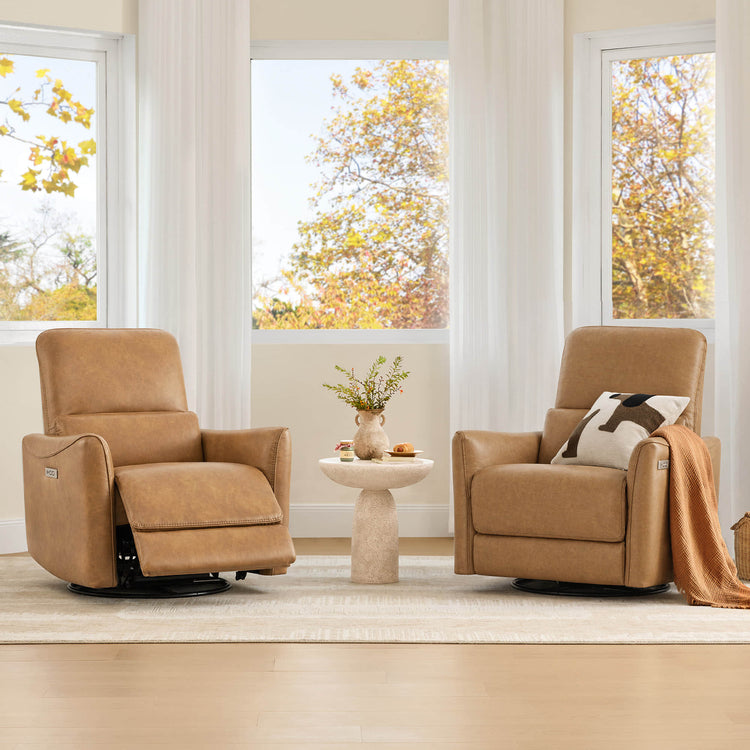
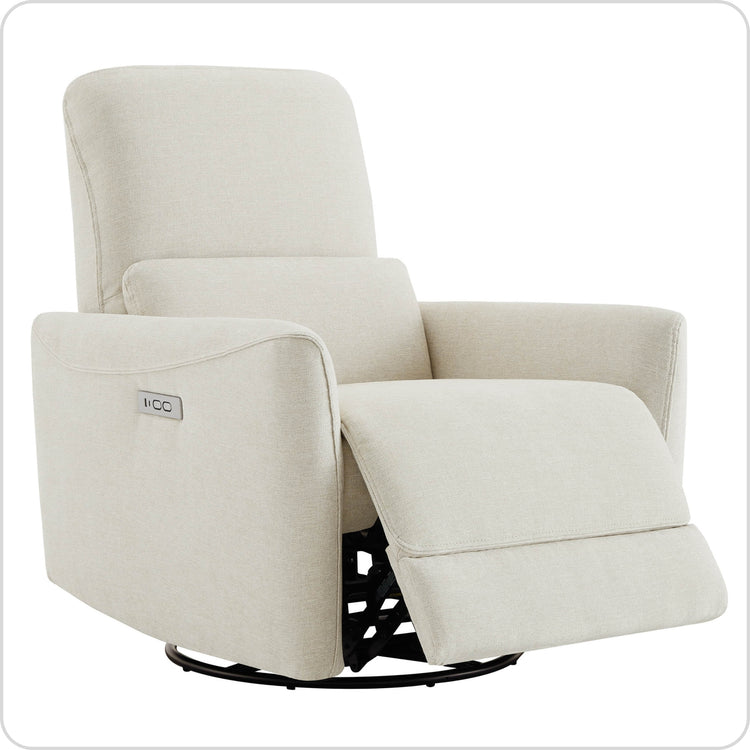
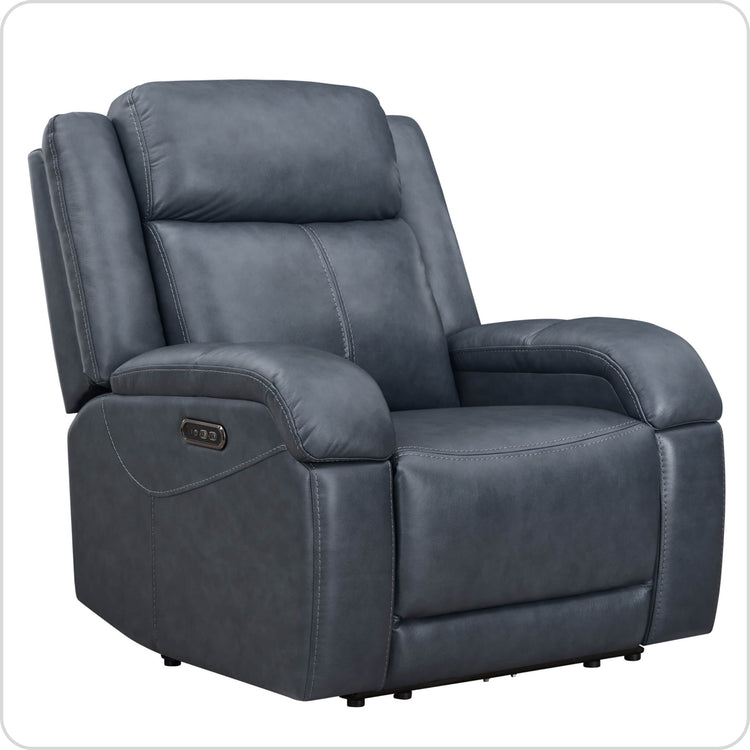
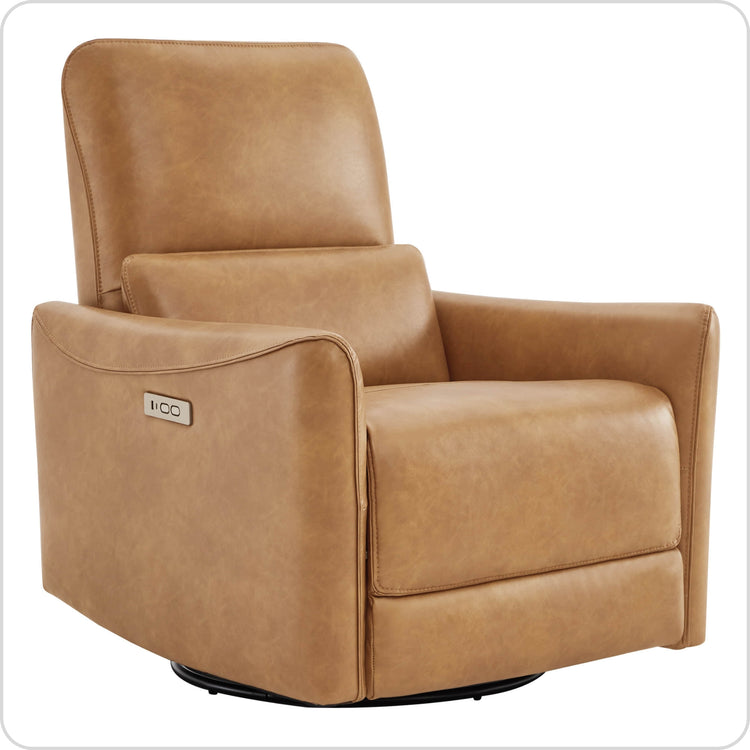






















A zero gravity recliner is worth considering if you want independently adjustable head and foot positioning, your body fits the chair's published dimensions, you have easy access to a power outlet, and you accept that it eases sitting comfort rather than curing back pain. If any of those conditions fail, a traditional manual recliner or a conversation with a healthcare provider may serve you better. The rest of this guide walks through the evidence, the comparison, and the fit and ownership checks that turn that condition into a real decision.

Is a Zero Gravity Recliner Worth It for Back Discomfort?
The honest answer splits in two directions depending on how you sit and what you expect from the chair.

When Zero Gravity May Be Worth Considering
Independent head and foot adjustment earns its price when you shift position often while reading, working from a laptop, or watching TV. Being able to fine-tune the headrest angle separately from the footrest lets you search for a position that keeps your neck and lower back comfortable instead of settling for one fixed recline. That value only shows up once the chair actually fits your height, weight, and the room where it will sit, which is why the fit checks later in this guide matter as much as the recline feature itself.
When a Simpler Chair May Be the Better Value
A traditional recliner can be the smarter buy if you would rather skip a motor, a power cord, and an outlet requirement altogether. It's also the better call if a chair fits your body poorly, or if you're shopping because you expect a guaranteed fix for back pain. If your pain is severe, getting worse, followed a recent injury, or comes with numbness, weakness, or other concerning symptoms, treat that as a reason to see a healthcare provider rather than rely on any recliner.
What Zero Gravity Positioning Can—and Cannot—Tell You
Zero gravity positioning is a specific body angle, not a medical treatment, and the distinction changes what you should expect from it.
What the Position Is Intended to Change
The zero gravity position raises your legs roughly level with or above your heart while reclining your torso back. It's meant to distribute your weight more evenly across the seat and backrest instead of concentrating it on your lower back and hips. Because the headrest and footrest usually adjust independently, you can keep experimenting with the angle until you land on one that feels supportive for your body, rather than being locked into a single recline point.
What the Available Evidence Does Not Prove
Marketing language often claims zero gravity seating reduces spinal compression, boosts circulation, and relieves back pain outright. Those specific physiological outcomes are not established by the evidence available for recliner-style seating, so treat them as unverified rather than settled facts. What is better supported is more general chair-fit guidance: your seat depth should let a fist fit between the back of your calf and the front of the chair, your lower back needs cushioned support so you don't slump, and you should stand, stretch, or walk for a minute or two every half hour rather than staying still for hours, according to ergonomic guidance from UCLA Health. That advice applies whether or not the chair reclines to zero gravity.
When a Recliner Is Not Enough
No recliner, zero gravity or otherwise, substitutes for a medical evaluation. A review of low back pain guidelines found dozens of "red flag" symptoms tied to serious causes like fracture or infection, though the guidelines themselves don't fully agree on which flags matter most, so err on the side of caution with concerning back-pain symptoms. If your pain fits that description, seek care before shopping for furniture.
Zero Gravity vs. Traditional Recliners: Which Fits Your Routine?
The two chair types trade control for simplicity, and the right pick depends on which one you actually need.
The Practical Trade-Off at a Glance
| Criteria | Powered zero gravity | Traditional manual |
|---|---|---|
| Positioning | Independently adjustable headrest and footrest; raises legs near or above heart level | Fixed recline points set by the mechanism, no independent head/foot control |
| Fit and head support | Often includes an adjustable headrest; published height/weight limits let you check fit in advance | Fit depends on the model's fixed geometry; test in person for lower-back and neck support |
| Power dependence | Requires an outlet and a working motor for every adjustment | No electrical connection needed; recline is manual |
| Complexity and maintenance | More components (motor, controls, wiring) to verify and maintain | Fewer moving parts and nothing to plug in |
| Choose it when | You want fine-tuned, repeatable positioning and have outlet access | You want simplicity and no motor dependence |
Use the Choice Rule, Not the Label
Choose a powered zero gravity recliner when independently adjusting your head and feet is worth managing a power cord and motor, and an outlet is within reach of where you want the chair. Choose a traditional manual recliner when you'd rather avoid electrical components entirely, or when a simpler chair actually fits your back and neck better than the powered option does. The label "zero gravity" is a feature, not a guarantee that it beats a manual chair for your specific body.
Check Body Fit and Neck Support Before You Buy
Fit determines whether the recline feature helps you or just sits unused, so check it before you order.
Match the Chair to Your Body
Compare the seat width, seat depth, seat height, back height, and any published suggested-height or weight-capacity range against your own measurements before buying. For example, our Leif power recliner lists a suggested user height of 5'1" to 6'1" and a 350-pound weight capacity, figures that apply to that specific model and should not be assumed for other chairs.
Check Head, Neck, and Lower-Back Alignment
Sit in the chair, upright and reclined, and check that the headrest supports your head without pushing your chin down or forcing your eyes into an odd angle. Your lower back should stay in contact with cushioned support in both positions, and your arms should rest comfortably without hunching your shoulders. If either position leaves your neck or lower back unsupported, that's a fit problem the recline feature can't fix.
Test Access and Movement
Before ordering, check the doorway width and wall clearance the chair needs, along with where the power cord will sit once it's plugged in. Even a well-fitted chair benefits from regular breaks. As the UCLA guidance on prolonged sitting notes, standing, stretching, or walking briefly every half hour matters more than the chair's recline angle alone.
How to Evaluate Motors, Maintenance, Warranty, and Returns
There's no universal number for how long a recliner motor lasts, so judge reliability through documentation instead of a lifespan claim.
What Motor Documentation Can Tell You
A certified motor and a documented motor type describe what's inside the chair, but they don't predict how many years it will run. Before buying, confirm whether the chair requires a dedicated outlet, how long the power cord is, and whether the motor setup matches your room's layout.
Maintenance and Ownership Checks
Look for model-specific assembly, maintenance, and troubleshooting instructions before you buy, not after something goes wrong. If a mechanism ever stalls, don't force it. Check the manual for the documented fix first.
Warranty, Returns, and Service
Check the warranty term and exactly what it covers, along with the support contact method, the return window, and any cancellation terms before checkout. Also confirm the delivery area and typical delivery timeline, since a chair that arrives late or doesn't fit through your doorway turns a simple return into a bigger hassle. These documented terms tell you more about real ownership risk than any generic promise about how long a motor should last.
Where a CHITA Zero Gravity Recliner Fits the Decision
Once you've worked through fit, power, and ownership questions, here's where our verified product facts fit the decision.
What We Can Verify About the Leif
Our Leif zero-gravity recliner uses a dual-motor system with UL-certified motors and controls, an independently adjustable headrest and footrest, and a documented 140-degree maximum recline with a Super Zero-Gravity mode. It's built for a suggested user height of 5'1" to 6'1" and a 350-pound weight capacity, with a 22.0-inch seat width, 20.5-inch seat depth, 6.9 inches of required wall clearance, and a doorway opening of at least 29.7 inches. We back it with a one-year furniture warranty, a 30-day return policy, and free shipping to the 48 contiguous states and Washington, D.C.
Who Should Pass on It
This chair isn't the right fit if you don't have a convenient outlet nearby, if you'd rather operate a recliner manually, if your height or weight falls outside the published range, or if your doorway or wall space can't accommodate its clearance requirements. It's also not the right purchase if you're expecting a medically proven fix for back pain rather than a comfortable, adjustable place to sit. If your measurements and space check out, you can review current pricing and options on the product page before ordering.
FAQs
Is a zero gravity recliner a treatment for back pain?
No. It's a furniture feature that changes your sitting position, not a proven treatment or cure for back pain. If your pain is severe, getting worse, follows an injury, or comes with numbness or other concerning symptoms, see a healthcare provider instead of relying on a recliner.
Can I use a zero gravity recliner without a power outlet?
Powered zero gravity models need an electrical connection to move the headrest, footrest, and recline mechanism, so they won't adjust without power. A manual recliner doesn't have this requirement. Plan your outlet and cord placement before you buy a powered chair.
What should I do if my powered recliner stops moving?
Stop trying to force the mechanism, since that can cause more damage. Check the manual for the documented power and connection steps first, and contact the manufacturer's support team if the chair still won't move. There's no universal reset sequence that works across every model, so rely on the specific documentation for your chair.
Sources
- UCLA Health. Ergonomic and Proper Posture for Sitting.
- National Library of Medicine. Low back pain guideline review.
Recommended Products



More to Read
 7 Sofa Trends That Actually Improve Comfort in 2026
Upgrade your living room with furniture that supports your body. Here are 7 modern sofa features designed to maximize your daily comfort...
7 Sofa Trends That Actually Improve Comfort in 2026
Upgrade your living room with furniture that supports your body. Here are 7 modern sofa features designed to maximize your daily comfort...
 Mother's Day Gift Guide: Cozy and Stylish Furniture Picks for Modern Moms
Make Mother's Day more meaningful with furniture gifts that bring comfort, smart features, storage, and quiet luxury into her everyday routine.
Mother's Day Gift Guide: Cozy and Stylish Furniture Picks for Modern Moms
Make Mother's Day more meaningful with furniture gifts that bring comfort, smart features, storage, and quiet luxury into her everyday routine.
 Performance Fabric Reality Check: Does It Really Repel Pet Hair and Stains?
Performance fabric is often marketed as a miracle solution for homes with pets and kids, but the reality is more nuanced. It...
Performance Fabric Reality Check: Does It Really Repel Pet Hair and Stains?
Performance fabric is often marketed as a miracle solution for homes with pets and kids, but the reality is more nuanced. It...