
























Pet-Proof Luxury: How to Choose a Power Recliner That Survives Claws and Paws

Pet-Proof Luxury: How to Choose a Power Recliner That Survives Claws and Paws
Pet owners who want a stylish power recliner no longer have to choose between luxury looks and everyday durability. Performance fabric recliners that combine tight weaves, stain-resistant finishes, and robust construction can handle claws, shedding, and spills while preserving a polished appearance in your living room.

The key is knowing what separates marketing language from genuine pet-friendly performance. By focusing on specific material traits and construction details, you can select a power recliner that stays beautiful despite active pets.
Why Pet Damage Happens to Luxury Recliners
Active cats and dogs introduce three main stressors to upholstered furniture: sharp claws that abrade or snag surfaces, loose hair that embeds in fibers, and accidental spills or odors. In family living rooms, these issues compound on power recliners because the moving mechanisms and deep seams create "trap zones" for pet dander and debris.
Many recliners look ideal in showrooms but fail at home when loose weaves trap hair or delicate finishes show scratches within months. Understanding these real-world stresses helps you evaluate options more effectively before purchase.
What Makes a Recliner Truly Pet Friendly
A truly pet-friendly power recliner balances attractive design with practical resilience. According to professional upholstery guidance, performance fabrics or tightly woven synthetics are commonly chosen because they can improve durability, stain resistance, and day-to-day cleanup (Cleaning Resources & Considerations).
Key Indicators of Quality:
- High-Density Weaves: Look for fabrics where the threads are packed so tightly that you cannot see the backing material when the fabric is pulled taut.
- Inherent Resistance: Fabrics like solution-dyed acrylics or high-denier polyesters often perform better than topical "spray-on" treatments that can wear off over time.
- Accessible Mechanisms: Choose models where the space between the seat and the footrest is easy to reach with a vacuum crevice tool.
Note: No upholstery is fully claw-proof. Results depend on your pets' behavior and your maintenance routine. This article discusses comfort and setup considerations only and does not constitute medical, veterinary, or material-testing advice.
How to Spot True Scratch and Stain Resistance
Marketing terms like "pet friendly" can be vague. To find a recliner that actually survives, look for these specific technical benchmarks:
1. The "Double Rub" Count (Abrasion Resistance)
Ask for the Wyzenbeek or Martindale test results. For a home with active pets, look for a rating of 30,000 to 50,000+ double rubs. This indicates the fabric can withstand the repetitive friction of a dog jumping up or a cat kneading.
2. Weave Tightness vs. Snag Risk
If the retailer doesn't have data, use the "Light Test": Hold a fabric sample up to a bright light. If you see many pinpricks of light through the weave, it is likely loose enough for a cat's claw to hook and pull a thread. A "pet-proof" fabric should be nearly opaque.
3. The Fallback Decision Rule
If a salesperson cannot provide test data, follow this rule of thumb: Smooth is safer. Avoid textures like chenille, boucle, or loose tweeds. Microfibers and flat-woven performance polyesters are the industry standard for a reason—they offer fewer "loops" for claws to catch.
Performance Fabric vs Leather: Which Wins for Pets?
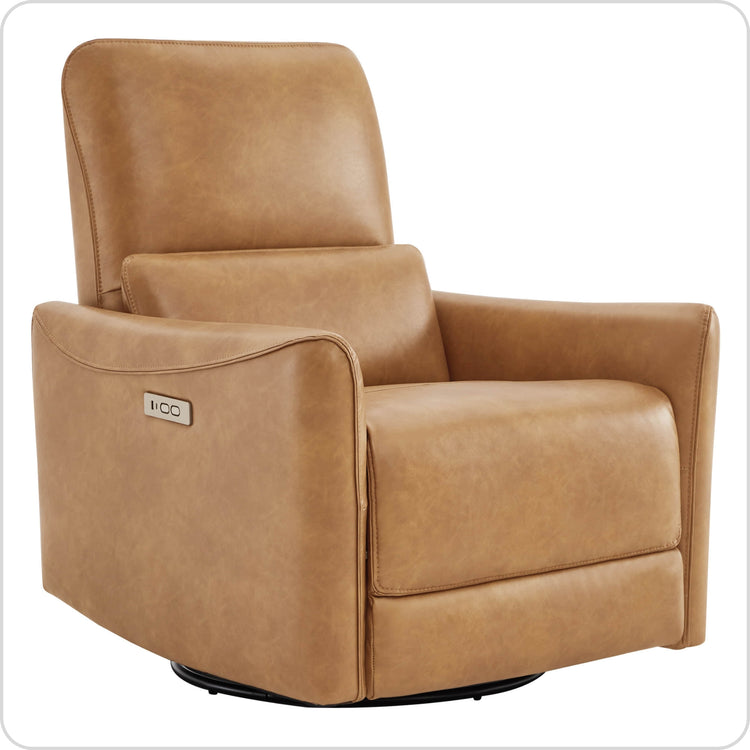
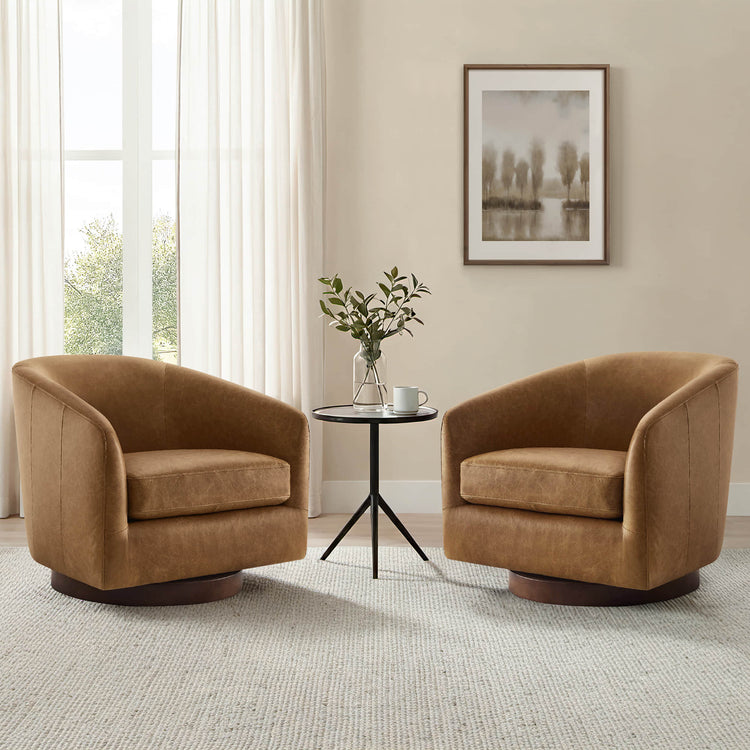
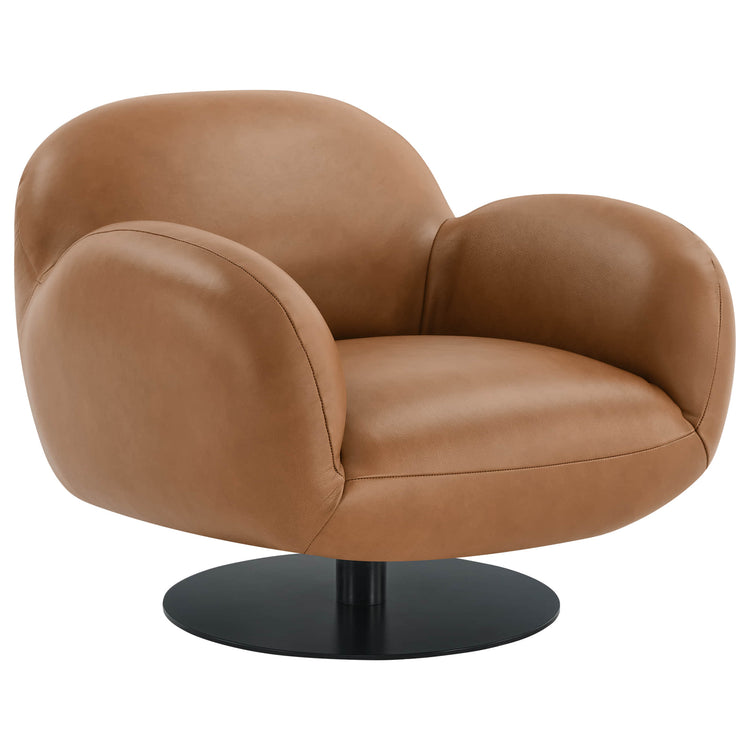
Performance fabric recliners often edge out leather for multi-pet households because they combine stain resistance with better scratch hiding. While leather is excellent for wiping away liquid spills, it can show permanent "scuffing" from claws that requires professional repair.
Qualitative Comparison (Heuristic Guide) Note: The following comparisons are illustrative heuristics based on general material properties, not laboratory results for specific products. Do not use these scores as a guarantee of performance.
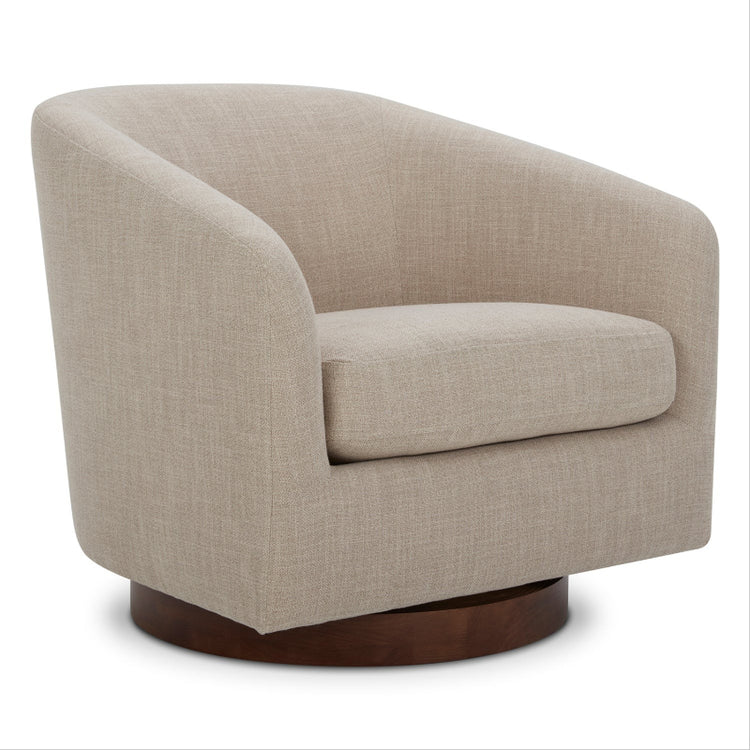
- Performance Fabric: High Stain Resistance | High Hair Release | High Scratch Hiding.
- Top-Grain Leather: High Wipeability | Low Hair Retention | Low Scratch Hiding (scratches remain visible).
- Velvet/Boucle: Low Hair Release (traps fur) | Moderate Stain Risk | High Snag Risk.
Pet-Home Upholstery: Typical Performance Tradeoffs
Illustrative 0–10 comparison based on common industry patterns and article evidence: performance fabrics tend to score higher on stain resistance and overall cleanability; leather is usually wipeable but less forgiving of claws and scratch hiding; tightly woven options can improve hair release and maintenance compared with open textures. Scores are normalized for comparison, not lab measurements.
View chart data
| Series | Scratch / abrasion resistance | Stain resistance | Hair resistance | Ease of cleaning | Overall pet suitability |
|---|---|---|---|---|---|
| Performance Fabric | 7.0 | 9.0 | 8.0 | 9.0 | 9.0 |
| Leather | 5.0 | 7.0 | 7.0 | 8.0 | 7.0 |
| Boucle / Tweed | 4.0 | 4.0 | 3.0 | 4.0 | 4.0 |
| Illustrative pet-fit benchmark | 6.0 | 6.0 | 6.0 | 6.0 | 6.0 |

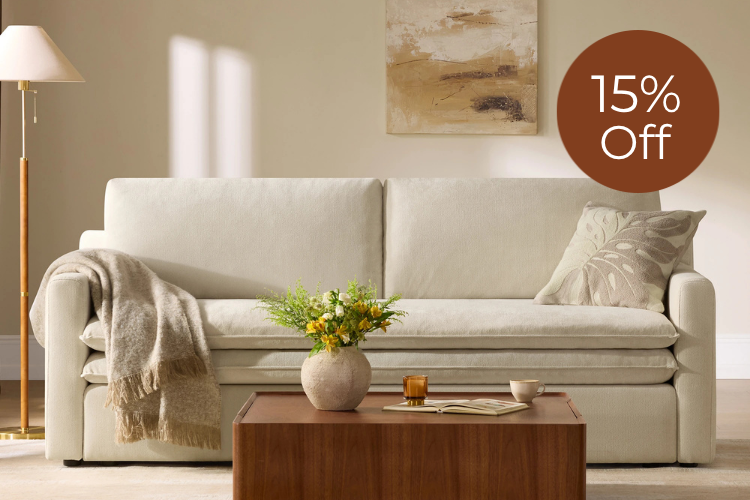
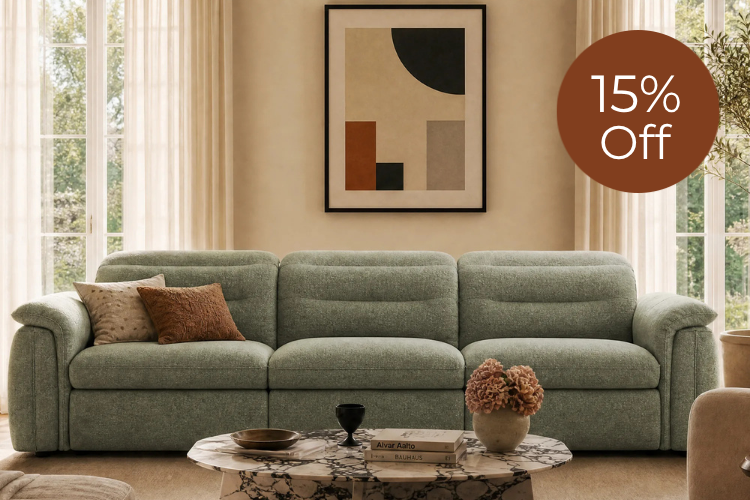
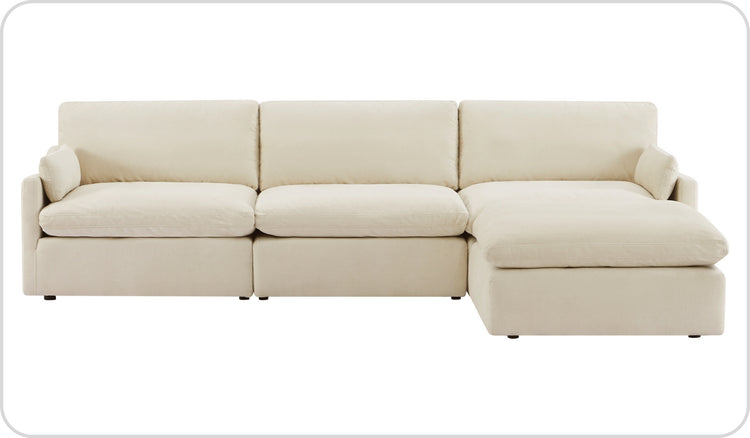
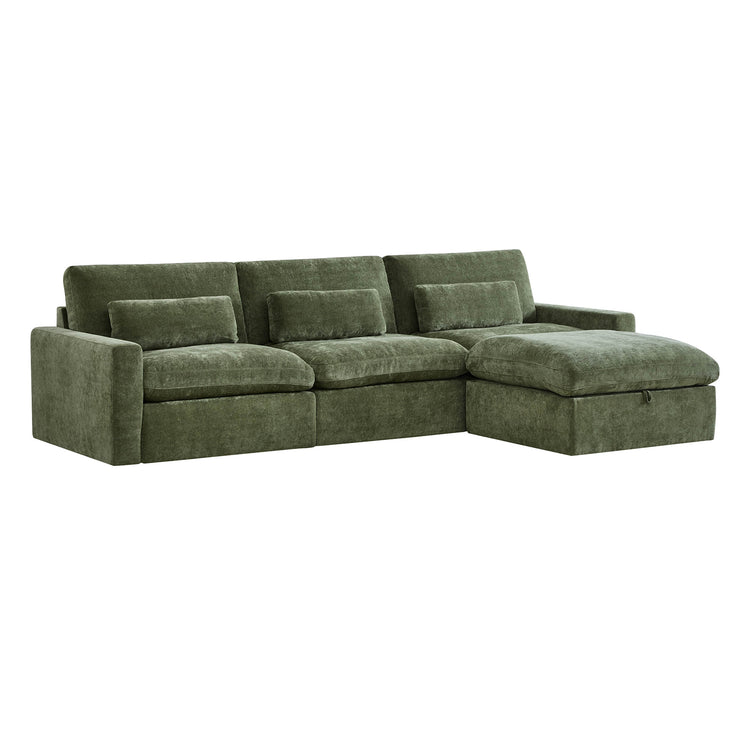
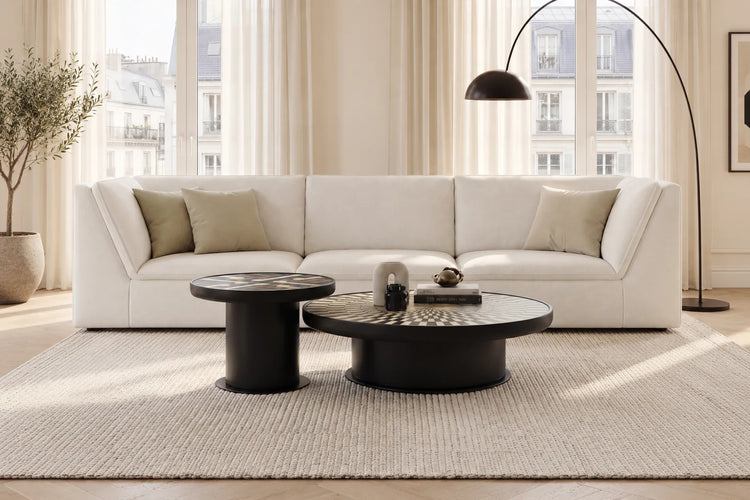
Our performance fabric sofas demonstrate the same durable weaves used in our recliners, offering the balance of stain and hair resistance that pet owners require.
How to Clean Pet Hair, Odors, and Stains
Effective maintenance starts with manufacturer instructions. For upholstered furniture, spot-cleaning should follow the manufacturer’s instructions, and cleaner choice matters (guidelines for cleanability bifma hcf 8.1-2014).
Expert Cleaning Tips:
- The Rubber Glove Trick: To remove embedded hair that a vacuum misses, put on a damp rubber dishwashing glove and run your hand over the fabric. The friction causes the hair to clump into easy-to-grab balls.
- Enzymatic Cleaners: For organic accidents, use an enzyme-based cleaner that breaks down proteins rather than just masking odors. Always test on an inconspicuous spot first.
- Mechanism Safety: Never spray liquid cleaners directly into the gaps of a power recliner. Moisture can seep into the motor or wiring. Apply cleaner to a cloth first, then blot.
Pre-Purchase Checklist: The "Pet-Proof" Test
Before committing to a luxury power recliner, perform these three "in-store" tests if possible:
- The Snag Test: Take a dull object (like a key or a closed paperclip) and gently drag it across a fabric sample. If it catches or pulls a loop, your pet's claws will do the same.
- The Hair Release Test: If you have a sample swatch, rub it against your clothing or a piece of wool. Use a lint roller or your hand to see how easily the fibers release the "fur."
- The Crevice Check: Reach your hand into the "sides" of the recliner while it is in the upright and reclined positions. If there are deep, unreachable pockets, they will become "fur traps" that are impossible to clean.
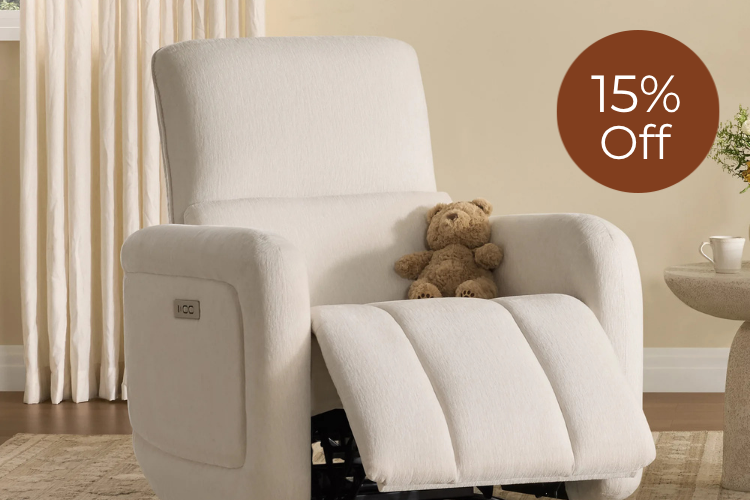
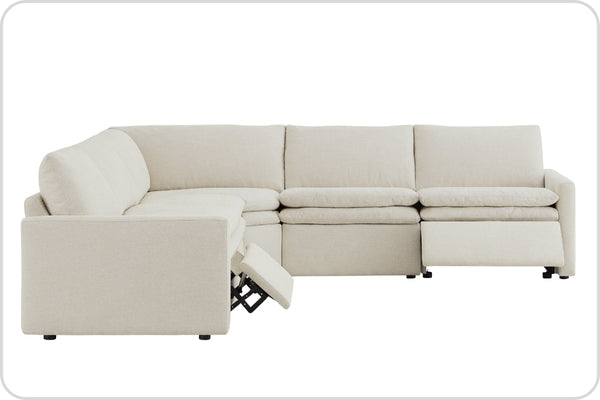
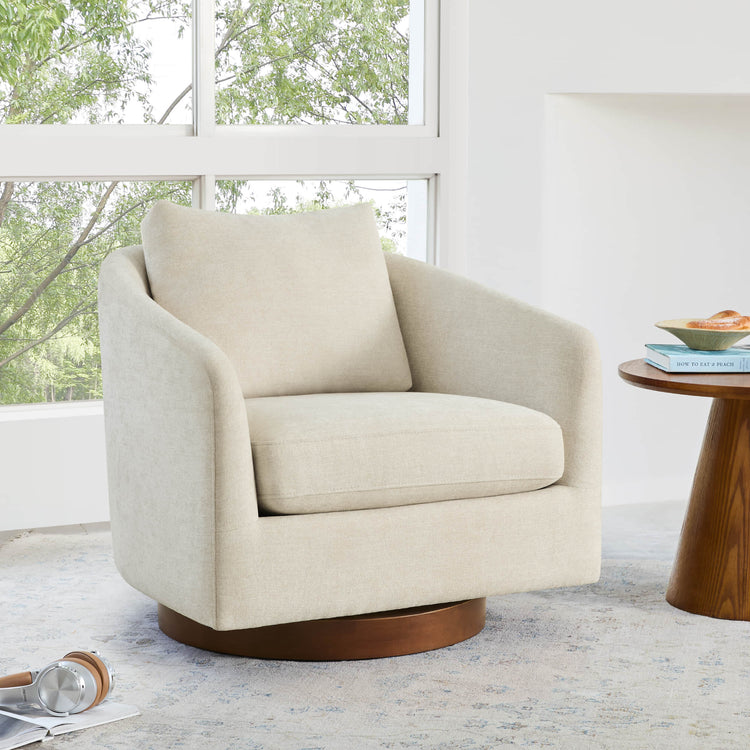
For stylish yet practical seating, explore our recliners collection featuring performance options built for real life. Our modern oversized accent chairs with easy-clean performance fabric offer similar benefits for pet households seeking versatility.
Additional reading: See our guide to fabric or leather choices and selecting the right fabric for power glider recliners.
Frequently Asked Questions
How can I tell if a fabric is actually pet friendly?
Check the weave density and the "double rub" count. A truly pet-friendly fabric should have at least 30,000 double rubs and a weave tight enough that you cannot see the backing. Avoid loose textures like boucle or oversized knits.
Is performance fabric better than leather for pets?
It depends on the pet. Performance fabric is better at hiding scratches and releasing hair. Leather is better for immediate wipe-downs of liquids but will show permanent claw marks more easily.
What is the best way to remove pet hair from a recliner?
Weekly vacuuming with an upholstery tool is essential. For stubborn hair, use a damp rubber glove or a specialized silicone brush to "clump" the hair together before vacuuming.
Can power recliners handle frequent cleaning?
Yes, provided you do not saturate the fabric. Use "blotting" techniques and avoid getting moisture near the electronic motors or switches. Always allow the chair to dry completely before operating the power mechanism.
How often should I clean a pet-friendly recliner?
Vacuum the seams and seat weekly to prevent dander buildup. Deep clean with a manufacturer-approved method every 6 months to maintain the integrity of the performance fibers.
Our nursery glider recliners showcase easy-clean performance options that translate well to pet families, while the broader armchairs and accent chairs collection includes durable choices for mixed-use spaces.
Recommended Products


More to Read
 7 Sofa Trends That Actually Improve Comfort in 2026
Upgrade your living room with furniture that supports your body. Here are 7 modern sofa features designed to maximize your daily comfort...
7 Sofa Trends That Actually Improve Comfort in 2026
Upgrade your living room with furniture that supports your body. Here are 7 modern sofa features designed to maximize your daily comfort...
 Mother's Day Gift Guide: Cozy and Stylish Furniture Picks for Modern Moms
Make Mother's Day more meaningful with furniture gifts that bring comfort, smart features, storage, and quiet luxury into her everyday routine.
Mother's Day Gift Guide: Cozy and Stylish Furniture Picks for Modern Moms
Make Mother's Day more meaningful with furniture gifts that bring comfort, smart features, storage, and quiet luxury into her everyday routine.
 Performance Fabric Reality Check: Does It Really Repel Pet Hair and Stains?
Performance fabric is often marketed as a miracle solution for homes with pets and kids, but the reality is more nuanced. It...
Performance Fabric Reality Check: Does It Really Repel Pet Hair and Stains?
Performance fabric is often marketed as a miracle solution for homes with pets and kids, but the reality is more nuanced. It...