
























The 2026 Framework for Performance Fabric Durability
Performance fabrics marketed for sofas, recliners, and accent chairs often promise exceptional durability, yet many households with pets or children still experience pilling, snagging, or premature wear. As of 2026, the industry continues to rely on a standardized set of abrasion tests—primarily Martindale and Wyzenbeek—to help buyers interpret spec sheets objectively. This guide provides a current framework for selecting upholstery that matches real-world demands without relying solely on marketing claims.

The Shift Toward Engineered Performance Fabrics
The furniture industry has moved from purely aesthetic choices to engineered materials designed for longevity. Performance fabrics undergo rigorous mechanical testing to quantify resistance to everyday wear. This shift benefits value-conscious upgraders who compare specifications across product pages for recliners, modular sofas, and accent chairs. Rather than accepting vague terms like "durable" or "pet-friendly," consumers can now reference specific test results to assess suitability for high-traffic living rooms.
Abrasion resistance represents only one dimension of durability. Industry standards separate measurements for surface wear from other factors such as pilling and snagging. This distinction is critical: a high abrasion rating does not automatically protect against all forms of damage common in homes with kids or animals.
How the Furniture Industry Tests Fabric: The Machines Behind the Metrics
Fabric durability testing relies on standardized laboratory equipment that simulates repeated mechanical stress. The Martindale method employs a dedicated abrasion testing apparatus where fabric specimens are rubbed in a Lissajous figure pattern against a standard abrasive material until breakdown occurs. This ISO 12947-2 standard defines specimen breakdown criteria precisely.
The Wyzenbeek test, widely used in North America, operates differently. Fabric moves back and forth over a standardized abrasive like #10 cotton duck under controlled pressure and tension. One complete back-and-forth motion counts as a "double rub."
ASTM International also publishes related methods, including guides for abrasion resistance of textile fabrics that reference multiple test approaches. These standardized procedures ensure results can be compared across manufacturers, although differences in test mechanics prevent direct numerical equivalence between methods.

Martindale vs Wyzenbeek: Definitions, Differences, and Regional Preferences
Martindale and Wyzenbeek both measure abrasion resistance but use distinct motions and reporting units. Martindale results appear as cycles or rubs, while Wyzenbeek uses double rubs. The tests are not interchangeable, and a fabric scoring well in one may perform differently in the other due to weave, fiber type, and test conditions.
European manufacturers and international standards often favor Martindale, while North American contract furniture frequently references Wyzenbeek. When comparing products, note the test method alongside the number. A claim of "100,000 rubs" requires clarification of whether it derives from Martindale cycles or Wyzenbeek double rubs.
The ISO 12947 series separates apparatus description from breakdown assessment, underscoring that a single score simplifies a multi-part evaluation process.
The Double Rub Scale: Planning for Residential vs. Commercial Use
A "double rub" refers to one complete back-and-forth motion in the Wyzenbeek test. Higher counts indicate greater resistance to simulated surface wear. While there is no universal "pass/fail" for every home, the Association for Contract Textiles (ACT) provides voluntary performance guidelines that serve as a reliable heuristic for planning.
Based on these industry-standard classifications, here is how to interpret the numbers:
- Light Use (approx. 6,000 – 9,000 double rubs): May be suitable for decorative pieces or accent chairs that see infrequent use.
- Medium Duty (approx. 15,000 double rubs): Often considered the baseline for standard residential furniture in low-traffic areas.
- Heavy Duty (30,000+ double rubs): Recommended for primary family room sofas and high-use recliners.
- Contract Grade (50,000+ double rubs): Targeted for commercial environments like hotels or offices, providing a significant "buffer" for active households.
Martindale equivalents generally range from 20,000 cycles for residential use to 40,000 or higher for demanding environments. These figures are planning references only; actual longevity is influenced by maintenance and the specific fiber blend.
Residential vs Commercial Upholstery Abrasion Thresholds
Use this snapshot to compare abrasion scales across test methods and to identify the rough durability levels that matter for households with pets or kids.
View chart data
| Category | Threshold (double rubs / cycles) |
|---|---|
| Wyzenbeek Residential Medium | 15000.0 |
| Wyzenbeek Residential Heavy | 30000.0 |
| Wyzenbeek Commercial | 50000.0 |
| Martindale Residential | 20000.0 |
| Martindale Commercial | 50000.0 |
The table above illustrates typical planning ranges. Actual requirements vary by usage intensity, and higher numbers provide a buffer rather than absolute immunity.
Beyond Abrasion: Pilling, Snagging, and Pet Claws
Abrasion resistance does not fully address all durability concerns. The Martindale family of standards also includes separate testing for surface fuzzing and pilling using a modified method. A fabric can excel in abrasion testing yet still develop pills or fuzz under normal use.
Snagging from pet claws presents another distinct failure mode. For households with pets, a common rule of thumb is to target at least 30,000 double rubs, but this should be viewed as a starting point. If your pet is prone to frequent scratching or high-friction play, the fabric's weave density and snag resistance (often tested via the "Mace" test) are more critical than the rub count alone.
Pile fabrics may require additional evaluation methods, such as those outlined in ASTM standards for pile fabric abrasion. Performance fabric may reduce visible wear compared with standard textiles, yet results remain setup-dependent and influenced by animal behavior and maintenance habits.
How to Read a Spec Sheet Like a Pro
Effective spec sheet evaluation requires separating different performance metrics rather than focusing on a single number. Look first for the test method (Martindale or Wyzenbeek), then the reported abrasion value. Cross-reference with pilling ratings, colorfastness, and any construction details such as weave type or fiber content.
Ask whether the rating reflects residential or commercial guidance. For family rooms or pet areas, target heavy-duty residential thresholds or entry-level contract grades. Compare similar products using the same test method when possible.
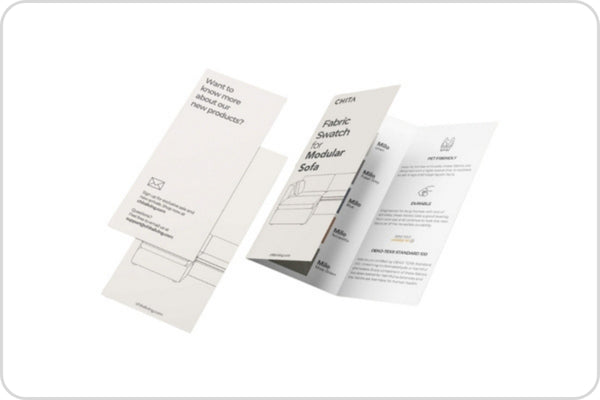
Check for additional certifications such as OEKO-TEX for chemical safety, although these address different aspects than mechanical durability. When reviewing online product pages for performance fabric modular sofas or accent chairs, note how manufacturers present the numbers and whether they provide context.
What Performance Fabric Cannot Survive: Understanding the Limitations
Even high-performing fabrics have boundaries. Performance upholstery resists abrasion better than many conventional textiles but cannot withstand deliberate damage, extreme sharp objects, or prolonged exposure to certain conditions. High rub counts do not guarantee protection against pet claws, and abrasion testing differs from pilling or fuzzing evaluation.
Fabrics may still show signs of wear over years in very high-traffic homes. Direct sunlight, harsh chemicals, or improper cleaning can degrade performance independently of abrasion ratings. The material cannot replace responsible use or routine care.
This article discusses comfort and setup considerations related to fabric durability. It does not constitute medical advice, diagnosis, or treatment. If persistent discomfort or specific health concerns arise from furniture use, consult qualified professionals.
For families evaluating pet-friendly seating options, combine high-spec fabrics with practical habits such as using throws during active play or scheduling regular maintenance.
Frequently Asked Questions
What Is a Double Rub Rating in Upholstery?
A double rub counts one complete back-and-forth motion in the Wyzenbeek abrasion test. Manufacturers report this figure to indicate how many such cycles the fabric withstands before showing noticeable wear under standardized conditions.
How Many Double Rubs Do I Need for a Pet-Friendly Sofa?
For homes with pets, a common recommendation is to target at least 30,000 double rubs (Wyzenbeek) or equivalent Martindale ratings. However, this must be paired with high pilling resistance and a tight weave to minimize snagging from claws.
Does a Higher Martindale Score Mean Better Resistance to Snagging?
No. Martindale primarily measures surface abrasion. Snagging and pilling use separate test protocols, so a high abrasion score does not necessarily predict performance against sharp pet claws or other snag hazards.
Why Do Some High-Rated Fabrics Still Pill Over Time?
Pilling results from fiber entanglement under friction, evaluated through distinct methods such as the modified Martindale pilling test (ISO 12945-2). Abrasion resistance and pilling resistance measure different phenomena, allowing a fabric to perform well in one while showing pills in the other.
Are Martindale and Wyzenbeek Results Directly Comparable?
The tests use different motions, pressures, and abrasives, making direct numerical comparison unreliable. Always note the specific test method when evaluating claims across different products or regions.
References
- ISO 12947-2:2016 - Textiles — Determination of the abrasion resistance of fabrics by the Martindale method
- ISO 12945-2:2020 - Textiles — Determination of fabric propensity to surface fuzzing and to pilling
- ASTM D4158 Standard Guide for Abrasion Resistance of Textile Fabrics
- Association for Contract Textiles (ACT) Voluntary Performance Guidelines for Upholstery Fabric
Recommended Products


More to Read
 7 Sofa Trends That Actually Improve Comfort in 2026
Upgrade your living room with furniture that supports your body. Here are 7 modern sofa features designed to maximize your daily comfort...
7 Sofa Trends That Actually Improve Comfort in 2026
Upgrade your living room with furniture that supports your body. Here are 7 modern sofa features designed to maximize your daily comfort...
 Mother's Day Gift Guide: Cozy and Stylish Furniture Picks for Modern Moms
Make Mother's Day more meaningful with furniture gifts that bring comfort, smart features, storage, and quiet luxury into her everyday routine.
Mother's Day Gift Guide: Cozy and Stylish Furniture Picks for Modern Moms
Make Mother's Day more meaningful with furniture gifts that bring comfort, smart features, storage, and quiet luxury into her everyday routine.
 Performance Fabric Reality Check: Does It Really Repel Pet Hair and Stains?
Performance fabric is often marketed as a miracle solution for homes with pets and kids, but the reality is more nuanced. It...
Performance Fabric Reality Check: Does It Really Repel Pet Hair and Stains?
Performance fabric is often marketed as a miracle solution for homes with pets and kids, but the reality is more nuanced. It...