How to Create More Living Room Seating Without Adding Another Sofa


Key Takeaways
Need more seats but not another sofa? Add accent chairs, swivel chairs, a chair with an ottoman, or flexible floor seating. You can also turn an unused corner into a useful seat. The key is to match each piece to how you use the room, then check its footprint and effect on traffic flow. With the right layout, you can create additional living room seating without making the space feel crowded.
A sofa can anchor a living room, but it may not provide enough seats for a growing family or a night with guests. Adding another sofa sounds simple, yet it can take up a large amount of floor space and limit your layout options.
There are easier ways to increase seating capacity. A pair of accent chairs can add two seats, while a swivel chair can serve several areas without being moved. A lounge chair can create a quiet reading spot, and flexible seating can stay tucked away until guests arrive.
If you are looking for how to add seating to a living room, start with the space you already have. The right chair in an unused corner can often do more than another large piece of furniture.
1. Add Accent Chairs Around Your Existing Sofa
Accent chairs can add extra seats while keeping the sofa as the main anchor. Their smaller footprint also gives you more freedom to shape the room around conversation, TV viewing, or another focal point.
Use One Chair for a Simple Seating Boost
If you only need one extra seat, a living room accent chair can fill an open spot beside the sofa. This works well near a window, fireplace, bookshelf, or empty wall.
A barrel accent chair can add a softer shape to a room with a boxy sofa. A more structured armchair can create a stronger contrast with a relaxed sectional.
The chair does not need to match the sofa exactly. Look for a shared color, material, wood tone, or design detail to make the pieces feel connected.
Use Two Chairs for Guest Seating
Two accent chairs can create a separate seating pair while adding two more places to sit. Place them across from the sofa or angle them slightly toward it. This setup works especially well for conversation seating because guests can face each other instead of turning toward a television.
If you are learning how to arrange accent chairs with a sofa, start with the room's focal point. Then angle the chairs toward the sofa and the center of the room rather than pushing every piece against a wall.

Henry Swivel Accent Chair with Wood Base
2. Use Swivel Chairs for Flexible Living Room Seating
A fixed chair gives you another seat, while a swivel chair can change direction without changing its position. That small difference can make a big difference in a multifunctional living room.
Let One Chair Serve Several Purposes
A swivel accent chair can face the sofa during a conversation, turn toward the TV for movie night, or rotate toward a window for reading. This makes swivel chairs useful in open-plan rooms where a single seating area may need to serve several activities. They can also help in a seating for small living room setup because you do not need to move the entire chair every time the room's focus changes.
Choose the Right Scale
Swivel functionality does not remove the need to check the chair's size. A wide chair can still overwhelm a compact room. Measure the chair's width and depth, then check how much room it needs to rotate comfortably. Keep nearby tables, lamps, and other furniture clear of the chair's movement.

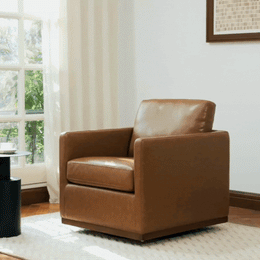
Wren Modern Swivel Accent Chair
3. Turn an Unused Corner Into a Seating Area
An empty corner can become useful seating without changing the main sofa arrangement. This approach works especially well if your living room already has a clear central seating area.
Create a Reading Corner
A lounge chair beside a floor lamp and small side table can create a simple reading spot. It gives someone a place to relax without taking a seat from the main sofa. This setup can also work near a window or bookshelf. Choose a chair that fits the available space instead of trying to fill the entire corner.
Create Extra Guest Seating
A corner chair can also serve as occasional guest seating. During everyday use, it can stay as a quiet personal spot. When friends or family visit, it becomes another seat within the main living room arrangement. This is especially useful for people searching for how to create more seating in a living room without adding another large furniture piece.
4. Choose a Chair-and-Ottoman Combination for More Flexible Use
A chair with ottoman can give a single seat several functions. The chair handles everyday sitting, while the ottoman can support your feet or provide another place to sit during casual gatherings.
Use an Ottoman as More Than a Footrest
A firm ottoman can work as occasional seating if its construction supports sitting. Some designs also provide hidden storage for blankets, books, or other small items. A storage ottoman can be especially useful in a smaller room because it combines seating potential with storage instead of requiring another separate piece. Keep the ottoman easy to move if the room changes often. You may want it in front of the chair during quiet evenings and closer to the sofa when guests arrive.
Build a Personal Seating Zone
A chair-and-ottoman combination can also create a complete relaxation spot without adding another sofa. For example, a swivel chair paired with an ottoman can work for reading, watching TV, or relaxing. The same setup can become extra seating when you have company.
This approach gives you more function from a relatively compact area, which makes it useful for living room seating ideas for small spaces. Compact chair-and-ottoman combinations are also commonly recommended for smaller rooms because they can combine seating, lounging, and storage functions.

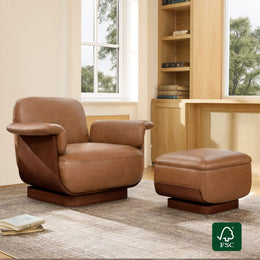
Aspen Modern Round Swivel Chair with Storage Ottoman
5. Add a Recliner for Dedicated Personal Seating
A recliner chair can add another full seating position while giving someone a dedicated place to relax. This makes sense if the goal is personal comfort rather than simply fitting more guests.
Create a Relaxation Spot
Place a recliner near the sofa but give it enough room to operate properly. It can serve as a reading chair, TV seat, or quiet place to rest. A reclining lounge chair can also give a family member a different type of seat from the main sofa. Instead of everyone sharing the same seating style, the room gains a dedicated relaxation zone.
Check the Reclining Space
Do not measure a recliner only in its upright position. Check how far the back and footrest extend, then make sure the movement does not interfere with a walkway, coffee table, doorway, or another chair. This matters even more in a small living room. A chair that fits neatly while upright may need much more usable space once fully reclined.

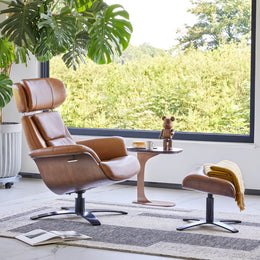
Elvin Genuine Leather Recliner Lounge Chair & Ottoman
6. Consider Flexible Seating for Guests and Casual Use
Not every extra seat needs to stay in the main furniture arrangement all day. Portable seating can give you more capacity for gatherings while keeping the everyday layout open.
Use Floor Seating for Occasional Guests
A floor chair can work well for movie nights, game nights, family gatherings, or casual visits. It can be moved into the main seating area when needed and placed elsewhere after guests leave. Floor seating also gives you another option if the room cannot fit another standard-size chair.
Choose Seating That Can Move Easily
Flexible seating should match the way you use your room. Lightweight pieces work well if you regularly change the layout. A compact chair can serve as guest seating without permanently taking up a prime spot. This is especially useful in apartments, multifunctional rooms, and homes where the living room also serves as a play area or workspace.
7. Arrange Extra Seating Without Making the Room Feel Crowded
Adding seats only helps if people can still move through the room comfortably. A good layout keeps the seating connected while leaving clear paths around the furniture.
Start With the Existing Sofa
Treat the sofa as the main anchor, then place additional seats around it. Avoid scattering chairs randomly around the room just to fill empty floor space.
Think about where people naturally sit, talk, watch TV, and enter the room. The furniture should support those activities instead of creating obstacles.
Keep Traffic Paths Clear
Check the path between the main entrance, sofa, kitchen, hallway, and other frequently used areas. A chair that blocks a natural route can make the entire room feel smaller.
For small living room seating ideas, visual openness also matters. Chairs with slimmer profiles, visible legs, or open details can help preserve sightlines and reduce visual weight.
Connect the Seating Around a Focal Point
A coffee table, fireplace, TV, or rug can help connect separate chairs and the sofa into a single seating group. Chairs do not need to sit in a straight line. Slight angles can make conversation easier and create a more relaxed arrangement.

Lauren Feather Filled Swivel Oversized Armchair
8. Match New Seating to Your Existing Living Room
Extra seating does not need to come from a matching furniture set. Mixing shapes, materials, and textures can make the room feel more layered while keeping the main seating arrangement cohesive.
Coordinate Instead of Matching
If your sofa has a simple silhouette, you can introduce a curved accent chair for contrast. If the sofa already has a strong shape, a cleaner chair may create better balance. Use repeated details to connect the pieces. Upholstery color, wood finishes, metal accents, or even the shape of the legs can create a visual link.
Choose Chairs Based on Their Role
Think about what each seat needs to do before choosing its style.
A swivel chair can handle several viewing directions. A lounge chair can create a quiet reading area. A recliner can provide deep relaxation. A floor chair can serve occasional guests.
This approach helps you choose the best chairs for extra living room seating based on actual use rather than appearance alone.
Create More Seating Without Adding More Bulk
You do not need another sofa to make room for more people. Accent chairs, swivel chairs, ottomans, recliners, and flexible seating can add useful seats while keeping the layout easier to manage. Start with the seating gap in your room, then choose a piece that fits that specific need. A well-placed chair can turn an empty corner into a useful seat, while flexible pieces can provide extra capacity only when you need it. The goal is simple: add more places to sit without losing the comfort and flow that make your living room work.
FAQs
Q1: How Many Accent Chairs Should I Add to a Living Room?
Start with the number of seats you actually need. One chair can fill an unused area, while two chairs can create a separate conversation seating arrangement around an existing sofa.
Q2: Can a Swivel Chair Replace a Second Sofa?
A swivel chair cannot provide the same number of seats as a sofa, but it can add an individual seat while giving you more flexibility in how that seat faces the room.
Q3: What Type of Seating Works Best for Occasional Guests?
Portable seating, compact accent chairs, ottomans designed for sitting, and floor chairs can work well for occasional guests. Choose based on how often you need the extra seats and how much storage space you have.
Q4: How Can I Add More Seating to a Small Living Room?
Focus on compact seating that serves more than one purpose. A swivel chair, chair with ottoman, storage ottoman, or movable floor chair can add seating without requiring the footprint of another sofa.

More to Read
 7 Sofa Trends That Actually Improve Comfort in 2026
Upgrade your living room with furniture that supports your body. Here are 7 modern sofa features designed to maximize your daily comfort...
 Mother's Day Gift Guide: Cozy and Stylish Furniture Picks for Modern Moms
Make Mother's Day more meaningful with furniture gifts that bring comfort, smart features, storage, and quiet luxury into her everyday routine.
 Performance Fabric Reality Check: Does It Really Repel Pet Hair and Stains?
Performance fabric is often marketed as a miracle solution for homes with pets and kids, but the reality is more nuanced. It...