
























What Is Multifunctional Furniture? Smart Pieces for Small and Flexible Spaces

Multifunctional furniture serves two or more purposes in one piece. The article compares it with space-saving, modular and convertible designs.

Key Takeaways About What Is Multifunctionl Furniture Smart
- Multifunctional furniture serves two or more practical purposes in a single piece.
- It can combine seating, storage, reclining, or flexible configurations.
- Modular, storage, convertible, and multi-use seating can work well in small rooms.
- The best piece solves a real space or lifestyle problem without sacrificing comfort.
- Multifunctional furniture can also help larger homes create rooms that adapt to different activities.
A living room may need to handle movie nights, reading, relaxing, working, and hosting guests. In a small apartment, adding a separate piece for every activity can quickly make the room feel crowded.
Multifunctional furniture offers another approach. Instead of giving every job its own piece, you can choose furniture that serves several useful purposes within the same footprint. A storage ottoman can hold blankets while working as a footrest or extra seat. A modular sofa can change shape as your layout changes.
The idea is simple: choose furniture that gives your room more ways to function without filling it with unnecessary pieces.
What Is Multifunctional Furniture?
Multifunctional furniture is designed to serve two or more practical purposes. Common examples include sofa beds, storage ottomans, lift-top tables, storage benches, and furniture with adjustable or reconfigurable parts.
The extra function can come from built-in storage, a conversion mechanism, adjustable features, or a design that supports different uses. A recliner, for example, does not need to turn into another piece of furniture to offer multiple uses. It can support everyday seating, reading, relaxing, and watching TV.
The same idea applies to modular furniture. A modular sofa can be rearranged into different configurations, allowing the seating arrangement to change as the room or household needs change.
The key is practical use. A piece should provide functions that fit your daily life rather than simply adding extra features.
How Is Multifunctional Furniture Different From Space-Saving and Modular Furniture?
These terms often appear together, but they describe different features. Knowing the difference can make it easier to choose furniture that fits your room and your routine.
Multifunctional vs. Space-Saving Furniture
Space-saving furniture focuses on using less physical space or making better use of the space available. Multifunctional furniture focuses on giving a single piece several jobs.
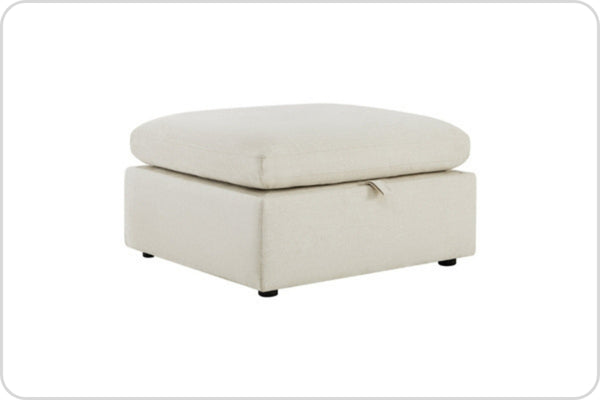
The two can overlap. A storage ottoman, for example, can provide seating, storage, and a place to rest your feet without requiring separate pieces for each function. That makes it both multifunctional and useful as space-saving furniture.
Still, not every compact piece is multifunctional. A narrow side table may take up very little room while serving only as a table.
Multifunctional vs. Modular Furniture
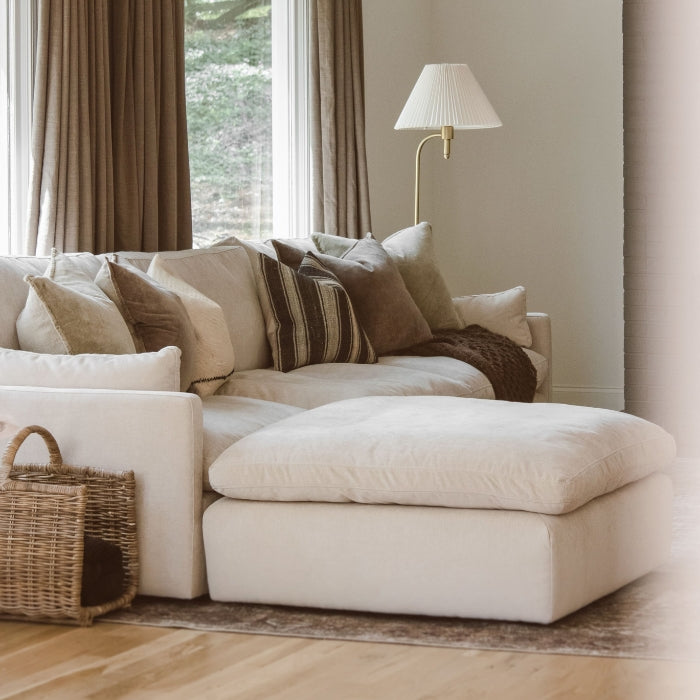
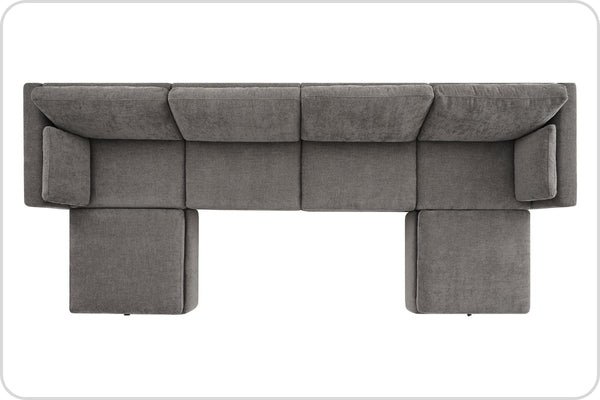
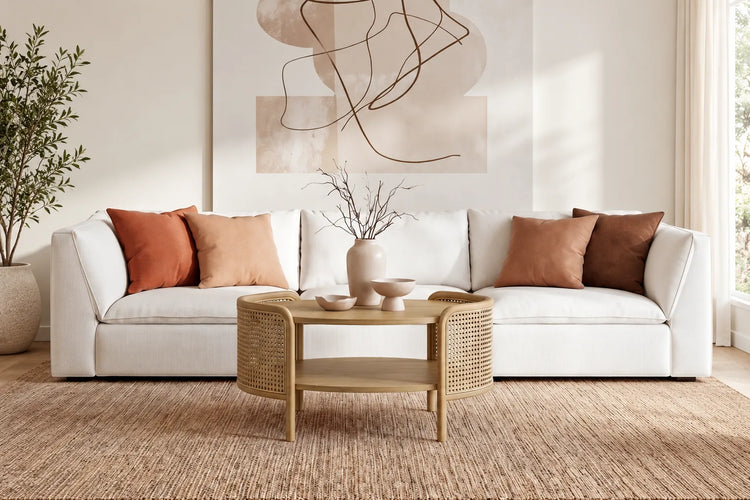
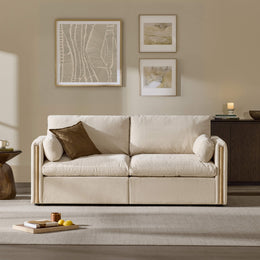
Modular furniture uses separate components that can be combined or rearranged to fit different layouts. Modular sofas are a common example, especially in rooms where seating needs may change. A modular piece is not automatically multifunctional. Its value comes from flexibility and reconfiguration. It becomes particularly useful for multifunctional living when different layouts support different activities. For example, a modular sofa can provide a compact arrangement for everyday use and a larger seating setup for guests.

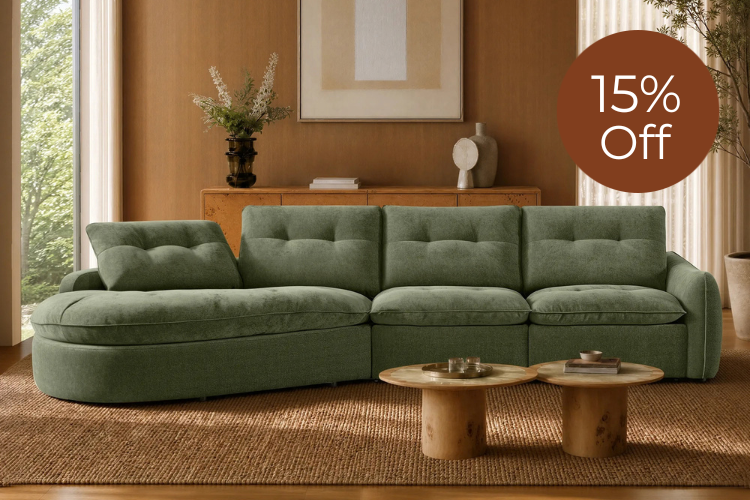
Jonathan Modular Sofa
Multifunctional vs. Convertible Furniture
Convertible furniture physically changes from one form or use to another. A sofa bed that becomes a sleeping surface is a clear example.
Convertible furniture fits within the broader multifunctional category, but not every multifunctional piece needs a conversion mechanism. Storage, adjustable parts, and flexible configurations can also give furniture multiple practical uses.
What Types of Multifunctional Furniture Work Well in Small Spaces?
The best multifunctional furniture for small spaces usually solves a clear problem. Instead of choosing a piece simply because it has several features, look for functions that you will actually use.
Storage Furniture That Serves More Than One Purpose
Storage furniture can add organization without requiring a separate cabinet, bench, or container. Storage ottomans are a simple example. They can provide a place to sit or rest your feet while keeping blankets, pillows, books, or other items out of sight.
A larger storage sofa can also combine everyday seating with hidden compartments. This approach can be useful in furniture for small living rooms, where adding a separate storage cabinet may take up valuable floor space.
A multifunctional ottoman can offer even more flexibility when its surface can also work with a tray as a temporary table. The result is a small piece that supports several activities without requiring a larger coffee table.
Modular Furniture That Adapts to Different Layouts
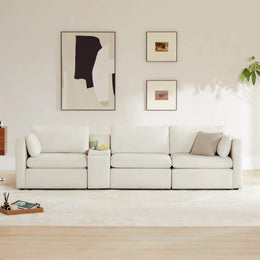
Modular furniture can be a practical choice for rooms that need to change over time. Separate seating sections can be rearranged to create different layouts based on available space, daily activities, or the number of people using the room.
A modular sofa can work well in an apartment because the same components may fit different room arrangements after a move. It can also support different layouts within the same home.
This type of adaptable furniture can be useful in an open living area, a family room, or any space that needs to shift between everyday use and entertaining.

Delaney Modular Sofa
Seating Designed for Multiple Activities
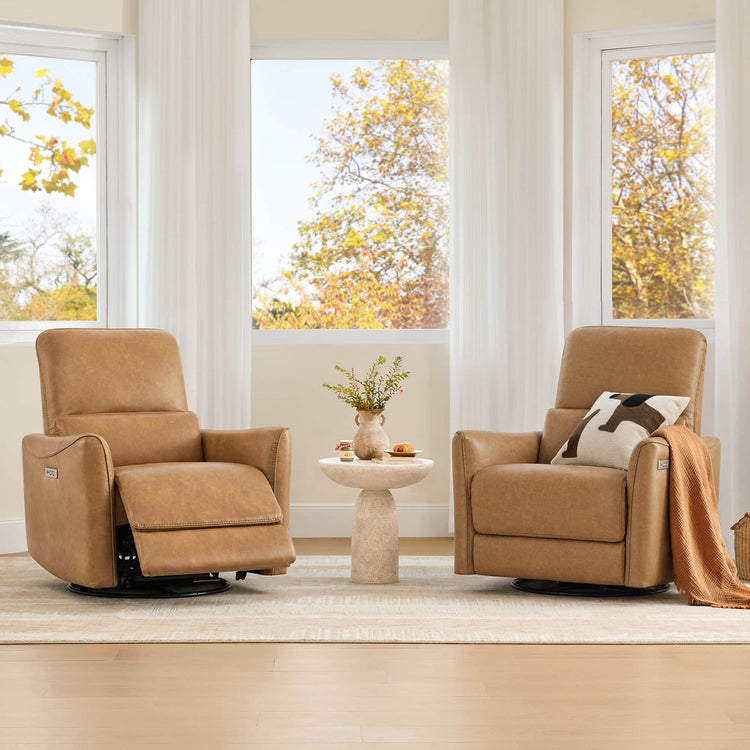
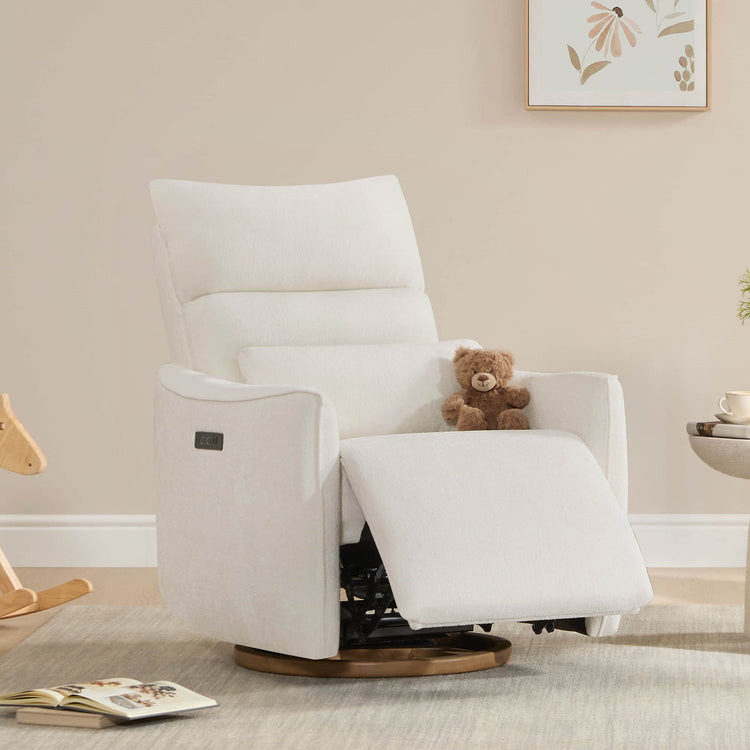
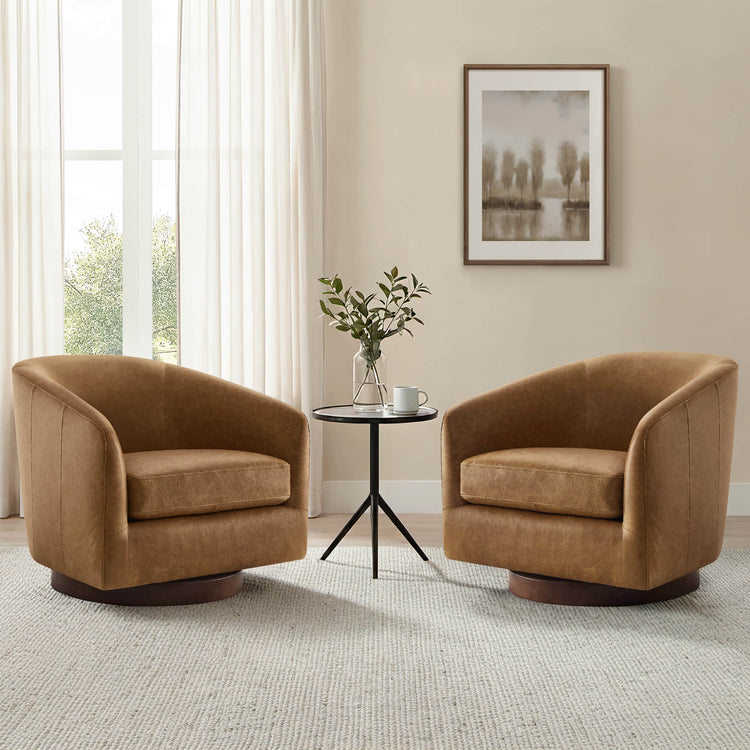
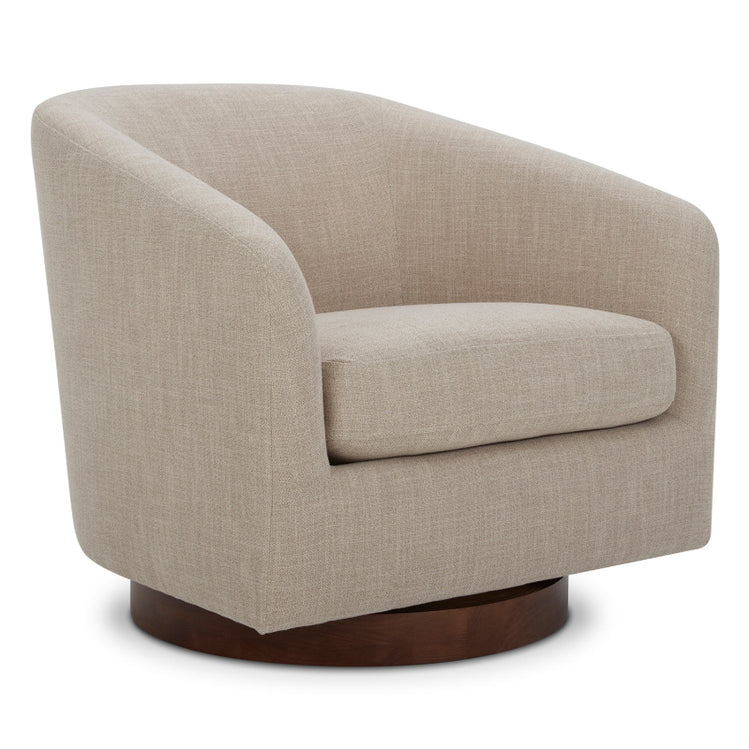
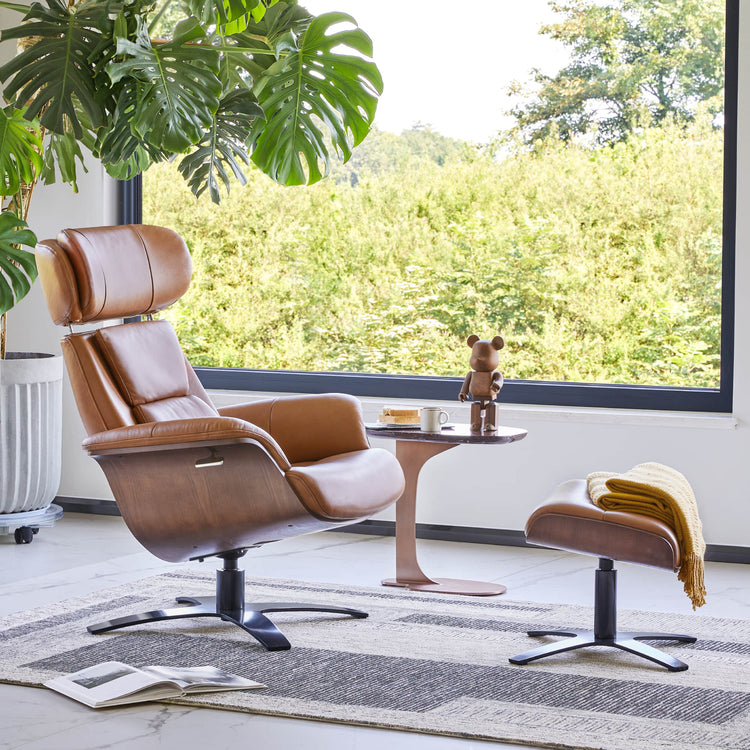
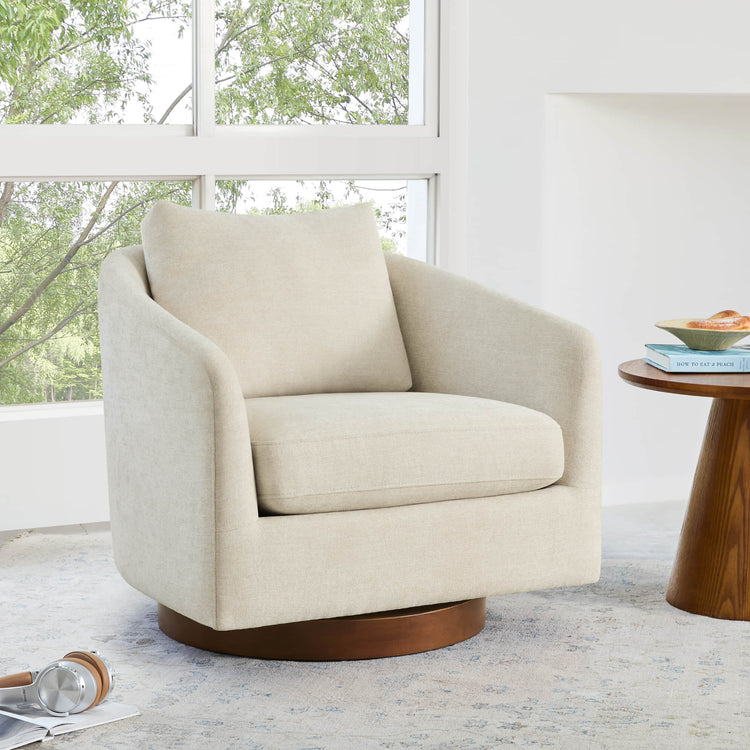
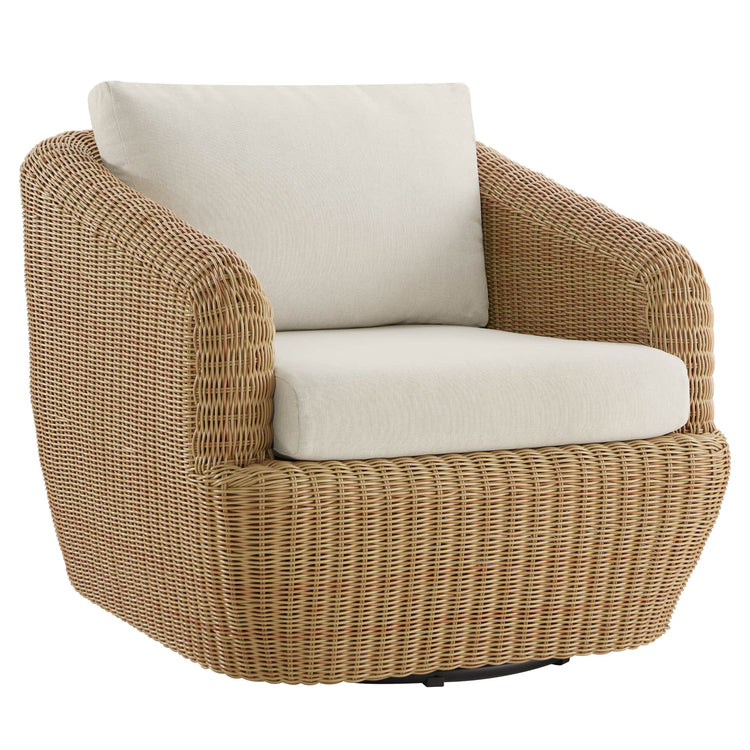
A chair can also be multifunctional without changing into another type of furniture. A swivel recliner, for example, can support reading, relaxing, watching TV, or casual conversation.
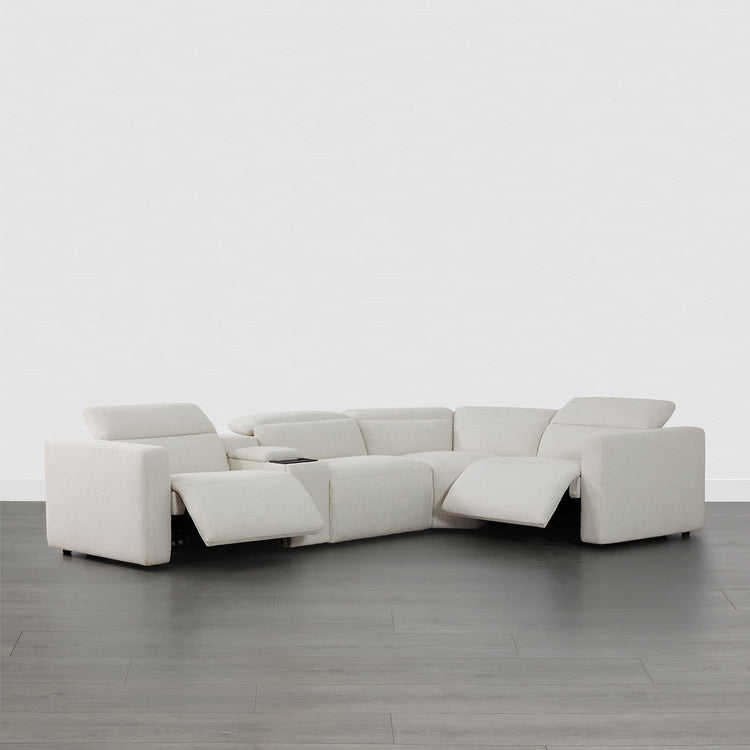
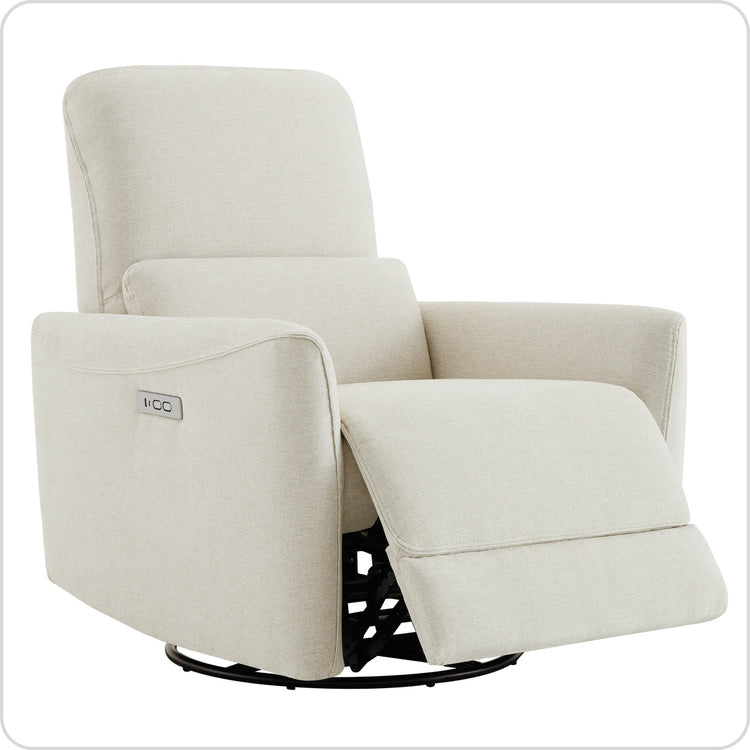
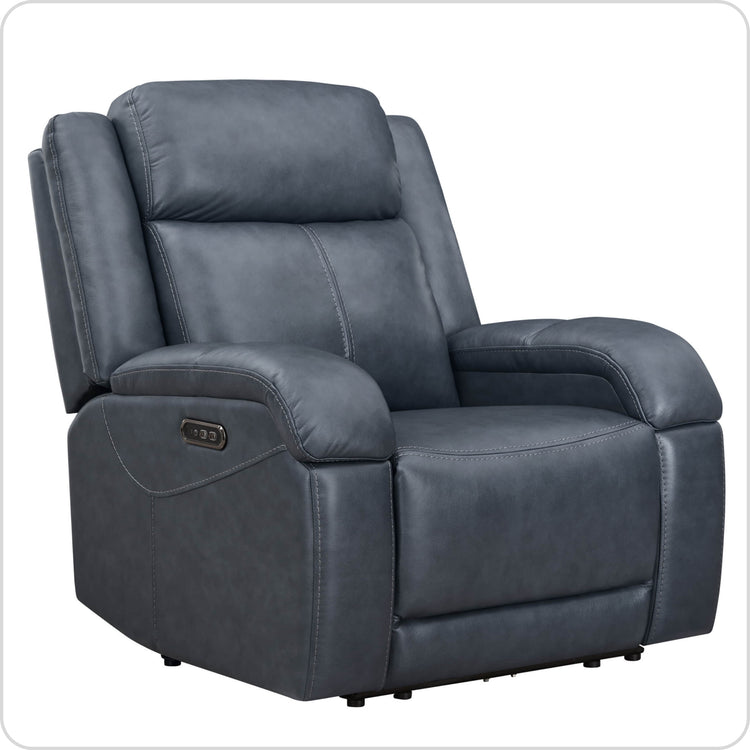
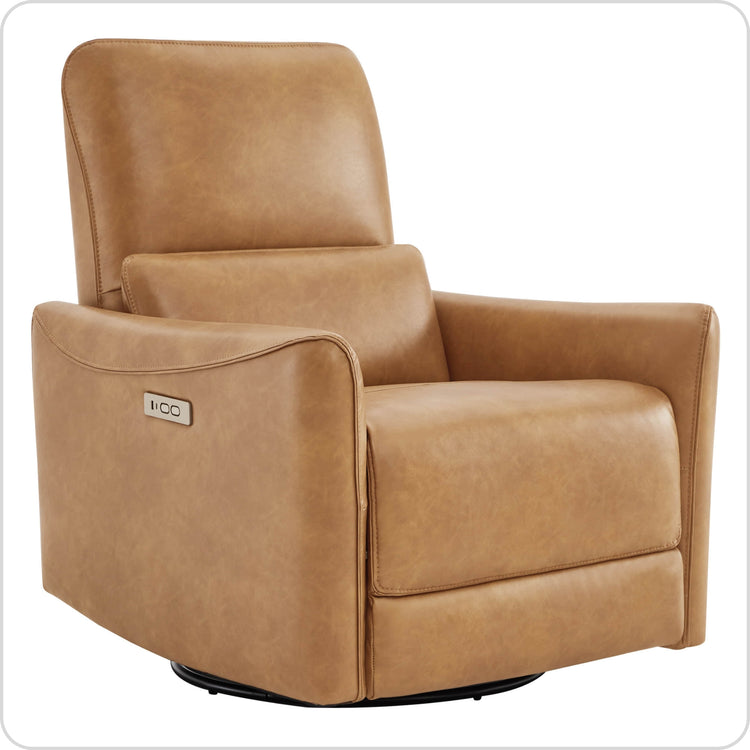
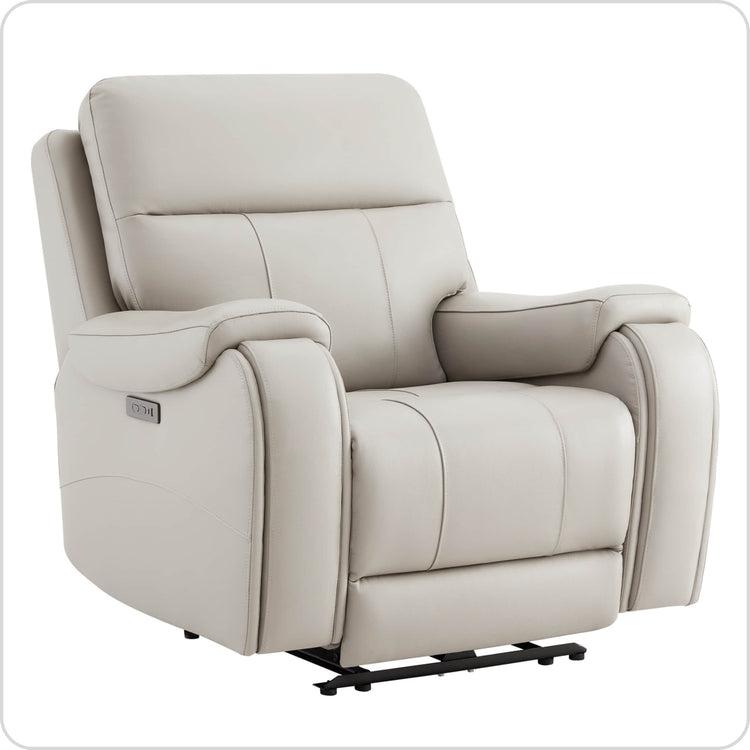
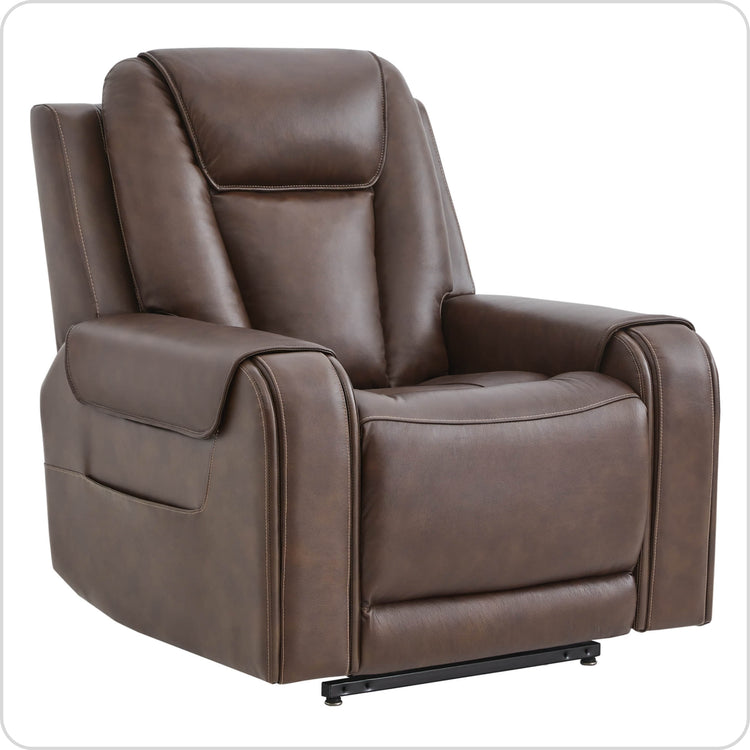
A power recliner with swivel or gliding movement can provide different seating positions for different activities. These features can make a single chair more useful in a living room, reading nook, or nursery.
A wall hugger recliner can also help in rooms where the seating area needs to stay close to a wall. Its compact placement can make it easier to use a recliner in a tighter layout without giving up reclining comfort.

Flexible Storage and Display Furniture
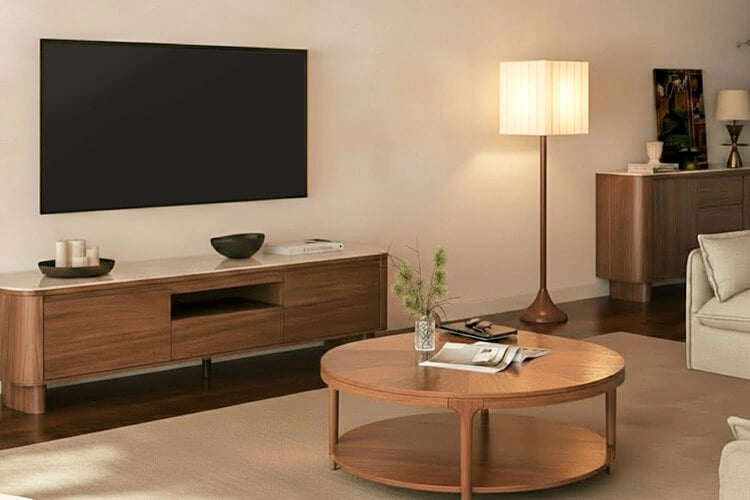
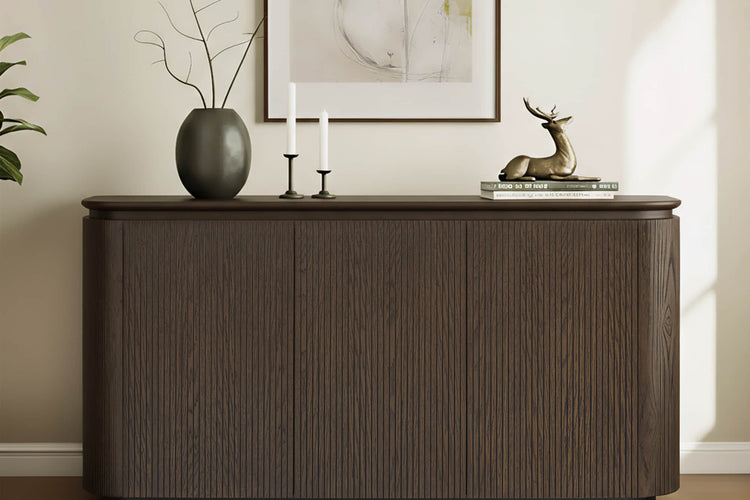
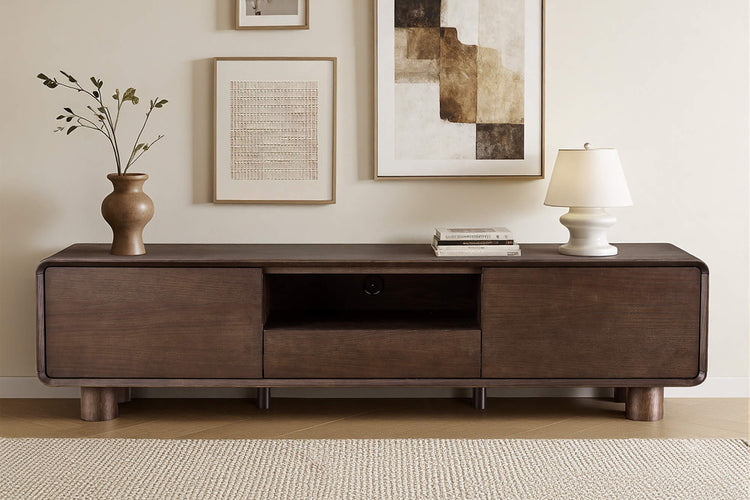
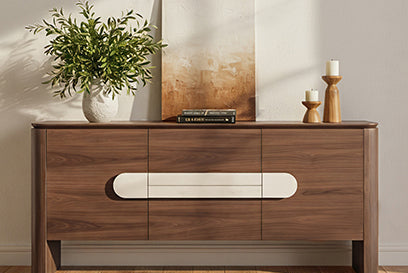
Storage furniture can serve more than an organizational role. A sideboard with adjustable storage sections can hold household items while providing a surface for lighting, décor, or media equipment.
Adjustable storage furniture can also adapt to items of different sizes. This makes the space easier to organize as storage needs change.
Flexible storage furniture can be especially useful in a living room because a single piece can support storage, display, and media organization rather than requiring several separate units.

Why Choose Multifunctional Furniture for Small and Flexible Spaces?
Multifunctional furniture can make a room easier to use without requiring every activity to have its own dedicated piece. The benefits become clearer when the furniture matches real needs.
Make Better Use of Limited Floor Space
A piece that combines two functions can reduce the number of separate items in a room. A storage ottoman can replace the need for both a basic footrest and a separate storage container.
This does not require filling the room with furniture that performs as many tasks as possible. The better approach is to choose pieces that solve two or three problems that already exist.
Make Rooms Easier to Adapt
Flexible furniture can help a room change throughout the day. A living room can support quiet reading in the afternoon, family TV time in the evening, and extra seating when guests arrive. Modular furniture is particularly useful here because its configuration can change without replacing the entire seating arrangement.
Reduce Visual Clutter
Fewer separate pieces can create a cleaner layout. Hidden storage can keep blankets, pillows, books, and other everyday items out of sight. This does not mean every item needs hidden storage. The goal is to give frequently used items a practical place while keeping the room easy to navigate.
Get More Long-Term Value From Each Piece
Adaptable furniture can continue to serve your needs as your room or routine changes. A modular sofa can be rearranged after a move. A storage ottoman can remain useful even after the room layout changes. That flexibility can make more sense than buying separate pieces for temporary needs.

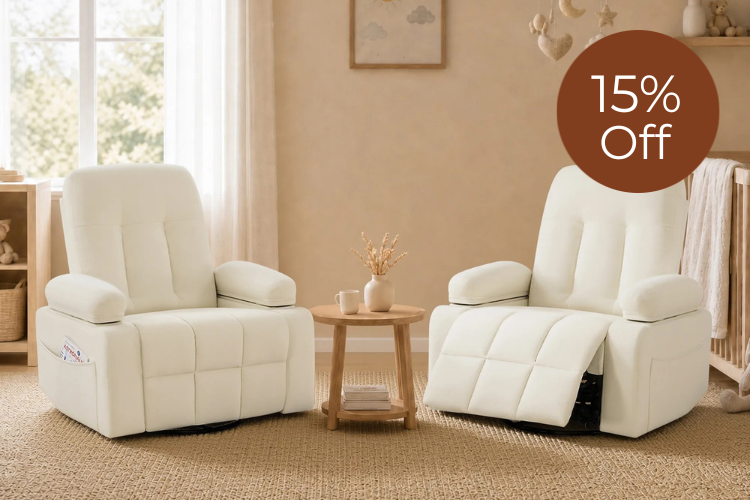
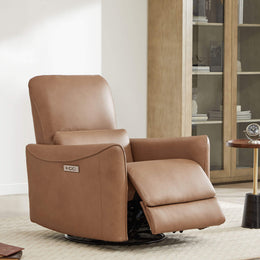
Martha Wall Hugger Power Nursery Recliner with Lumbar Support
How to Choose Multifunctional Furniture for Your Space
A multifunctional piece should solve a real problem first. Features matter, but the way you use the furniture every day matters more.
Start With the Problem You Need to Solve
Think about what your room lacks.
Do you need:
- More storage?
- Extra seating?
- A flexible sofa arrangement?
- A chair for reading and relaxing?
- Furniture that can support several activities?
- Storage that can change as your needs change?
Start with the problem rather than the furniture category. This makes it easier to avoid buying features that will rarely get used.
Consider the Primary Function First
A multifunctional piece still needs to perform its main job well.
A sofa should be comfortable for everyday sitting. A power recliner should provide comfortable support in its normal position. A storage ottoman should work well as a footrest or seat even if you rarely use the storage compartment.
The secondary function should add value rather than compensate for a weak primary function.
Check How Often You Will Use the Secondary Function
Think about your actual routine. If you need extra storage every day, a storage ottoman may be more useful than a complicated convertible piece that changes function twice a year.
A guest sofa bed may make sense for occasional visitors, while a modular sofa may provide more daily value for a family that frequently changes its seating arrangement.
Match the Furniture to Your Layout
Measure the room and consider how the furniture will work in its different positions.
For reclining furniture, consider the space needed behind and around the chair. For modular furniture, consider possible configurations instead of measuring only the current setup. Also think about doors, walkways, windows, and nearby furniture. A piece can have several useful functions and still be a poor choice if the room cannot accommodate those functions comfortably.
Look for Useful Flexibility, Not Just More Features
More features do not automatically create better multifunctional furniture. A piece with three functions that you use regularly can be more useful than a piece with six functions that rarely leave their default position. Focus on comfort, durability, ease of use, size, and the functions that fit your routine.
How to Use Multifunctional Furniture Without Making a Room Feel Crowded
Choosing multifunctional furniture is only part of the process. The layout also needs to give each function enough room to work comfortably.
- Keep the number of major pieces intentional. If a storage ottoman already provides seating, storage, and a footrest, you may not need another small table or extra seat nearby.
- Use modular furniture to create flexible zones instead of adding permanent furniture to divide the room. A modular sofa can help define a seating area while still allowing the layout to change.
- Also consider furniture in its active position. A recliner needs room to extend. A storage unit needs enough access space for its doors or drawers. A modular sofa needs enough open floor space for its planned configurations.
A room can contain space-saving furniture and still feel crowded if every available area is filled. Leave enough open space for movement and everyday use.
Build a More Flexible Room With Multifunctional Furniture
Multifunctional furniture gives each piece a larger role in the room. Storage pieces can combine organization with seating or display. Modular furniture can change its layout. Recliners can support several activities while using a single seating footprint.
The best choice depends on your room and routine. Start with the function you need most, then look for a piece that adds another useful function without making the furniture harder to use.
FAQ: Multifunctional Furniture for Small Spaces
Q1: Is Modular Furniture Considered Multifunctional Furniture?
Modular furniture can support multifunctional living, but the terms do not describe exactly the same thing. Modular furniture uses separate pieces that can be rearranged, while multifunctional furniture performs multiple functions. A modular sofa can fit both ideas when its configurations support different activities or room needs.
Q2: Is Multifunctional Furniture Good for Small Living Rooms?
Yes, especially if the added function solves a real space problem. Storage ottomans, modular sofas, compact recliners, and storage seating can combine useful functions without requiring several separate furniture pieces.
Q3: What Should I Consider Before Buying Multifunctional Furniture?
Start with the primary function, then consider how often you will use the secondary function. Check the furniture size, room layout, movement space, comfort, storage access, and any space needed for reclining or reconfiguration. The most useful piece is usually the one that fits your daily routine rather than the one with the longest feature list.

Recommended Products

More to Read
 7 Sofa Trends That Actually Improve Comfort in 2026
Upgrade your living room with furniture that supports your body. Here are 7 modern sofa features designed to maximize your daily comfort...
 Mother's Day Gift Guide: Cozy and Stylish Furniture Picks for Modern Moms
Make Mother's Day more meaningful with furniture gifts that bring comfort, smart features, storage, and quiet luxury into her everyday routine.
 Performance Fabric Reality Check: Does It Really Repel Pet Hair and Stains?
Performance fabric is often marketed as a miracle solution for homes with pets and kids, but the reality is more nuanced. It...