How Long Should a Sofa Last? Signs Your Couch Needs Replacement

Sofa lifespan runs about 7–15 years, but condition matters more than age. Check frame, suspension, cushions and upholstery, plus eight signs replacement is due.

Key Takeaways About How Long Should a Sofa Last
- A typical sofa can last about 7–15 years, but age alone does not decide when it needs replacement.
- Frame, suspension, cushions, upholstery, daily use, and care all affect sofa lifespan.
- Sagging cushions, unstable frames, damaged upholstery, and lasting odors can signal serious wear.
- Some problems can be repaired or refreshed, so check each part before replacing the whole sofa.
- Durable upholstery, maintainable cushions, and flexible designs can support longer-term use.
If you are asking, "How long should a sofa last?" there is no single number that applies to every home. A typical sofa lasts around 7–15 years, while a well-built sofa with proper care can sometimes stay useful for longer.
Daily use also changes the picture. A couch used every evening by a family with kids and pets will face more wear than a sofa in a formal living room or guest space. Instead of replacing a sofa based only on its age, look at its frame, support, cushions, upholstery, comfort, and fit. These details can tell you far more about its remaining useful life.
How Long Does a Sofa Typically Last?
The average sofa lifespan falls within a fairly wide range because quality and use can vary so much. A budget sofa may show serious wear within a few years, while a well-constructed model can stay comfortable for a decade or longer.
Budget Sofas May Need Replacement Sooner
Lower-cost sofas often use less durable materials or construction. Frequent daily use can speed up cushion flattening, fabric wear, and structural problems. That does not mean every affordable sofa will fail quickly. Care, household use, and the quality of individual components still matter.
A Well-Built Sofa Can Last 7–15 Years or Longer
For a well-constructed sofa, 7–15 years provides a useful reference range. Some higher-quality sofas can last 10–20 years with proper care, particularly when the frame and cushions remain in good condition. The better question is not simply how long a couch lasts, but how well it continues to support your household.
Why Sofa Age Is Only a Starting Point
Two sofas that are both 10 years old can have very different levels of wear. Daily sitting, pets, children, sunlight, spills, and cleaning habits all affect the result. So if you are asking, "Should I replace my 10 year old sofa?" check its current condition first.
What Determines How Long a Sofa Lasts?
A sofa has several parts that age at different rates. Looking at each part separately makes it easier to spot problems early and decide if repair can extend its useful life.
Frame and Structural Construction
The frame supports the rest of the sofa. A stable frame should not wobble, shift, or develop serious cracks during normal use. Pay attention to:
- Cracks or broken frame parts
- Loose joints
- Persistent popping or creaking
- Wobbling when you sit down
- Legs or other structural parts that no longer stay secure
Frame construction can have a major effect on durability, so it deserves attention when comparing sofas. Hardwood, furniture-grade plywood, and metal frames can all provide suitable support when properly constructed.
Suspension and Seat Support
The suspension sits beneath the cushions and helps distribute your weight. Depending on the design, it may use springs, webbing, or another support system. If the seat feels unusually low, uneven, or unstable, the problem may sit below the cushion rather than inside it.
A useful test is simple: remove the seat cushion and check how the supporting surface feels. If the support beneath it also sags or feels uneven, replacing the cushion alone may not solve the problem.
Cushion Quality and Maintenance
Cushions usually show wear earlier than the main frame. Foam, fiber, feather, and blended fills can change with repeated use.
Regular sofa cushion maintenance can help manage normal wear. Rotate or reverse cushions when the design allows, fluff loose cushions, and avoid putting all daily use in the same spot.
Reversible sofa cushions can also help distribute wear across different surfaces. This can make routine care easier and help cushions maintain a more even appearance.
Upholstery and Fabric Durability
The outer upholstery deals with daily friction, spills, sunlight, pet hair, and general household use. A durable sofa fabric can help a frequently used sofa stay presentable for longer.
For a busy household, look at the fabric's construction, cleaning requirements, and abrasion performance rather than choosing based on appearance alone.
A performance fabric sofa can be useful for homes that need easier day-to-day care, while leather offers a different combination of durability, cleaning needs, and aging characteristics.

8 Signs Your Couch May Need Replacement
A worn sofa does not always need to go straight to the curb. Some problems are easy to repair, while others point to deeper structural wear. These signs can help you decide when to replace a sofa.
1. The Cushions Stay Saggy or Flat
A cushion may look slightly compressed after heavy use and still recover after fluffing or repositioning. A lasting dent is different.
If cushions remain flat, feel unusually soft, or no longer provide enough support, the filling may have broken down.
This is also where the question "when should you replace couch cushions?" becomes useful. If the frame and suspension remain solid, replacing the cushion inserts may solve the problem without replacing the entire sofa.
2. You Can Feel the Frame or Springs
If you can clearly feel hard structural parts or springs through the cushion, the seating system may no longer provide enough padding and support.
Check the cushion itself first. If a new insert would solve the issue, a full replacement may not be necessary. If the support underneath has also failed, the repair becomes more involved.
3. The Frame Feels Unstable
A frame that creaks occasionally does not always signal serious damage. A frame that shifts, wobbles, cracks, or feels unstable under normal weight deserves closer attention. Structural problems can be much harder to fix than worn fabric or cushions.
4. The Upholstery Is Worn Beyond Practical Repair
Small stains or minor tears do not automatically call for a new sofa. Larger problems can be different.
Consider replacement if you see:
- Large tears
- Severe thinning
- Fabric worn through at high-use areas
- Permanent stains
- Extensive fading
- Damage that keeps returning after repair
If the frame and cushions still work well, reupholstery may offer another option.
5. Persistent Odors Remain After Cleaning
Pet odors, smoke, spills, and moisture can sometimes become deeply embedded in cushions and upholstery. If careful cleaning does not remove a persistent odor, consider the condition of the entire sofa rather than repeatedly treating the surface.
6. The Sofa No Longer Feels Comfortable
Comfort can change even if the sofa still looks fine.
You may notice:
- Less back support
- Excessive sinking
- Uneven seat firmness
- Cushion pressure in certain areas
- A need to shift positions constantly
If you regularly avoid your sofa because another seat feels better, comfort has become a practical replacement factor.
7. The Sofa No Longer Fits Your Space
A sofa does not have to be damaged to become the wrong choice for your home. Moving to a smaller apartment, changing the room layout, or needing clearer walking space can make an oversized couch impractical.
A modular sofa can offer more flexibility here because separate pieces can be arranged to suit different layouts. A modular sectional can also adapt as seating needs change.

Brendon Sofa
8. Your Household Needs Have Changed
Your furniture needs can change even while your sofa remains functional.
You may need:
- More seating
- Easier-clean upholstery
- A more flexible layout
- Reclining support
- More room for children or pets
- A different seat depth or firmness
A genuine leather reclining sofa, for example, serves a different purpose from a traditional stationary couch. A zero-wall reclining sofa can also help in rooms where a conventional reclining setup would need more clearance behind the sofa.

Murphy Premium Dual-Motor Genuine Leather Zero-Wall Power Reclining Sofa
Should You Repair, Reupholster, or Replace Your Sofa?
Not every worn cushion or damaged cover calls for a new sofa. The right choice depends on which parts have failed and how much useful life remains in the rest of the piece.
| Problem | Possible solution |
|---|---|
| Loose sofa leg | Repair |
| Small upholstery tear | Repair |
| Worn cushion insert | Replace or refill cushion |
| Sagging cushions | Repair or replace cushions |
| Worn upholstery | Reupholster or replace |
| Failed suspension | Repair or consider replacement |
| Damaged frame | Replacement may be more practical |
| Several major problems | Compare repair costs with replacement |
When Repair Makes Sense
Repair can make sense if the frame remains stable and the problem affects only a small area. A loose leg, minor tear, or worn cushion insert does not necessarily justify replacing an otherwise solid sofa.
When Reupholstery Can Extend Sofa Life
Reupholstery can refresh a sofa when the frame and support system remain sound but the outer material has reached the end of its useful life. This can be especially useful for a sofa with a sturdy structure and a design you still like.
When Replacement Is the More Practical Choice
Replacement becomes more reasonable when several major components have failed at the same time.
A damaged frame, failed suspension, badly worn cushions, and severely damaged upholstery can add up to a repair bill that does not make practical sense. The key is to look at the whole sofa rather than focusing on a single damaged area.
How to Make Your Sofa Last Longer
Good maintenance cannot fix a broken frame or worn-out support system, but it can reduce avoidable wear and help your sofa stay comfortable for longer.
Rotate and Fluff Cushions Regularly
Rotate or reverse cushions according to their design. Fluff loose cushions regularly to help redistribute the filling. This is especially useful for seating that receives heavy daily use in the same spots.
Vacuum Upholstery Regularly
Dust, crumbs, pet hair, and other debris can build up between cushions and across upholstery.
Regular vacuuming helps keep the surface cleaner and reduces the amount of debris rubbing against the fabric during daily use.
Clean Spills According to the Upholstery Instructions
Different upholstery materials require different cleaning methods. Check the manufacturer's care instructions before applying a cleaning product. Removable covers can make routine cleaning easier, but they still need to be washed according to their care instructions.
Protect the Sofa From Prolonged Direct Sunlight
Strong sunlight can fade upholstery over time. If possible, position the sofa away from prolonged direct exposure or use window treatments during the brightest parts of the day.
Use the Sofa as Intended
Avoid standing or jumping on the sofa, sitting on the arms, or placing more people on it than the design supports. These habits can put extra stress on the frame, suspension, and upholstery.
What to Look for in a Long-Lasting Sofa
If your current sofa needs replacing, look beyond appearance. The construction, maintenance needs, and flexibility of the next sofa can all affect how long it remains useful.
Durable Upholstery for Your Household
Think about how the sofa will be used every day. Homes with children or pets may benefit from performance upholstery and easy-clean materials. A durable sofa fabric can also make sense for high-traffic seating.
Leather offers another option for people who prefer its feel and aging characteristics. If you are comparing how long a leather sofa lasts with how long a fabric sofa lasts, remember that material alone does not determine lifespan. Frame quality, cushion construction, use, and care still matter.
Cushions Designed for Ongoing Maintenance
Look for cushions that can be rotated, reversed, cleaned, or replaced as needed. Features such as removable covers and reversible sofa cushions can make everyday care easier and give individual components more flexibility over time.

Jonathan Modular Sofa
A Configuration That Can Adapt to Your Space
A modular design can make a sofa useful through different stages of life. You may rearrange a modular sectional after moving, changing the room layout, or needing additional seating. This flexibility does not automatically make a sofa more durable, but it can help the furniture remain useful as your space changes.

Extra Features Should Also Be Evaluated for Long-Term Use
Reclining sofas have additional parts that stationary sofas do not. Motors, controls, headrests, and reclining mechanisms become part of the long-term maintenance picture. If you choose a zero-wall reclining sofa or another power reclining design, check the mechanism, controls, warranty terms, and care requirements along with the frame and upholstery.
Know When Your Sofa Has Reached the End of Its Useful Life
The average couch lifespan gives you a starting point, not a deadline. A sofa can still perform well after 10 years, while another may need replacement much sooner under heavy daily use.
To figure out how to know when to replace a sofa, check the frame, suspension, cushions, upholstery, comfort, and fit for your current home. If only the cushions or covers have worn out, repair or replacement of individual parts may be enough. If the structure and support system have also failed, a new sofa may make more practical sense.
A durable next choice should match your household, maintenance habits, space, and daily use. That approach can help you get more useful years from your furniture without replacing it simply because it has reached a certain age.
FAQs about Sofa Replacement
Q1: How Often Should You Replace a Sofa?
Many sofas last around 7–15 years, but there is no fixed replacement schedule. Check the sofa's frame, suspension, cushions, upholstery, comfort, and overall condition. A well-built sofa with moderate use and proper care can last longer.
Q2: Is a 10-Year-Old Sofa Too Old?
Not necessarily. A 10-year-old sofa can still work well if its frame remains stable, the cushions provide good support, and the upholstery is in usable condition. Age alone does not tell you when to replace a couch.
Q3: Can You Repair a Sagging Sofa Instead of Replacing It?
Often, yes. If the problem comes from worn cushion filling while the frame and suspension remain sound, replacing or refilling the cushions may restore comfort. If the support system or frame has also failed, a larger repair or replacement may be needed.
Q4: What Is the Most Important Part of a Sofa for Long-Term Durability?
There is no single part that determines the entire lifespan. Frame construction, suspension, cushion materials, upholstery, daily use, and maintenance all contribute. A strong frame with worn-out cushions can still become uncomfortable, while durable upholstery cannot compensate for a failing structure.

Recommended Products
 Recommended
Ohana 4-Seat Zero Gravity Modular Reclining Sofa
$3,796.99
 Recommended
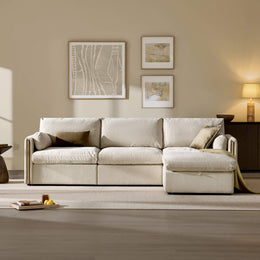
Jonathan Modern Cozy Chenille 4-seat Modular Sofa
$1,439.99
 Recommended
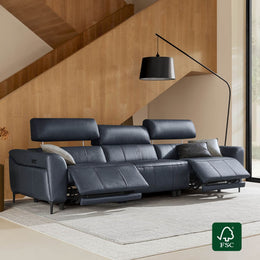
Murphy Premium Dual-Motor Genuine Leather Zero-Wall Power Reclining Sofa
$2,670.99
 Recommended
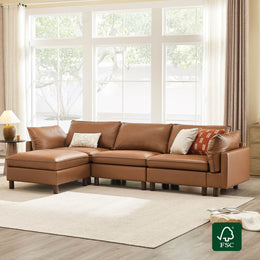
Brendon Modular 4-Seat Sectional Sofa with Wood Leg
$929.99
More to Read
 7 Sofa Trends That Actually Improve Comfort in 2026
Upgrade your living room with furniture that supports your body. Here are 7 modern sofa features designed to maximize your daily comfort...
 Mother's Day Gift Guide: Cozy and Stylish Furniture Picks for Modern Moms
Make Mother's Day more meaningful with furniture gifts that bring comfort, smart features, storage, and quiet luxury into her everyday routine.
 Performance Fabric Reality Check: Does It Really Repel Pet Hair and Stains?
Performance fabric is often marketed as a miracle solution for homes with pets and kids, but the reality is more nuanced. It...