































How to Tell If a Sofa Has Good Cushion Support

Check how a cushion compresses, recovers, and whether you feel the frame. Foam density, fill layers, suspension, and seat depth all shape support.

Key Takeaway
Good sofa support does not simply mean a firm cushion. Check how the cushion compresses, how quickly it regains its shape, and if you can feel the frame underneath. Also look at the foam, cushion fill, seat depth, and suspension system. A supportive sofa should give you enough softness for comfort while keeping your body stable during everyday sitting. Use these questions while shopping:
- Does the cushion compress without collapsing?
- Does it recover its shape after sitting?
- Can I feel the frame underneath?
- Does the front edge stay supportive?
- Do I stay stable when I lean back?
- Does the seat depth fit my body?
- What material forms the cushion core?
- What comfort layers sit above it?
- What type of suspension supports the cushion?
- Do the cushions stay in position?
If you can answer most of these questions confidently, you have a much better picture of the sofa's support than a firmness label alone can provide.
A sofa can feel soft without leaving you buried in the seat. The key is what happens underneath that soft surface. Some cushions combine a supportive foam core with fiber, feather, or other soft layers. This creates a cushioned first feel while keeping more structure beneath your body. A very firm cushion can work well too, but firmness alone does not tell you how well the sofa will support you over time. That makes a quick showroom test less useful than a closer look at the cushion construction and the support system underneath it.
What Makes a Sofa Cushion Supportive?
A sofa cushion works as part of a larger seating system. The core, comfort layers, suspension, frame, and seat dimensions all affect how the sofa feels under your body.
The Cushion Core
The core provides much of the cushion's basic support. Foam is common because it can offer a stable base while allowing manufacturers to adjust the overall feel.
High-density foam can be paired with softer materials on top. This type of layered construction can create a cushion that feels plush when you first sit down but still provides resistance as your weight moves deeper into the seat. Foam density also relates more closely to durability than firmness, so the two terms should not be treated as the same thing.
The Comfort Layer
Fiber, feather, and down-blend materials can make a cushion feel softer and more relaxed. They can add a plush surface without serving as the only source of support.
This distinction matters if you prefer a sofa that feels cozy but does not collapse under your weight. A soft outer layer can work well with a firmer, more resilient core.
The Suspension Under the Cushion
The cushion is only part of the seating structure. Underneath it, you may find sinuous springs, steel springs, or webbing.
These components help distribute weight and provide additional resistance as you sit. A well-built cushion can still feel disappointing if the support beneath it is weak. Professional upholstery guidance also treats foam, suspension, thickness, wrapping, and cover fit as parts of the same cushion system.

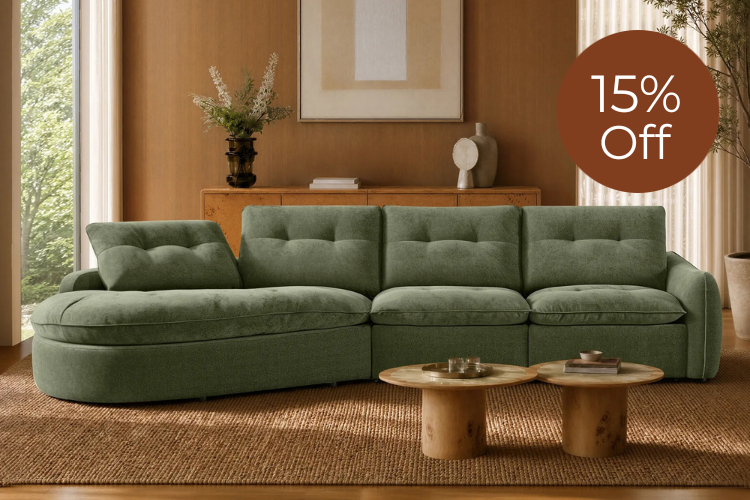
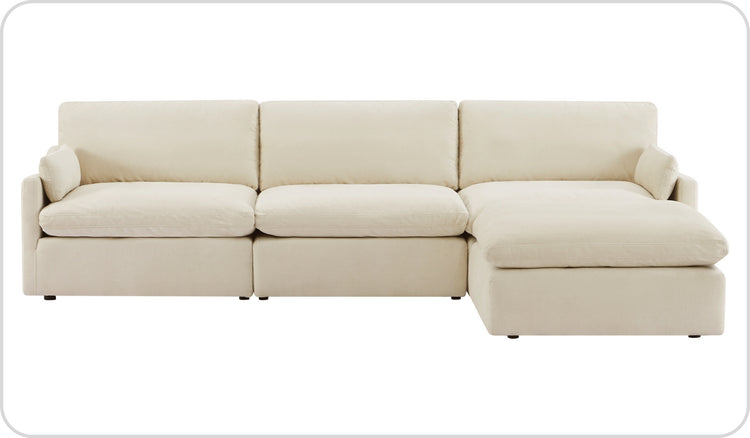
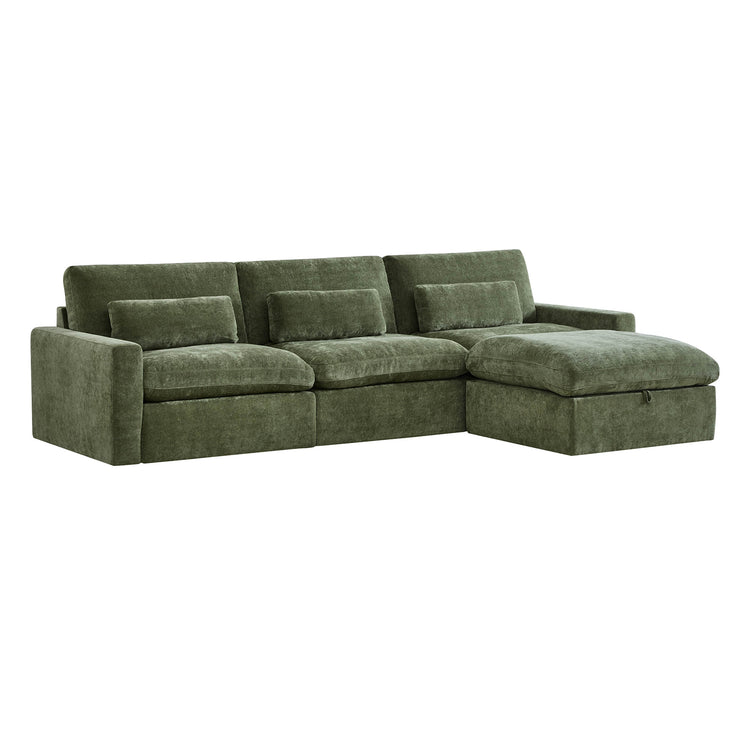
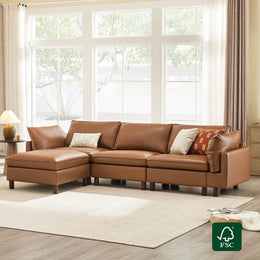
Brendon Modular 4-Seat Sectional Sofa with Wood Leg
7 Signs a Sofa Has Good Cushion Support
You do not need technical equipment to get a useful first impression of a sofa. A few simple checks can tell you how the cushion responds to pressure and movement.
1. The Cushion Compresses Without Collapsing
Press the cushion with your hand, then sit on it. A supportive cushion should give under pressure. At the same time, it should offer some resistance instead of letting your hand or body sink straight through. If you quickly reach a hard surface underneath, the cushion may not have enough usable support. Do not expect every good cushion to feel firm. A plush cushion can still have a strong core beneath its softer surface.
2. It Supports You Without Feeling Hard
Sit in your normal position and pay attention to pressure across your hips and thighs.
A cushion that feels like a hard board may provide plenty of resistance but little comfort. A cushion that lets you sink too far may feel cozy at first but leave you feeling unsupported. For everyday use, the better target is a balance: enough give to reduce pressure, with enough resistance to keep your body from sinking too deeply.
3. The Cushion Recovers Its Shape
Stand up after sitting and watch the cushion. Some movement or temporary compression is normal. The cushion should gradually move back toward its original shape rather than staying deeply flattened.
Recovery can tell you something about the cushion's resilience, but it is not a complete quality test. Foam type, fill, thickness, wrapping, and the support below can all affect recovery.
4. You Do Not Feel the Frame or Deck Beneath You
If your body quickly reaches a hard platform, spring, or frame, the cushion may be bottoming out. That can make a sofa uncomfortable and may indicate that the cushion does not have enough usable compression space. Try sitting in several positions instead of testing only the center of the seat.
5. The Front Edge Still Feels Supportive
Move toward the front edge of the cushion and sit there for a moment. The front edge should continue to support your weight instead of dropping sharply. This is useful for people who sit upright, work from a sofa, or prefer to sit near the edge. A weak edge can also make standing up feel less stable.
6. Your Body Stays Stable When You Lean Back
Lean against the back cushion and relax for a few minutes. Notice if your hips sink too deeply or if your body keeps sliding forward. Also check if your lower back feels supported.
Seat depth matters here. A deep sofa can feel excellent for lounging, but a seat that is too deep for your body may make you lose a comfortable posture.
7. The Cushion Stays in Position
A cushion can have good materials and still feel poor if it moves too much. Check if the seat shifts forward as you lounge. Look at how the cushion fits against the frame and if it can be reversed or secured. Stable positioning helps keep the intended support where your body needs it.

Julane Modern 3-Seater Cane Sofa
How to Test Sofa Cushion Support Before Buying
A few minutes of hands-on testing can reveal more than a product description alone. Use the same basic checks for every sofa you compare so the differences are easier to notice.
Try the Press Test
Push down on the seat with your palm. Look for a cushion that compresses with some resistance. It should not feel empty, nor should it feel so hard that it barely moves. Then release your hand and watch the recovery.
Sit for Several Minutes
Do not make your decision after sitting down for five seconds. Sit in your usual position. Put both feet on the floor and relax your shoulders. Check your hips, thighs, and lower back. Then change positions. A sofa should still feel stable as your weight shifts.
Test the Edge
Sit near the front edge for a short time.
Ask yourself:
- Does the cushion hold my weight?
- Does it suddenly flatten?
- Do I feel the structure underneath?
- Can I get up without pushing hard against the arms?
These simple checks can reveal problems that are easy to miss while sitting in the middle of a deep cushion.
Lean Back and Change Positions
Try upright sitting, relaxed sitting, and leaning back. A supportive sofa should respond to different pressure without making you feel trapped in one position. If you sink too deeply every time you lean back, the cushion may be too soft for your preferred seating style.
Stand Up and Check the Cushion
After several minutes, stand up and look at the seat. A temporary impression is not automatically a problem. Focus on deep or uneven compression that remains after you leave the seat.

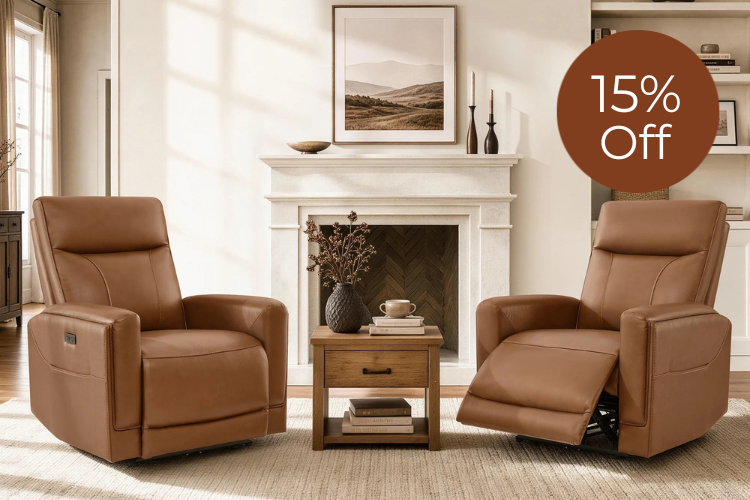
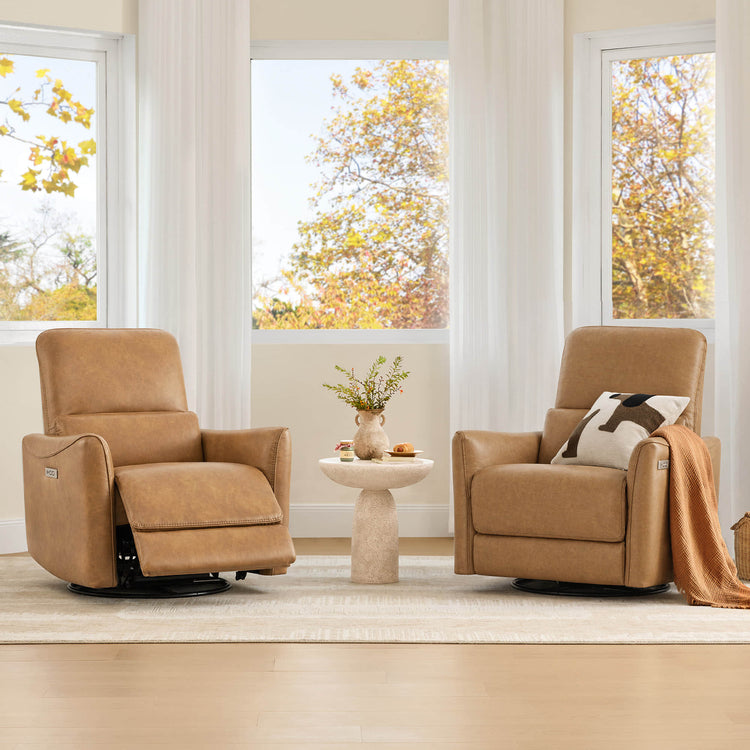
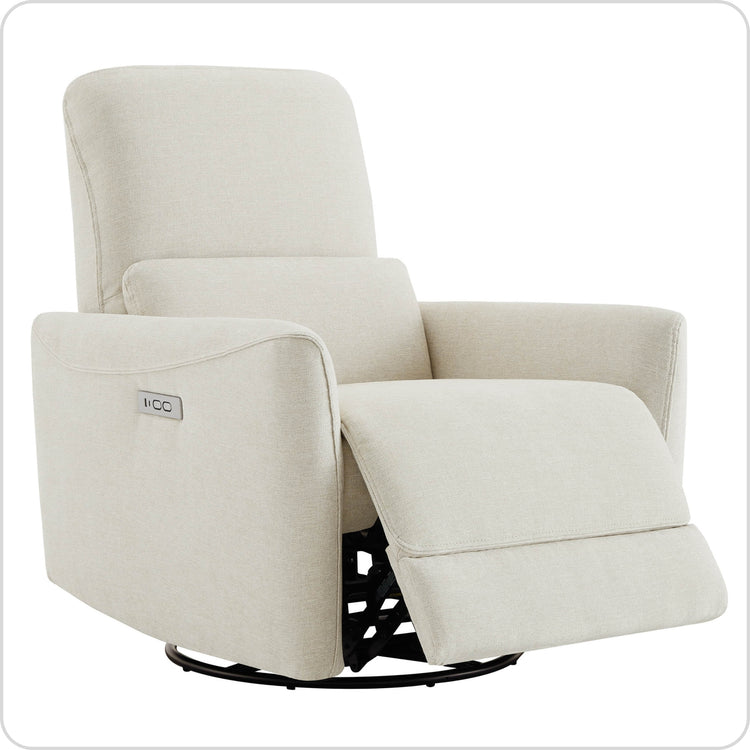
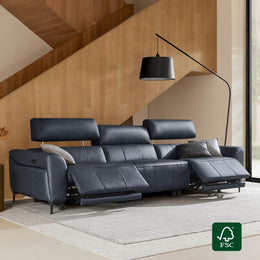
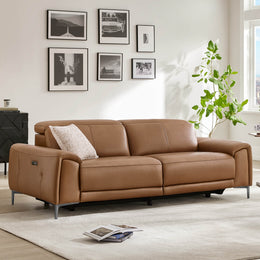
Murphy Premium Dual-Motor Genuine Leather Zero-Wall Power Reclining Sofa
What Sofa Cushion Specifications Should You Check?
Physical testing is useful in a store, but specifications become more important when you are comparing sofas online. Focus on measurable details instead of relying only on words such as "plush" or "firm."
Foam Density
Foam density refers to the weight of foam within a given volume. It is commonly listed in pounds per cubic foot in the U.S.
Density is not the same as firmness. Higher-density foam can be made to feel soft, while lower-density foam can initially feel firm. Density is more useful for thinking about durability and resistance to long-term compression.
Do not use a single density number as the only test of quality. The cushion's thickness, firmness, cover, comfort layer, and suspension also matter.
Firmness or ILD/IFD
Firmness describes how much force is needed to compress the foam. ILD and IFD are commonly used terms for this measurement. A higher number generally indicates a firmer foam, but that does not automatically make it better. Your preferred sitting style matters too.
A lounge sofa may use a softer feel, while a sofa designed for more upright sitting may use a firmer cushion.
Cushion Thickness
Thickness gives the cushion room to compress and absorb body weight. A very thin cushion may have less room between your body and the support structure. A very thick cushion can also feel too soft if its internal construction does not provide enough resistance. Look at thickness together with the cushion core and suspension.
Cushion Fill and Layering
Ask what is inside the cushion rather than relying on the fabric or appearance. Foam, fiber, feather, and hybrid constructions can all create different experiences. A foam core with a softer fiber or feather layer can offer a useful balance between structure and a relaxed surface feel.

Don't Judge Sofa Support by Firmness Alone
Firmness is easy to notice, so it often becomes the first thing shoppers use to judge support. It should be treated as only part of the picture.
Firm Does Not Always Mean Supportive
A very firm cushion may resist your weight strongly, but that does not tell you how well it distributes pressure or how it will perform over time.
You may also find a firm cushion uncomfortable if it creates pressure around your hips or thighs.
Plush Does Not Always Mean Unsupportive
A soft sofa can have a supportive structure underneath the surface.
For example, a cushion with a high-density foam core and a feather or fiber comfort layer can feel soft at first while still giving your body more resistance as you sink deeper into the seat.

Lauren Modern Wraparound 3-Seater Sofa with Feather Filling
Look at the Whole Seating System
For a clearer picture, consider:
- Cushion core
- Foam density
- Firmness
- Cushion thickness
- Comfort layers
- Suspension
- Frame
- Seat depth
- Cushion stability
How to Judge Cushion Support When Buying a Sofa Online
Online shopping removes the easiest test: sitting on the sofa yourself. Product specifications, customer reviews, and warranty details can help fill that gap.
Look Beyond "Soft" and "Firm"
Search the specifications for:
- Foam type
- Foam density
- Cushion fill
- Suspension
- Seat depth
- Cushion thickness
- Firmness rating
A listing that only says "plush" or "extra firm" gives you limited information.
Read Reviews for Long-Term Clues
Look for comments about:
- Cushion sagging
- Loss of shape
- Long-term comfort
- Edge support
- Bottoming out
- Cushion movement
- Ease of getting up
Pay more attention to reviews that mention months or years of use than comments based on the first day.
Check the Warranty and Return Policy
Cushion compression may be treated differently from frame or mechanical problems.
Check the warranty terms for coverage related to structural defects, cushion problems, and normal wear. A clear return policy also gives you more flexibility if the sofa feels different from what you expected.
Choose the Right Cushion Support for Your Comfort
A supportive sofa should feel comfortable, not stiff. Look for a cushion that gives a little, pushes back gently, and returns to shape after use. Check the foam, fill, suspension, and seat depth together, then test how your body feels in different positions. The best cushion support is the kind that lets you sit, relax, and get up easily without feeling buried or pushed around.
FAQs
Q1: Is a Firm Sofa Cushion Better for Support?
Not necessarily. Firmness describes how much resistance you feel, while support also depends on the cushion core, suspension, thickness, and seat design. A medium or softer cushion can still provide good support if its construction is well balanced.
Q2: What Type of Cushion Filling Provides the Best Support?
There is no single best filling for every sofa. Foam can provide a stable core, while fiber and feather can add softness. Hybrid construction can combine a supportive core with a softer surface, making it a common choice for people who want both comfort and structure.
Q3: How Can You Tell if a Sofa Cushion Will Sag?
Check the cushion construction, foam properties, suspension, and recovery. During a showroom test, sit for several minutes, stand up, and check for deep or uneven compression. Online, look for long-term reviews that mention sagging or loss of shape.
Q4: How Should a Sofa Cushion Feel When You Sit On It?
It should give under your weight without letting you sink too deeply. You should feel supported rather than pressed against a hard structure. Your hips and thighs should feel comfortable, and you should be able to change positions or stand up without struggling.

More to Read
 7 Sofa Trends That Actually Improve Comfort in 2026
Upgrade your living room with furniture that supports your body. Here are 7 modern sofa features designed to maximize your daily comfort...
7 Sofa Trends That Actually Improve Comfort in 2026
Upgrade your living room with furniture that supports your body. Here are 7 modern sofa features designed to maximize your daily comfort...
 Mother's Day Gift Guide: Cozy and Stylish Furniture Picks for Modern Moms
Make Mother's Day more meaningful with furniture gifts that bring comfort, smart features, storage, and quiet luxury into her everyday routine.
Mother's Day Gift Guide: Cozy and Stylish Furniture Picks for Modern Moms
Make Mother's Day more meaningful with furniture gifts that bring comfort, smart features, storage, and quiet luxury into her everyday routine.
 Performance Fabric Reality Check: Does It Really Repel Pet Hair and Stains?
Performance fabric is often marketed as a miracle solution for homes with pets and kids, but the reality is more nuanced. It...
Performance Fabric Reality Check: Does It Really Repel Pet Hair and Stains?
Performance fabric is often marketed as a miracle solution for homes with pets and kids, but the reality is more nuanced. It...