
































How to Clean a Dusty or Itchy Couch Without Damaging the Fabric

A dusty couch needs a careful clean; a couch that seems to make you itch also calls for a look at what changed. Start with dry dust removal and the upholstery instructions. Keep a note of when the irritation appears, especially after a new cleaning product, throw or fabric treatment.
Why does the couch make you itch? Start with what changed
Dust, pet allergens and contact with an irritating substance are possible factors around upholstered furniture. The timing and skin symptoms need individual assessment. Write down whether the problem began after a spill treatment, a new detergent, a blanket or a change in the room, and pause use of a newly introduced product while you check its directions.
A recurring or persistent rash should be assessed by a healthcare professional. The American Academy of Dermatology explains that contact dermatitis can cause an itchy rash, and repeated symptoms need a diagnosis. Bring the names of products that touched the fabric or your skin.
For the furniture, choose the approved cleaning method for its exact upholstery. Adding several cleaners in succession makes it harder to identify what touched the surface and can damage the finish.

Remove dust before applying a cleaner
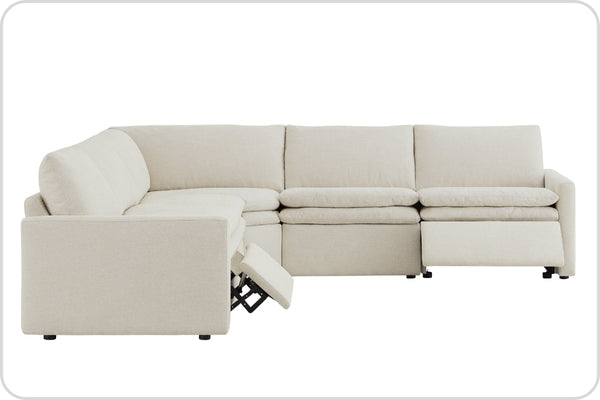
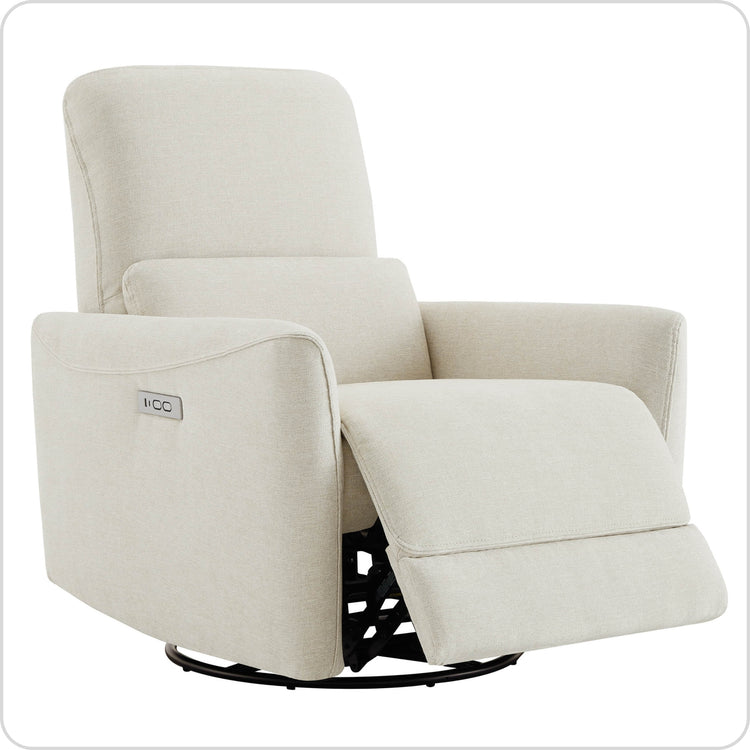
Set out the vacuum's upholstery attachment, a suitable crevice tool and clean white cloths. Read the furniture instructions before lifting cushions or moving parts. On powered seating, follow the instructions for switching off and disconnecting power before cleaning near mechanisms.
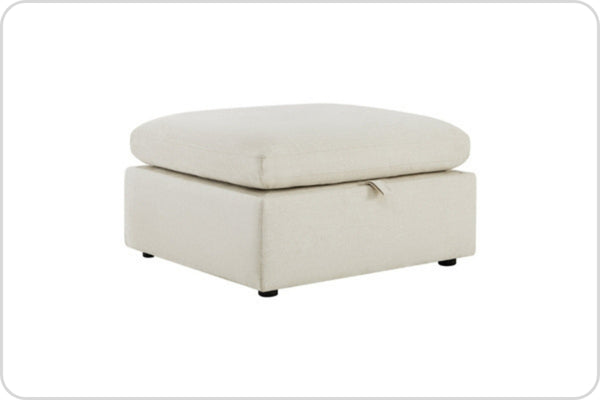
- Remove loose textiles. Set throws and blankets aside for their own care-label checks. Empty any storage compartment.
- Vacuum the seat surfaces. Use suction suitable for the fabric and work gently across the cushions.
- Follow seams and piping. Use the crevice attachment beside the arms, between cushions and along accessible edges.
- Lift removable cushions. Clean the platform and the accessible undersides. Leave fixed upholstery and enclosed cushion interiors intact.
- Clean around the frame. Reach accessible dust beneath and behind the furniture while keeping tools clear of wires and moving hardware.
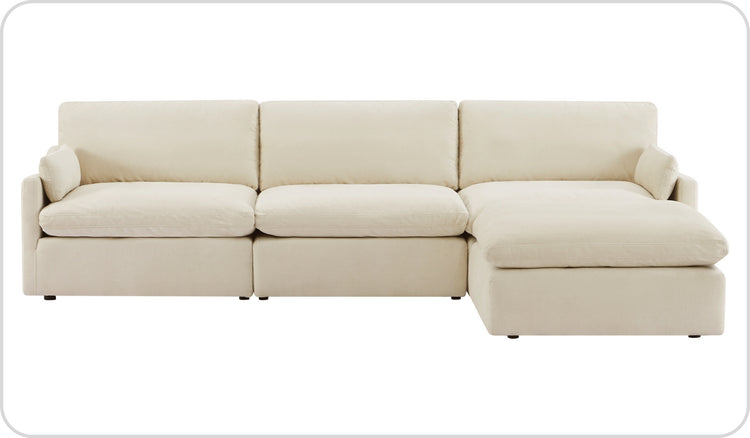
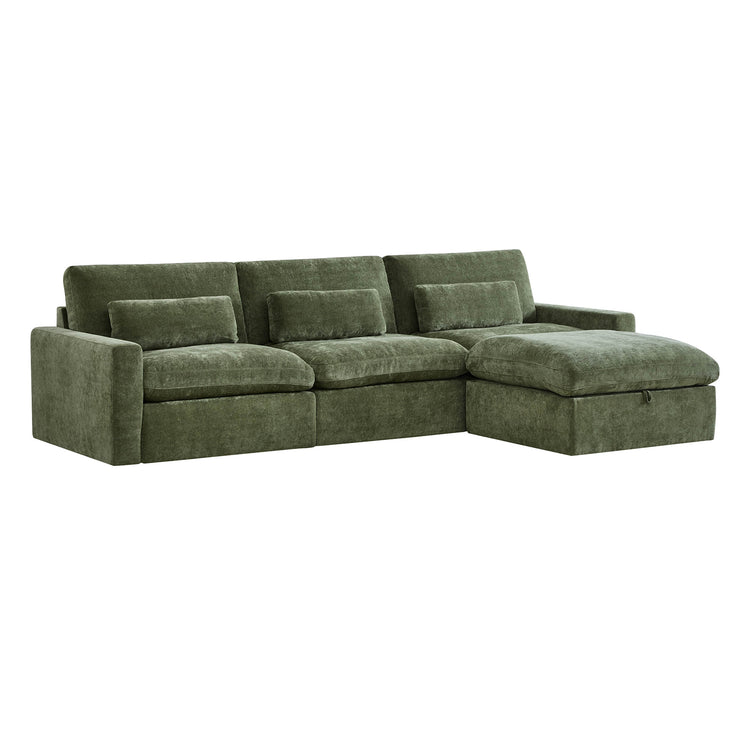
The compartment and connectors on a modular arrangement need attention too. Our storage ottoman and sectional cleaning guide explains how to clear and clean those areas.

Match the method to the upholstery label
Look for the instructions underneath the furniture or beneath a removable cushion. Use the code together with the care directions for the selected upholstery and the cleaning product.
| Code | Permitted cleaning category | Your next step |
|---|---|---|
| W | Water-based upholstery cleaner | Use a compatible product for local treatment, following both labels. |
| S | Suitable solvent-based upholstery cleaner | Follow the specified method and ventilation precautions. |
| W/S or S/W | Compatible water-based or solvent-based cleaner | Choose a permitted product for the stain and fabric. |
| X | Vacuuming or light brushing | Use a suitable attachment or soft, non-metallic brush. |
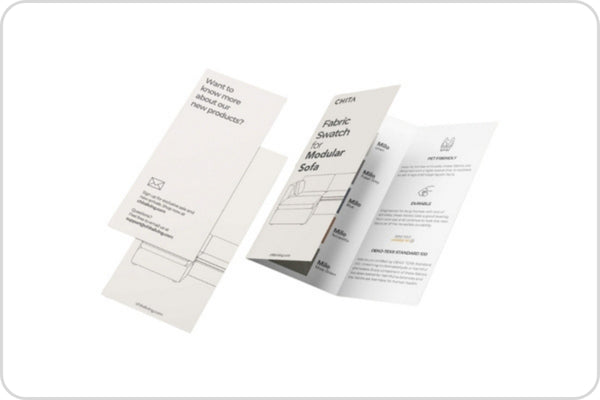
If the label is missing, keep to gentle dry dust removal and contact us with the product name, upholstery option and a photo of any remaining label. We can help identify the appropriate care instructions.
A W code identifies a cleaning category. Our general W/S fabric care instructions advise against hot-water extraction and steam cleaning. Use the permitted spot-cleaning method for your piece.

Spot-clean without soaking the cushion
Treat a mark after removing loose dirt. First test the approved cleaner on a hidden area and let the test dry so you can check the color and texture.
- Apply the permitted amount by the method on the cleaner's label.
- Blot gently with a clean white cloth, using fresh areas of the cloth as needed.
- Keep the cushion from becoming saturated. Follow any specified residue-removal step.
- Let the treated area dry fully before replacing cushions, covering the seat or using it.
A remaining mark calls for advice about that particular fabric. Harder scrubbing or repeated wet treatment can change its appearance. For leather and faux leather panels, use products approved for that finish and care for adjacent wood or metal separately.

Wash covers, throws and blankets by their own labels
A removable cover can be machine washed only when its wash instructions allow it. The zipper may provide access for fitting or servicing the cushion. Check the permitted temperature, cycle, detergent and drying method before removing the cover.
Keep the labels for cushion covers and separate textiles distinct. A blanket's hot-wash instructions apply to that blanket. A sofa with a W upholstery code may still have covers intended for spot cleaning. Put covers back according to their own instructions and confirm everything is fully dry before use.
For a sofa with several upholstery materials, record the method for each section. This keeps a water-based treatment intended for one fabric away from a surface with different care requirements.

Keep dust from building up again
The Asthma and Allergy Foundation of America recommends vacuuming once or twice a week as part of indoor allergen control. Include frequently used seats and accessible crevices, and adjust the routine when you notice more dust or pet hair.
AAFA recommends indoor relative humidity around 30–50%. Check the room with a humidity meter, address moisture problems and let cleaned upholstery dry fully. These are household allergen-control measures; a recurring skin problem still needs its own assessment.
Keep separate care notes for throws, pet bedding and seat covers. Following their wash instructions gives each item an appropriate cleaning routine throughout the year.

Couch cleaning questions
Can dust mites bite me while I sit on the couch?
No. Dust mites do not bite; they can trigger allergies in people who are sensitive to them, as explained by AAFA's information on insect allergies. If you have new bite-like marks or a recurring rash, have the cause assessed instead of identifying it from the sofa alone.
How should I clean a couch that makes me itchy?
Begin with gentle vacuuming and clean separate washable textiles by their labels. For a stain, use only the upholstery's permitted treatment after a hidden-area test. Note any recent cleaner or detergent change and seek medical advice for persistent or recurring irritation.
Is steam cleaning a safe default for a CHITA fabric sofa?
No. Our general W/S fabric care guidance advises against steam cleaning and hot-water extraction. Use steam only if the specific instructions for your sofa expressly permit it. For routine care, vacuum first and use the approved spot-cleaning method. Ask us about care if the instructions on your piece are missing.
Can every zip-off cushion cover go in the washing machine?
No. A zipper may be there to fit or service the cushion, while the cover itself is intended for spot cleaning. Machine washing is appropriate only when that cover's wash label permits it. Use the specified cycle and drying method.
Recommended Products


More to Read
 7 Sofa Trends That Actually Improve Comfort in 2026
Upgrade your living room with furniture that supports your body. Here are 7 modern sofa features designed to maximize your daily comfort...
7 Sofa Trends That Actually Improve Comfort in 2026
Upgrade your living room with furniture that supports your body. Here are 7 modern sofa features designed to maximize your daily comfort...
 Mother's Day Gift Guide: Cozy and Stylish Furniture Picks for Modern Moms
Make Mother's Day more meaningful with furniture gifts that bring comfort, smart features, storage, and quiet luxury into her everyday routine.
Mother's Day Gift Guide: Cozy and Stylish Furniture Picks for Modern Moms
Make Mother's Day more meaningful with furniture gifts that bring comfort, smart features, storage, and quiet luxury into her everyday routine.
 Performance Fabric Reality Check: Does It Really Repel Pet Hair and Stains?
Performance fabric is often marketed as a miracle solution for homes with pets and kids, but the reality is more nuanced. It...
Performance Fabric Reality Check: Does It Really Repel Pet Hair and Stains?
Performance fabric is often marketed as a miracle solution for homes with pets and kids, but the reality is more nuanced. It...