






























How to Clean a Storage Ottoman and Modular Sectional Sofa

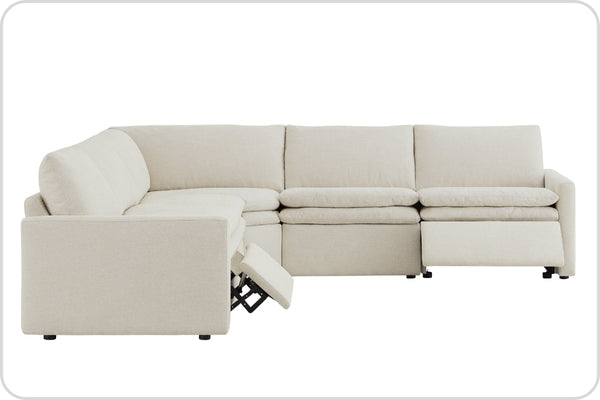
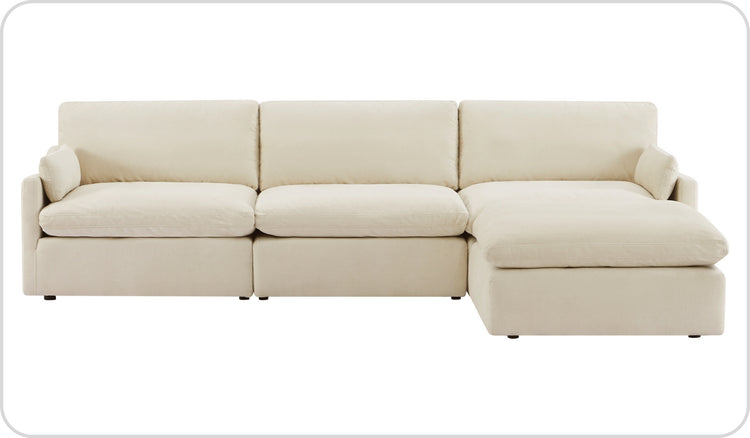
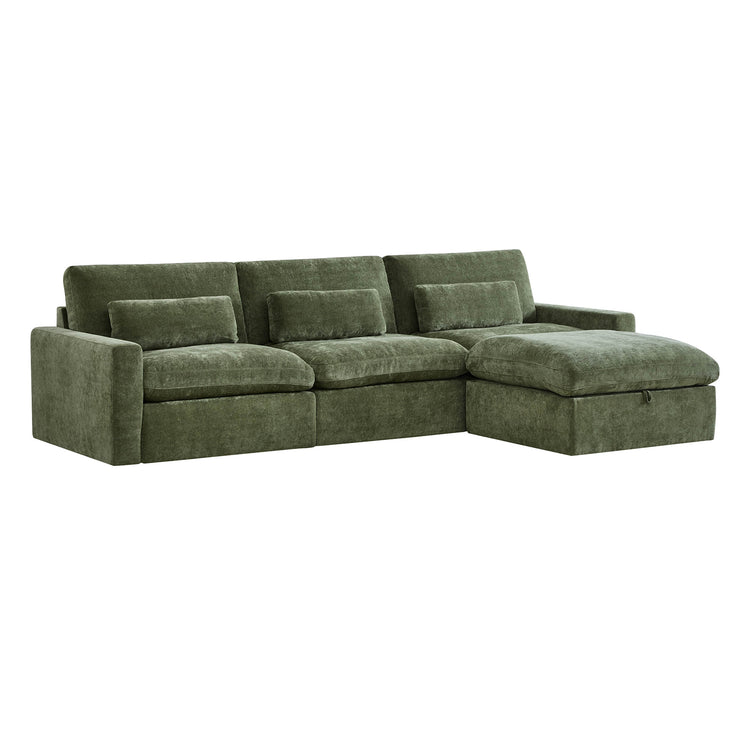
A storage ottoman collects the crumbs on top and the blankets underneath. A modular sofa adds seams between seats and connectors near the floor. Cleaning each area separately makes it easier to remove a spill without wetting the storage lining or working cleaner into the joints.
Read the care code before choosing a cleaner
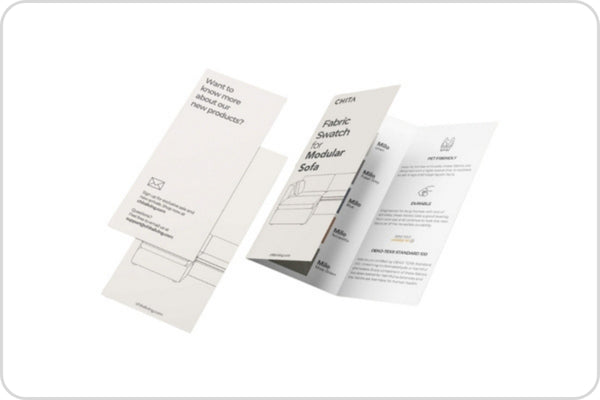
Start with the care instructions for the upholstery you ordered. The code applies to the fabric; a removable cushion cover, a storage liner, and the frame may have their own directions. Look on the furniture label and the care information supplied with your order. To match a current model name, compare the designs in our ottoman collection before checking the instructions for your upholstery. If the label is missing, send us the model, upholstery color, and order details so we can help identify the care instructions.
- W: water-based spot cleaning
- Use the water-based upholstery shampoo or foam specified for the fabric. Apply a small amount and keep the padding from becoming saturated.
- S: water-free solvent spot cleaning
- Use an upholstery product labeled for water-free cleaning and follow its directions, including ventilation. Household dish soap and water are unsuitable substitutes for an S-code cleaner.
- WS or W/S: water-based or solvent spot cleaning
- Choose the permitted product that suits the stain, then test it in a hidden area. Keep treatment local to the affected surface.
- X: vacuuming or gentle brushing
- Remove loose soil with dry methods. Ask an upholstery professional about stains that remain.
The Association for Contract Textiles provides upholstery cleaning-code definitions for these spot-care methods. A water-cleanable code describes spot treatment. Machine washing, steam cleaning, and extraction with a wet upholstery machine each need separate approval in the item's care instructions. A zipper can be an assembly detail, so check cover-washing directions before removing a cover.
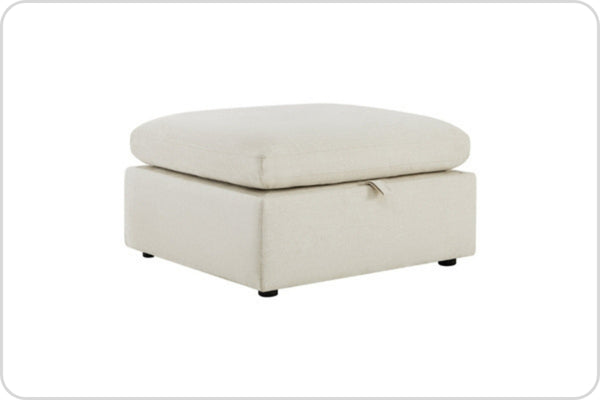
A specific example: our Delaney Storage Ottoman
Our Delaney Storage Ottoman lists Cleaning Code S for non-removable upholstery: blot spills promptly with an absorbent cloth and use a water-free stain remover for spot treatment. Its cushion covers are dry clean only. Use the instructions supplied for your upholstery selection when choosing a cleaner.

A cleaning routine for seats and seams
- Clear the surface. Remove throws and loose objects. Lift only the cushions designed to come off. Keep fixed upholstery in place.
- Vacuum loose dirt. Use a clean upholstery attachment on the seat, arms, seams, and accessible gaps between modules. Work gently over textured fabric and avoid catching loose threads.
- Test the approved cleaner. Apply it to a small, inconspicuous area as directed. Let the test dry, then look for color transfer, a ring, stiffness, or a change in texture.
- Blot a fresh spill. Press with a clean, absorbent white cloth, working toward the center of the spill. Change to a dry part of the cloth as it picks up liquid.
- Treat only the remaining mark. Use the method allowed by the care code. Keep the amount small and follow the cleaner's instructions for removing residue and drying.
Pet hair and dry crumbs can be removed whenever they collect. A brief vacuum during your usual room cleaning is a practical starting point; visible dirt and daily use determine how often the furniture needs attention. Rotate or flip cushions only where the design allows it. For a room-wide pass, our sofa and chair dust-removal guide covers cushions, seams, and separate care labels.
Performance upholstery also has material-specific cleaning instructions. Our guide to performance fabric, pet hair, and stains explains the differences to consider when choosing upholstery for a busy room.
How to clean the storage compartment
Empty the compartment so you can see the bottom, corners, and underside of the lid. Support and operate the lid as directed for that ottoman, with fingers clear of hinges and closing edges. If the lid will not stay in its intended open position, arrange service before reaching into the compartment.
Vacuum accessible crumbs and lint with a soft attachment, then use a dry cloth for remaining dust. Use a lightly damp cloth on a hard interior surface only when its care instructions permit it. Keep upholstered liners, exposed wood edges, hinges, and seams as dry as possible.

For a musty smell, take out the stored items and check each one, then inspect the lining for dampness or a spill. Air the empty ottoman in a dry, ventilated room where the open lid can stay safely undisturbed. Return only clean, fully dry items after the compartment is dry. Fragrance sprays can leave residue in the closed space and make the original odor harder to locate.
Persistent odor, visible mold, or moisture deep in the lining calls for an upholstery assessment. The EPA's guidance on mold in porous materials explains why growth inside absorbent material can be difficult to remove completely. Give the cleaner the fabric code and explain that the furniture has a storage compartment. This helps them plan access and drying as well as stain treatment.

Check modular connections after moving
For modules joined by connectors, follow the assembly instructions to separate them before moving. Clear the route and arrange help or suitable handling aids before lifting a module, following HSE's load-handling guidance. Then vacuum the exposed floor and accessible connection areas. Reconnect the pieces on a level surface using the intended brackets or latches. For a freestanding design, position each module on its intended feet with full floor contact.
Inspect alignment if a gap remains. A bent bracket, loose fastener, or uneven floor needs a different response from a crumb-filled seam. Adjust only the hardware identified in the assembly instructions. If a connector remains loose or damaged, ask our support team about the connector with a photo and your order information. Our modular sofa stability guide covers layout and connection checks in more detail.
When a stain needs more help
Stop treating an area if the test changes the color or texture, or if repeated light treatment leaves a mark. Tell a professional what was spilled, how long it has been there, and which cleaner you used. Pet accidents and old liquid spills may reach the padding or storage lining, so surface treatment can leave the source of an odor behind.
Frequently asked questions
Can I use dish soap on a storage ottoman?
Use dish soap only when your ottoman's care instructions specifically allow a mild soap-and-water solution. For Delaney's S-code non-removable upholstery, use the specified water-free stain remover. Start every new product with a hidden-area test and follow the item's care directions.
Can I steam-clean a modular sectional?
Steam cleaning requires explicit approval for the exact upholstery and furniture construction. A W or WS code alone does not establish steam compatibility. Use the approved spot-cleaning method or arrange professional care when a larger area needs cleaning.
How do I get a smell out of a storage ottoman?
Remove the stored items, vacuum the empty compartment, and locate any damp or stained area. Air and dry the compartment before refilling it. Persistent odor or visible mold needs an assessment of the lining and padding, where the source may remain.
Can I wash a cushion cover because it has a zipper?
Wash it only when that cover's care instructions explicitly allow washing. Zippers also provide access during assembly. Delaney cushion covers are listed as dry clean only, so keep them out of a home washing machine.
How often does the sofa need a deep clean?
Arrange deeper cleaning when there is widespread soiling, an odor that remains after routine care, or a stain beyond the approved spot-treatment method. Vacuum visible debris and respond to spills as they happen; a fixed monthly or seasonal wet-cleaning schedule can add unnecessary moisture.
Recommended Products


More to Read
 7 Sofa Trends That Actually Improve Comfort in 2026
Upgrade your living room with furniture that supports your body. Here are 7 modern sofa features designed to maximize your daily comfort...
7 Sofa Trends That Actually Improve Comfort in 2026
Upgrade your living room with furniture that supports your body. Here are 7 modern sofa features designed to maximize your daily comfort...
 Mother's Day Gift Guide: Cozy and Stylish Furniture Picks for Modern Moms
Make Mother's Day more meaningful with furniture gifts that bring comfort, smart features, storage, and quiet luxury into her everyday routine.
Mother's Day Gift Guide: Cozy and Stylish Furniture Picks for Modern Moms
Make Mother's Day more meaningful with furniture gifts that bring comfort, smart features, storage, and quiet luxury into her everyday routine.
 Performance Fabric Reality Check: Does It Really Repel Pet Hair and Stains?
Performance fabric is often marketed as a miracle solution for homes with pets and kids, but the reality is more nuanced. It...
Performance Fabric Reality Check: Does It Really Repel Pet Hair and Stains?
Performance fabric is often marketed as a miracle solution for homes with pets and kids, but the reality is more nuanced. It...