



























Spring pollen and indoor dust create a messy mix that triggers constant sneezing. Most of us remember to wipe down counters or sweep the floors, but our furniture often stays dirty. What's more, a big mistake people make when cleaning the furniture is treating every piece of furniture the same way. You cannot clean a delicate woven accent chair with the same heavy-duty scrub you use on a rugged outdoor bench. If you ignore what your furniture is made of, you might ruin the fabric or trap moisture that leads to mold. To breathe easier this season, you need a plan that starts with identifying your materials before you ever pick up a sponge.
How Sofas and Chairs Trigger Allergies During Spring
Furniture acts like a filter, catching every particle in the air. Over time, these particles build up and turn your favorite seat into a source of irritation.
Upholstered Furniture Traps Allergens
Fabric has tiny fibers that grab onto debris. Dust mites, pollen, pet dander, and dead skin cells sink deep into the cushions of a living room sofa. Sitting down creates a puff of air that releases these allergens directly into your face.
Spring Makes the Problem Worse
Open windows allow tree and grass pollen to settle on your chairs. Additionally, warmer temperatures and higher humidity help dust mites multiply faster inside your modern sofa.
Signs Your Furniture May Be Causing Allergy Symptoms
- Sneezing or itchy eyes specifically when sitting on the couch.
- Allergy symptoms that feel worse indoors than outdoors.
- Visible dust buildup or musty odors coming from the fabric.
The Most Important Step Most People Skip: Identify the Material
You need to know what you're working with before you clean. Using the wrong liquid or tool can permanently stain your furniture or strip away the natural oils that keep materials soft and durable.
One Cleaning Method Does NOT Fit All
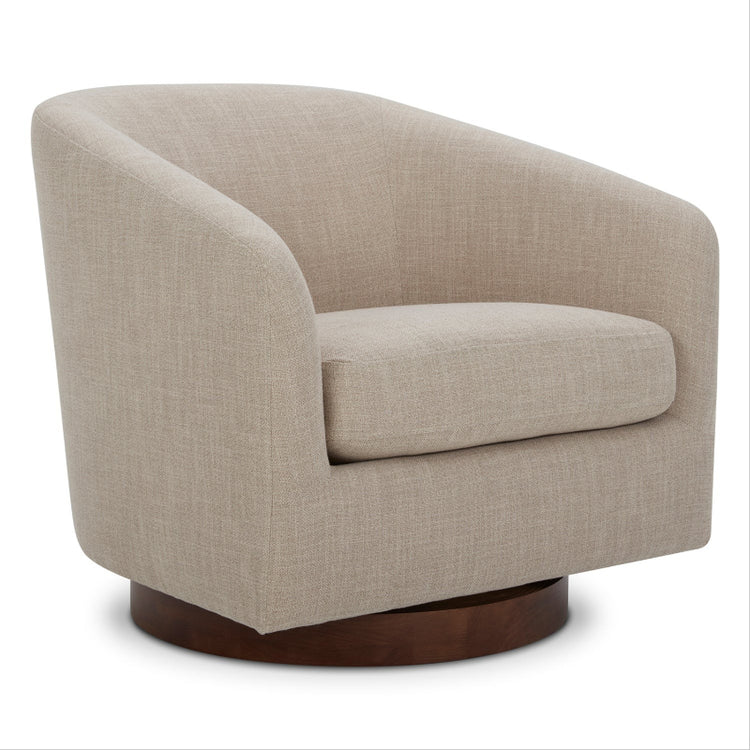
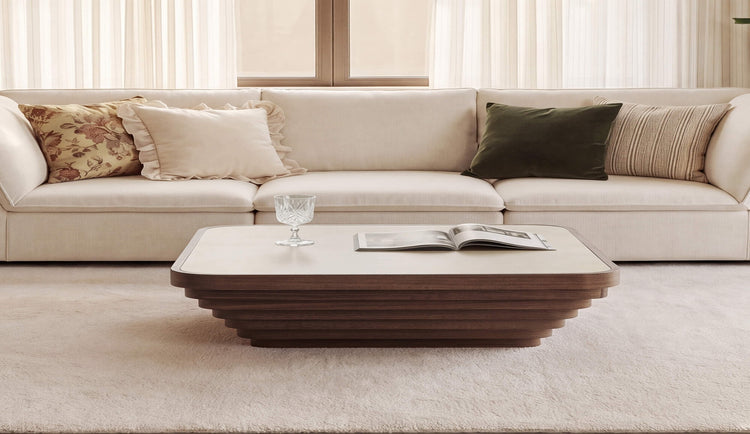
Different materials react to water and chemicals in different ways. Standard fabric, like what you find on a 5-seat modular sofa, absorbs moisture easily, which is good for some cleaners but bad if you use too much. Leather is less porous, so dirt sits on the surface, but it is very sensitive to harsh soaps that can cause it to crack. Delicate fabrics can shrink or lose their texture if they get too hot or wet. Because fabric traps dirt deep inside and leather keeps it on top, your strategy must change based on the surface.
Check the Upholstery Cleaning Code
Almost every piece of furniture has a small tag, usually hidden under a cushion or the base. This tag tells you exactly how to clean it. Look for these letters:
- W: You can use water-based cleaners.
- S: Only use special solvents (no water).
- WS: You can use either water or solvents.
- X: Only use a vacuum; liquids will ruin it.
Following these codes helps ensure you don't destroy your modern living room sofa set during your spring cleaning.

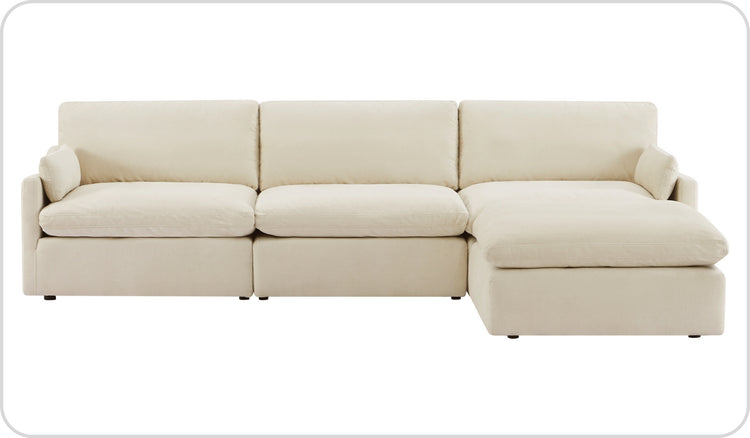
The Brendon Sofa Collection combines timeless modern appeal with clean lines, featuring oversized sink-in cushions, a solid wood base, and flexible modular pieces designed for effortless lounging and easy styling.
Quick Material Categories to Know
To keep things simple, group your furniture into three categories.
- First is common fabric like cotton, polyester, or microfiber.
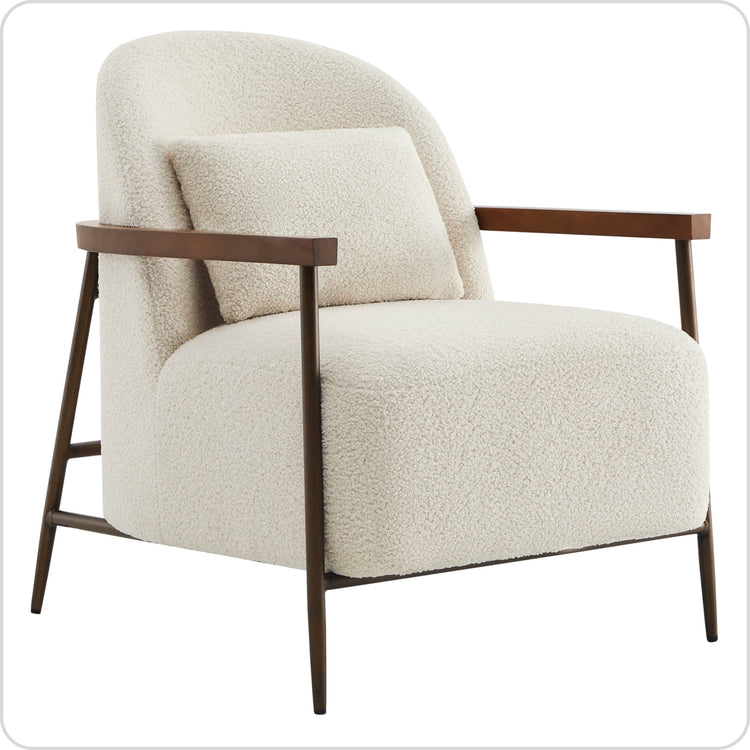
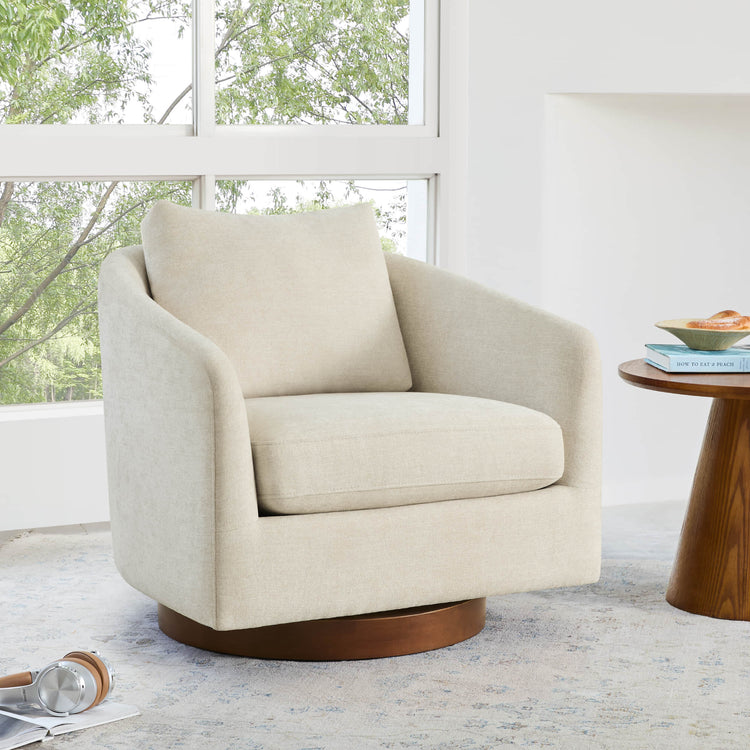
- Second is delicate materials like linen, velvet, or silk—think of a contemporary woven accent chair that looks fancy and fragile.
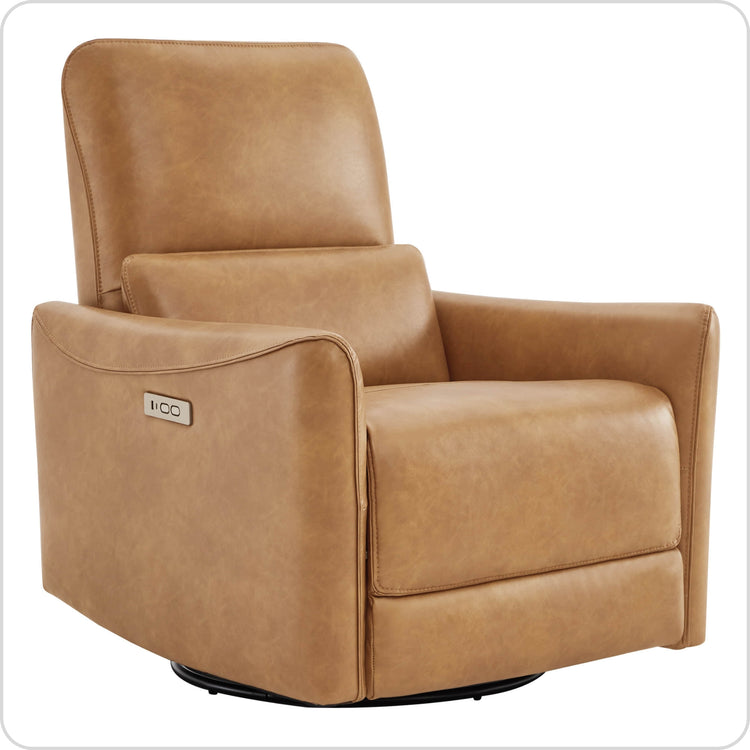
- Third is leather or faux leather, which includes items like a leather power recliner or a faux leather counter stool.
Knowing which category your chair falls into helps you pick the right supplies.

The Sienna Rope Accent Chair blends coastal chic with modern design, featuring an intricately handwoven rope backrest, a sturdy frame, and soft, comfortable cushions for a supportive and stylish seating experience.
How to Clean Sofas and Chairs Based on Material
You can start the work once you know what material you're cleaning and how to do it.
Fabric Sofas (Cotton, Polyester, Microfiber)
Fabric sofas are the most common but also the hardest to keep allergen-free because they are so absorbent. They act like a sponge for smells and dust.
Cleaning Method: Start with a HEPA vacuum. This is the most important step for allergies because a HEPA filter traps tiny particles instead of blowing them back out. If the code is "W," you can use a mild detergent mixed with water. For a storage modular sofa, make sure to vacuum out the storage sections too. If the tag allows it, a steam cleaner can kill dust mites with heat.
Key Caution: Do not soak the fabric. If the inside foam gets too wet, it stays damp for days, which can lead to mold and a musty smell.

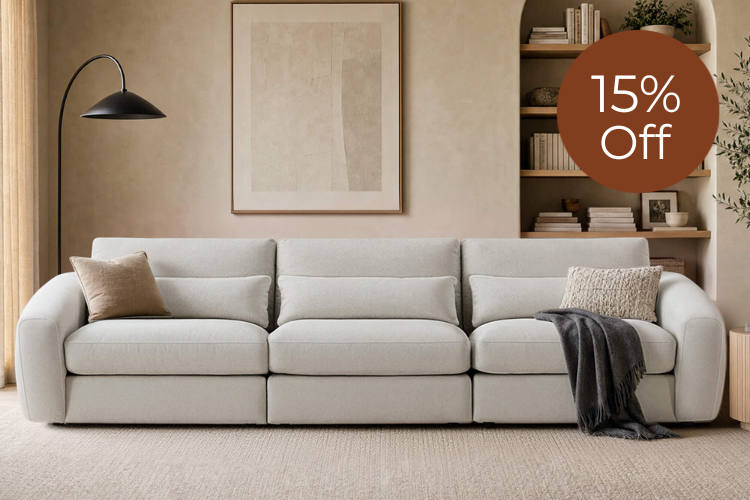
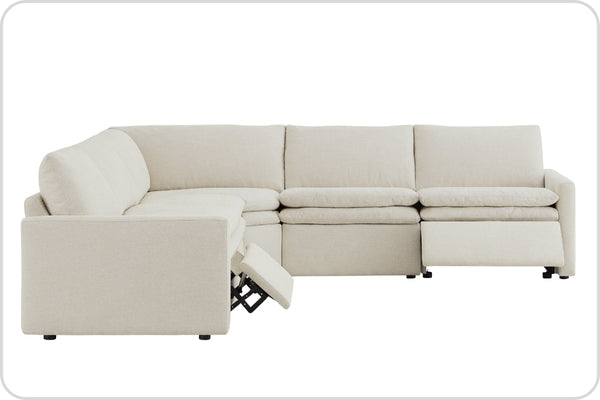
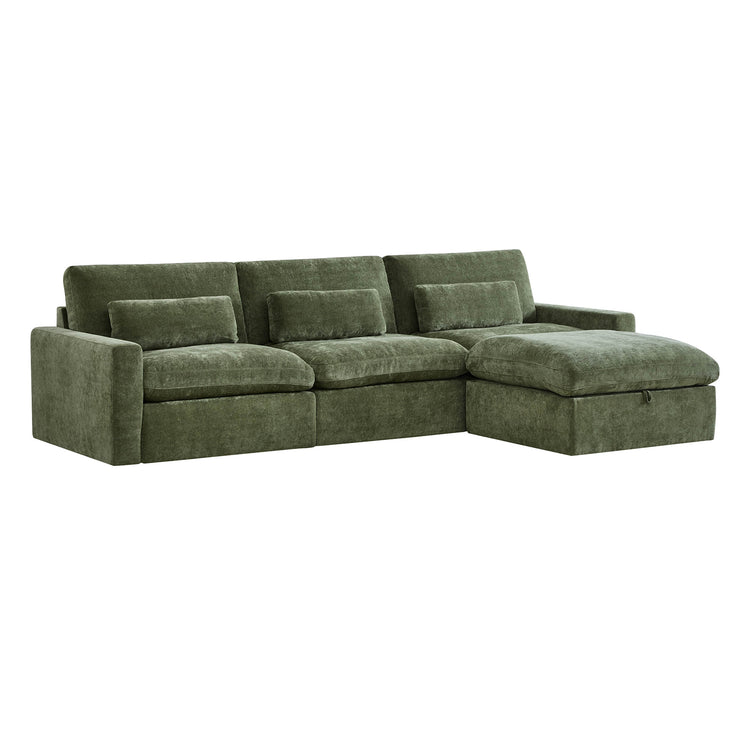
The Maisie 5-Seat Modular Sofa offers a lounge-first feel with wide seats and duvet-soft arm pillows, featuring an easily reconfigurable design, durable OEKO-TEX® fabric, and hidden storage for convenient, everyday comfort.
Delicate Fabrics (Linen, Velvet, Silk)
A modern woven accent chair or a velvet sofa adds style to a room, but these materials are very sensitive. They don't handle friction or heavy moisture well.
Cleaning Method: Use a very soft brush to loosen dust before vacuuming. If you need to remove a spot, use a tiny amount of liquid and blot—never rub. For these items, dry cleaning or "low-moisture" professional cleaning is usually the safest bet.
Key Caution: Never use a steam cleaner on velvet or silk unless the tag explicitly says it is okay. High heat can melt synthetic fibers or ruin the "nap" (the soft texture) of the fabric.
Leather Sofas and Chairs
Leather is a great choice for people with allergies because pollen and dander can't sink into it. However, it still needs care to stay in good shape.
Cleaning Method: Use a vacuum with a soft brush attachment so you don't scratch the surface. Wipe it down with a damp microfiber cloth. For a genuine leather power recliner, use a dedicated leather cleaner followed by a conditioner. This keeps the leather from drying out and cracking over time.
Key Caution: Never use steam on leather. Also, stay away from harsh chemicals like bleach or window cleaner, as these will strip the color and ruin the finish.

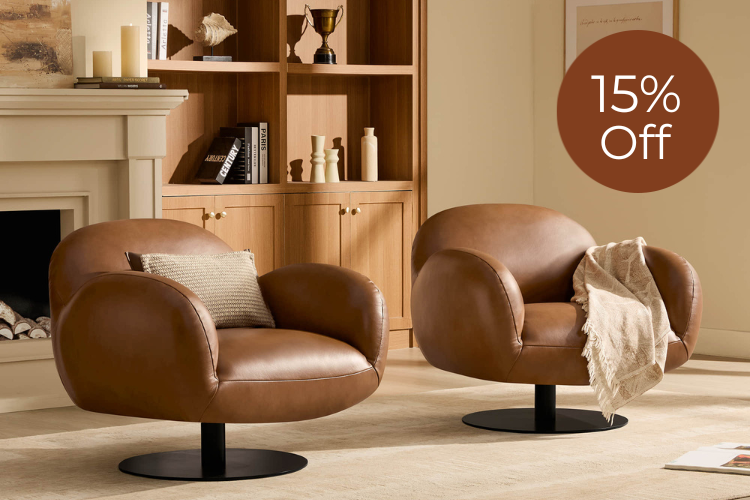
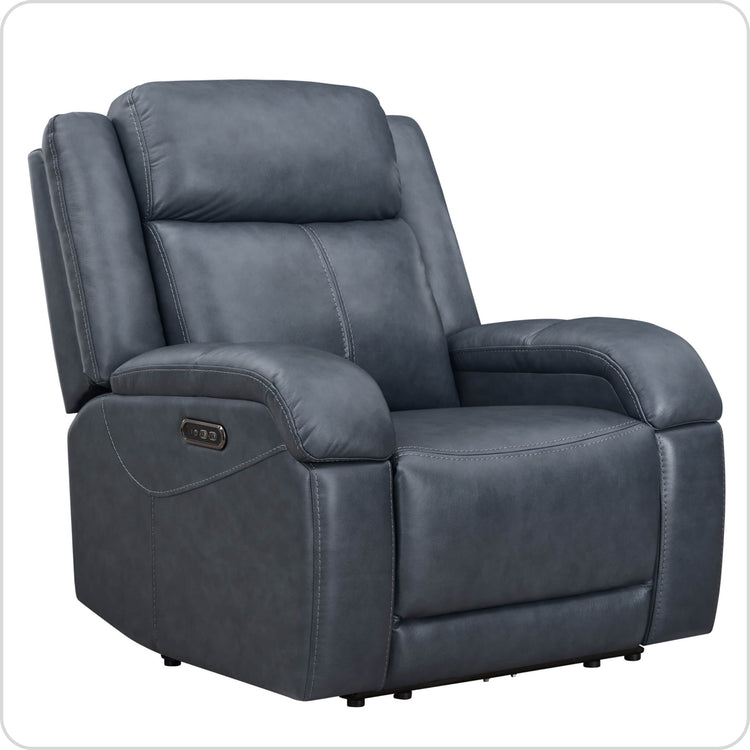
The Myles Power Recliner merges modern aesthetics with premium comfort, offering top-grain genuine leather, smooth 135° power reclining, a 270° gliding swivel base, and built-in USB/Type-C charging ports for effortless relaxation.
What Are the Universal Steps to Clean Any Piece of Furniture?
Regardless of what your chair is made of, some steps help pull dust out of your home instead of just moving it around.
- Vacuum slowly and thoroughly: Move the vacuum head at a steady pace. Quick movements stir dust into the air. Use a HEPA filter to trap tiny pollen particles.
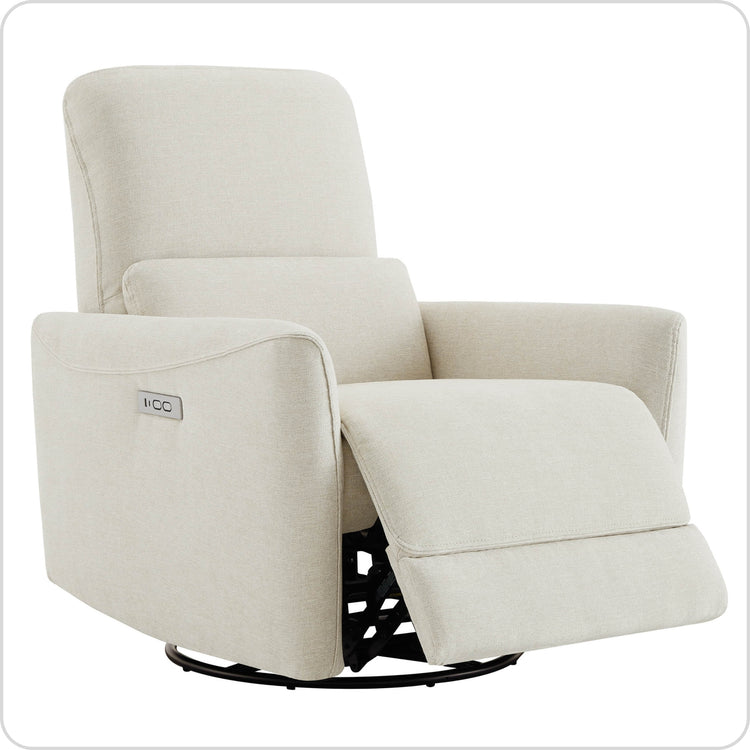
- Clean hidden areas: Remove cushions to reach the space underneath. Focus on seams and crevices in your swivel glider recliner where hair and dander hide.
- Wash removable covers: If your modular sectional sofa with storage has zip-off covers, wash them in hot water to kill dust mites.
- Ensure complete drying: Never sit on damp furniture. Moisture attracts new allergens and causes odors. Use a fan to speed up the process.
Don't Forget the Hidden Allergen Hotspots
If you only clean the parts of the sofa you can see, you are leaving half the allergens behind. Dust settles in the dark, quiet parts of furniture where it isn't disturbed by daily use.
- Check the area under the seat cushions and along the armrests where crumbs and hair collect.
- Don't forget the back of the sofa and the very bottom near the floor. If you have a dining chair with hidden storage, open it up and vacuum the inside compartment.
- Often, we store blankets or extra pillows in a dining chair with storage, and these items can hold onto pollen for months.
How to Prevent Allergens from Coming Back
Cleaning is great, but keeping the allergens away is even better. You can make small changes to your home environment to ensure your furniture stays cleaner for a longer period of time.
Control Indoor Humidity
Dust mites need moisture from the air to survive. If you keep your indoor humidity below 50% using an air conditioner or a dehumidifier, you make it much harder for them to live in your large modular sofa with storage.
Use Washable Covers
If you have a high-traffic chair or a rolling dining chair, consider using a slipcover. It is much easier to throw a cover in the washing machine once a week than it is to deep clean the entire piece of furniture. This is especially helpful if you have pets that shed.
Build a Cleaning Routine
Don't wait for spring to clean. Vacuum your main seating once a week. For example, if you have a dining chair with hidden storage compartment, check it monthly. A seasonal deep clean for your modular sofa with storage will prevent buildup from becoming a major problem.

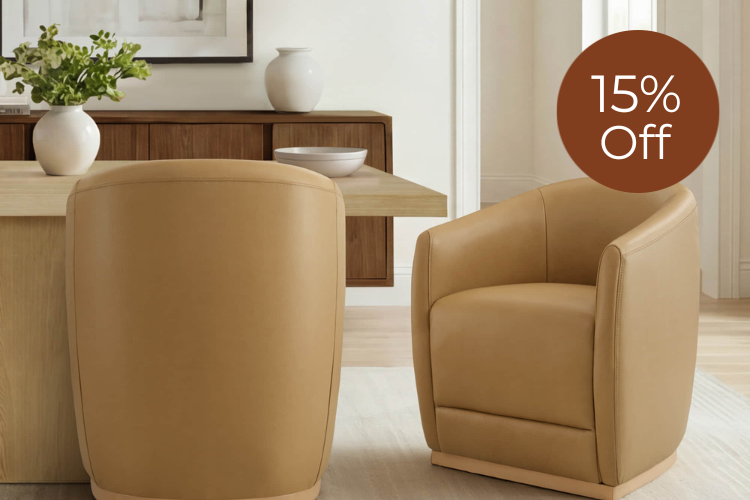
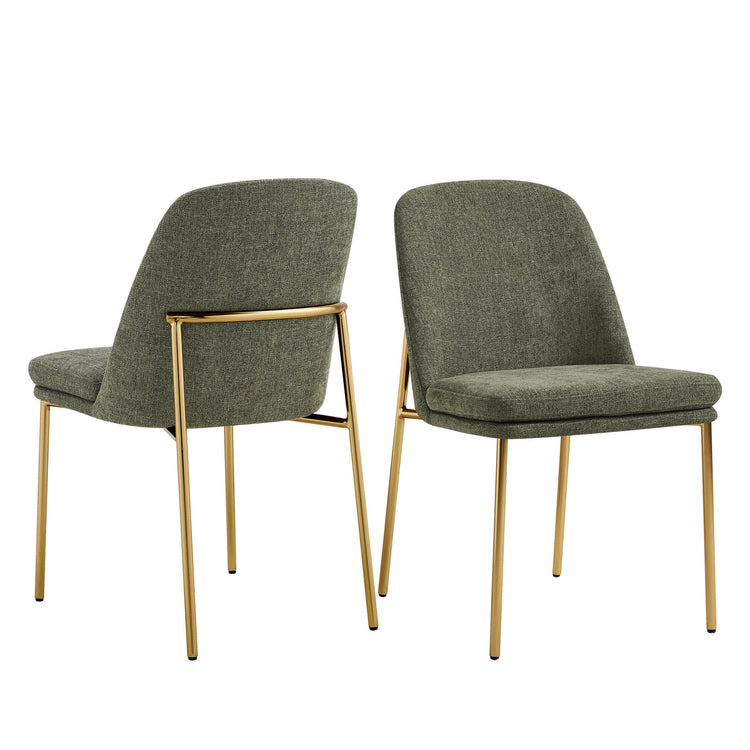
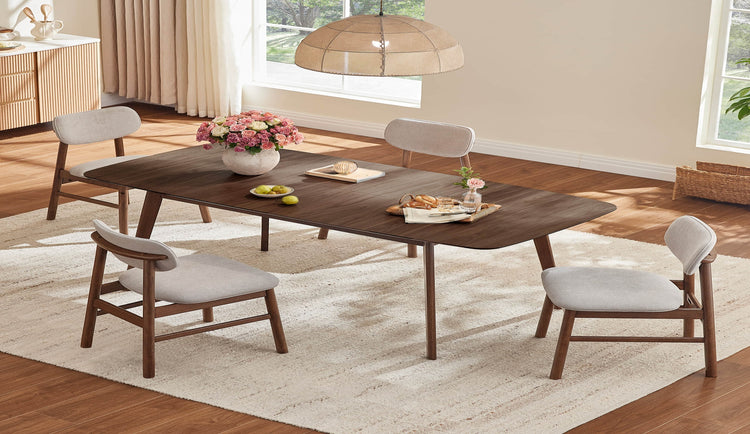
The Elsa Rolling Dining Chair reimagines dining comfort with soft chenille upholstery and a natural wood inlay, featuring smooth hidden casters for easy mobility and discreet under-seat storage to keep spaces organized.
Choose Allergy-Friendly Materials
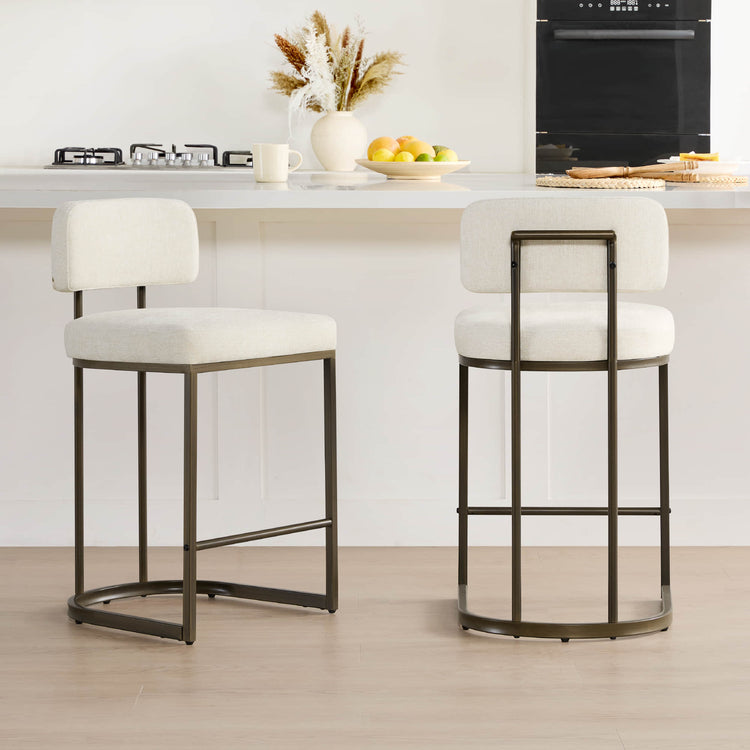
If you are shopping for new furniture, think about allergies. Leather and faux leather, like a faux leather counter stool with rope detail, are much easier to keep clean. If you prefer fabric, look for "tight-weave" performance fabrics that don't let dust sink in as easily.

The Jade Counter Stool pairs sleek sophistication with tactile elegance, featuring a curved backrest with handcrafted rope accents, a plush high-resilience foam seat, and easy-to-clean faux leather on a sturdy gold-finished frame.
Keep Your Sofas and Chairs Allergen-Free This Spring
Cleaning your furniture the right way saves your fabric and your health. Remember, fabric needs deep vacuuming while leather requires gentle care. Always check those tiny cleaning codes on the tag to avoid damage. By lowering indoor humidity and using washable covers, you stop dust mites from moving back in. Follow these easy steps to keep your home clean and the air in your house fresh this spring.
FAQs About Furniture Cleaning
Q1: Can I use the same cleaning method for all sofas?
No. Different materials require completely different approaches. A method that works for a durable polyester living room sofa might ruin a modern woven accent chair or a genuine leather power recliner. Always check the specific cleaning code on the tag—W, S, WS, or X—before applying any liquids or chemicals.
Q2: How often should I clean my sofa during allergy season?
During the peak of spring, you should vacuum your seating at least once a week with a HEPA-filter vacuum to remove fresh pollen. If you have a modular sectional sofa with storage or a 5-seat modular sofa, wash the removable covers once a month.
Q3: What is the best sofa material for allergy sufferers?
Leather and faux leather are the best choices because they are non-porous, meaning allergens stay on the surface instead of sinking into the cushions. Items like a leather power recliner or a faux leather counter stool with rope detail can be wiped clean in seconds.