Warm vs. Cool Furniture Tones: How to Choose the Right Color Temperature for Your Home


Key Takeaways
- Check the undertones of your walls, floors, and existing furniture before choosing new pieces.
- Warm furniture tones create a cozy feel, while cool tones offer a crisp, calm look.
- Mix warm and cool colors through upholstery, wood finishes, and accessories for a balanced room.
- Test fabric and wood samples under your home's lighting before buying furniture.
A sofa can look perfect in a showroom but feel out of place in your living room. The reason may be its color undertone rather than its main color. Learning to recognize warm and cool furniture tones can help you choose pieces that work with your walls, floors, and existing decor. With a few simple color-matching techniques, you can create a room that feels balanced without making every piece of furniture match.
What Are Warm and Cool Furniture Tones?
Warm and cool tones affect the way furniture looks and feels within a room.
Common Warm Furniture Colors
Warm toned furniture often has yellow, orange, red, or golden undertones. Common examples include cream, beige, caramel, camel, terracotta, and warm brown. Honey oak and reddish wood finishes also bring warmth to a room.
These colors work well with natural wood, brass, woven fabrics, and earthy accessories. A terracotta modular sofa, for example, can become the focal point of a living room with warm white walls and light wood furniture. Warm colors can make a space feel inviting, though too many similar shades may leave it looking heavy or overly yellow.
Common Cool Furniture Colors
Cool toned furniture often has blue, green, or cool gray undertones. Popular choices include charcoal, slate blue, blue-gray, cool white, and gray-washed wood.
These shades suit contemporary and minimalist interiors. A cool-toned linen sofa can pair well with gray walls, black metal accents, and pale wood finishes. To keep the room from feeling too cold, add cream textiles, natural wood, or a few warm-colored accessories.

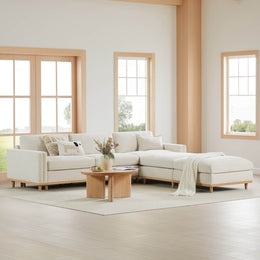
Liam 5-Piece Overstuffed Feather Wood Base Sectional Sofa
How to Identify Furniture Color Undertones
The main color does not tell the whole story. Two beige sofas may look different because one has a yellow undertone while the other has a gray or pink undertone. The same applies to brown wood, white upholstery, and gray furniture.
To spot furniture color undertones, compare samples against plain white paper or a neutral gray fabric. Check them near your existing flooring and wall color. Natural daylight can make subtle differences easier to see, so avoid judging a sample under showroom lighting alone.
Warm vs. Cool Furniture Tones: Which Is Right for Your Home?
Both palettes can work in many homes. Your choice should reflect the atmosphere you prefer, the finishes you already have, and the amount of contrast you want in each room.
When Warm-Toned Furniture Works Best
Warm furniture suits rooms that need a softer, more inviting look. Beige sofas, caramel leather chairs, and warm wood tables can create a comfortable setting for family time or entertaining.
For example, a terracotta sofa with neutral decor can work well with a cream rug, oak coffee table, and brass lighting. Warm colors also pair naturally with textured fabrics and earthy green accents. If the room already has orange-toned floors and yellow walls, choose softer neutrals to avoid an overly warm effect.

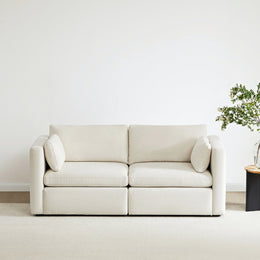
Delaney 2-Seat Modular Sofa
When Cool-Toned Furniture Works Best
Cool furniture colors can help create a clean, calm appearance. Gray upholstery, blue-gray accent chairs, and charcoal finishes suit rooms with cool white walls or modern metal details.
A neutral-toned modular sectional can anchor a contemporary living room without drawing too much attention to itself. Pair it with a pale rug and simple accessories for a restrained look. If the room feels flat, introduce a warm wood coffee table or camel-colored chair to add contrast.
How to Choose Furniture Tones That Match Your Existing Space
Your walls and floors provide a useful starting point for furniture selection. Working with these fixed features can help new pieces feel connected to the room instead of competing with it.
Match Furniture With Wall Colors
Warm white and beige walls pair naturally with camel, cream, warm brown, and honey-colored wood. Cool white and gray walls work well with gray upholstery, charcoal furniture, and pale wood finishes.
If you are wondering what furniture colors go with gray walls, first check the gray's undertone. A warm gray wall can look good with caramel or beige furniture, while a blue-gray wall may suit cool neutrals or a deep blue accent chair.
Coordinate Furniture With Wood Floors
Wood floors have undertones that affect how nearby furniture looks. Honey oak floors often contain yellow or golden tones, while gray-washed floors may look cooler.
To learn how to match furniture with wood floors, compare the floor's undertone with your furniture samples. Warm wood floors can work with cream upholstery, camel chairs, and walnut tables. Gray-toned floors can pair with cool upholstery or warmer accents that soften the overall look.
Mixing warm and cool wood tones can also add interest. A light oak dining table can sit comfortably beside a darker walnut cabinet if the finishes share a related undertone or the room includes connecting colors through rugs and upholstery.
Consider Natural Light and Room Orientation
Natural light changes the appearance of furniture throughout the day. Rooms with limited daylight may make cool gray furniture look darker or colder, while warm neutrals can help create a softer visual effect.
Bright rooms can accommodate a wider range of colors, but strong sunlight may also make yellow or orange undertones more noticeable. Room orientation is only a starting point because window size, outdoor shade, and nearby buildings affect the light.
Place fabric or wood samples where the furniture will sit. Check them in morning light, afternoon light, and evening lighting before making a final choice.
Choose Furniture Colors Based on Room Function
In living rooms, combine comfortable-looking colors with enough contrast to define the seating area. A green sofa with warm wood accents can create a relaxed, nature-inspired living room palette.
In bedrooms, cream, beige, and muted gray can support a calm appearance. Dining rooms often benefit from a clear relationship between the table finish, chair upholstery, and surrounding cabinets. For a home office, neutral furniture with a few warm accents can keep the space visually simple without making it feel stark.

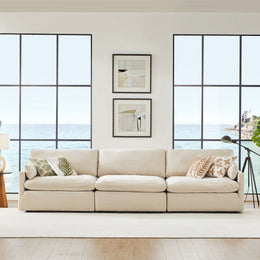
Kenna 3 Seat Modular Sofa
How to Mix Warm and Cool Furniture Tones Without Clashing
You do not have to commit to a single color temperature throughout your home. Mixing warm and cool tones can create a more layered room when the colors have a clear relationship.
Choose a Dominant Color Temperature
Start by deciding which tones will take the lead. A room with warm wood floors and cream walls might use camel upholstery as its main color, with blue-gray cushions for contrast. A cool gray room might use a warm accent chair to break up the cooler palette.
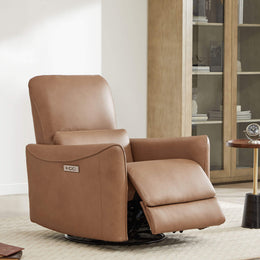
For example, acamel upholstered recliner can add warmth to a gray living room without requiring you to replace the sofa or repaint the walls. The chair becomes a clear accent rather than another competing focal point.

Tracee Modern Power Swivel Glider Recliner
Use Neutral Furniture to Connect Different Colors
Cream, beige, taupe, and balanced gray can help connect warm and cool colors. Rugs, cushions, curtains, and upholstered chairs provide easy ways to repeat these shades around the room.
A green sofa with beige decor can connect natural wood finishes with cooler wall colors. Likewise, a pearl-colored upholstered recliner may sit comfortably in a cool neutral room, while a warm wood side table adds a little contrast.

Lulla Power Swivel Nursery Glider Recliner with Power Headrest and Nightlight
Mix Wood Finishes for More Visual Depth
When deciding how to mix different wood tones in a room, focus on undertones, grain, and overall style rather than exact matches. A light oak coffee table and a darker walnut sideboard can work together if their finishes look intentional.
Repeat at least one wood tone or use a shared neutral color elsewhere in the room. A rug placed between the two pieces can help connect them visually. Avoid introducing many unrelated finishes at once, especially in a small space.
Use Accent Furniture to Balance the Palette
Accent furniture is an easy way to test a new color without changing the entire room. A warm-toned accent chair can soften a cool palette, while a blue-gray chair can add contrast to warm wood furniture.
A terracotta sofa can serve as the main color in a warm living room, with cream walls and light wood furniture keeping the palette balanced. For a more varied look, add a few cool accents in artwork or cushions rather than introducing another large, bold piece.
How Materials and Lighting Affect Furniture Color
Color is only part of the picture. Surface texture, material, and lighting can change how furniture appears, even when two pieces share a similar shade.
Compare Upholstery, Leather, Wood, and Metal
Linen-textured fabric often has visible fibers that give neutral colors a soft, natural look. Leather and leather-look upholstery may reflect light differently, making the same brown shade appear richer or more pronounced. Wood grain can also reveal yellow, red, or gray undertones that are less obvious in product photos.
Metal finishes add another layer. Brass can reinforce warm colors, while black metal often creates a stronger contrast. Glass and stone can help balance heavier wood furniture or deeply colored upholstery.
When comparing furniture colors that go together, assess both the shade and the surface. A matte gray fabric and a glossy gray finish may look quite different beside each other.
Understand Furniture Undertones vs. Lighting Color Temperature
Furniture undertones describe the color beneath the main shade. Lighting color temperature describes the appearance of the light source and is measured in Kelvin (K).
Warm white bulbs around 2700K to 3000K often give rooms a softer, yellowish glow. Neutral or cooler lighting can make some surfaces look crisper. These effects vary with bulb quality, brightness, and surrounding materials.
To see how lighting affects furniture color, check samples under the bulbs you use at home as well as in daylight. If a gray sofa looks too cool at night, warmer lighting or cream textiles may help balance the room without changing the furniture.
A Practical Checklist for Choosing Furniture Colors
Use this checklist when shopping for a sofa, accent chair, dining table, or other large piece. A few minutes of comparison can help you make a more confident choice.
- List the finishes that will stay. Note your flooring, wall color, curtains, and major furniture.
- Identify their undertones. Look for yellow, red, orange, blue, green, or gray influences.
- Choose your direction. Decide if the new furniture should blend with the room or create contrast.
- Compare samples together. Place fabric and wood samples next to the finishes they will sit beside.
- Check different lighting. Look at the samples during the day and under your evening lights.
- Review the whole palette. Make sure the furniture color works with the rug, accessories, and other large pieces.
Choose Furniture Tones That Complement Your Home
Choosing between warm and cool furniture tones starts with the colors already in your home. Check undertones, consider natural light, and use contrast to give the room depth. Warm and cool colors can work together when materials and accent shades connect them. Test samples in your actual space, then choose furniture that supports the look and comfort you want.
FAQs
Q1: Can You Mix Warm and Cool Furniture Tones in the Same Room?
Yes. Choose a dominant palette, then use the opposite color temperature in selected furniture or accessories. Neutral shades, wood finishes, and repeated accent colors help connect the two.
Q2: How Do You Tell if a Sofa Has Warm or Cool Undertones?
Compare a fabric sample against white or neutral gray material in natural light. Yellow, orange, and red influences usually suggest warm undertones, while blue or cool gray influences often suggest cool undertones.
Q3: Should Furniture Be Lighter or Darker Than the Floor?
Either can work. Lighter furniture creates contrast against dark flooring, while darker furniture can add depth to a light floor. Consider the room's light, size, and existing finishes.
Q4: What Furniture Colors Go Well With Gray Walls?
Cream, camel, warm wood, terracotta, and other gray shades can work well. Check whether the wall leans warm or cool, then choose furniture that complements its undertone or creates a deliberate contrast.
Q5: Does Lighting Change How Furniture Colors Look?
Yes. Daylight and artificial lighting can change how upholstery, wood, and painted finishes appear. Test samples in the room under different lighting conditions before buying.

More to Read
 7 Sofa Trends That Actually Improve Comfort in 2026
Upgrade your living room with furniture that supports your body. Here are 7 modern sofa features designed to maximize your daily comfort...
 Mother's Day Gift Guide: Cozy and Stylish Furniture Picks for Modern Moms
Make Mother's Day more meaningful with furniture gifts that bring comfort, smart features, storage, and quiet luxury into her everyday routine.
 Performance Fabric Reality Check: Does It Really Repel Pet Hair and Stains?
Performance fabric is often marketed as a miracle solution for homes with pets and kids, but the reality is more nuanced. It...