






















The 2026 Airbnb ROI Guide: Why High-Spec Modular Furniture Outlasts Cheap Alternatives

For property managers running high-turnover Airbnbs, high-spec modular furniture often delivers better long-term ROI than cheap flat-pack alternatives because it typically lasts 5-10 years instead of 1-2, allows component-level repairs that can reduce maintenance costs by up to 50%, and supports the photo-ready aesthetics that can command 15% to 40% higher ADR in aligned markets.

The key decision is shifting from lowest upfront CAPEX to lowest lifecycle cost. High-occupancy operators with frequent guest turnover benefit most, while low-volume or ultra-budget hosts may find simpler options sufficient. This guide breaks down the hidden costs of cheap furniture, the mechanics of industrial arbitrage through modularity, the specs that drive durability in 2026, revenue implications, and how trade programs unlock scale.
The Hidden Cost of Cheap Airbnb Furniture: Why Flat-Pack Fails the ROI Test
Flat-pack furniture often fails faster in short-term rentals due to joint fatigue, fabric pilling, and foam compression that creates a "sunk" feel within 12-18 months of heavy use. These failure modes trigger repeated replacements, labor for removal and installation, and lost bookings during downtime — a "downtime tax" that can add hundreds per incident when cleaning windows are tight.
For hosts with occupancy above 60%, the cheapest option frequently becomes the most expensive asset over three years. Industry comparisons show budget pieces typically require replacement every 1-2 years in high-turnover environments, whereas mid-to-high-spec items can last 5-10 years with proper care. The real loss includes not only the purchase price but also disposal fees, installation labor, and potential vacancy while the unit is out of service.
This makes "cheap" a false economy for professional operators. Property managers should check their annual turnover rate and average replacement cycle first: if you replace living-room seating more than once every three years, the total ownership cost of flat-pack quickly exceeds that of durable modular systems.
Industrial Arbitrage: Comparing High-Spec Modular Systems vs. Budget Alternatives
Industrial arbitrage reframes furniture as a serviceable asset rather than a one-time decor purchase. Modular systems convert full-sofa replacement CAPEX into smaller OPEX events by letting you swap a single $200 module or $80 cover instead of a $1,200 unit. Over five years, this often means one high-spec purchase versus three or four budget replacements.

The modular advantage acts as operational insurance against guest accidents, stains, or wear. Lifecycle math favors high-spec when you factor in the full cost of ownership, including labor and lost revenue. Modular repairability can reduce maintenance costs by up to 50% over three years through targeted component replacement rather than whole-unit disposal.
This chart clarifies the crossover point where higher-spec modular becomes the lower-cost choice for most rental portfolios. Budget options start attractive but accumulate costs rapidly. The pattern holds best for properties with consistent occupancy; seasonal or low-use units may not reach the volume needed to realize the full benefit.
Modularity is not a fit if your team lacks storage for spare modules or if properties have very tight access that complicates even small swaps. Check your average repair frequency and labor availability before scaling.
The Specs That Matter: Identifying Commercial-Grade Durability in 2026
Beyond aesthetics, commercial-grade durability rests on verifiable standards. BIFMA X5.4 certification for public and lounge seating tests structural adequacy, stability, and fatigue resistance — the BIFMA standards overview provides the official benchmark for rental-ready furniture that can handle high-traffic environments.
Fabric performance follows the same logic. A minimum of 30,000 double rubs (Wyzenbeek method) is the practical threshold for short-term rental upholstery; higher-traffic properties benefit from 50,000–100,000. This rating measures abrasion resistance and correlates with how well the fabric stands up to repeated cleaning and guest use. The first takeaway is to request the exact double-rub count and cleaning code; the underlying reason is that solution-dyed, tightly woven performance fabrics resist stains and fading better than standard residential textiles.
Frame construction and foam density complete the picture. Kiln-dried hardwood frames with reinforced joinery resist racking, while high-density foam (typically 2.0 lb/ft³ or higher) maintains cushion support and prevents the "sofa sag" common in budget foam after 12–18 months. These specs matter most for hosts seeing 150+ nights of occupancy annually. For lower-use properties, mid-tier residential ratings may suffice and save on initial outlay.
Maximizing Rental Yield: How High-Spec Furnishing Drives ADR and Occupancy
High-quality, photo-ready furniture can contribute to higher Average Daily Rates. Properties featuring strategic, high-quality furnishing can command 15% to 40% higher ADR compared to bare-minimum listings in the same market, according to analyses such as the 2026 Airbnb furniture guide. The lift is market-dependent and works best when paired with strong photography, professional staging, and consistent 5-star operations.
The psychology is straightforward: guests perceive quality furnishings as a signal of overall care, which can reduce careless damage (a real-world application of the broken-window theory). Versatile modular layouts also let hosts optimize for couples, families, or business travelers, improving listing versatility without buying multiple fixed sofas.
This revenue upside is not guaranteed and should not be the sole justification for premium spend. Test the impact on one property with before-and-after photography and review analysis. The strongest returns appear in competitive urban markets where guests actively filter for premium amenities.
Sourcing for Scale: Why Trade Accounts Are the Secret to Portfolio ROI
For operators managing multiple units, trade accounts provide 15-25% discounts on qualifying high-spec collections, dedicated support, and simplified repeat ordering. These programs turn one-off retail purchases into predictable portfolio sourcing with volume pricing and faster lead times on replacement modules.
The strategic choice is selecting "evergreen" modular lines that remain available for future expansion and parts. This avoids the mismatch problem where a discontinued budget sofa cannot be repaired or matched years later. Trade buyers should verify warranty terms for commercial versus residential use and confirm module replacement pricing upfront.
Not every supplier offers true trade programs; confirm dedicated B2B portals, net-30 options, and commercial-grade certifications before committing. When executed well, the combination of durability, modularity, and volume pricing compounds into measurable portfolio-level savings.
Choosing the Right High-Spec Modular System for Your Portfolio
Begin with a self-check: calculate your current three-year furniture spend including labor and downtime. If that number exceeds 20% of annual rental revenue per unit, high-spec modular systems are worth modeling against your budget alternatives. Prioritize BIFMA-rated frames, 30,000+ double-rub fabrics, and suppliers that stock replacement modules.
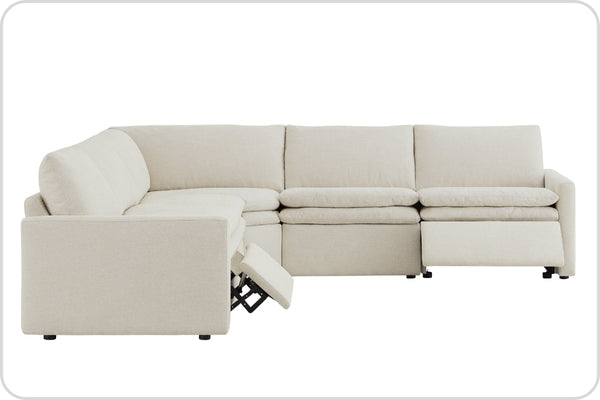
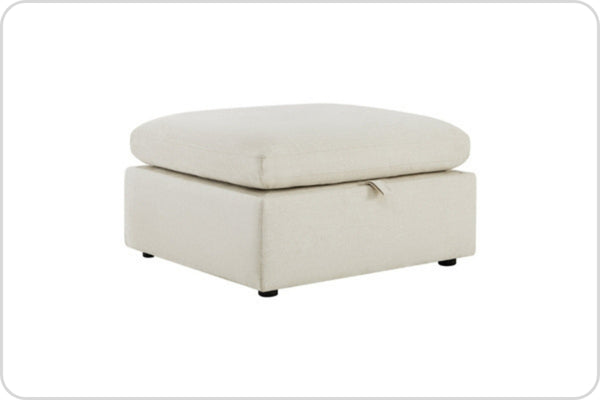
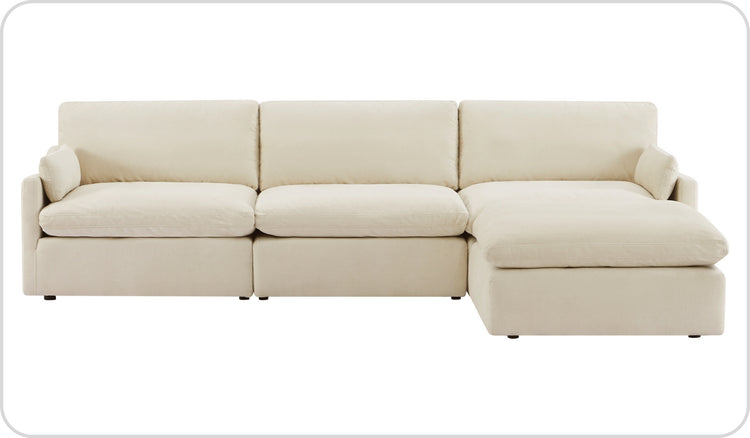
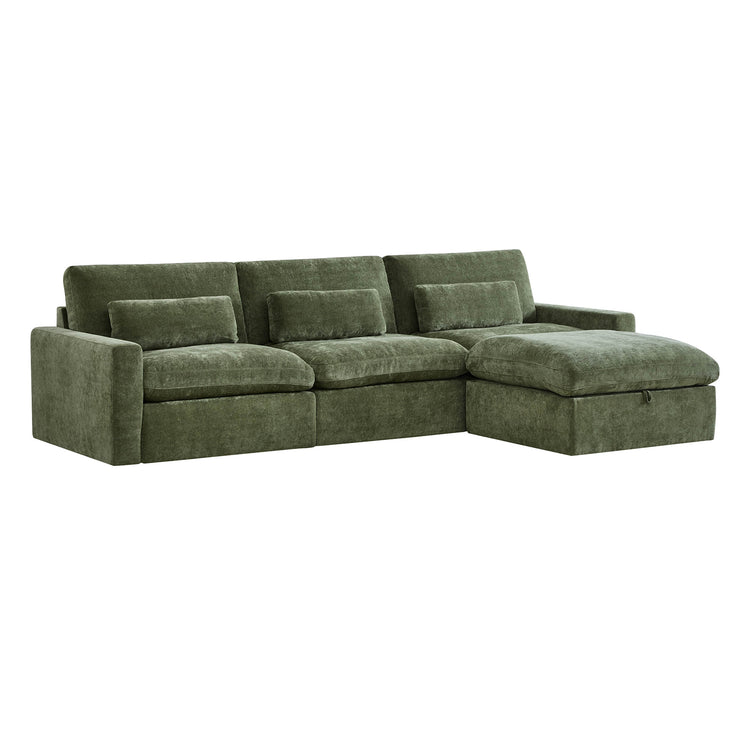
For most professional managers, the Brendon Modular 4-Seat Sectional Sofa with Wood Leg or Ivy 5-Seat Performance Fabric Modular Sectional Sofa with Storage Ottoman offer strong starting points with replaceable components and performance fabrics suited to rental use. The Trade Program: Sofa collection provides access to volume pricing and dedicated support for scaling across properties.
Additional reading on durability checkpoints is available in How to Identify If A Sofa or Chair is Good or Bad Quality? and the Performance Fabric Reality Check: Does It Really Repel Pet Hair and Stains?. Hosts with pet-friendly policies should also review the The 2026 Buyer's Guide to Pet and Kid-Proof Modular Sofas. The Why a Modular Sofa is the Smartest Investment for Renters in 2026 offers complementary perspective on flexibility that applies equally to managed rentals.
Frequently Asked Questions
How much can high-spec modular furniture reduce maintenance costs in short-term rentals?
Modular systems can reduce maintenance costs by up to 50% over three years by allowing replacement of individual cushions, covers, or sections rather than entire sofas. Actual savings depend on your repair frequency and labor rates; track your current replacement events for three months to create a personalized baseline.
What is the minimum fabric specification I should accept for Airbnb sofas?
Target at least 30,000 double rubs on the Wyzenbeek test for rental durability. Higher counts (50,000+) provide extra margin in very high-traffic units. Always confirm the cleaning code — many performance fabrics are spot-clean only, so plan for professional cleaning between guests.
Does better furniture really increase ADR and booking rates?
Properties with high-quality, photogenic furniture can command 15% to 40% higher ADR in competitive markets, but the lift is not automatic. It works best when combined with professional photography, accurate descriptions, and strong reviews. Run a test on one listing with updated photos before committing a full portfolio.
When does modular furniture stop being worth the premium for a rental operator?
Modular is usually not the best fit for properties with under 100 booked nights per year or operators who cannot store spare modules. In those cases, well-constructed non-modular commercial-grade pieces may deliver sufficient lifespan at lower initial cost.
How do trade programs change the ROI equation for portfolio owners?
Trade accounts typically provide 15-25% discounts plus priority replacement parts and dedicated account management. These savings compound over multiple properties and years, making high-spec systems more accessible. Verify commercial warranty coverage and module availability before signing up.
What should I measure to decide between flat-pack and high-spec modular?
Track your current annual furniture spend per unit (purchase + labor + disposal), average downtime days per replacement, and ADR difference between your best- and lowest-rated listings. If the combined figure exceeds 15% of unit revenue, modeling modular options usually shows a payback within 2-3 years for high-occupancy properties.
Recommended Products

More to Read
 7 Sofa Trends That Actually Improve Comfort in 2026
Upgrade your living room with furniture that supports your body. Here are 7 modern sofa features designed to maximize your daily comfort...
7 Sofa Trends That Actually Improve Comfort in 2026
Upgrade your living room with furniture that supports your body. Here are 7 modern sofa features designed to maximize your daily comfort...
 Mother's Day Gift Guide: Cozy and Stylish Furniture Picks for Modern Moms
Make Mother's Day more meaningful with furniture gifts that bring comfort, smart features, storage, and quiet luxury into her everyday routine.
Mother's Day Gift Guide: Cozy and Stylish Furniture Picks for Modern Moms
Make Mother's Day more meaningful with furniture gifts that bring comfort, smart features, storage, and quiet luxury into her everyday routine.
 Performance Fabric Reality Check: Does It Really Repel Pet Hair and Stains?
Performance fabric is often marketed as a miracle solution for homes with pets and kids, but the reality is more nuanced. It...
Performance Fabric Reality Check: Does It Really Repel Pet Hair and Stains?
Performance fabric is often marketed as a miracle solution for homes with pets and kids, but the reality is more nuanced. It...