




























Lymphatic Drainage & Circulation: 2026 Wellness Specs for Power Recliners

In 2026, a zero gravity recliner for circulation support goes beyond soft seating to become an engineered recovery station. The key is whether the chair can reliably raise your legs 6–12 inches above heart level while preserving spinal alignment at roughly a 128-degree trunk-to-thigh angle. Chairs that meet this geometry deliver meaningful support for lymphatic movement and post-activity decompression; those that only lean back deeply do not.

What is a 2026 Recovery-Ready Recliner?
A recovery-ready recliner is designed as a biohacking tool that prioritizes measurable positioning over generic comfort. The foundation comes from NASA’s Neutral Body Posture research, which identified a trunk-to-thigh angle of approximately 128 degrees as the position that minimizes stress on the body in microgravity. This geometry, often called Super Zero Gravity in current models, aims to reduce gravitational pooling in the lower body rather than simply tilting backward.
Standard recliners typically stop at a deep lounge angle that feels relaxing but rarely lifts the legs high enough to create a meaningful fluid-return gradient. In contrast, a true recovery-grade chair uses independent footrest control and sufficient extension to place the calves and feet above heart level while keeping the pelvis, lumbar, and knees aligned. This distinction separates marketing claims from functional wellness support.
For longevity-focused adults building a home health hub, this shift reframes the living-room chair as an active recovery station. See also our guide to Zero-Gravity Recliner options and how athletes use them in The Athlete’s Recovery Station: Optimizing Zero Gravity for Muscle Repair.
Biohacking Lymphatic Health: Beyond General Comfort
The lymphatic system does not have a central pump like the heart. Instead, it depends on muscle contractions and gravity-assisted gradients to move interstitial fluid toward the thoracic duct. When you recline with legs elevated, gravity reverses the normal downward pull that promotes pooling, helping the system clear waste more efficiently.
Full-leg support matters because pressure points at the ankles or incomplete calf elevation can counteract the benefit. The recliner therefore functions as a nervous-system “downshift” tool—ideal for post-workout muscle repair—provided the posture remains stable rather than collapsed. Our related article on Circulation and Edema Relief: Why Power Lift Chairs are 2026 Wellness Essentials explores how consistent elevation pairs with daily movement.

The chart above helps visualize which recline angles and elevation levels typically fall into low, moderate, or target support tiers in typical home setups.
The Mechanics of Circulation: Why Elevation Height Matters
For noticeable support of fluid return, legs generally need to reach 6–12 inches above heart level. This height lowers hydrostatic pressure in the lower extremities and assists venous and lymphatic return, according to physiological explanations of edema management. Below that threshold, the posture remains comfortable but offers limited drainage benefit.
Motor precision becomes the 2026 differentiator. Independent footrest control lets users fine-tune height without compromising the 128-degree benchmark or introducing a sharp knee bend that could strain tendons. A gentle 25-degree knee flexion is usually ideal to keep blood flow unobstructed. This elevation guide outlines why the specific height range matters for reducing leg heaviness.
Post-Workout vs. Edema: Choosing Your Recovery Protocol
The same recliner can serve different routines depending on your primary goal. Athletes and biohackers often use a short 15–30 minute evening session after training to ease delayed-onset muscle soreness and downshift the nervous system. Those managing occasional leg swelling may prefer consistent 3–4 shorter sessions spread across the day.
In both cases, the “movement plus recline” rule applies: periodic ankle pumps or short walks enhance lymphatic flow because the system responds to both gravity and muscle action. Clinical resources suggest the 15–30 minute window as a practical starting point for leg elevation routines. Explore tailored guidance in The Athlete’s Recovery Station: Optimizing Zero Gravity for Muscle Repair or our piece on Circulation and Edema Relief: Why Power Lift Chairs are 2026 Wellness Essentials.
Specs Over Hype: Evaluating Leg Support and Motor Precision
Focus on hardware that actually sustains the recovery position. Triple-motor systems with independent lumbar and headrest adjustment maintain postural integrity during longer sessions, while dual-motor chairs may require more manual tweaking. Molded high-density foam paired with no-sag springs resists the pelvic sink that soft feather-blend cushions often allow.
Full-length footrest extension prevents ankles from dangling, and a slight knee bend of around 25 degrees avoids creating pressure points. Breathable performance fabric or top-grain leather helps during 30-minute sessions by managing heat and moisture better than heavier materials. This practical elevation overview explains why complete leg support outperforms simple footrests or ottomans.
The Slouch Trap: When Softness Undercuts Drainage
Immediate sink-in comfort can quietly undermine the very geometry you are trying to achieve. When the pelvis drops or lumbar support disappears after 10–15 minutes, the 128-degree angle collapses into a rounded posture that reduces the elevation benefit. Test for posture retention by sitting in the fully elevated position for at least 15 minutes; if your lower back loses contact or you begin sliding, the chair may not suit circulation-focused use.
No-sag springs and corner-blocked frames help maintain alignment where generic padding fails. The softness paradox is real: a chair that feels better the longer you sit may be trading support for short-term plushness that works against drainage goals.
Safety First: When to Consult a Professional
Power recliners support wellness routines but are not medical devices. They should never replace professional care for diagnosed conditions. Individuals with peripheral arterial disease, deep vein thrombosis, or sudden unexplained swelling must speak with a healthcare provider before adopting a regular elevation habit, as positioning that helps one circulatory issue can worsen another. Stanford Health Care’s elevation guidance and the AAFP’s overview of edema management both emphasize consulting a clinician when symptoms appear.
Red-flag symptoms include one-sided swelling, pain, skin changes, or shortness of breath. Use the recliner as part of a proactive home health hub—consistent movement, hydration, and sensible elevation—while keeping medical questions with qualified professionals.
Selecting the Right Power Recliner for Your Space and Recovery Goals
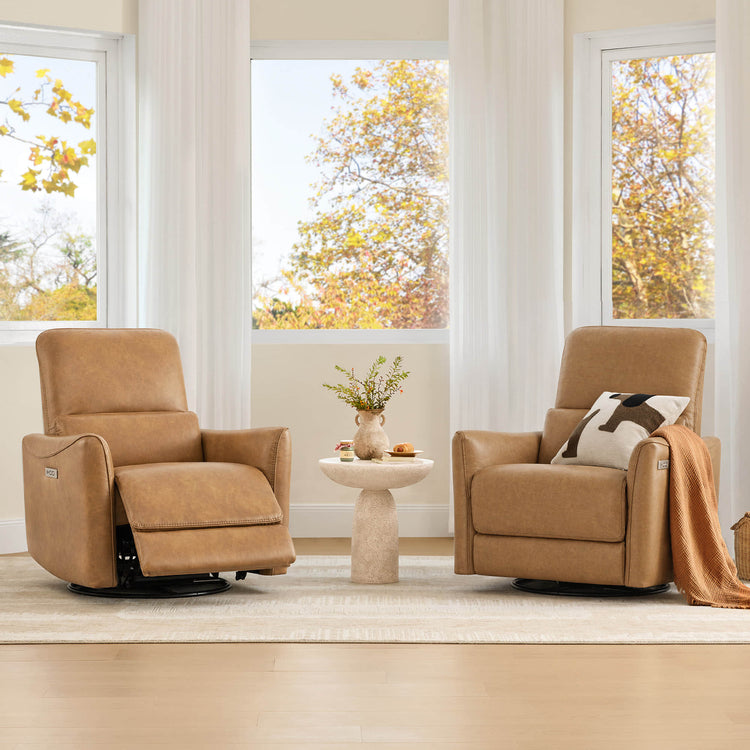
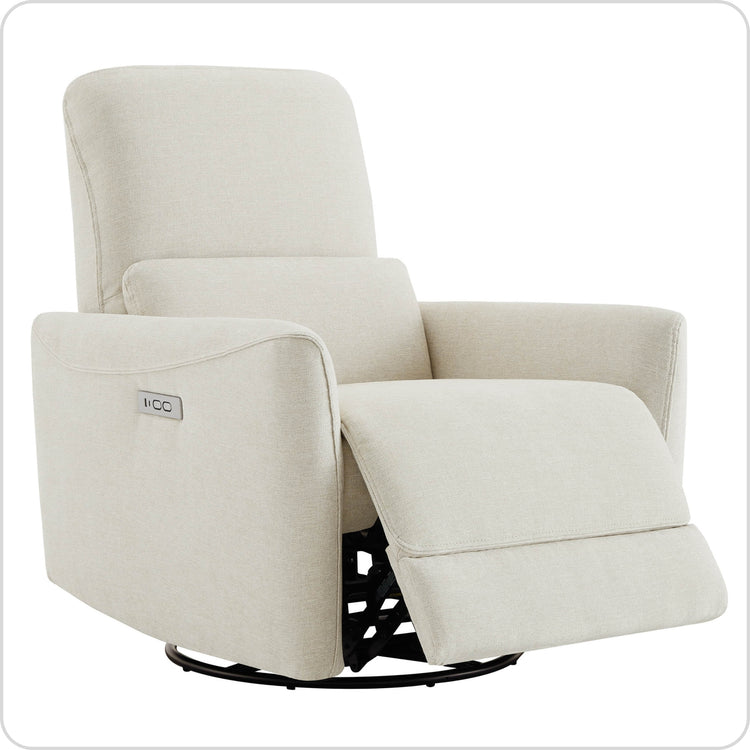
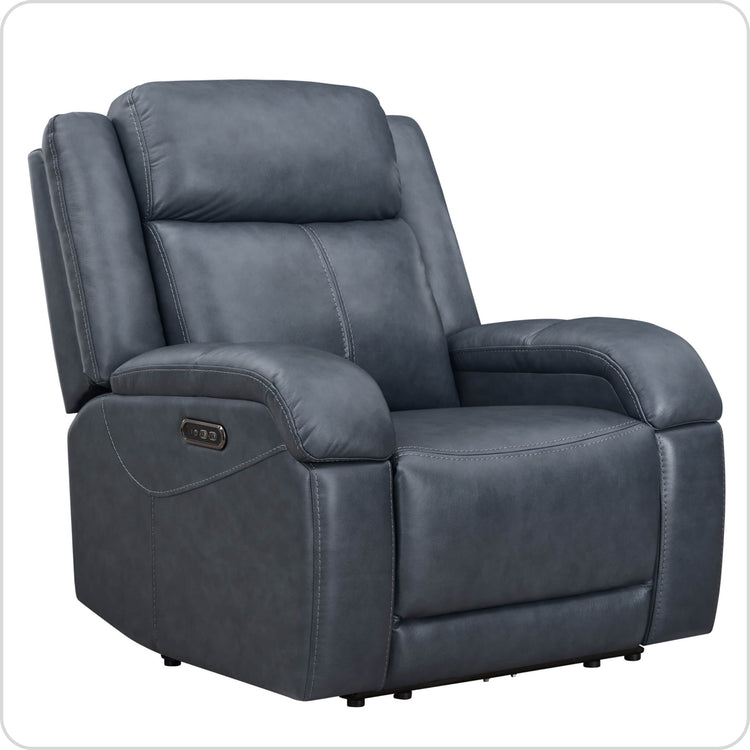
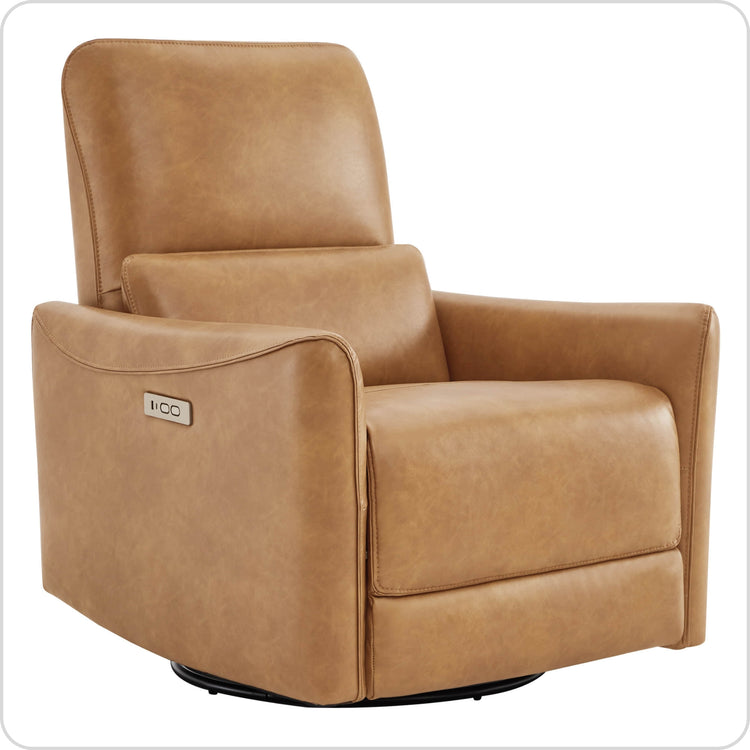
Match the chair to both your room and your routine. Wall-hugger designs with 3–6 inches of clearance work best in compact wellness corners; look at the Keni Wall Hugger Power Recliner with Power Headrest, Hadley Modern Zero Wall-hugger Power Recliner, or Isaac Zero Wall hugger Power Recliner with Cup Holder. For maximum postural precision, triple-motor models such as the Sable Super Zero-gravity Triple-Motor Power Recliner with Storage or the Maxwell Genuine Leather Swivel Glider Recliner with Power Lumbar & Headrest give independent control of lumbar, headrest, and footrest.
Performance fabric suits high-use family rooms and pets, while top-grain leather offers durability and temperature regulation for dedicated recovery sessions. Use this checklist before buying: confirm the chair can achieve 6–12 inches of leg elevation, offers independent motor control for the areas you need, and maintains lumbar contact in the elevated position. Browse the full Zero-Gravity Recliner or Wall Hugger Recliners collections to compare options that fit your space and goals.
Do Zero Gravity Recliners Actually Improve Circulation?
They can support fluid movement by elevating the legs above heart level and reducing gravitational pooling. Results depend on achieving and holding the proper geometry rather than on the “zero gravity” label alone. Pairing the chair with movement and consistency produces better outcomes than reclining passively for long periods.
How Long Should I Sit in a Wellness Recliner Each Session?
Most wellness routines use 15–30 minutes per session. Athletes often need one focused evening block, while those managing mild swelling may benefit from shorter, repeated sessions. The exact timing should feel restorative without causing stiffness or numbness.
Can a Recliner Be Too Soft for Recovery Use?
Yes. Plush cushions that allow the pelvis to sink can erase lumbar support and collapse the elevation angle. Firmer, molded foam with no-sag springs usually holds the recovery posture more reliably during 15–30 minute sessions.
What Is the Difference Between Standard Recline and Super Zero Gravity?
Standard recline tilts the body backward for comfort. Super Zero Gravity targets the NASA-derived 128-degree trunk-to-thigh angle plus sufficient footrest extension to raise legs meaningfully above heart level, creating a geometry better aligned with circulation support.
Who Should Avoid Using Elevation Recliners Without Medical Advice?
Anyone with diagnosed peripheral arterial disease, deep vein thrombosis, recent surgery, or sudden unexplained swelling should consult a doctor first. Elevation that helps venous return can reduce arterial flow in certain conditions.
Are Power Recliners Suitable for Small Living Rooms?
Many 2026 models are wall-hugger designs requiring only 3–6 inches of clearance. Measure your available depth and walkway space before choosing; compact triple-motor options can still deliver full recovery positioning without dominating the room.
Recommended Products


More to Read
 7 Sofa Trends That Actually Improve Comfort in 2026
Upgrade your living room with furniture that supports your body. Here are 7 modern sofa features designed to maximize your daily comfort...
7 Sofa Trends That Actually Improve Comfort in 2026
Upgrade your living room with furniture that supports your body. Here are 7 modern sofa features designed to maximize your daily comfort...
 Mother's Day Gift Guide: Cozy and Stylish Furniture Picks for Modern Moms
Make Mother's Day more meaningful with furniture gifts that bring comfort, smart features, storage, and quiet luxury into her everyday routine.
Mother's Day Gift Guide: Cozy and Stylish Furniture Picks for Modern Moms
Make Mother's Day more meaningful with furniture gifts that bring comfort, smart features, storage, and quiet luxury into her everyday routine.
 Performance Fabric Reality Check: Does It Really Repel Pet Hair and Stains?
Performance fabric is often marketed as a miracle solution for homes with pets and kids, but the reality is more nuanced. It...
Performance Fabric Reality Check: Does It Really Repel Pet Hair and Stains?
Performance fabric is often marketed as a miracle solution for homes with pets and kids, but the reality is more nuanced. It...