


























Are recliners Worth It for aging parents?

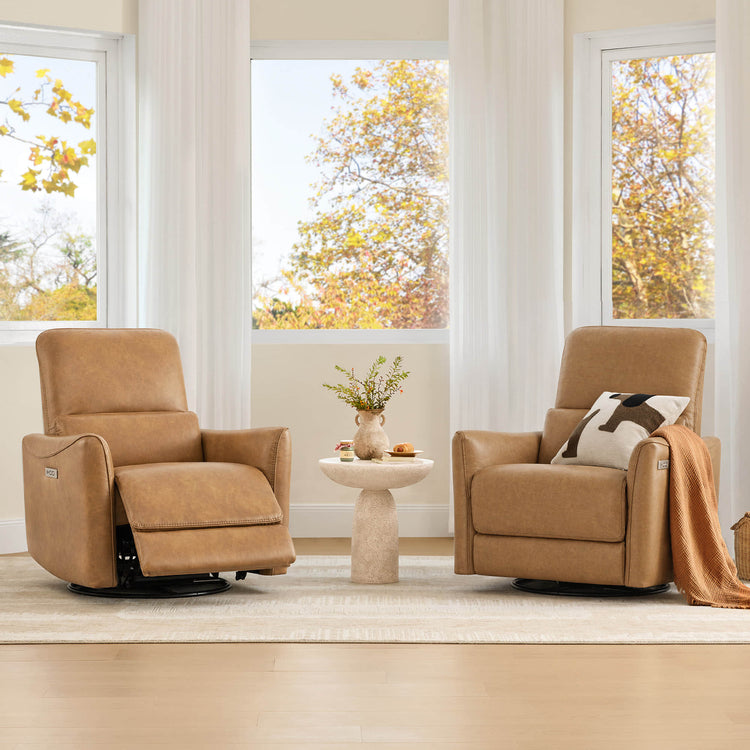
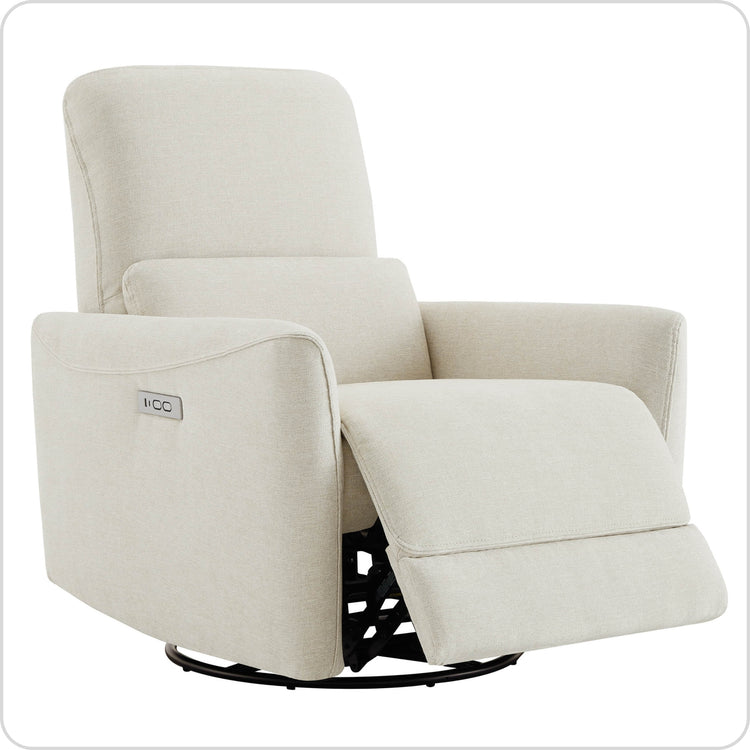
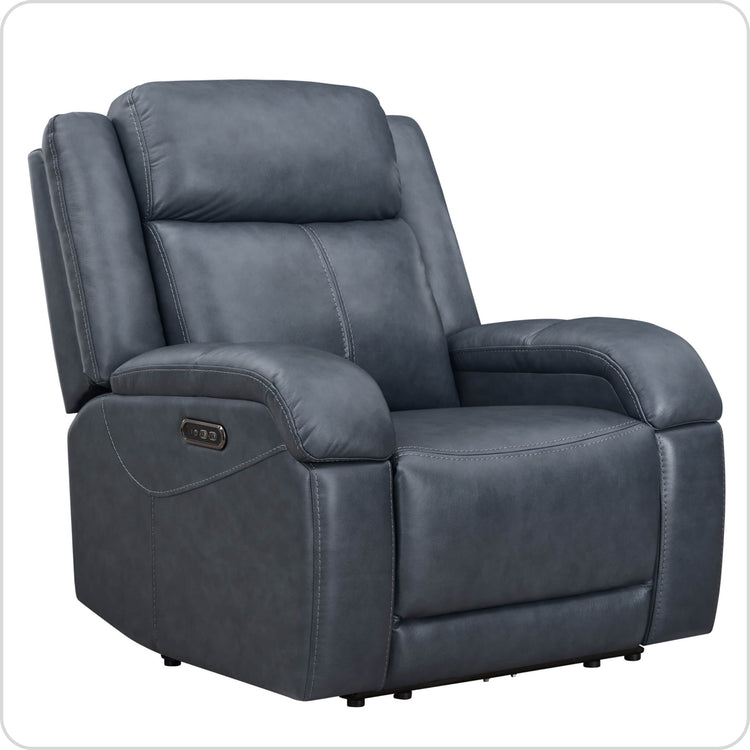
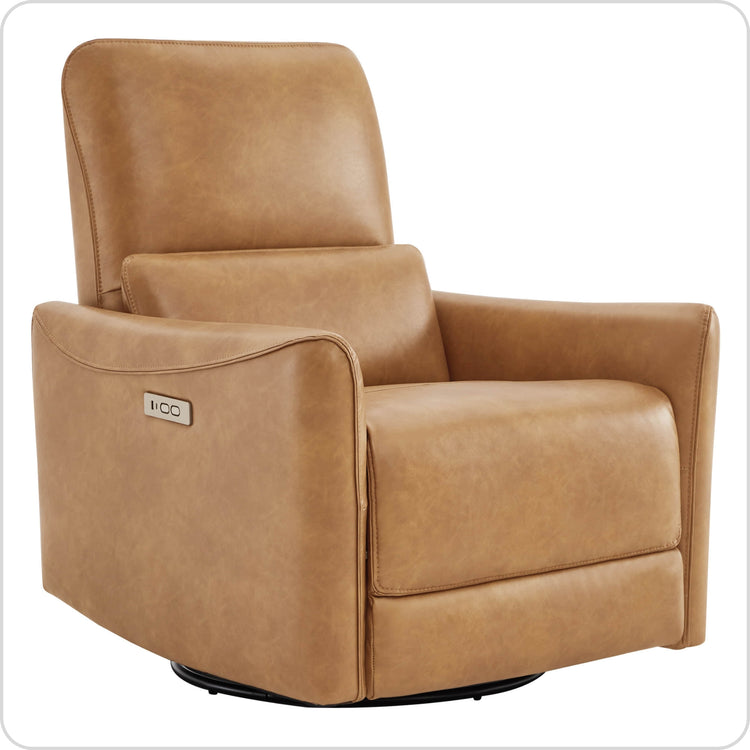
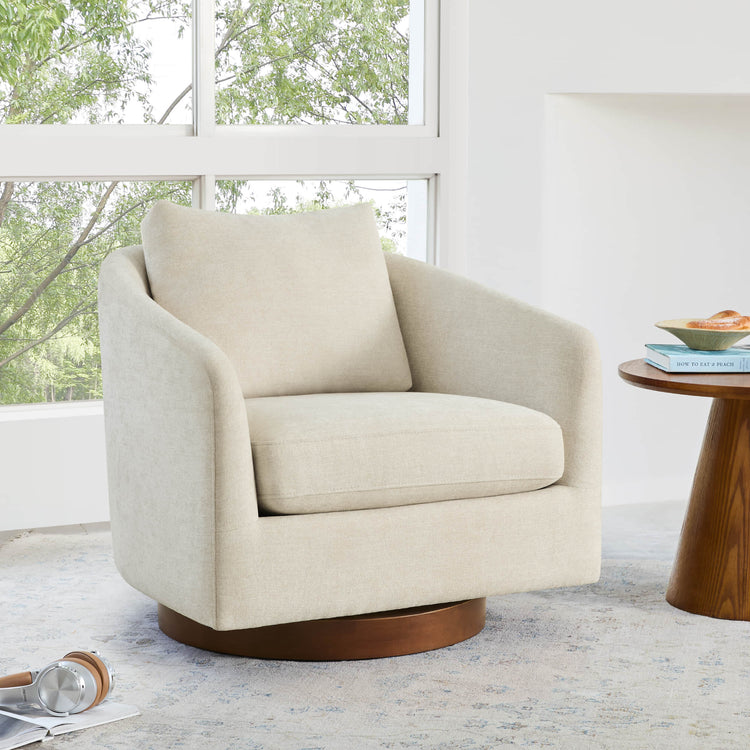
Are recliners worth it for aging parents? For many households, the answer is sometimes yes, but only for the right person and the right chair. A recliner can make daily sitting more comfortable, reduce the effort of getting into a standing position, and support a more relaxed posture for reading, watching TV, or resting. It is not a medical device, and it should not be treated as a solution for pain, mobility limits, or fall risk. The main question is whether the chair fits the parent's body, routine, and budget.

Why Recliners Can Help Aging Parents
A well-chosen recliner may be easier to use than a low, soft sofa. Higher seat height, firmer cushioning, and a supportive back can make sitting down and standing up feel less effortful. That matters because many older adults prefer furniture that is easier to rise from without leaning forward too much or sinking too deeply into the seat.
Recliners can also help with everyday comfort. Some parents like the ability to change position during the day, elevate their feet, or sit back while reading or talking with family. For households that spend a lot of time in a shared living room, that can make the space more usable and pleasant.
That said, a recliner is still just furniture. Comfort varies by person, and a feature that helps one parent may be awkward for another. A chair that is too deep, too low, or too soft can be harder to use than expected.
If you are comparing room setup ideas, you may also want to browse recliners and other living room furniture. That is a useful starting point, but the best choice still depends on fit and comfort in person.
Which Parents Benefit Most
Recliners tend to make the most sense for parents who spend a meaningful amount of time seated and want a more adjustable chair than a standard armchair or sofa. They may be a better fit for someone who:
- Prefers a firmer, more upright seat
- Wants foot support without a separate ottoman
- Reads, watches TV, or naps in the same chair
- Finds very low furniture inconvenient to get out of
- Likes having one dedicated chair rather than sharing a sectional
They may be less useful for someone who sits only briefly, has very limited space, or strongly dislikes the bulk of larger furniture. They are also not automatically better for every older adult. Body size, leg length, arm strength, and mobility all affect how the chair feels.
For families looking at broader home comfort needs, decor can help round out a room, but decoration should not come before usability. A chair that looks attractive and still feels awkward to rise from may not be worth the space it takes up.
If you want a more focused buying checklist, the lift chair buying guide can help you compare standard recliners with lift-chair-style options.
Features That Matter Most
The most important recliner features are the ones that affect ease of use, body support, and day-to-day convenience. It is usually better to focus on practical details than on extra bells and whistles.
A few features to prioritize:
- Seat height: A seat that is too low can make standing more difficult. A moderate-to-taller seat height is often easier for older adults to use.
- Firmness: Very soft cushions may feel cozy at first, but they can make it harder to shift weight or stand up.
- Armrests: Sturdy armrests can provide a helpful place to push from when sitting or rising.
- Back support: A backrest that keeps the torso comfortably upright may be more useful than a deeply slouched position for many people.
- Recline mechanism: Simple, predictable controls are usually easier than complicated buttons or unfamiliar power features.
- Footrest clearance and operation: A footrest should open and close smoothly without creating awkward leg angles.
- Upholstery: Breathable, easy-to-clean fabric can be practical in a family home.
A careful fit matters because the physical effort of standing from a seated position can be significant. A PMC study on sit-to-stand assistance describes how chair design can change the effort and joint loading involved in rising, which is one reason recliner design matters for day-to-day comfort. That does not mean a recliner solves a problem on its own, but it does help explain why chair design can affect daily comfort.
A simple way to compare options is to sort them by practical use rather than by style alone:
Recliner Feature Priorities for Aging Parents
A tiered view of which features usually matter most when the goal is easier daily use, not feature count.
Show feature table
| Feature | Practical priority |
|---|---|
| Seat height | High priority |
| Firmness | High priority |
| Armrests | High priority |
| Back support | High priority |
| Simple controls | Helpful |
| Easy cleaning | Helpful |
This is only a decision aid. It is not a ranking of quality, and it should be adjusted for the parent's preferences and the room's layout.

If positioning is a priority, zero gravity seating is worth a look as a comfort-oriented browse option.
How to Choose the Right Recliner
Start with the person, not the product. Measure the parent's seated height, leg length, and the space where the chair will sit. Then test how the chair feels when sitting down, sitting back, and standing up. If possible, have the parent try the chair at the same time of day they usually sit for long periods.
A practical buying checklist:
- Confirm the seat is not too low for comfortable standing
- Check that the seat depth lets the parent sit back without dangling feet or pressing behind the knees
- Make sure the armrests feel sturdy and reachable
- Try the reclining motion several times
- Look for controls that are easy to understand at a glance
- Measure clearance so the recliner will not crowd walkways or table access
- Consider whether lifting or moving the chair later will be realistic
If you are browsing for style options, accent chairs can be worth a look for rooms that do not need a full recliner. They are not the same thing, but they can be a useful comparison when space or budget is tight.
It can also help to compare the room as a whole. A recliner may work well beside a lamp table, reading light, and reachable storage, but less well if it blocks traffic or creates clutter. Furniture should support the way the parent actually lives in the room.
Do not overvalue features that sound luxurious but do not matter in everyday use. Heat, massage, and extra motors may be appealing, but they are not automatically necessary. In many homes, a simpler chair with good dimensions is the more sensible buy.
For a closer look at a browseable option, the lift-assist recliner is a useful navigation path when you are comparing help-with-standing features.
When the Purchase Is Worth It
A recliner is more likely to be worth it when the parent will use it often, the current seating feels inconvenient, and the chair is expected to improve everyday comfort in a noticeable way. It may also be worthwhile if the family is already replacing worn seating and wants something more practical for the next stage of use.
For budget planning, it helps to think of the purchase in context. WebMD’s overview of lift chairs notes that Medicare generally does not cover standard home furniture such as recliners, so families should expect to pay out of pocket in most cases. For medically necessary seat lift mechanisms, CMS coverage rules are narrower and depend on specific clinical criteria. That does not make a recliner a bad value, but it does mean the purchase should be judged like any other household investment: by usefulness, fit, durability, and how often it will be used.
A recliner may be worth the money when:
- The parent sits in one main chair daily
- Getting up from current seating feels inconvenient
- The room has enough space for the chair to open safely
- The family wants a long-term comfort piece rather than a temporary fix
- The chair matches the parent's body and routine well
It may not be worth it when the parent rarely sits in one place for long, the room is too small, or the only appealing models are oversized and hard to manage. In those cases, a different chair style may be more practical.
If you are still comparing layouts, living room furniture can help you think through the whole setup before buying. A good chair in the wrong room is still a poor fit.
Final Takeaway
A recliner is worth it when it fits the parent, the room, and the way the chair will actually be used. Comfort and easier standing are the main reasons to buy; size, support, and simple controls are the main things to check first.
FAQs
Are Recliners Better Than Regular Chairs for Older Adults?
Sometimes, but not always. A recliner can be more comfortable than a standard chair if the parent wants a higher seat, a supported back, or the option to elevate the legs. A regular chair may be better if the parent prefers a lighter piece of furniture, a smaller footprint, or a more upright sitting style.
What Recliner Height Is Easiest to Use?
There is no single ideal number for everyone. In general, a seat that is easier to sit down into and stand up from is preferable to one that feels low and sink-in soft. The parent's leg length and strength matter more than a generic style rule.
Are Power Recliners Better for Aging Parents?
Not automatically. Power recliners can be convenient, especially if the parent has trouble operating a manual lever. But they also add cost, weight, and dependence on electricity. Some families may prefer a simpler manual model if the controls are easy and the chair fits well.
Should You Buy a Recliner With Heat or Massage?
Only if the parent genuinely wants those features and will use them. These extras may add comfort for some people, but they should not be the main reason to buy. Basic fit, seat height, and support usually matter more.
How Long Should a Good Recliner Last?
It depends on construction, use, and care. A well-made recliner used daily can last for years, but no chair lasts forever. Look for sturdy framing, stable upholstery, and a design that suits the parent's routine, not just a style that looks good in the store.
Recommended Products


More to Read
 7 Sofa Trends That Actually Improve Comfort in 2026
Upgrade your living room with furniture that supports your body. Here are 7 modern sofa features designed to maximize your daily comfort...
7 Sofa Trends That Actually Improve Comfort in 2026
Upgrade your living room with furniture that supports your body. Here are 7 modern sofa features designed to maximize your daily comfort...
 Mother's Day Gift Guide: Cozy and Stylish Furniture Picks for Modern Moms
Make Mother's Day more meaningful with furniture gifts that bring comfort, smart features, storage, and quiet luxury into her everyday routine.
Mother's Day Gift Guide: Cozy and Stylish Furniture Picks for Modern Moms
Make Mother's Day more meaningful with furniture gifts that bring comfort, smart features, storage, and quiet luxury into her everyday routine.
 Performance Fabric Reality Check: Does It Really Repel Pet Hair and Stains?
Performance fabric is often marketed as a miracle solution for homes with pets and kids, but the reality is more nuanced. It...
Performance Fabric Reality Check: Does It Really Repel Pet Hair and Stains?
Performance fabric is often marketed as a miracle solution for homes with pets and kids, but the reality is more nuanced. It...