






















Are sofas Worth It for families with kids?

For families with kids, are sofas worth it for families with kids usually comes down to how hard the room gets used. If your sofa is the main place for snacks, jumping, movie nights, and daily lounging, a better-built piece can make more sense than replacing cheap furniture every few years.

Why Families Outgrow Cheap Sofas Fast
Cheap sofas often look like the safer choice at checkout, but the real cost shows up later in flattened cushions, loose frames, and covers that start looking tired long before the room does. Furniture durability is usually evaluated with cyclic loading and static strength tests that simulate repeated stress, which is a useful reminder that family use is not gentle use. Purdue's guide to furniture durability tests is a good reference point for that basic idea.
In a home with kids, the sofa is not just seating. It is a snack zone, a climbing spot, and sometimes a fort. That means the weak links are often comfort and structure, not just fabric. A cheaper sofa can still be fine for a guest room or a low-use den, but it tends to become expensive when you replace it sooner than planned.
One practical way to think about are sofas worth it for families with kids is this: if the sofa is the daily anchor of the family room, durability matters more than the sticker price. If it is mostly decorative, or used only occasionally, the math changes fast.
A useful blog follow-up here is why your sofa cushions are sagging after just one year, because sagging is one of the first regrets families notice.
What Makes a Kid-Friendly Sofa Worth Paying For
The features that justify a higher price are usually the ones that make the sofa easier to live with, not the ones that sound most luxurious.
Performance Fabrics That Handle Daily Messes
Performance upholstery is tested for things like abrasion and colorfastness rather than being magically stain-proof. The ACT performance upholstery guidelines are helpful because they frame fabric quality as measurable durability, not marketing language. In plain terms, this matters if your household sees routine spills, crumbs, and handprints.
That said, fabric ratings do not guarantee real-world lifespan on their own. ACT also notes that construction, maintenance, and use patterns affect outcomes. So if a sofa has good fabric but weak cushions or a flimsy frame, the fabric alone will not save the purchase.
Sturdy Frames and Cushion Support
For active families, the frame and suspension often matter more than the surface fabric. A sofa that feels great for the first few months but loses support quickly becomes annoying every time you sit down. That is where a better frame can pay off in everyday comfort.
The CPSC furniture requirements guide recommends checking frame strength, suspension, cushion construction, fabric cleanability, room fit, and warranty before buying. That is a useful family checklist because it keeps you from paying for looks alone.
Modular Designs for Changing Family Needs
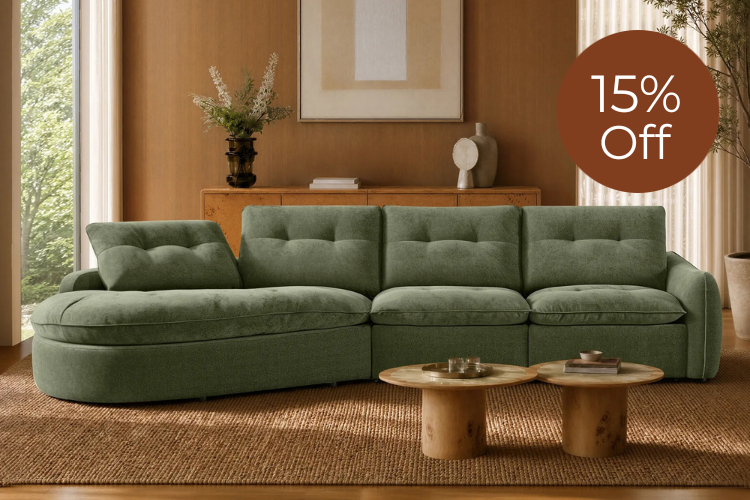
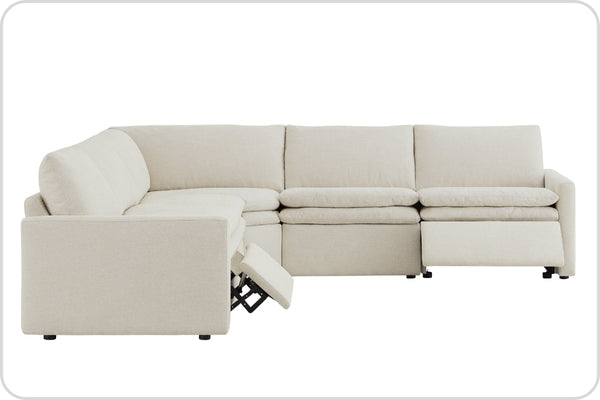
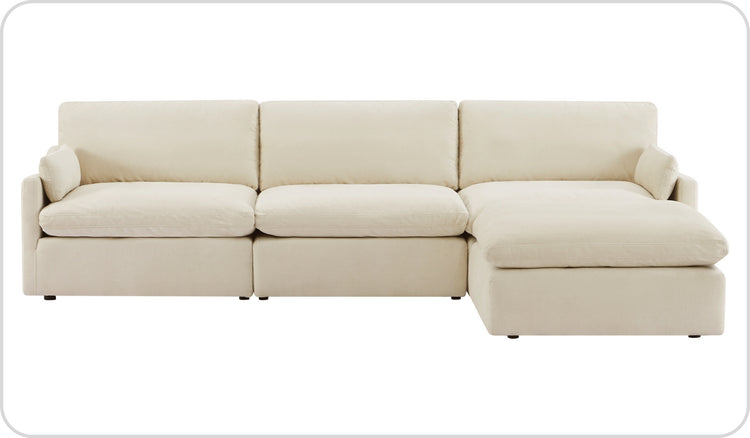
Modular seating can be worth the cost if your room needs to switch between play space, movie seating, and guest seating. The value is flexibility, not novelty. For families that move furniture often or expect the room to change as kids grow, that flexibility can be a real advantage.
The catch is stability. Modular sections depend on the connectors, frame design, and floor conditions, so there is no universal guarantee that every setup will stay locked in place during rough play. If your kids use the sofa like a moving target, check connector quality and section fit carefully.
If that is your main use case, the 2026 guide to family-proof modular sectionals is worth reading about before you buy. For broader layout planning, the modular living manifesto is a good fit too.

Storage and Cleanup Convenience
Storage, removable cushions, and reversible components do not sound exciting, but they often decide whether a sofa feels easy or annoying after six months. In a family room, a sofa that helps you stash blankets, rotate cushions, or clean underneath more easily often earns its keep through everyday convenience.
If cleanup is a major concern, how to clean and care for fabric sofas gives a better sense of what maintenance really looks like.
Premium Sofa Versus Fast Furniture
| Dimension | Premium Sofa | Fast Furniture | Which Usually Wins For Families? |
|---|---|---|---|
| Upfront cost | Higher at checkout | Lower at checkout | Fast furniture if budget is tight now |
| Replacement cycle | Often longer when construction is stronger | Often shorter under daily wear | Premium if the room is used every day |
| Daily comfort | More likely to stay supportive longer | More likely to lose feel sooner | Premium for the main family room |
| Family-room usability | Better if fit, fabric, and structure match real life | Fine for temporary or low-use spaces | Depends on how hard the room is used |
The comparison is not about shaming a cheaper purchase. A lower-cost sofa can absolutely be the right move for a temporary apartment, a rarely used room, or a household with competing priorities. But if the sofa is going to take the daily hits from kids, snacks, and lounging, the cheaper option can become the more expensive one once replacement and frustration are added in.
A simple decision sentence helps here: if your family room gets daily use and you want one anchor piece to last through several stages of childhood, a better sofa is often worth it; if the room is lightly used or the budget is under pressure, the cheaper choice may be smarter.
This is also where are sofas worth it for families with kids becomes a budget question, not a status question. The right answer depends on use intensity, not just price.
How to Choose a Sofa for Active Kids
-
Start With Construction, Not Style
Check the frame, suspension, and cushion build first. If those are weak, a pretty sofa will still disappoint. The CPSC guide's checklist is useful because it keeps the decision grounded in structure, not showroom appeal. -
Match The Fabric To Real Cleanup Habits
Performance fabric can help with routine messes, but only if you are willing to follow the care instructions. If your family spills often and you want a lower-stress cleanup routine, choose a sofa that is designed with that use in mind. -
Measure The Room For Play And Traffic
A family sofa should leave room for walking, toys, and vacuum access. If the piece blocks the path or makes the room feel crowded, it will be irritating no matter how durable it is. -
Decide Whether Modularity Actually Helps
Modular pieces are useful when the room changes often. They are less useful if you just want a simple, stable setup and do not plan to rearrange anything. The upside is flexibility; the trade-off is more parts and more things to check. -
Read Warranty And Care Terms Before You Commit
Warranty language matters more in a busy house than in a low-use one. So do return terms. A sofa may look low-maintenance in photos but require more care than you want in daily life.
For the fabric side, decoding upholstery standards is a good next read if you want to understand ratings like abrasion and why they matter.
A practical shopping rule: if you cannot explain why the frame, fabric, and layout fit your family's actual use, keep looking.
When a Sofa Is Not Worth the Spend
A premium sofa is not always the right answer. Skip it if the room is rarely used, because durability will not pay back much in a space that sits empty most of the time. Choose a simpler option if the budget is tight and the money is needed elsewhere.
It is also a poor fit if your household changes furniture often for style reasons. In that case, paying more for long-term durability may not matter much. And if your kids treat the sofa like a climbing structure, very soft designs can create more frustration than comfort.
If you want a shorter path to browsing, Children-friendly Picks is a sensible place to start comparing family-friendly options. If you want a broader browse, Delaney Modular Sofas and All Active Product can help you narrow the style and layout before you commit.
One clear boundary: are sofas worth it for families with kids only if the sofa is being used as a daily tool, not just a decorative purchase.
A Simple Family Sofa Decision Check
| If This Is True | Lean Toward | Why |
|---|---|---|
| The sofa is used every day | Better-built sofa | Daily wear makes durability more valuable |
| The room is rarely used | Simpler sofa | The upgrade has less chance to pay off |
| You need cleanup-friendly surfaces | Performance fabric | Routine messes are easier to manage |
| You change the room layout often | Modular sofa | Flexibility matters more |
| Budget pressure is high | Lower-cost option | Avoid overbuying for a low-priority room |
This table is not a luxury-vs-budget scorecard. It is a fit check. If two or more rows point the same direction, that usually tells you more than a brand name does.
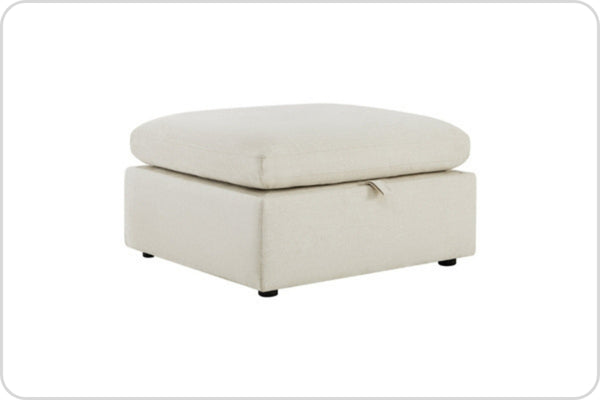
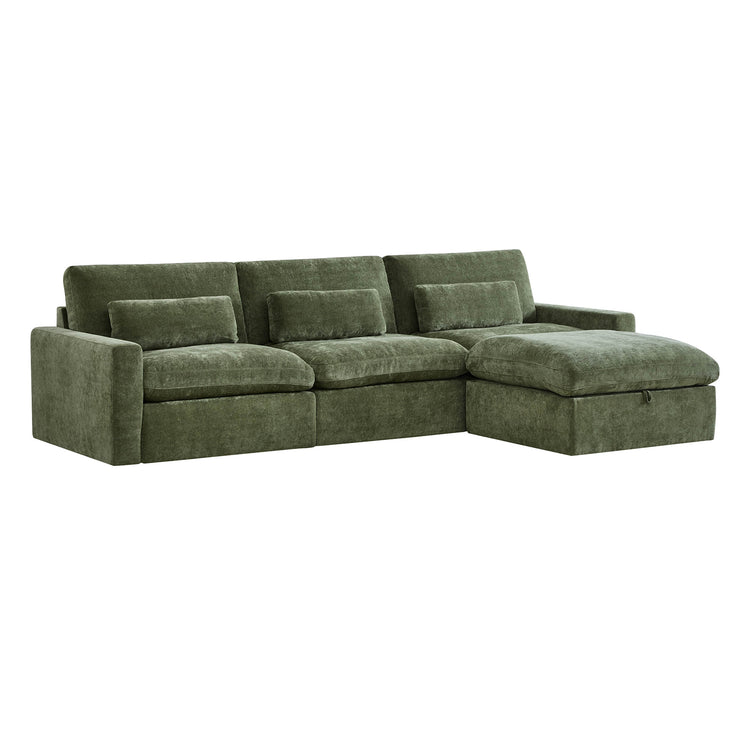
For shoppers who want to see actual product browsing paths, Maisie 4-seat Modular Sofa with Storage Ottoman, Ace Minimalist Chenille Adjustable Backrest 6-Seater Modular Sofa with Storage Armrest, Brendon Modular 6-Seat Sectional Sofa with Wood Leg, Jonathan Modern Cozy Chenille 4-seat Modular Sofa with Hidden Storage, and Joyce Curved Plush 4-Seater Extended Chaise Sectional Couch are all browsing starting points, but you should still verify the build, care, and fit details that matter to your home.
FAQs
Q1. How Long Can a Good Sofa Last in a Family Room?
It depends on build quality, fabric, use intensity, and maintenance. A well-built sofa can often stay comfortable and presentable longer than fast furniture, but there is no fixed lifespan that works for every family room. Daily use changes the equation a lot.
Q2. What Sofa Fabrics Are Easiest to Live With Around Kids?
Performance fabrics, tighter weaves, and upholstery with straightforward care instructions are usually easier to live with. That does not mean spill-proof or problem-free. It means the fabric is more likely to fit real cleanup habits and daily wear.
Q3. Can a Modular Sofa Work in a Busy Family Room?
Yes, if the connectors, layout, and floor conditions suit your space. Modular sofas are often a strong fit when you need flexibility for play, guests, or room changes. They are less compelling if you want the simplest possible setup.
Q4. Why Do Cheaper Sofas Seem More Expensive Over Time?
Because the purchase price is only part of the cost. Replacement cycles, comfort loss, more frequent cleanup frustration, and the hassle of living with a sofa that ages quickly can make a cheap sofa feel costly later.
Q5. How Do I Know If a Sofa Is Worth the Upgrade for My Family?
Use the room test: if the sofa is used every day, needs to handle spills, and has to stay comfortable for years, a better-built sofa is usually worth closer attention. If the room is lightly used or the budget is tight, a simpler sofa can be the smarter choice.
The Bottom Line for Families
For active households, the answer is usually yes when the sofa serves as a daily-use piece and the build matches real life. Strong construction, workable fabric, and a layout that fits your room deliver the best value. Check frame strength, suspension, and care needs against your actual use patterns before buying. If the sofa is mostly decorative or rarely used, a simpler option may be the better buy.
Recommended Products


More to Read
 7 Sofa Trends That Actually Improve Comfort in 2026
Upgrade your living room with furniture that supports your body. Here are 7 modern sofa features designed to maximize your daily comfort...
7 Sofa Trends That Actually Improve Comfort in 2026
Upgrade your living room with furniture that supports your body. Here are 7 modern sofa features designed to maximize your daily comfort...
 Mother's Day Gift Guide: Cozy and Stylish Furniture Picks for Modern Moms
Make Mother's Day more meaningful with furniture gifts that bring comfort, smart features, storage, and quiet luxury into her everyday routine.
Mother's Day Gift Guide: Cozy and Stylish Furniture Picks for Modern Moms
Make Mother's Day more meaningful with furniture gifts that bring comfort, smart features, storage, and quiet luxury into her everyday routine.
 Performance Fabric Reality Check: Does It Really Repel Pet Hair and Stains?
Performance fabric is often marketed as a miracle solution for homes with pets and kids, but the reality is more nuanced. It...
Performance Fabric Reality Check: Does It Really Repel Pet Hair and Stains?
Performance fabric is often marketed as a miracle solution for homes with pets and kids, but the reality is more nuanced. It...