



























Athletes who train hard several times a week often finish sessions with spinal compression, lower-body swelling, and nervous-system tension. A zero gravity recliner serves as a practical recovery anchor that supports natural spinal unloading and venous return when used at the right moment in your routine—after active modalities like foam rolling and before sleep—provided you match the chair to your room geometry first.

Why Neutral Body Posture Is the Foundation of Athlete Recovery
Zero gravity recliners are built around NASA’s Neutral Body Posture (NBP), the 128-degree trunk-to-thigh angle the human body naturally assumes in microgravity to minimize musculoskeletal stress. Unlike upright sitting, which loads the spine and compresses discs during long workdays or heavy training, this position distributes weight evenly and reduces the constant pull of gravity on an active body.
For fitness enthusiasts and serious recreational athletes, the recliner functions as a dedicated Recovery Station rather than simple lounging furniture. It gives the spine a chance to decompress and the legs a chance to elevate after training, fitting neatly into 2026 biohacking living room setups where every piece of equipment has a performance purpose. The key is treating the chair as one tool in a stack—not a standalone fix.
What Zero Gravity Positioning Realistically Does for Your Body
Zero gravity positioning delivers measurable mechanical relief rather than medical repair. According to NASA-derived research, the posture fosters a non-stressed muscle system, correctly aligned vertebrae, and enhanced circulation by relieving strain on joints and muscles (NASA Spinoff).

One of the clearest benefits is spinal decompression. Reclining in a posture that mimics NBP has been shown to reduce intradiscal pressure in the lumbar spine by approximately 19% to 20% compared with standard upright sitting, which may allow intervertebral discs to rehydrate after heavy lifting (clinical investigation). This makes the position particularly relevant for lifters dealing with daily spinal loading.
Leg elevation above heart level, typically 6–12 inches in a true zero gravity recliner, facilitates venous return and can reduce post-workout swelling or edema. It supports natural fluid movement without the common marketing claim that it “drains lactic acid”—lactate is a fuel that clears through normal metabolic processes (recovery myth correction).
Electromyography (EMG) studies further show that paraspinal muscle activity drops significantly in this neutral posture, allowing deeper muscle relaxation and helping the nervous system downregulate after intense sessions. These effects combine to make the recliner a useful passive recovery layer when sequenced correctly.
For more on how these chairs differ from standard models, see our guide to What Key Features Makes Zero Gravity Recliners Different From Regular Recliners?.
The 2026 Recovery Sequence: Timing Your Zero-Gravity Session
The most effective use of a zero gravity recliner for muscle recovery follows a simple rule: deploy it after active tissue work such as foam rolling or percussion massage, but before your final wind-down or sleep. This order lets the chair amplify the benefits of movement-based recovery rather than replacing them.
A practical session window is 15–30 minutes. This duration is long enough for fluid shifts and spinal unloading yet short enough to stay part of a repeatable daily routine. On high-load strength days, prioritize spinal decompression by fully engaging the zero gravity recline. On heavy-leg or cardio days, emphasize the elevated-leg position to support circulation.
Pre-sleep sessions can help reduce accumulated back stress and promote nervous-system downregulation, though some athletes prefer shorter daytime use to avoid disrupting sleep posture. The chair works best as a timing tool within a broader recovery stack, not a passive substitute for hydration, nutrition, or professional care.
2026 Recovery Sequence Matrix: When to Use a Zero Gravity Recliner
A recovery-planning aid for athletes using bounded session guidance. The chair typically works best after active recovery and before sleep, with the main emphasis shifting by training type: spinal unloading after high-load strength work and leg elevation after cardio or heavy-leg days.
View chart data
| Category | Spinal unloading priority | Circulation support priority | Use after active recovery | Pre-sleep use | Practical session window |
|---|---|---|---|---|---|
| High-load strength day | 3.0 | 1.0 | 3.0 | 2.0 | 3.0 |
| Moderate cardio day | 1.0 | 2.0 | 2.0 | 2.0 | 3.0 |
| Heavy-leg day | 1.0 | 3.0 | 3.0 | 1.0 | 3.0 |
The Recovery Zone Blueprint: Balancing Power and Footprint
Room geometry should guide your choice of zero gravity recliner for athletes before recovery features. In compact home gyms or shared living rooms, wall-hugger mechanisms that need only about 4 inches of clearance keep the chair practical for daily use.
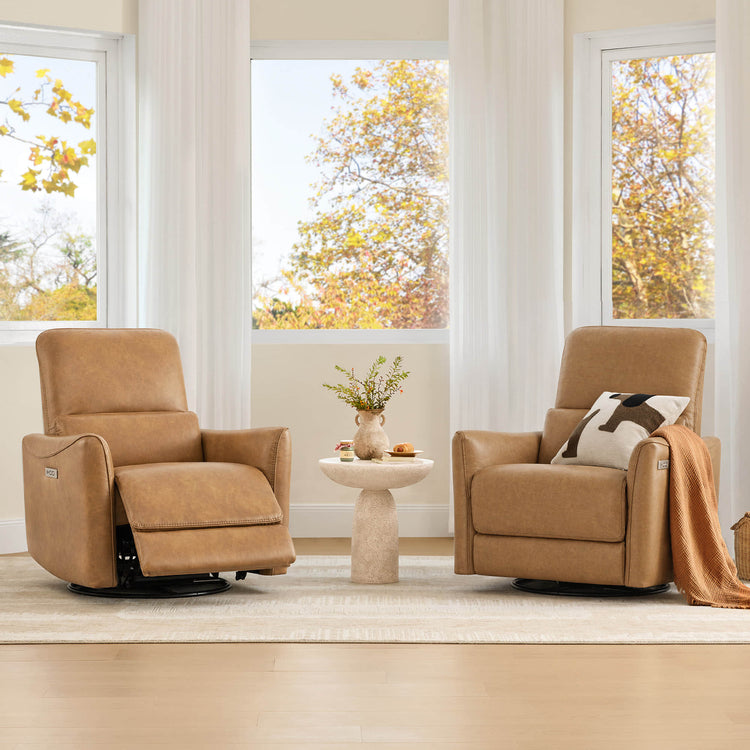
Models like the Isaac Zero Wall-hugger Power Recliner with Cup Holder or Raven Wall Hugger Genuine Leather Power Recliner with Cup Holders excel in tight spaces while still delivering zero gravity positioning. When square footage allows, a triple-motor design such as the Sable Super Zero-gravity Triple-Motor Power Recliner with Storage offers independent control of headrest, lumbar, and recline for precise tuning during longer sessions.
Build a compact biohacking corner by placing the recliner near a side table for percussion tools, keeping USB-C charging and cup holders within easy reach. Our guide to Big Comfort, Small Footprint: The Best Power Recliners for Apartments and Cozy Rooms offers exact sizing and placement tips that help the recovery station remain a consistent part of your routine rather than an underused piece of furniture.
Common Misconceptions About Post-Workout Reclining
Many athletes assume elevating the legs “drains lactic acid.” In reality, lactate is a fuel source that clears naturally through metabolism; the real value of leg elevation lies in reducing edema and supporting venous return (Truth or Myth: Elevating Legs). Expecting dramatic performance gains from the chair alone sets up disappointment.
The recliner complements, rather than replaces, active recovery, hydration, and proper sleep. Using it for very long periods or overnight can create its own issues for some athletes, which is why shorter targeted sessions often prove more sustainable. Our article on Is It Healthy to Sleep in a Recliner? The Benefits and Risks explores these trade-offs in detail.
Zero gravity recliners are not medical devices. They support relaxation and mechanical relief but should not be viewed as treatment for injury or a substitute for professional care.
Action Steps: Setting Up Your Athlete Recovery Station
Start by measuring your available depth and wall clearance. If space is limited, prioritize a wall-hugger model so the chair can stay deployed without disrupting traffic flow. Once the footprint works, select power features that match your routine—dual-motor for simplicity or triple-motor for fine-tuned lumbar and headrest support.
Stack your modalities in this order: roll or percuss first, then recline for 15–30 minutes, then transition to nutrition and sleep. Place recovery accessories (foam roller, massage gun, water bottle) within arm’s reach so the entire sequence stays friction-free. When the setup is easy to use daily, the zero gravity recliner becomes a reliable part of a 2026 wellness routine rather than an occasional luxury.
For broader context on building an ergonomic living room, see Why Recliners Are a Must-Have for Your Living Room.
FAQs
How Long Should You Sit in a Zero Gravity Recliner for Recovery? Most athletes see the best results with 15–30 minute sessions. This window supports fluid movement and spinal unloading without risking stiffness or interference with nighttime posture. Longer sessions are possible but are not necessarily more effective for daily recovery.
Who Benefits Most From a Zero Gravity Recliner for Muscle Recovery? Fitness enthusiasts and recreational athletes who train multiple times per week and accumulate spinal compression or lower-body swelling gain the most. The chair is especially useful for those building a consistent home recovery corner, provided they already practice active recovery methods.
Can a Zero Gravity Recliner Replace Stretching or Foam Rolling? No. The recliner works best after active tissue work. It provides passive unloading and relaxation but cannot replicate the benefits of movement, myofascial release, or targeted mobility exercises.
How Do You Tell a True Zero Gravity Recliner From a Standard Recliner? A true zero gravity recliner achieves NASA’s 128-degree Neutral Body Posture, elevates the legs above heart level, and significantly reduces lumbar pressure. Standard recliners typically stop at a shallower angle and lack the full spinal decompression and circulation support geometry.
Is It Safe to Use a Zero Gravity Recliner Every Day After Workouts? Yes, when used for moderate sessions and paired with proper training recovery practices. Check that the chair fits your space comfortably and does not encourage poor overnight sleeping posture. Consult a healthcare professional if you have existing spinal conditions.
What Features Matter Most for Athletes Using a Recliner for Recovery? Wall-hugger mechanisms for small rooms, power lumbar and headrest adjustment for precise positioning, and integrated storage or charging ports for convenience. The right combination keeps the chair part of your daily routine instead of an awkward addition to the home gym.
Does Zero Gravity Positioning Speed Up Muscle Repair? It supports an environment for relaxation and reduced muscle tension, which may aid overall recovery when combined with sleep, nutrition, and active modalities. It does not directly accelerate tissue repair or replace professional rehabilitation.
Recommended Products


More to Read
 7 Sofa Trends That Actually Improve Comfort in 2026
Upgrade your living room with furniture that supports your body. Here are 7 modern sofa features designed to maximize your daily comfort...
7 Sofa Trends That Actually Improve Comfort in 2026
Upgrade your living room with furniture that supports your body. Here are 7 modern sofa features designed to maximize your daily comfort...
 Mother's Day Gift Guide: Cozy and Stylish Furniture Picks for Modern Moms
Make Mother's Day more meaningful with furniture gifts that bring comfort, smart features, storage, and quiet luxury into her everyday routine.
Mother's Day Gift Guide: Cozy and Stylish Furniture Picks for Modern Moms
Make Mother's Day more meaningful with furniture gifts that bring comfort, smart features, storage, and quiet luxury into her everyday routine.
 Performance Fabric Reality Check: Does It Really Repel Pet Hair and Stains?
Performance fabric is often marketed as a miracle solution for homes with pets and kids, but the reality is more nuanced. It...
Performance Fabric Reality Check: Does It Really Repel Pet Hair and Stains?
Performance fabric is often marketed as a miracle solution for homes with pets and kids, but the reality is more nuanced. It...