






















Beyond the Brackets: 5 Ways to Prevent Modular Sofa Shifting in 2026

Understanding Sectional Creep: Why Modular Sofas Slide Apart
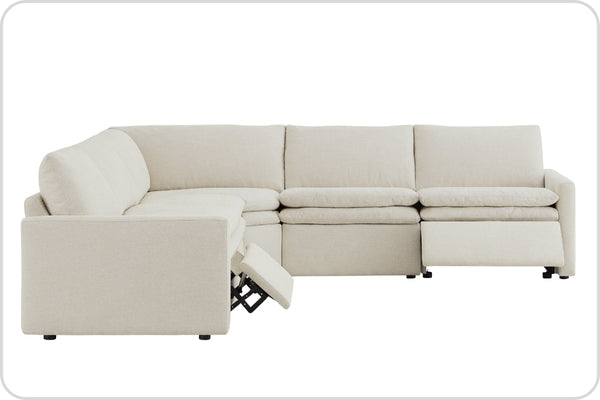
Sectional creep describes the gradual separation of modular sofa pieces caused by repeated lateral forces from sitting, standing, or reclining. On smooth surfaces like hardwood, tile, or laminate, low friction at the floor level allows the entire unit to drift even when individual sections stay latched. Mechanical connectors alone often prove insufficient because they primarily align sections rather than anchor the sofa to the floor.
Industry standards recognize this challenge. ANSI/BIFMA X5.4-2020 requires that modular seating intended to be "ganged" or connected must maintain structural integrity and stability under load. This benchmark explains why many factory-supplied brackets eventually loosen or bend, especially in high-traffic family rooms.
Diagnostic Tip: To solve the issue, first identify the root cause. If you see gaps between cushions but the sofa stays in place, the issue is likely hardware-related. If the entire sofa moves across the room, the issue is floor friction.
Way 1: Upgrading to High-Tension Mechanical Connectors
Most modular sofas rely on either ratchet-style clips (alligator clips) or simpler U-brackets. Ratchet clips typically deliver a tighter, multi-point interlocking connection that hides inside the frame. U-brackets provide easier assembly but often permit more lateral play.
Before upgrading, perform a Connector Audit:
- Measure the Gap: Check the distance between the mounting points on your sofa frame.
- Check Frame Material: Ensure the frame is solid wood or reinforced plywood before drilling new holes for aftermarket clips.
- Verify Clearance: Ensure the new hardware won't interfere with reclining mechanisms or internal storage.
Replacing worn hardware with higher-tension aftermarket ratchet clips can restore alignment. However, avoid over-tightening during installation, as this can stress the frame and lead to wood splitting.
Way 2: Leveraging High-Friction Floor Grippers
On low-friction floors, even the best connectors cannot prevent creeping if the legs lack sufficient grip. The National Wood Flooring Association (NWFA) recommends professional-grade rubber pads to stop furniture from sliding while protecting finishes.
Rubber and silicone pads generally provide higher friction coefficients than felt. Felt pads are designed to help furniture slide—not to anchor it. For modular sofas, choose thicker, professional-grade grippers rated for heavy furniture.

Note: The following comparison is based on general material properties; actual performance depends on your specific floor finish and sofa weight.
Floor Gripper Materials: Tiered Fit for Grip, Surface Protection, and Durability
Higher tiers indicate better fit for stopping sofa shifting on hardwood or tile, while protecting the floor and lasting under load. The chart compares common floor-contact materials using conservative setup guidance rather than exact test values.
View chart data
| Category | Grip | Floor protection | Durability |
|---|---|---|---|
| Rubber | 3.0 | 2.0 | 2.0 |
| Silicone | 2.0 | 3.0 | 2.0 |
| Felt | 1.0 | 2.0 | 1.0 |
In most home environments, rubber provides the highest resistance to sliding on hardwood, while silicone offers a balance of grip and floor protection. Felt should be avoided if your goal is to prevent movement.
Way 3: Using Area Rugs as Stability Anchors
An area rug creates a textured base that can reduce whole-sofa drift. For best results, position the rug so all sofa legs rest fully on it. This distributes weight evenly and uses the rug's pile to anchor the sections.
Adding a quality rug pad underneath prevents the rug itself from sliding. High-pile or dense-weave rugs generally perform better than thin flatweaves because they provide more surface texture for the sofa legs to grip. This is a non-invasive, reversible fix ideal for renters.
Way 4: Optimizing Configuration and Weight Distribution
Layout choices influence stability more than many owners realize. L-shaped or U-shaped configurations create mutual bracing between sections, reducing independent movement. Placing the sofa against a wall or in a corner uses the room's architecture as a natural backstop.
Weighted bases or modules with built-in storage, such as those in certain modular collections with hidden storage, can lower the center of gravity. While features like FSC-certified frames and no-sag springs are indicators of quality, they primarily improve structural rigidity rather than floor grip. Ensure all legs make solid contact with the floor to prevent "teetering," which accelerates connector wear.
Way 5: Selecting Modern Designs with Integrated Stability
Recent innovations in modular furniture focus on "out-of-the-box" stability. Look for models featuring integrated non-slip legs, which use dual-material feet to combine grip with floor protection.
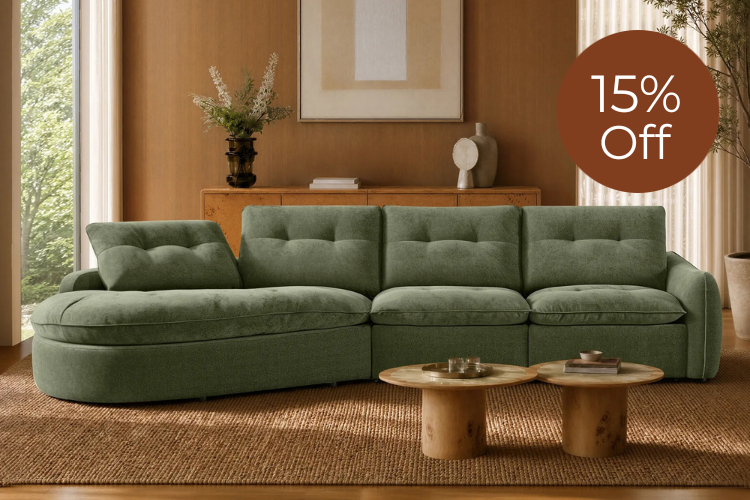
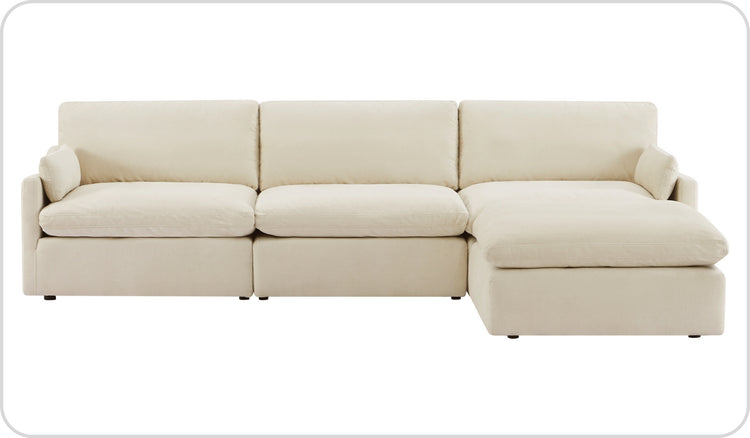
When shopping for new models, prioritize those with recessed, heavy-duty locking mechanisms. Our Kenna 2 Seat Modular Sofa, for example, incorporates non-slip legs as a standard feature to minimize the need for aftermarket pads.
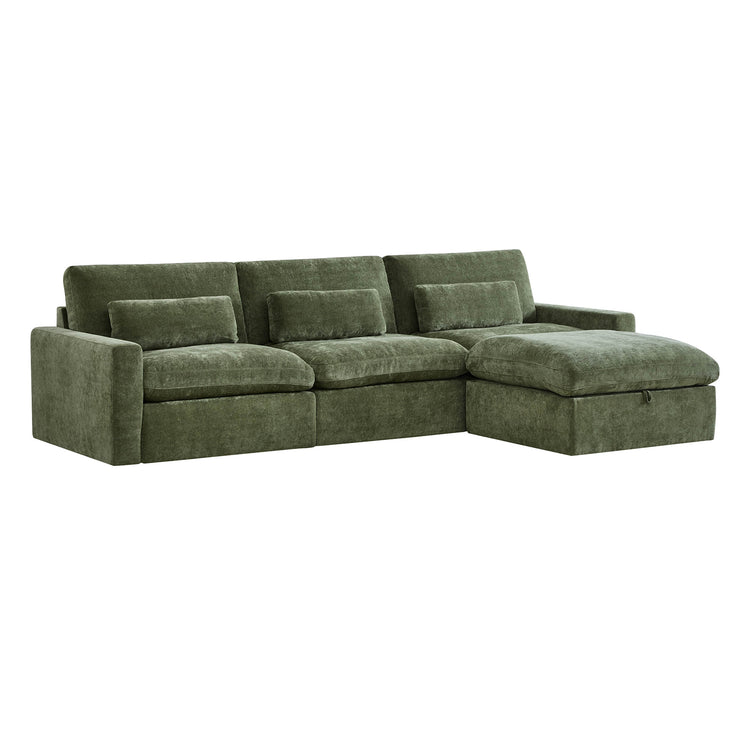
Buyer’s Tip: Be cautious of restocking fees. Test the stability of a floor model if possible, and verify if the manufacturer’s warranty covers hardware failure due to "normal use" shifting. For high-traffic homes, models like the Jonathan Modern Cozy Chenille 6-seat Modular Sofa with Hidden Storage or Delaney 6-Seat Modular Sofa Chaise with Storage Ottomans offer built-in features that support long-term stability.
Post-Installation Checklist: The Stability Test
Once you have implemented a solution, use this checklist to verify the results:
- The Push-Pull Test: Apply moderate lateral pressure to the corner of a module. It should resist movement. If it pivots, check the grip on the opposite leg.
- Hardware Check: Tighten any visible bracket screws quarterly. Dust and debris can reduce the friction of rubber pads, so wipe them down with a damp cloth during regular cleaning.
- Alignment Audit: Ensure the rug pad hasn't bunched up, which can cause the sofa to sit unevenly and stress the connectors.
- Compatibility Verification: If using aftermarket parts, ensure the screw length does not exceed the thickness of your sofa frame to avoid damaging the upholstery.
How Do Magnetic Connectors Compare for Modular Sofas?
Magnetic systems are appearing in some premium models for ease of reconfiguration. However, they should be viewed as a complement to floor friction. Their holding power can vary significantly based on the weight of the modules and the intensity of use.
Are Non-Slip Legs Enough on Their Own for Hardwood Floors?
They provide a significant improvement over plastic glides, but on highly polished or waxed floors, additional gripper pads may still be necessary to achieve 100% stability.
What Should I Check Before Buying a Modular Sofa for Tile or Laminate?
Prioritize models with documented high-friction feet and ratchet-style connectors. If the sofa uses simple drop-in brackets, plan to supplement them with a rug or professional-grade grippers.
Can I Use DIY Solutions Like Velcro or Double-Sided Tape?
Adhesives often leave permanent residue on floors or damage the sofa's underside. Professional rubber grippers are a more reliable, reversible, and floor-safe alternative.
How Often Should I Inspect My Modular Sofa Hardware?
A quick check every six months—or after any major move—is usually sufficient to catch loose screws or worn pads before they cause significant gaps.

Recommended Products


More to Read
 7 Sofa Trends That Actually Improve Comfort in 2026
Upgrade your living room with furniture that supports your body. Here are 7 modern sofa features designed to maximize your daily comfort...
7 Sofa Trends That Actually Improve Comfort in 2026
Upgrade your living room with furniture that supports your body. Here are 7 modern sofa features designed to maximize your daily comfort...
 Mother's Day Gift Guide: Cozy and Stylish Furniture Picks for Modern Moms
Make Mother's Day more meaningful with furniture gifts that bring comfort, smart features, storage, and quiet luxury into her everyday routine.
Mother's Day Gift Guide: Cozy and Stylish Furniture Picks for Modern Moms
Make Mother's Day more meaningful with furniture gifts that bring comfort, smart features, storage, and quiet luxury into her everyday routine.
 Performance Fabric Reality Check: Does It Really Repel Pet Hair and Stains?
Performance fabric is often marketed as a miracle solution for homes with pets and kids, but the reality is more nuanced. It...
Performance Fabric Reality Check: Does It Really Repel Pet Hair and Stains?
Performance fabric is often marketed as a miracle solution for homes with pets and kids, but the reality is more nuanced. It...