























If you're shopping for a power recliner to use in a nursery or media room, motor noise can quickly turn a relaxing experience into a frustrating one. In 2026, the best quiet recliners target operating noise between 30 and 40 decibels under normal conditions, with brushless motors and vibration-dampening mounts providing the most reliable performance. This matters because a 10-to-20 dB increase under load can push even a well-engineered chair out of the acceptable range for light sleepers or napping babies.

The Decibel Scale: How Quiet is a 'Quiet' Recliner?
Decibels measure sound intensity on a logarithmic scale, where a 10 dB increase feels roughly twice as loud. For context, normal conversation sits around 60 dB, while a soft whisper or library environment measures closer to 30 dB.
Standard power recliner motors typically operate between 50 and 60 dB, comparable to a normal conversation. Premium whisper-quiet models aim for 30 to 40 dB, closer to the sound level of a library or soft whisper, according to motor manufacturer benchmarks.
The Decibel Scale: Nursery and Living-Room Fit for Quiet Recliner Motors
How a recliner motor’s operating noise lines up with nursery, media-room, and living-room tolerances, with a +10 to +20 dB load shift shown as a higher-use range.
View chart data
| Category | Lower bound | Upper bound |
|---|---|---|
| Nursery tolerance | 0.0 | 40.0 |
| Media room tolerance | 0.0 | 45.0 |
| Standard living room tolerance | 0.0 | 50.0 |
| Quiet recliner motor at base | 30.0 | 50.0 |
| Quiet recliner motor under load | 40.0 | 60.0 |
This chart clarifies the threshold that matters most: for a nursery, aim to stay under 40 dB even after the typical load penalty. Motors rated 30-40 dB at base often remain usable under moderate weight, but heavier loads above 250 lbs can add 10-20 dB of strain noise. Choose a motor with sufficient capacity for your primary users to keep the chair in the quiet zone.
The Anatomy of Stealth: What Makes a Motor Whisper-Quiet?
Brushless DC motors run quieter than traditional brushed motors because they eliminate the mechanical friction and sparking that create high-frequency whine. This design also tends to last longer with less maintenance.
Vibration-dampening mounts isolate the motor from the chair frame, preventing the structure from acting like a speaker and amplifying hum. Rigid frames made from high-quality materials further reduce resonance, while particleboard or lightweight frames can turn modest motor noise into an annoying buzz.
For best results, look for chairs that combine brushless motors with these isolation features rather than relying on marketing terms alone. Our Hidden Tech: The Best Power Recliner Features You Didn't Know You Needed explores additional engineering details worth checking.

Why Decibels Matter in the Nursery: Protecting Sleep Cycles
Nursery environments benefit from keeping consistent background noise below 40 dB to support uninterrupted deep sleep cycles in infants. Sudden mechanical clicks or motor whines above this level are more likely to trigger a baby's startle response than steady low-level hum.
Parents often regret choosing a recliner based only on looks or price when nighttime feeding sessions wake the baby with a loud footrest latch or gear engagement. A true whisper-quiet nursery glider recliner minimizes both steady motor noise and those abrupt clunks.
This makes brushless models with smooth, damped transitions particularly valuable for late-night use. Our guide on The 2026 Nursery Essential: Why a Silent Power Glider is the Ultimate Postpartum Upgrade details how these features support recovery and bonding.
Media Rooms and Shared Spaces: The Luxury of Silence
In a media room or home theater, even modest motor whine can break immersion during quiet movie scenes. Low-noise power mechanisms preserve the cinematic experience by allowing silent transitions between positions.
Shared apartments and open-plan living rooms present similar challenges. Reclining late at night without disturbing others requires a motor that stays in the 30-40 dB range. Manual recliners often produce louder mechanical clunks that travel through floors more noticeably than a well-isolated electric system.
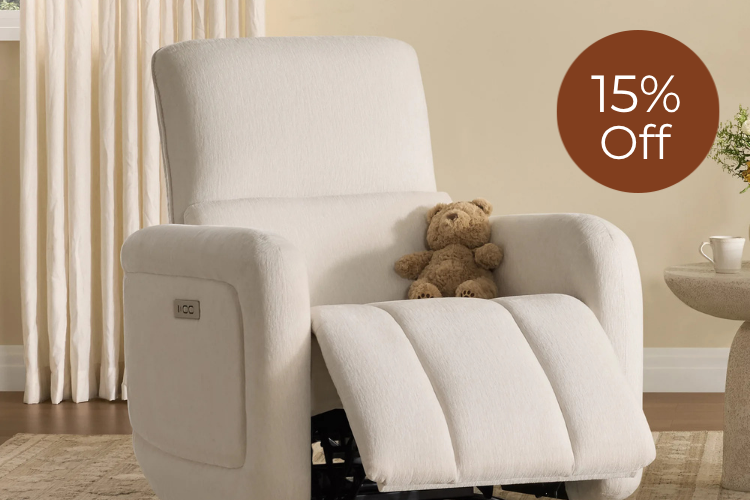
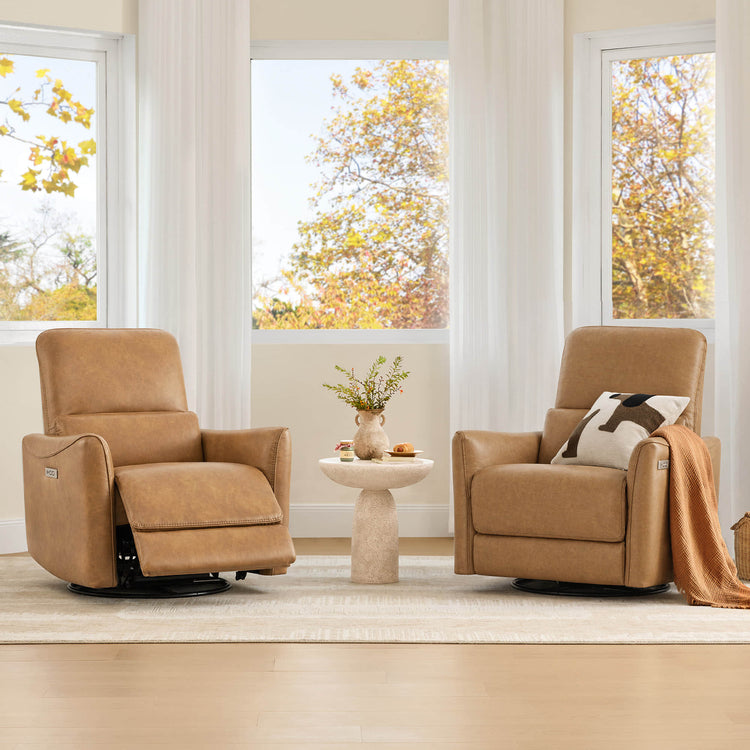
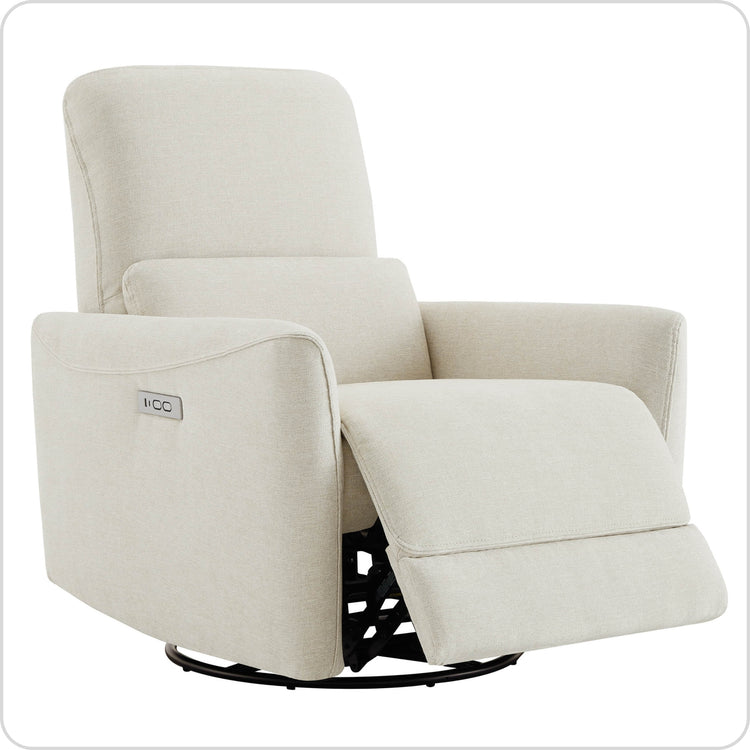
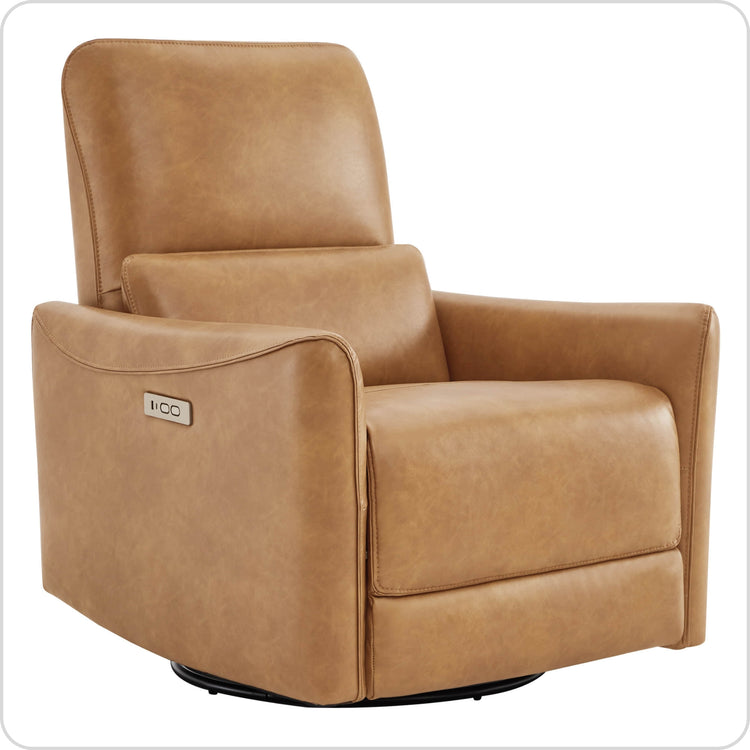
For these setups, prioritize chairs engineered for minimal vibration transmission. The Vinca Power Swivel Nursery Glider Recliner with Power Lumbar & Headrest and similar models in our Nursery Glider Recliner collection illustrate practical implementations of these principles.
Beyond Marketing: How to Verify Noise Claims
Quiet Mark certification identifies products in the quietest 10-20% of their category through independent acoustic lab testing, offering a reliable third-party benchmark beyond manufacturer claims.
The ANSI/ASA S12.3-2023 standard guides consistent declaration of product noise emission values, making it easier for shoppers to compare options using standardized sound-power measurements. Look for ratings taken under loaded conditions rather than unloaded showroom demonstrations.
User reviews that specifically mention performance with weight or in quiet rooms provide additional real-world signals. Avoid chairs that only advertise "silent" without technical details, as perceived noise varies significantly with room acoustics, flooring, and distance.
Real-World Factors: Load, Flooring, and Maintenance
Weight over 250 lbs increases motor strain and can raise operating noise by 10-20 dB. Selecting a recliner rated for the heaviest regular user helps maintain quieter performance across its full range of motion.
Hardwood floors transmit vibration more readily than carpet or rugs, making motor hum more noticeable. Placing a thick area rug under the chair often reduces perceived noise without any change to the mechanism itself.
Over time, dry gears or worn bushings introduce squeaks that marketing materials never mention. Regular lubrication according to the manufacturer's schedule prevents these issues and preserves the low-noise profile you paid for. Our Wall-Hugger Recliner Clearance: The Small Space Guide includes related maintenance considerations for tight rooms.
Choosing Your Quiet Recliner: A Final Decision Checklist
Use this checklist to filter options with confidence:
- Confirm the mechanism uses a brushless DC motor for the lowest baseline noise and best longevity.
- Target a 30-40 dB operating range; ask for loaded rather than unloaded ratings when possible.
- Listen for mechanical latch or footrest clunks during demonstration—these sudden sounds often disturb more than steady hum.
- Match the chair's weight capacity to your household's heaviest user to avoid the load-induced noise penalty.
- Check for vibration-dampening mounts and a rigid frame rather than lightweight materials that amplify sound.
- Verify suitability for your specific room: nursery buyers should prioritize startle-free transitions, while media-room users should focus on immersion during slow recline.
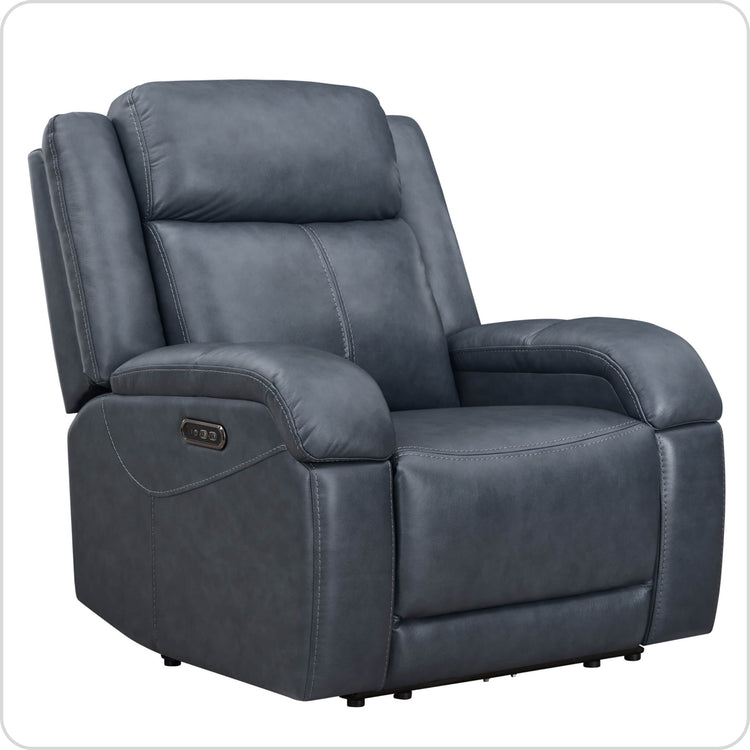
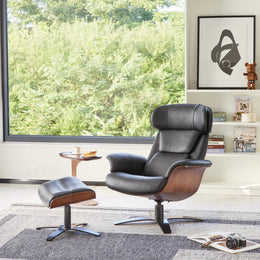
Applying these checks early prevents the common regret of discovering excessive noise only after delivery. For premium options that meet these criteria, explore our Recliner Latest collection or models like the Stella Lay-Flat Power Recliner with Power Headrest that balance quiet operation with modern comfort.
Frequently Asked Questions
What is an acceptable decibel level for a nursery power recliner? Most sleep experts suggest keeping background noise under 40 dB in a nursery. Look for motors rated 30-40 dB at base, understanding that a 10-20 dB increase under load is common. Test the chair with someone sitting in it if possible.
Are brushless motors actually quieter than brushed motors in recliners? Yes. Brushless designs eliminate the brushes that create friction and electrical noise, resulting in a lower and smoother sound profile. They also tend to run cooler and last longer, though frame quality still affects final perceived volume.
Does flooring really change how loud a recliner motor sounds? Hard surfaces like hardwood or tile reflect and transmit vibrations more than carpet. A thick rug or furniture pad can noticeably reduce both motor hum and any resonance through the floor.
Can a 'quiet' recliner still wake a sleeping baby? It can if the mechanism produces sudden mechanical clicks or clunks during footrest extension. Steady low-level hum is usually less disruptive than abrupt latch noises, which is why smooth, damped transitions matter more than a single dB rating.
How do I know if a manufacturer’s noise claim is reliable? Look for third-party certifications such as Quiet Mark, reference to ANSI/ASA S12.3-2023 testing standards, or loaded-condition ratings. Real-user reviews that mention nighttime or media-room use offer practical validation beyond marketing language.
Is maintenance required to keep a power recliner quiet over time? Yes. Periodic lubrication of the mechanism prevents squeaks and grinding that develop with use. Follow the manufacturer’s schedule—most recommend light application every 6-12 months depending on frequency of use.
What should I choose instead of a power recliner if noise is my top concern? In extremely noise-sensitive households, a high-quality manual recliner with well-engineered latches may produce fewer electronic sounds, though it sacrifices the convenience of powered motion. Most users find a properly specified brushless power model offers the best balance.
Recommended Products

More to Read
 7 Sofa Trends That Actually Improve Comfort in 2026
Upgrade your living room with furniture that supports your body. Here are 7 modern sofa features designed to maximize your daily comfort...
7 Sofa Trends That Actually Improve Comfort in 2026
Upgrade your living room with furniture that supports your body. Here are 7 modern sofa features designed to maximize your daily comfort...
 Mother's Day Gift Guide: Cozy and Stylish Furniture Picks for Modern Moms
Make Mother's Day more meaningful with furniture gifts that bring comfort, smart features, storage, and quiet luxury into her everyday routine.
Mother's Day Gift Guide: Cozy and Stylish Furniture Picks for Modern Moms
Make Mother's Day more meaningful with furniture gifts that bring comfort, smart features, storage, and quiet luxury into her everyday routine.
 Performance Fabric Reality Check: Does It Really Repel Pet Hair and Stains?
Performance fabric is often marketed as a miracle solution for homes with pets and kids, but the reality is more nuanced. It...
Performance Fabric Reality Check: Does It Really Repel Pet Hair and Stains?
Performance fabric is often marketed as a miracle solution for homes with pets and kids, but the reality is more nuanced. It...