
























How to Choose bedroom furniture for reading corners

Bedroom furniture for reading corners works best when you learn how to choose bedroom furniture for reading corners by posture first, then size and style. If you read upright for short stretches, a slimmer chair can be enough. If you settle in for longer sessions, look for stronger lumbar and neck support, because OSHA's chair guidance for computer workstations points toward back support that follows the spine's natural curve.
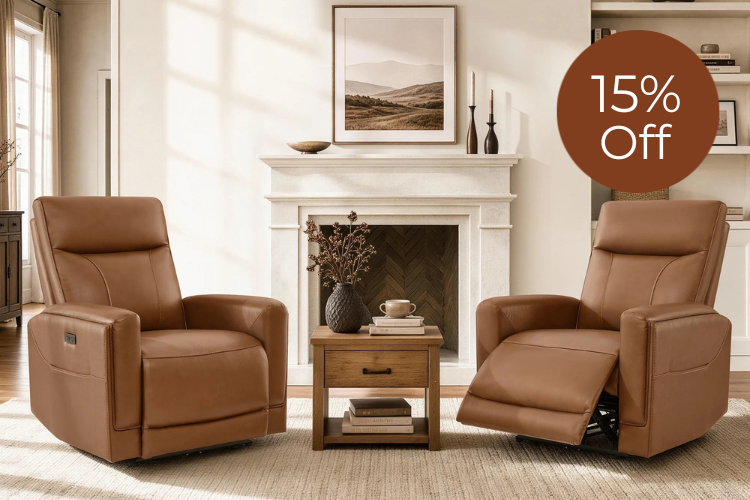
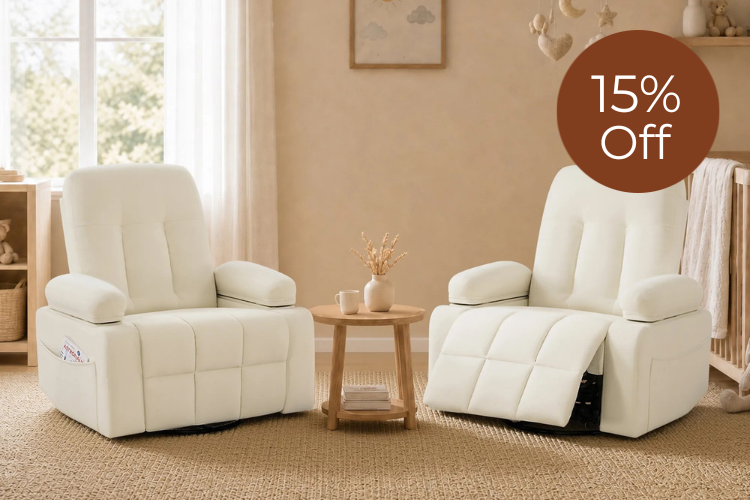
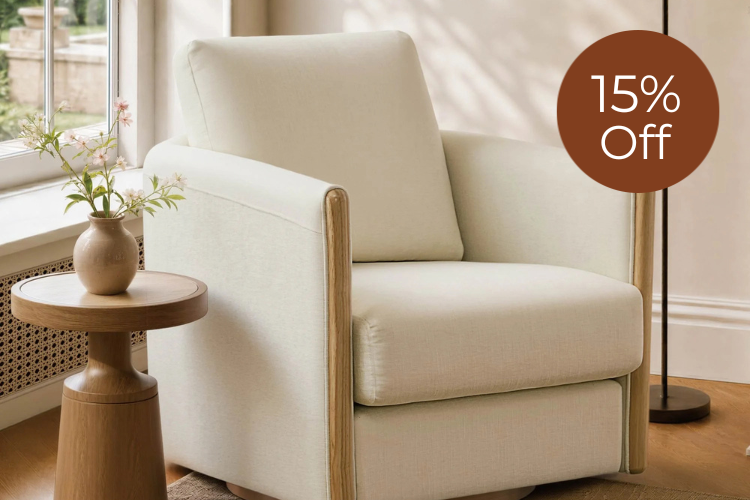
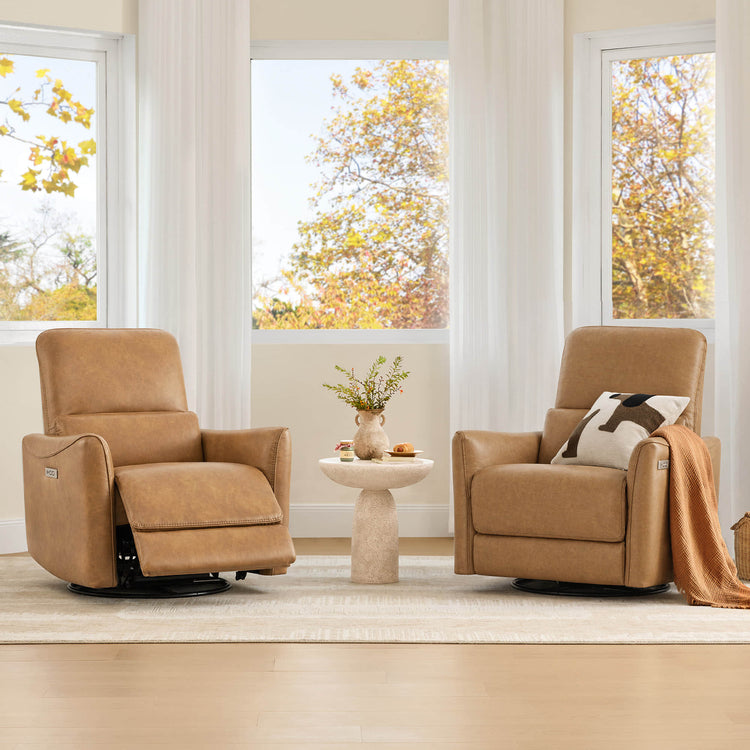
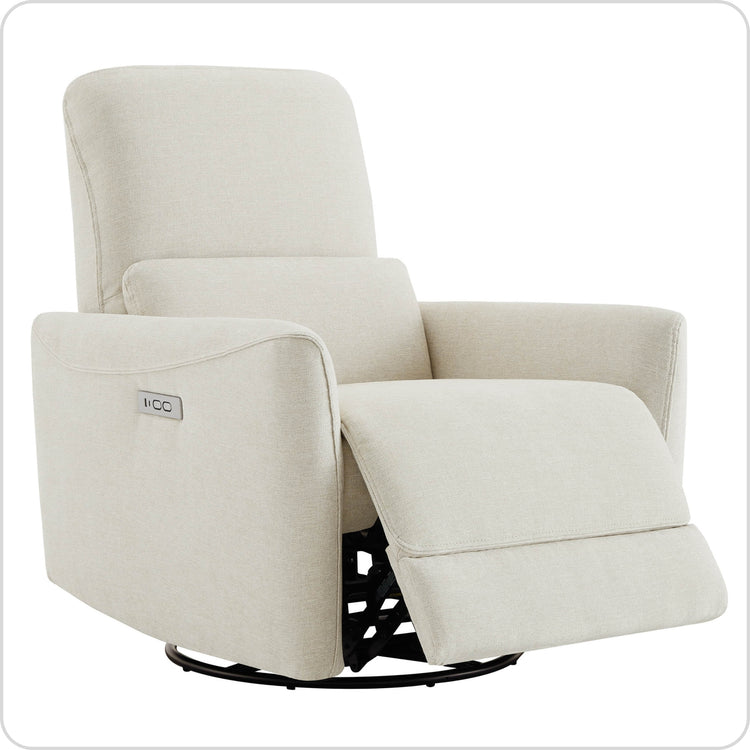
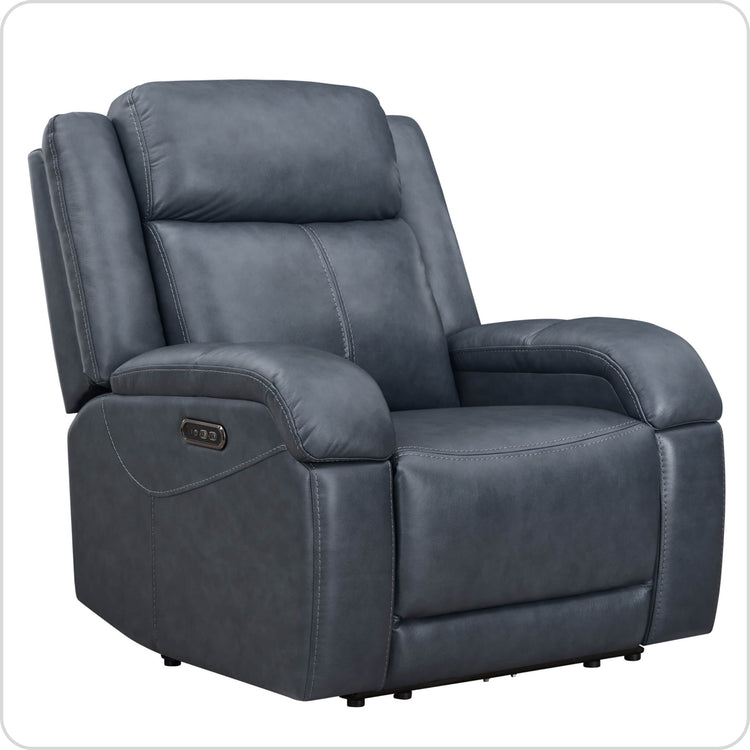
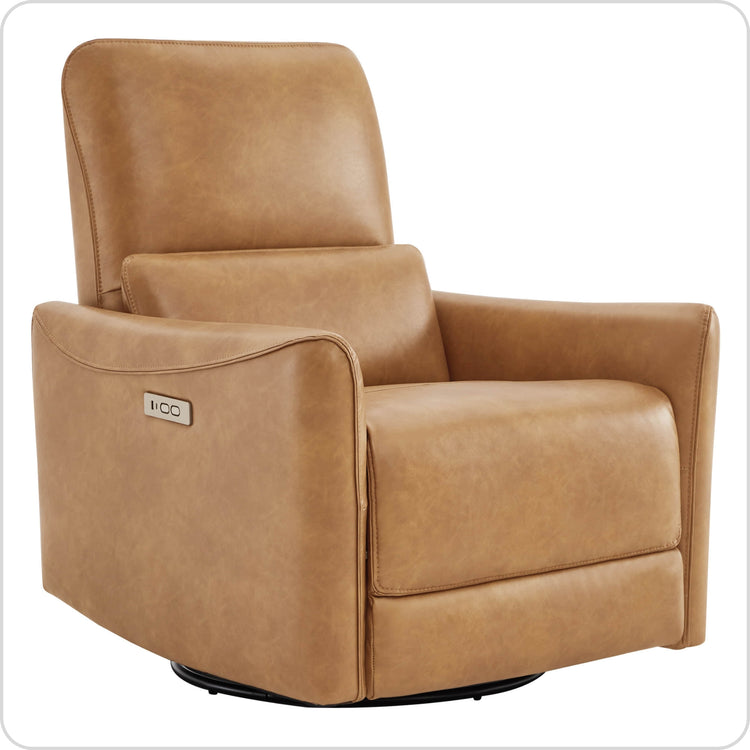
If you want a roomier, more relaxed setup, the Vinca Modern Power Swivel Glider Recliner with Power Lumbar & Headrest is worth checking as a browsing step, but only if the corner can handle a deeper seat and you actually plan to recline. For tighter bedrooms, a swivel chair is often the safer fit because it gives you flexibility without taking over the room.
Start With the Reading Posture You Want
The easiest way to narrow how to choose bedroom furniture for reading corners is to ask how you really read. Upright readers usually need a seat that keeps the torso steady and the arms supported. Semi-reclined readers need a backrest that lets them lean without sliding forward. Fully relaxed readers need more surface area and a deeper seat.
A visually beautiful chair can still be the wrong pick if it does not support the way you sit for more than a few minutes. That is why lumbar and neck support matter more than fabric pattern alone. The practical test is simple: if you feel yourself leaning, craning, or repositioning constantly, the chair is probably styled for the room but not for the reading habit.
For the seat itself, height matters as much as shape. The GSA ergonomic seat adjustment guide recommends a setup where feet rest flat on the floor or footrest, thighs stay roughly parallel, and the knees sit slightly higher than the seat edge. In plain terms, the chair should let your body settle instead of making your legs dangle or your shoulders hunch.
A good rule of thumb is this: if you mostly read upright, choose a chair that supports posture and turns easily in the room; if you like to sink in with a long novel, choose a deeper, more reclined option. The recommendation flips when the chair starts forcing you into one reading style you do not actually use.

Match the Chair to Your Bedroom Scale
Scale is the part most people underestimate. A bedroom corner can look open in photos and still feel cramped once a chair, lamp, and side table are all in place. Before you buy, measure the corner itself, the nearby walk path, and the door swing so the seat does not collide with daily movement.

This is especially important in apartments, guest rooms, and townhouse bedrooms where one extra piece can change the whole room's flow. A chair that seems compact online may still feel visually heavy once it is against the wall, near a window, or next to a bed frame.
Best fit depends on posture and room scale. Use this as a placement guide, not a product ranking.
| Scenario | Upright reading | Semi-reclined reading | Relaxed reading |
|---|---|---|---|
| Tight corner | Good | Moderate | Limited |
| Moderate space | Good | Good | Moderate |
For a tight corner, a slim swivel chair or armless seat is usually easier to live with because it preserves circulation. For a moderate space, a power recliner or larger accent chair becomes more realistic because the corner can support a deeper profile without dominating the room. If the chair blocks the route to the closet, bed, or window, it is too large even if the footprint looks reasonable on paper.
The Lounger Chairs collection is a useful place to browse if you are comparing roomier seating profiles, but only after you know the nook can spare the depth. When space is tight, a smaller chair often wins even if a larger option looks more inviting.
Coordinate Seating, Tables, and Lighting
A reading corner usually fails when the chair is chosen in isolation. The setup needs at least three pieces working together: seat, table, and light. If one of them is oversized or awkward, the whole nook feels crowded instead of calm.
Choose a Side Table That Holds the Basics
The side table should do one job well: keep the essentials within reach. That usually means a book, a drink, glasses, and maybe a charging cord. If the table is wider than it needs to be, it becomes visual clutter. If it is too small, it stops being useful and forces extra reaching.
Pick Lighting That Supports Evening Reading
Reading light should make the page easy to see without creating glare or hard shadows. That can mean a lamp near shoulder height, a focused task light, or a layered setup with softer room light around it. Lighting levels are best treated as a comfort cue rather than a fixed rule, because room color, bulb choice, and shade shape all change the result.
Add an Ottoman Only When It Earns Its Space
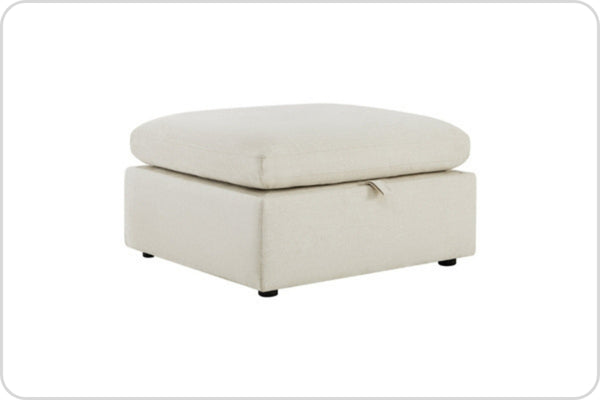
An ottoman can help if you want feet up support, a softer landing spot, or extra storage. But it is not automatically a good idea in a small bedroom. If the corner already feels tight, the ottoman may solve comfort and create clutter at the same time.
Keep the Layout Open Enough to Feel Calm
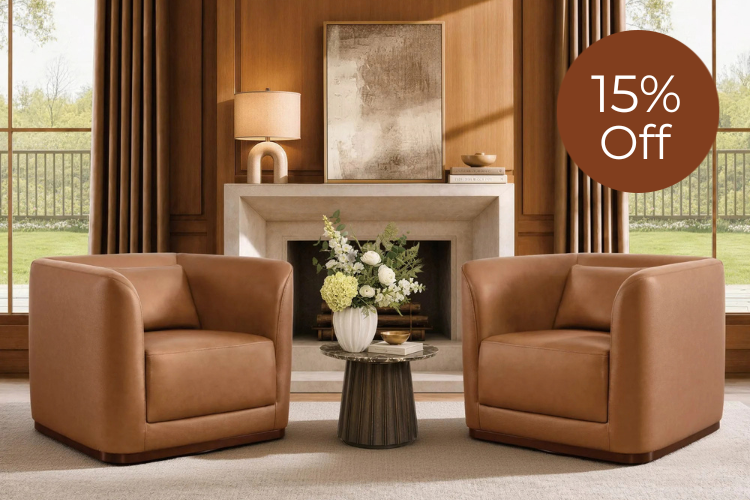
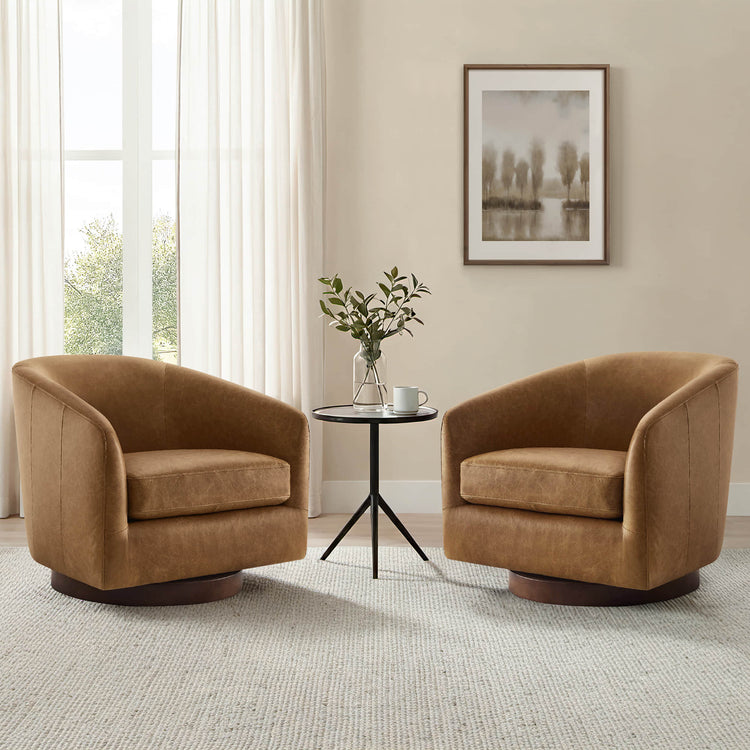
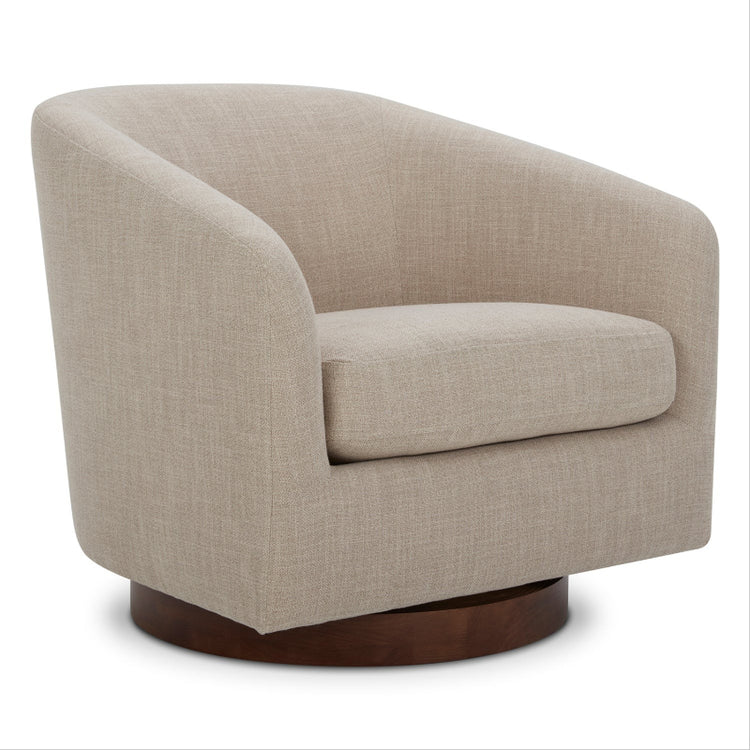
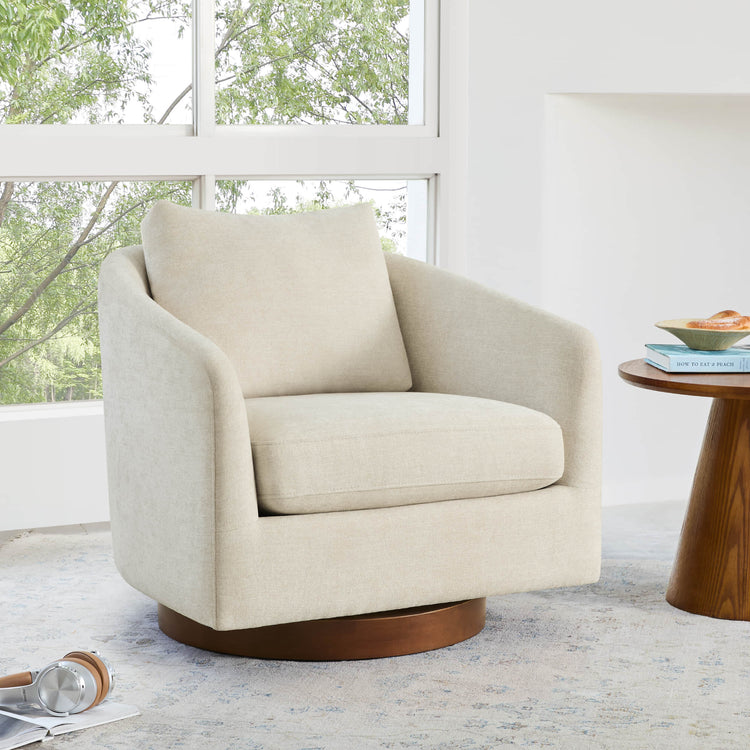
The best reading nook feels edited. Every added piece should have a clear job, and anything that does not help the reading habit should be left out. A swivel accent chair can be a smart fit here because it lets you face the window, the lamp, or the bed without needing to drag the whole chair around.
If you want a layout example that stays focused on placement rather than excess decor, see How to Position Accent Chairs in Living Room?. The useful idea is simple: keep the corner functional first, then style it.
Choose Materials That Fit Daily Use
- Upholstery should feel inviting for long reading sessions, but it also needs to match how often the nook will be used. A chair you use daily should feel easy to settle into, not just photogenic.
- Colors and textures should work with the bedroom palette so the corner looks intentional. If the finish clashes with the bed, rug, or drapery, the nook can feel added later rather than part of the room.
- If coffee, pets, or stacked books are part of the routine, easier-care upholstery is usually the safer choice. You do not need a delicate fabric to make a bedroom feel cozy.
- Shape matters too. Rounded backs, softer arms, and upholstered surfaces usually read as more relaxed, while sharper lines feel more architectural and deliberate.
For readers comparing seat styles, Understanding Accent Chairs Types and Factors to Consider When Choosing is a useful background resource. It helps if you want to compare the role of shape, comfort, and maintenance before narrowing to one look.
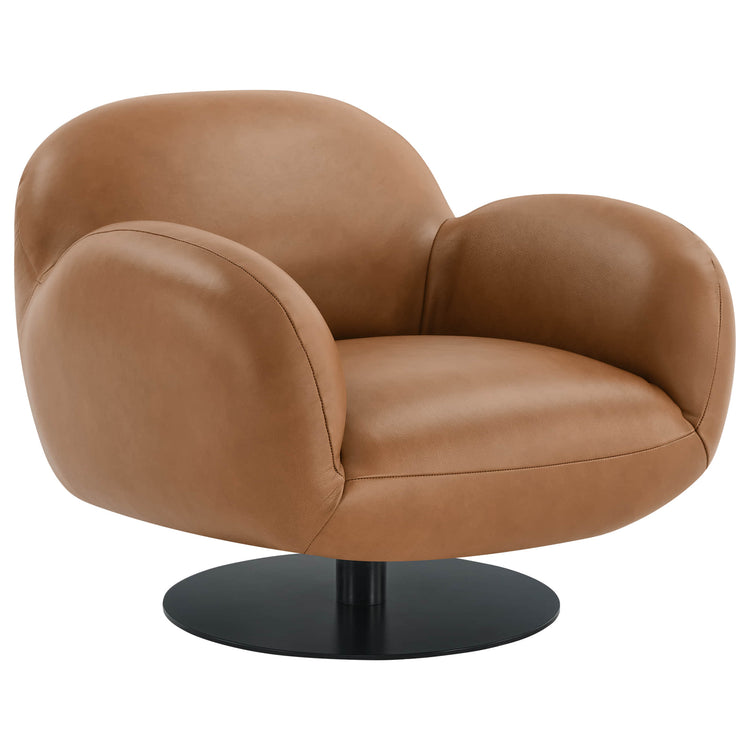
The Lauren Feather Filled Swivel Oversized Armchair can be a browsing option if you want a roomier, softer silhouette, but only if the room can support that visual weight. In a compact nook, a smaller or slimmer chair is usually the better fit.
A good material choice should make the nook easier to use, not just prettier. If the surface, color, or scale makes the chair feel fussy, hard to clean, or too large for the room, it is probably the wrong match for daily reading.
Finish With a Buy-Ready Checklist
- Confirm the chair matches your most common reading posture, not just your favorite room photo.
- Recheck the room measurements with the chair, table, and lamp together.
- Make sure the corner still feels easy to pass by and does not block doors or storage access.
- Choose a style that fits the bedroom instead of competing with it.
- Review shipping, returns, and warranty details before checkout, especially for larger seating.
The Nashville Collection Accent Chair and Chairs On Sale are practical places to keep shopping if you are comparing styles or trying to stay within budget. If the chair only works when the room is empty, it is probably not the right reading-corner piece.
The fastest way to avoid regret is to ask one last question: does this chair help you read longer, sit more comfortably, and keep the room open? If the answer is yes, the setup is probably ready. If not, step down in size or simplify the corner before you buy.
Bedroom Reading Corners That Actually Work
The best bedroom reading corner fits the way you read, the space you have, and the look of the room. Start with posture, then check scale, then add only the pieces that earn their place. That approach keeps the nook comfortable without turning the bedroom into a crowded showroom.
Related Resources
- How to Choose a Recliner for Bedroom Use: A Complete Guide
- Accent Chairs: Welcoming Personality And Purpose Into Any Space
- Lounge Accent Chairs: The Best Picks for Comfort and Aesthetics
- Liora Modern Swivel Accent Chair
- Bedroom Furniture & Cozy Decor
- Tub Swivel Accent Chairs
- Decoding Upholstery Standards: The 2026 Guide to Performance Fabric Durability
Recommended Products

More to Read
 7 Sofa Trends That Actually Improve Comfort in 2026
Upgrade your living room with furniture that supports your body. Here are 7 modern sofa features designed to maximize your daily comfort...
7 Sofa Trends That Actually Improve Comfort in 2026
Upgrade your living room with furniture that supports your body. Here are 7 modern sofa features designed to maximize your daily comfort...
 Mother's Day Gift Guide: Cozy and Stylish Furniture Picks for Modern Moms
Make Mother's Day more meaningful with furniture gifts that bring comfort, smart features, storage, and quiet luxury into her everyday routine.
Mother's Day Gift Guide: Cozy and Stylish Furniture Picks for Modern Moms
Make Mother's Day more meaningful with furniture gifts that bring comfort, smart features, storage, and quiet luxury into her everyday routine.
 Performance Fabric Reality Check: Does It Really Repel Pet Hair and Stains?
Performance fabric is often marketed as a miracle solution for homes with pets and kids, but the reality is more nuanced. It...
Performance Fabric Reality Check: Does It Really Repel Pet Hair and Stains?
Performance fabric is often marketed as a miracle solution for homes with pets and kids, but the reality is more nuanced. It...