


























The Ultimate 2026 Guide to Wall-Hugger Recliners for Small Spaces
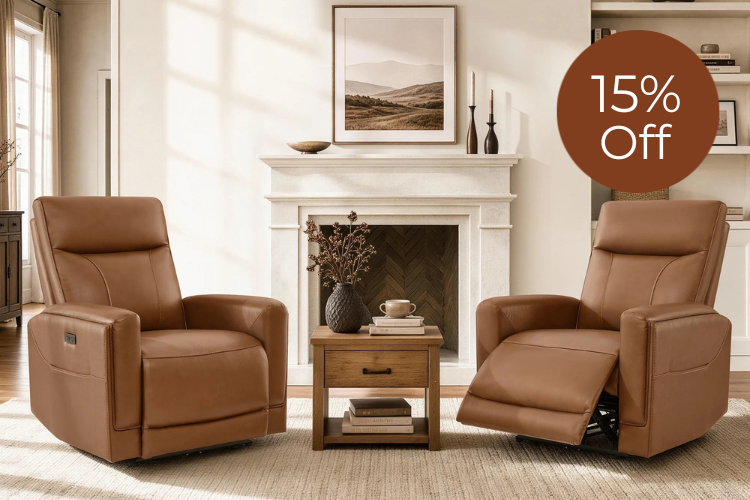
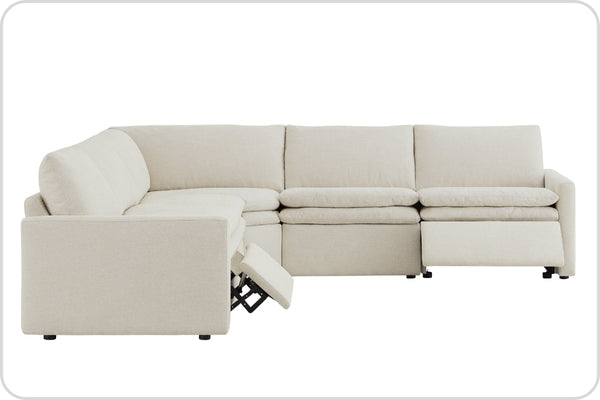
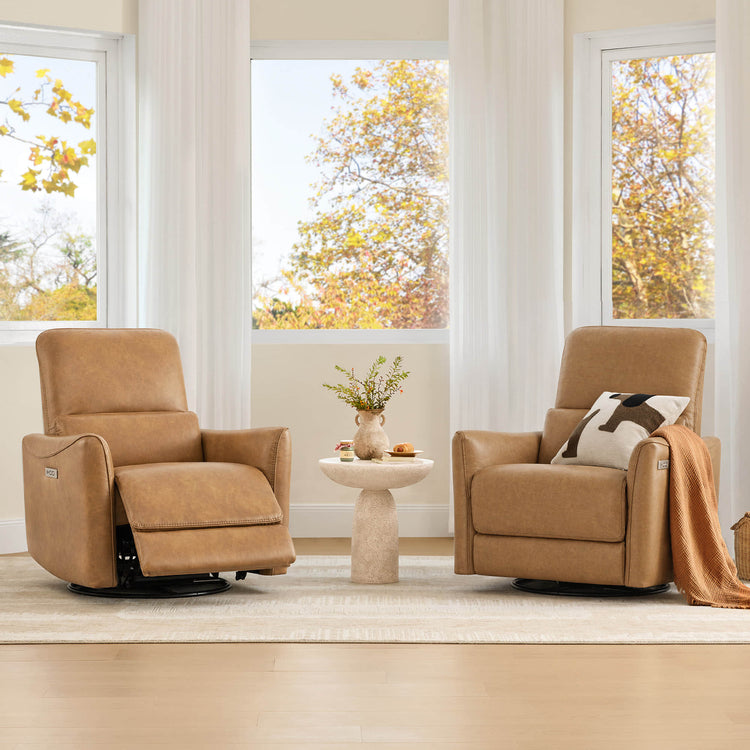
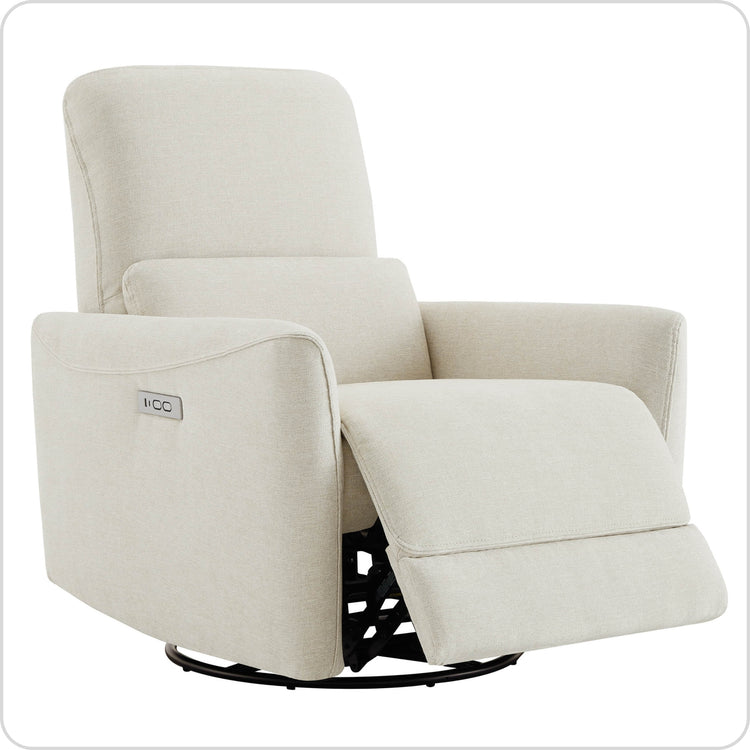
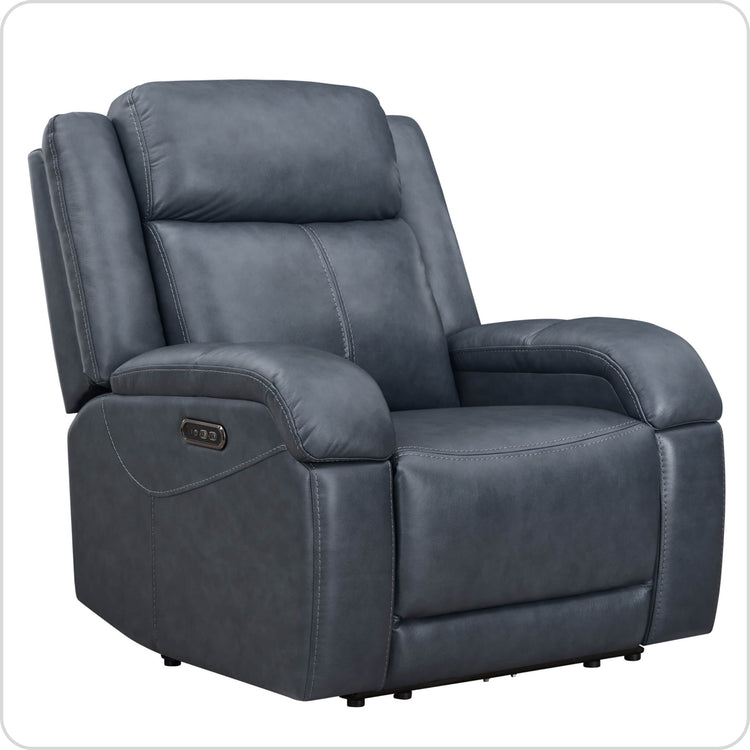
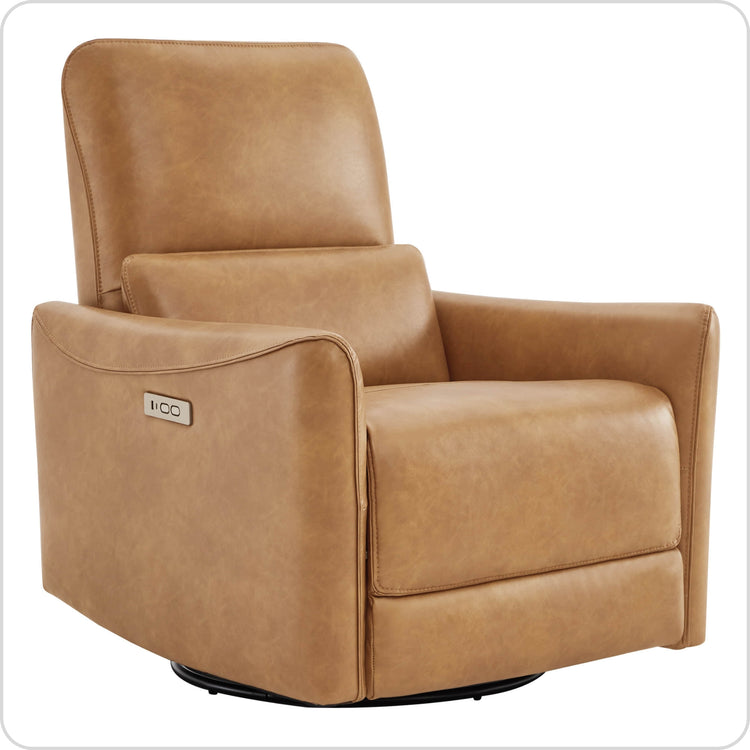
Wall-hugger recliners solve a common frustration for apartment dwellers and owners of narrow living rooms: they deliver full recline comfort while needing far less space behind the chair than traditional models. Instead of the 12-18 inches most recliners demand to lean back safely, wall-huggers typically require only 2-6 inches of rear clearance by sliding the seat forward as you recline. This design preserves walkways and lets you place furniture closer to the wall, but the real decision depends on your room's front clearance and traffic flow, not just the rear gap.
Related Small-Space Furniture Guides
- Wall-Hugger Recliner Clearance: The Small Space Guide
- Zero Gravity & Wall-Hugger Recliners: Ultimate Comfort for Small Spaces
- Big Comfort, Small Footprint: The Best Power Recliners for Apartments and Cozy Rooms

The Wall-Hugger Advantage: Saving 12+ Inches of Floor Space
Wall-hugger recliners, sometimes called wall-away models, prioritize small-space efficiency by minimizing rear travel. As noted in industry recliner placement tips, standard recliners often need 12 to 18 inches between the chair back and the wall, whereas wall-huggers typically operate within a 2 to 6-inch range. That difference can translate into roughly 10-12 inches of reclaimed floor space in the center of the room, making the layout feel noticeably more open.
The mechanism works by pushing the seat forward on a track as the back tilts, so the chair avoids swinging into the wall. This makes wall-huggers especially practical for apartments where every inch counts. However, the space savings come with a trade-off: the chair's front extension becomes more important. If your room lacks approximately 30-36 inches of clear floor space in front, the footrest may collide with a coffee table or block the only walkway.
A common pattern we observe is buyers assuming any "space-saving recliner" will solve tight-room problems, but the benefit only materializes when the full active footprint fits. Check your front clearance first. If that space is already tight, even a high-quality wall-hugger recliner for apartments may not improve overall usability.
Zero-Wall vs. Wall-Hugger: Understanding the 2026 Space-Saving Spectrum
Zero-wall recliners represent the next step in the spectrum. These models, such as the Isaac Zero Wall-hugger Power Recliner with Cup Holder, use dual-motor systems that eliminate nearly all rear movement. While manufacturers often market them as requiring zero inches of clearance at rest, practical use usually benefits from a 2-4 inch safety gap to accommodate power cords, baseboards, and proper ventilation.
Active Footprint for Full Recline: Standard vs Wall-Hugger vs Zero-Wall
Compare the rear clearance each recliner style typically needs, then read the total active footprint against a narrow-room walkway target. In small apartments, the key question is not just rear gap—it is whether the full recline zone still leaves usable traffic space.
View chart data
| Category | Rear clearance | Chair depth | Front extension | Total active footprint | Narrow-room threshold |
|---|---|---|---|---|---|
| Standard recliner | 15 | 40 | 33 | 88 | 80 |
| Wall-hugger recliner | 4 | 40 | 33 | 77 | 80 |
| Zero-wall recliner | 2 | 40 | 33 | 75 | 80 |
Based on typical 2026 manufacturer specs and design guidelines from Emily Henderson and Keck Furniture; actual dimensions vary by model.
When visualizing the active footprint—the combined rear clearance, chair depth, and front extension—it becomes clear that while wall-hugger and zero-wall designs reduce rear space demand, the total footprint remains substantial. In rooms under 10 feet deep, the front extension often determines whether the chair feels compact or oversized. Zero-wall models like the Keni Wall Hugger Power Recliner with Power Headrest or Oliver Power Recliner Sofa Chair minimize rear travel effectively, but we recommend allowing a small practical gap to avoid cord or trim interference.
The Active Footprint: Measuring for Motion, Not Just Placement
Successful installation starts with measuring the "active footprint" rather than static dimensions. Begin at the wall and add the estimated rear clearance (2-6 inches for wall-huggers, closer to 0-4 inches for zero-wall), the chair's depth when upright (typically around 40 inches), and the front extension needed for the footrest (30-36 inches in most 2026 models). The sum reveals your true spatial requirement.
Next, verify walkway space. Design experts often recommend 30-36 inches for comfortable traffic flow, though a minimum of 18-24 inches is often the reality in tight apartments, according to standard living room design rules. Measure from the fully reclined footrest to the nearest obstruction. If that remaining path falls below 18 inches, the recliner will likely block movement even if it never touches the wall.
Doorway fit matters equally for apartment residents. Measure the narrowest entry point—often 30-36 inches—and compare it against the recliner's boxed dimensions. Many buyers overlook this step and face delivery issues or restocking fees after unboxing. Our reclining sofas collection lists minimum door widths clearly to help you check before purchase.

Small-Space Layout Strategies: Preserving Walkways and Traffic Flow
Placement strategy matters more than mechanism type in narrow rooms. In a single-traffic-lane living room, position the recliner so the extended footrest does not obstruct the primary walkway. Corner placement works well for swivel models, but you must verify the rotation arc stays clear of walls or side tables to prevent damage or startling bumps.
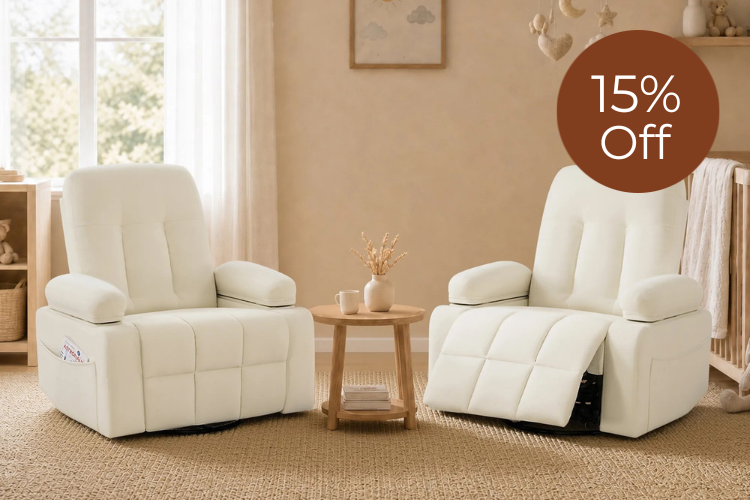
For small-space nurseries or bedrooms, choosing the right accent recliner requires careful cord management and outlet proximity. Zero-wall designs shine here because their minimal rear travel lets you keep the chair near a wall outlet without excessive extension cords. Still, plan the power path early—thick plugs can add 2-3 inches to the effective clearance.
Additional scenarios, including angled layouts that maximize swivel range while preserving flow, are explored in our 2026 guide to wall-hugger recliners. In every case, test the motion mentally: if the reclined chair reduces your walkway below 18 inches or forces you to step over the footrest, consider a different configuration or a non-reclining accent chair instead.
The Small-Space Checklist: Avoiding Common Recliner Buying Mistakes
Before finalizing your purchase, run through these friction points that frequently cause regret for apartment buyers:
- Cord and outlet planning: Power models need an outlet within reach. A zero-wall recliner placed flush may leave no room for the plug, forcing you to pull the chair forward and potentially losing the space-saving benefit.
- Swivel functionality: Adding swivel increases the active footprint. Confirm the full rotation arc fits your layout, especially in nurseries where sudden wall contact can damage paint.
- Return policy awareness: Many retailers charge a restocking fee on opened furniture. Keep boxes intact until you confirm fit, as small-space storage for packaging can be a challenge.
- Sizing to user height: Petite users often feel lost in large recliners, while taller users may lose lumbar support in compact models. Match seat depth and height to the primary user for ergonomic comfort.
The final decision framework is straightforward: fit the motion first (front clearance and walkway), then optimize for the wall. If your room cannot provide 30-36 inches in front plus an 18-inch preserved path, a wall-hugger recliner may not be the right choice regardless of its rear profile. In those situations, explore our manual recliner collection or non-reclining options from the leather recliners lineup that prioritize static footprints.
Frequently Asked Questions
How much clearance does a wall hugger recliner really need behind it in 2026? Most wall-hugger models require 2-6 inches, while true zero-wall designs claim 0-4 inches with a practical safety gap for cords and baseboards. Always verify the specific model's specifications rather than relying solely on marketing terms.
Will a wall-hugger recliner fit through a standard apartment doorway? It depends on the boxed dimensions. Measure your narrowest entry (commonly 30-36 inches) and compare against the product's minimum door width spec. Some larger models may require partial disassembly.
Is a zero-wall recliner better than a standard wall-hugger for very small rooms? Zero-wall mechanisms reduce rear travel the most, making them preferable when every inch behind the chair matters. However, they still need front clearance and walkway space, so they are not automatically superior in every narrow layout.
Can I place a wall-hugger recliner against a wall with baseboards or outlets? A small gap (2-4 inches) is usually necessary to accommodate baseboard trim and power plugs. Positioning the outlet slightly away from the exact placement point helps maintain the tight-to-wall appearance without pinching cords.
What should I measure first before buying a compact recliner for a narrow living room? Measure the active footprint: rear clearance needed, chair depth, front extension for the footrest, and the remaining walkway space when fully reclined. Front clearance and traffic flow often prove more limiting than the rear wall gap.
Do power wall-hugger recliners require more clearance than manual ones? Power models may need a slightly larger practical gap for motor ventilation and cord routing, but the difference is usually only 1-2 inches. Battery-powered options emerging in 2026 can eliminate cord friction entirely in some layouts.
Recommended Products

More to Read
 7 Sofa Trends That Actually Improve Comfort in 2026
Upgrade your living room with furniture that supports your body. Here are 7 modern sofa features designed to maximize your daily comfort...
7 Sofa Trends That Actually Improve Comfort in 2026
Upgrade your living room with furniture that supports your body. Here are 7 modern sofa features designed to maximize your daily comfort...
 Mother's Day Gift Guide: Cozy and Stylish Furniture Picks for Modern Moms
Make Mother's Day more meaningful with furniture gifts that bring comfort, smart features, storage, and quiet luxury into her everyday routine.
Mother's Day Gift Guide: Cozy and Stylish Furniture Picks for Modern Moms
Make Mother's Day more meaningful with furniture gifts that bring comfort, smart features, storage, and quiet luxury into her everyday routine.
 Performance Fabric Reality Check: Does It Really Repel Pet Hair and Stains?
Performance fabric is often marketed as a miracle solution for homes with pets and kids, but the reality is more nuanced. It...
Performance Fabric Reality Check: Does It Really Repel Pet Hair and Stains?
Performance fabric is often marketed as a miracle solution for homes with pets and kids, but the reality is more nuanced. It...