









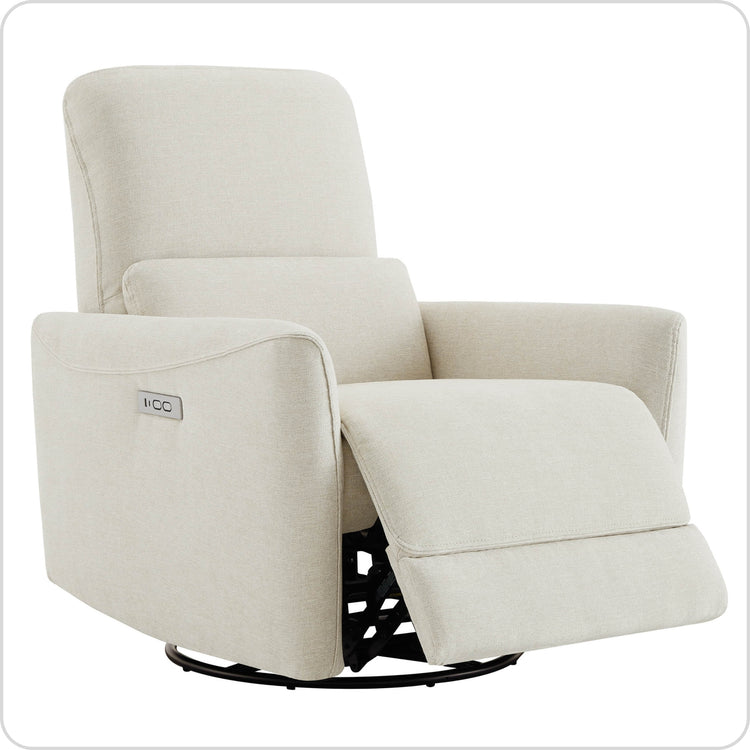
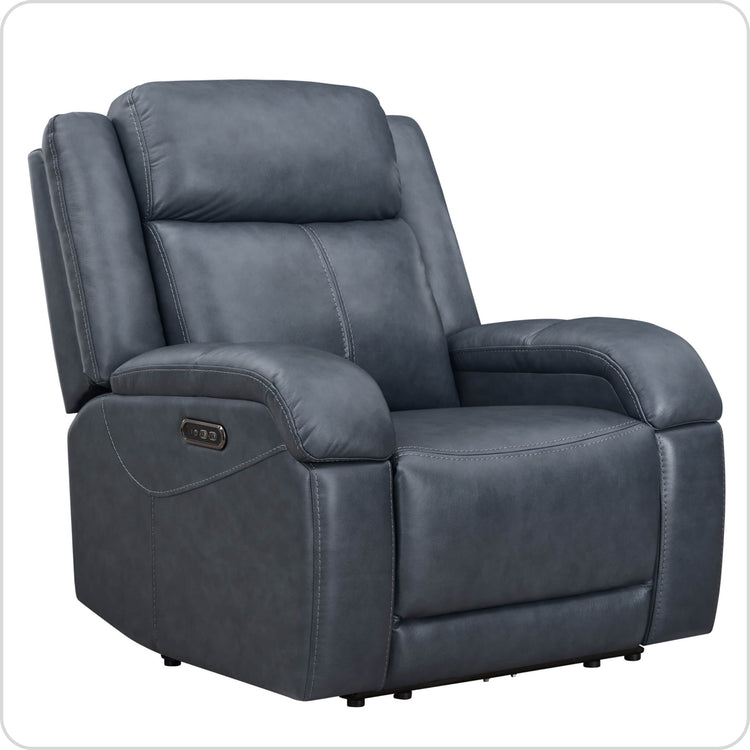
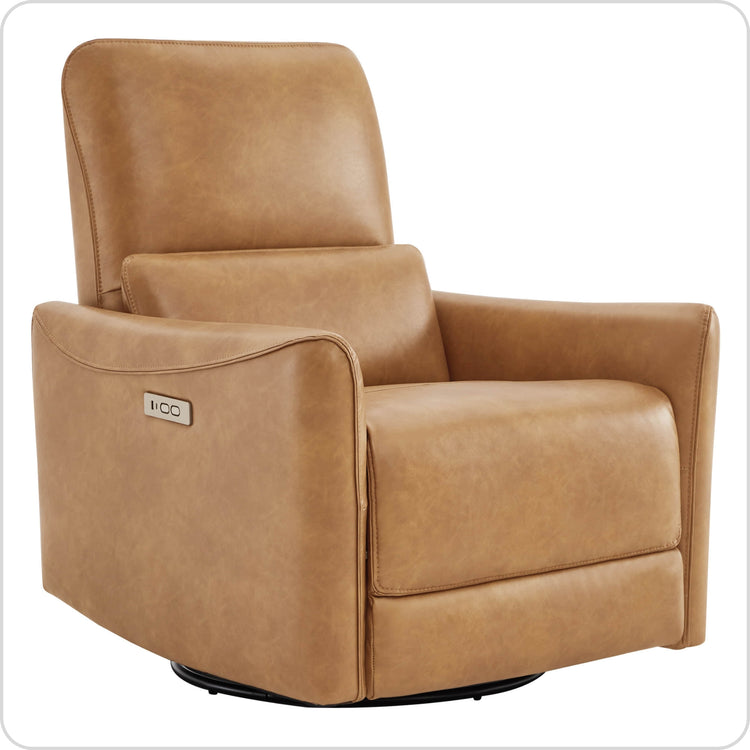



















Lift chairs and zero-gravity recliners have evolved from basic seating into modern wellness infrastructure that supports safe mobility, pressure relief, and daily recovery while blending into stylish living rooms. The primary decision depends on your main need: choose a lift chair recliner if standing up safely is difficult, or a zero-gravity recliner if independent standing is not an issue but decompression and back tension relief matter more. Checking your room layout and dexterity for remote controls first helps avoid common setup regrets.

What Is a Zero-Gravity Recliner? The Science of Weightless Support
Zero-gravity recliners position the body in a way that distributes weight evenly and reduces pressure on the spine and organs. This design draws directly from NASA research on Neutral Body Posture, which identified a natural reclining angle that minimizes the effects of gravity on the body.
In practical terms, the chair elevates the legs slightly above heart level while tilting the torso back. This creates a near-weightless sensation that contrasts with standard recliners, which mainly tilt backward without the same full-body decompression. For many users in living rooms or recovery areas, the result is reduced spinal compression during extended sitting or resting periods.
The position can feel dramatically different from a typical lounge chair because it aligns the thighs and torso at an angle that unloads the lower back. This makes zero-gravity recliners particularly relevant for people seeking recovery support after long days, though results vary by individual posture and usage duration.
The Role of Lift Chair Recliners in Mobility and Home Safety
Lift chair recliners use a motorized base that gently raises the seat to help users transition from sitting to standing. This mechanical assistance can reduce strain during daily movements and support those aging in place.
According to the FDA Product Classification database, power lift chairs are recognized as Class II medical devices intended to provide mobility assistance. The National Institute on Aging also highlights how home modifications that aid standing can lower fall risk and ease caregiver burden.
Beyond the lift function, many models include power recline, adjustable headrests, and handheld remotes that simplify operation for seniors or those with limited dexterity. These features turn the chair into a practical tool for maintaining independence without requiring a clinical-looking medical device in the living room.
Choosing Your Support: Lift Chairs vs. Zero-Gravity Recliners
The key threshold is whether your primary challenge is standing safely or achieving deep pressure relief. If getting out of a chair feels unsafe or painful, a power lift recliner for seniors usually provides the most direct help. When standing is not the main issue but back tension or swelling is, a zero gravity recliner for back pain often delivers better decompression.
Both types offer leg elevation that, per Cleveland Clinic guidance, can support better circulation and help reduce lower-extremity swelling. However, the zero-gravity angle typically provides stronger spinal unloading, while the lift mechanism focuses on safe transitions.
Control preferences also matter. Lift models often use simple handheld remotes that are easier for limited dexterity, whereas some zero-gravity options include more advanced touch panels or app integration. Wall-hugger designs in either category save space in smaller rooms by requiring less clearance behind the chair.
Lift Chairs vs Zero-Gravity Recliners: Recovery and Mobility Support
Tiered comparison of chair fit for recovery vs. mobility support under typical home setups.
View chart data
| Category | Lift Chair | Zero-Gravity Recliner |
|---|---|---|
| Standing Assistance | 3.0 | 1.0 |
| Spinal Decompression | 1.0 | 3.0 |
| Circulation/Leg Elevation | 3.0 | 3.0 |
| Aesthetic Integration | 2.0 | 2.0 |
Built from NASA neutral-body-pressure guidance, FDA Class II mobility context, Cleveland Clinic circulation guidance, and typical setup assumptions for modern home seating.
This chart helps visualize the mobility-versus-recovery trade-off using safe tiers derived from official guidance and typical home use. Lift chairs rate higher where standing assistance is needed, while zero-gravity models excel in spinal decompression. Both perform similarly for circulation and modern aesthetics.
Health Benefits: From Circulation to Spinal Relief
Leg elevation in both lift chairs and zero-gravity recliners can improve blood flow and reduce swelling by positioning the legs above heart level. The Cleveland Clinic notes this simple action supports natural circulation, which many users find helpful during long sitting sessions or post-activity recovery.
Zero-gravity positioning further aligns the spine to lessen lumbar pressure, offering a heuristic sense of relief for those experiencing back tension. Many models add power lumbar support and adjustable headrests that help prevent the common “slouch trap” that occurs in standard seating. Features such as integrated heat can also ease muscle stiffness and promote comfort without clinical claims.
These benefits work best when matched to the user’s actual needs. For example, someone recovering from surgery may prioritize full recline and easy-clean materials, while daily TV viewers might value consistent lumbar support and a remote that requires minimal grip strength.

Integrating Wellness Furniture into a Modern Living Room
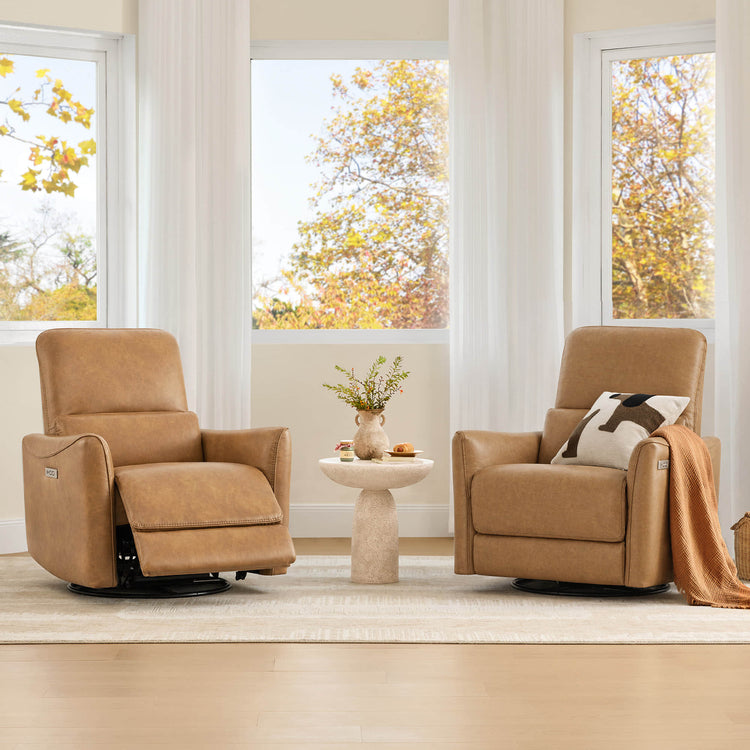
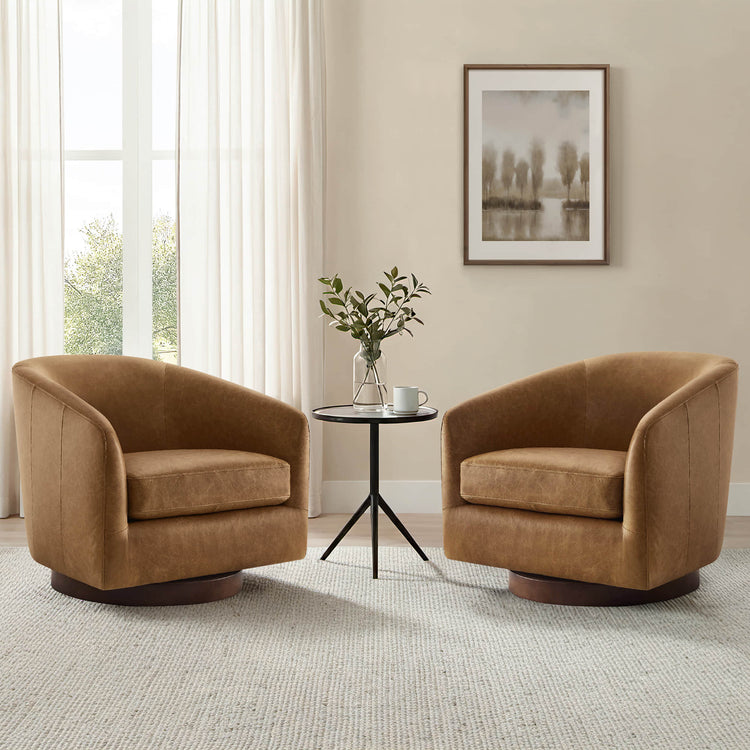
Wellness seating no longer needs to resemble medical equipment. Contemporary designs with top-grain leather, clean lines, and hidden motors allow lift chair recliners and zero-gravity models to blend into living rooms as stylish accent furniture. This shift addresses the common friction of wanting functional support without a clinical appearance.
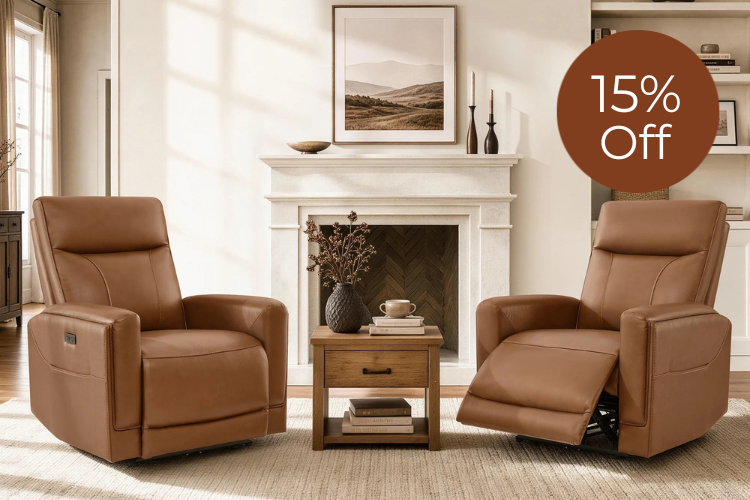
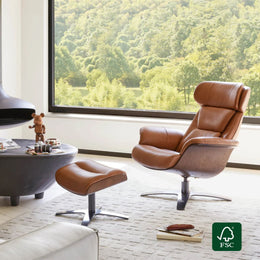
Wall-hugger mechanisms are especially useful in apartments or shared family spaces because they require only a few inches of clearance to fully recline. Models like the Isaac Genuine Leather Lift Assist Recliner With Power Headrest or the Leif Super Zero Gravity Power Leather Recliner illustrate how premium materials and compact footprints maintain a furniture-first aesthetic.
Our guide on Why Choose a Wall Hugger Recliner or Sofa for Small Spaces? explores how these space-saving designs preserve room flow while delivering wellness features. Similarly, Are Modern Recliner Chairs Good for Seniors? reviews how updated styling and controls improve daily usability without sacrificing looks.
Finding the Right Fit: A Decision Guide for Home Recovery
Begin by assessing standing ability and room constraints. If balance or strength makes rising from a seat difficult, prioritize a power lift recliner with a handheld remote. For those who stand independently but want decompression, a zero-gravity recliner usually suffices.
Weight capacity is another practical check—most quality models support up to 350 pounds, but confirm the exact rating matches your needs. Material choice involves trade-offs: genuine leather offers luxury and easy cleaning, while performance fabrics provide breathability and durability for households with pets or children.
Space planning prevents disappointment. Measure for full recline depth or select wall-hugger versions if clearance is limited. Dexterity also matters—test whether integrated buttons or a large remote feels easier to use. Our article on Recliner Functions 101: A Comprehensive Guide details how power features and heat settings affect real-world comfort.
For broader selection, browse the Recliners Limited Time Sale or the Skyline Zero Gravity Power Reclining Sofa Collection to see how these wellness options fit different budgets and layouts. Reading Are Recliners Good for Lower Back Pain? can clarify additional positioning considerations before purchase.
Frequently Asked Questions
Do Lift Chairs and Zero-Gravity Recliners Require Professional Assembly?
Most models arrive with straightforward instructions and can be assembled by two people in under an hour using basic tools. Wall-hugger and power versions may need careful placement of the base, but manufacturers typically include clear diagrams. If dexterity is limited, many retailers offer white-glove delivery.
Can Zero-Gravity Recliners Help with Edema in Addition to Back Tension?
Yes, the elevated-leg position in zero-gravity models supports circulation similarly to lift chairs. Users with mild swelling often notice comfort from the heart-above-legs angle during evening use, though individual results depend on overall health habits and how long the position is maintained.
Are Handheld Remotes Easier for Seniors Than Integrated Side Controls?
Handheld remotes generally win for users with arthritis or reduced grip strength because they allow operation from any angle without reaching into the chair’s side panel. Some newer models add large-button or voice options, but testing the remote in person remains the best self-check.
How Much Space Do Wall-Hugger Lift Chairs Actually Save?
Wall-hugger designs typically need only 3–6 inches of clearance behind the chair compared with 12–18 inches for standard recliners. This difference lets many users place the chair closer to walls or in tighter living-room arrangements without sacrificing full recline.
Should I Choose Leather or Fabric for a Recovery-Focused Chair?
Leather offers easier cleaning after spills or extended use and often feels cooler in warm rooms, while performance fabrics resist stains and provide more breathability. The decision usually comes down to lifestyle—leather for easy maintenance, fabric for families with children or pets.
Do These Chairs Work Well in Shared Family Living Rooms?
Modern designs with neutral colors, slim profiles, and hidden mechanisms allow wellness recliners to serve as primary seating without dominating the décor. Choosing a model that matches existing furniture finishes helps it function as both recovery support and everyday family seating.
Recommended Products


More to Read
 7 Sofa Trends That Actually Improve Comfort in 2026
Upgrade your living room with furniture that supports your body. Here are 7 modern sofa features designed to maximize your daily comfort...
7 Sofa Trends That Actually Improve Comfort in 2026
Upgrade your living room with furniture that supports your body. Here are 7 modern sofa features designed to maximize your daily comfort...
 Mother's Day Gift Guide: Cozy and Stylish Furniture Picks for Modern Moms
Make Mother's Day more meaningful with furniture gifts that bring comfort, smart features, storage, and quiet luxury into her everyday routine.
Mother's Day Gift Guide: Cozy and Stylish Furniture Picks for Modern Moms
Make Mother's Day more meaningful with furniture gifts that bring comfort, smart features, storage, and quiet luxury into her everyday routine.
 Performance Fabric Reality Check: Does It Really Repel Pet Hair and Stains?
Performance fabric is often marketed as a miracle solution for homes with pets and kids, but the reality is more nuanced. It...
Performance Fabric Reality Check: Does It Really Repel Pet Hair and Stains?
Performance fabric is often marketed as a miracle solution for homes with pets and kids, but the reality is more nuanced. It...