
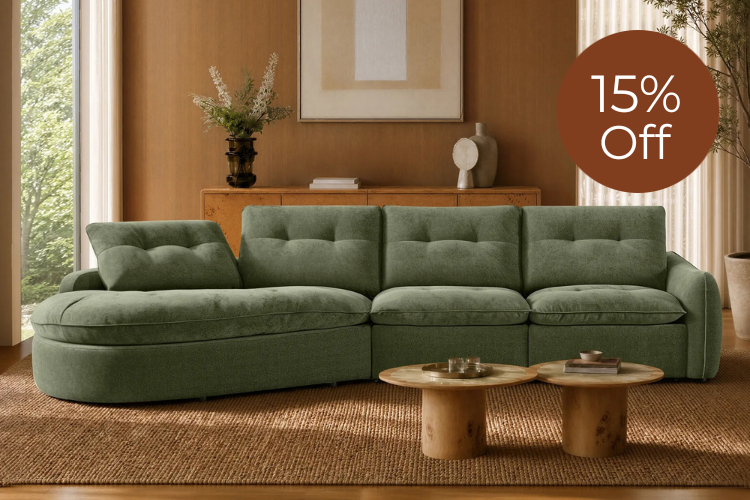
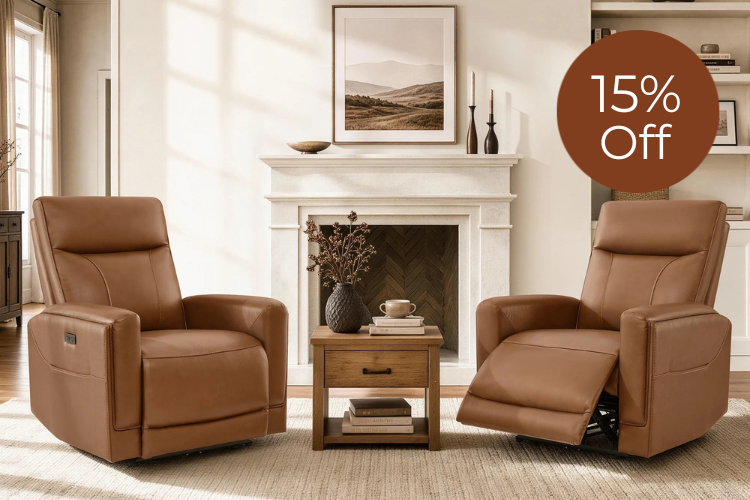
























The 2026 Master Guide to Power Reclining Sectionals: Engineered Comfort Meets Modern Design
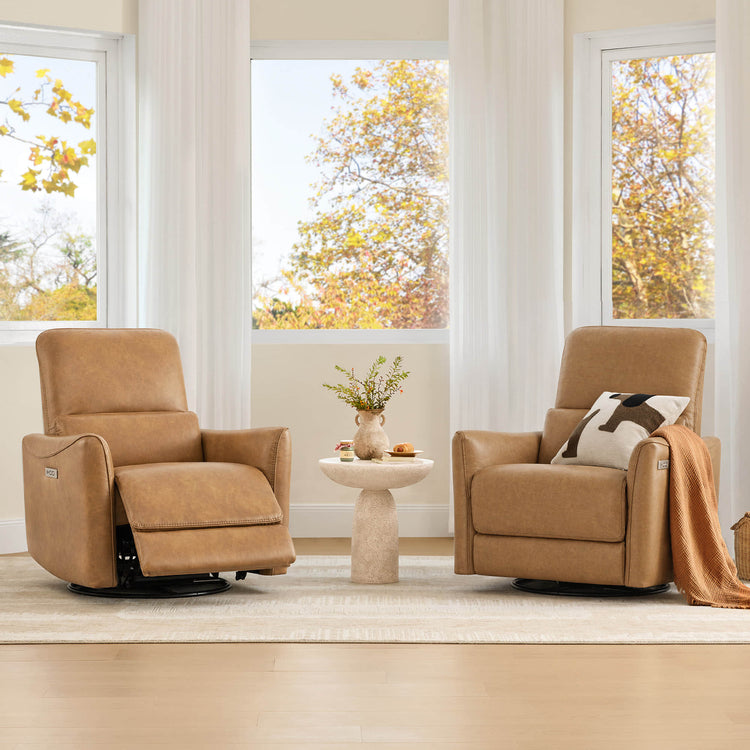
Power reclining sectionals have evolved from bulky, obvious recliners into sleek, modular systems that deliver engineered comfort while preserving modern aesthetics and room flow. The key is evaluating motion footprint, material durability, and hidden tech features rather than showroom plushness alone, especially for families, pet owners, and open-concept homes.
Related Guides
- The 2026 Guide to Modular Power Reclining Sectionals: Flexibility Meets Engineered Comfort
- Hidden Tech: The Best Power Recliner Features You Didn't Know You Needed
- Big Comfort, Small Footprint: The Best Power Recliners for Apartments and Cozy Rooms
- Pet-Proof Luxury: How to Choose a Power Recliner That Survives Claws and Paws

The Evolution of Power Reclining Sectionals: Invisible Tech and Feature-Density
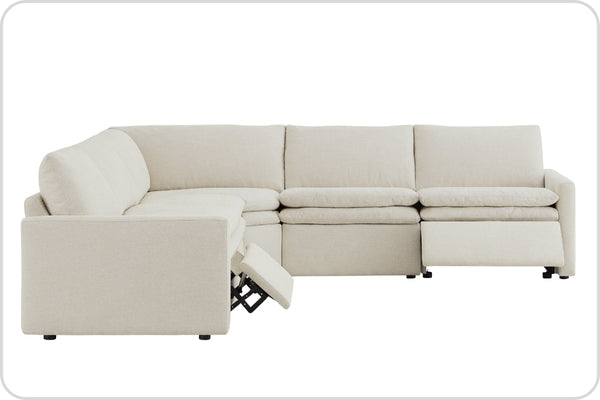
Today's power reclining sectional sofas integrate motors, USB-C charging ports, and adjustable headrests without disrupting clean lines. This "invisible tech" approach lets the furniture serve as a high-design centerpiece rather than a mechanical device. Modular designs further enhance flexibility, allowing buyers to configure pieces that adapt to changing room needs or lifestyles while maintaining a premium look.
The shift from manual to power mechanisms reflects growing demand for precision control. Dual-motor systems, for instance, let users adjust the footrest and headrest independently, supporting better ergonomic alignment across different recline positions. This matters most in family rooms used for extended TV watching or lounging, where fixed headrests can lead to neck strain over time.
For those exploring options, our guide on recliners that don't look like recliners details how high-tech comfort can blend seamlessly with contemporary interiors.
Engineering Comfort: Decoding Motors, Foam, and Safety Standards
What truly separates engineered power reclining sectionals from fast-furniture alternatives lies in the components behind the cushion. Dual-motor systems provide independent control of footrest and headrest, allowing personalized positioning that supports neutral spine and neck alignment rather than forcing a single posture.
Safety remains a priority for motorized furniture. As detailed in this UL 962 certification guide, power reclining sectionals should ideally meet UL 962 standards to ensure electrical safety, structural integrity, and fire resistance. This certification helps protect against hazards in everyday use, which is a significant consideration in homes with children or pets.
Durability testing further separates quality builds. According to the BIFMA standards overview, lounge seating like reclining sectionals is often evaluated against ANSI/BIFMA X5.4 for fatigue resistance and load-bearing capacity under repeated use. This testing serves as a practical benchmark for long-term performance, though it is important to note that it serves as a baseline for structural integrity rather than a guarantee of specific ergonomic outcomes.
Use this Engineered Comfort Self-Check before buying:
- Does the seat maintain spinal support after 30–60 minutes, or does it create a hammock-like slump?
- Can the headrest adjust independently to preserve neutral neck position in different recline angles?
- Does the manufacturer reference BIFMA X5.4 or equivalent testing for the frame and mechanisms?
- Would the piece still feel supportive after two hours of use, or only during the initial showroom test?
These checks shift focus from initial softness to long-term ergonomic support, helping avoid the "slouch trap" common in overly soft designs.
Layout and Flow: Planning Your Motion Footprint
Choosing the right power reclining sectional sofa requires thinking beyond static dimensions to the full motion footprint each seat creates when reclined. This "motion envelope" often determines whether a layout preserves comfortable traffic flow or creates daily obstacles.
Zero-wall mechanisms significantly reduce the rear clearance needed, allowing the sofa to sit closer to walls. However, the forward recline arc still occupies space, so zero-wall does not equal zero clearance. In smaller rooms or apartments, this feature helps maximize usable floor area without damaging walls.
A common interior design recommendation is maintaining approximately 30–36 inches of clearance for primary walkways. Anything narrower risks turning the sectional into a circulation barrier when seats are extended.
L-shaped configurations generally route traffic more easily around the open end, while U-shaped designs can create more enclosed spaces that demand larger rooms to avoid feeling cramped. Modularity helps with initial delivery and future reconfiguration, yet each seat's recline arc still needs individual mapping.
This chart visualizes clearance risk across common room sizes and shapes:
Sectional Layout Clearance Risk by Room Size, Shape, and Recline Mechanism
A decision aid for comparing static footprint and recline motion footprint against typical 30–36 inch circulation needs in open-plan rooms.
View chart data
| Category | Zero-wall | Standard |
|---|---|---|
| 12x15 ft L-shape | 2 | 3 |
| 12x15 ft U-shape | 3 | 3 |
| 15x20 ft L-shape | 1 | 2 |
| 15x20 ft U-shape | 2 | 3 |
| 18x24 ft L-shape | 1 | 2 |
| 18x24 ft U-shape | 2 | 3 |
Built from bounded planning assumptions: 30–36 inch walkway guidance, zero-wall rear clearance near 3–6 inches, and scenario-matrix judgment that L-shapes route more easily while U-shapes require more circulation room; risk levels reflect typical motion footprint, not exact measured inches.
The Motion-Clearance Scenario Matrix helps flip the decision: prioritize zero-wall L-shapes in smaller or transitional spaces, but verify U-shapes only when room dimensions comfortably exceed motion demands. For more on arranging multiple pieces, see our guide to mastering the layout for recliners, sofas, and TV stands.

Material Science: Pet-Proof Fabrics and Performance Durability
Material choice often determines long-term satisfaction more than cushion feel. For homes with pets or high traffic, abrasion resistance provides a clear benchmark. Look for performance fabrics rated at least 50,000 Wyzenbeek double rubs, as this ACT performance guidelines page establishes as a standard threshold for high-traffic residential use.
The "Bouclé Pet Dilemma" illustrates a common trade-off. While the textured look appeals to modern design tastes, looped yarns are vulnerable to snags from cat claws. Tighter weaves such as performance velvet or top-grain leather generally offer better mechanical durability against scratching, though they trade some tactile softness.
Performance claims also require scrutiny around chemical treatments. Many stain-resistant fabrics use topical coatings; it is a safe assumption that PFAS may be present unless the manufacturer explicitly states the product is "PFAS-free." Cleaning codes matter too—Code W (water-based) fabrics are usually easier for households with spills or pets than Code S (solvent-only) options.
Our comparison of performance fabric vs leather for recliners explores these trade-offs in greater depth, including maintenance realities for families.
The Logistics of Luxury: Modular Delivery and Assembly Friction
Modular power reclining sectionals solve many entry problems for apartments and homes with tight hallways, yet they introduce their own practical frictions. Delivery often arrives in multiple large boxes—sometimes five to eight—creating a significant amount of packaging that requires immediate disposal or storage space.
Returns present another reality check, especially for apartment dwellers. Many retailers impose a restocking fee (which can range around 20%) and may require original packaging for returns. This makes accurate pre-purchase measurement and layout planning essential to avoid costly logistical errors.
Assembly hardware also affects long-term stability. Quality modular connectors, such as robust alligator clips or U-bars, help prevent sections from drifting apart over time with repeated recline use. Checking the connector type before purchase can reduce future frustration.
For context on choosing between power and manual options, review this breakdown of power vs. manual recliners.
Finalizing Your Configuration: A Modern Buyer’s Checklist
Before committing to a power reclining sectional sofa, run through this practical checklist to align the purchase with your room, lifestyle, and expectations:
- Confirm the model meets UL 962 electrical safety standards and references BIFMA-level durability testing.
- Map the full motion footprint against your actual walkways, ensuring approximately 30–36 inches of primary clearance remains when reclined.
- Match materials to real-world use: prioritize mechanical durability (tight weaves or leather) for pets and high-traffic areas, while verifying PFAS status for chemical safety preferences.
- Evaluate delivery logistics, storage for packaging, and the exact return policy—including any potential restocking fees—before the sectional arrives.
- Consider how the configuration supports your primary activities, whether that means flexible modular seating for entertaining or a dedicated lounging layout for movie nights.
This approach helps distinguish pieces that deliver lasting value from those that look appealing only in the showroom. Explore our modular sectional sofas collection or power recliner collection to see configurations that balance these priorities.
Frequently Asked Questions
How much clearance do power reclining sectionals actually need behind them? Zero-wall designs minimize rear space to just a few inches, but always measure the forward recline arc and aim to maintain 30–36 inches for walkways to preserve room flow.
Are bouclé fabrics suitable for homes with cats or dogs? Bouclé's looped texture creates aesthetic appeal but is prone to snagging from claws. Tighter performance velvets or leathers generally provide better mechanical resistance for pet households.
What does BIFMA X5.4 testing actually tell me about a sectional? It verifies the frame and mechanisms can handle repeated use and weight loads, serving as a strong indicator of build quality compared to untested alternatives, though it does not guarantee specific long-term comfort levels.
Do power headrests make a meaningful difference? Independent power headrest adjustment helps maintain neutral neck alignment as you change recline positions, reducing the likelihood of strain during extended use compared to fixed headrests.
Is a modular power sectional difficult to assemble or move later? Modular designs ease initial delivery through doorways, but plan for significant packaging waste and verify sturdy connectors to prevent sections from drifting. Future reconfiguration is easier than with fixed sofas, provided you retain layout notes.
Recommended Products

More to Read
 7 Sofa Trends That Actually Improve Comfort in 2026
Upgrade your living room with furniture that supports your body. Here are 7 modern sofa features designed to maximize your daily comfort...
7 Sofa Trends That Actually Improve Comfort in 2026
Upgrade your living room with furniture that supports your body. Here are 7 modern sofa features designed to maximize your daily comfort...
 Mother's Day Gift Guide: Cozy and Stylish Furniture Picks for Modern Moms
Make Mother's Day more meaningful with furniture gifts that bring comfort, smart features, storage, and quiet luxury into her everyday routine.
Mother's Day Gift Guide: Cozy and Stylish Furniture Picks for Modern Moms
Make Mother's Day more meaningful with furniture gifts that bring comfort, smart features, storage, and quiet luxury into her everyday routine.
 Performance Fabric Reality Check: Does It Really Repel Pet Hair and Stains?
Performance fabric is often marketed as a miracle solution for homes with pets and kids, but the reality is more nuanced. It...
Performance Fabric Reality Check: Does It Really Repel Pet Hair and Stains?
Performance fabric is often marketed as a miracle solution for homes with pets and kids, but the reality is more nuanced. It...