

































Bouclé accent chairs can look great for years, but the looped, textured yarn that gives bouclé its signature texture is also more prone to pilling and snagging than smooth upholstery fabric. You can manage this with a short, repeatable routine: reduce friction, inspect early, treat only confirmed surface fuzz, and contain any snag until you check the chair's exact care instructions. The rest of this guide walks through each step so you know what to do before you touch the fabric.
The Shortest Care Path for a Bouclé Accent Chair
When a bouclé accent chair shows fuzz or a loose thread, follow a five-part care sequence: reduce friction, inspect the surface, select a matching tool, defuzz only confirmed fuzz, and contain any snag. The chair's exact care instructions control the process whenever fiber, finish, backing, or construction is unknown.
Start by eliminating abrasive friction and inspecting the area in clear lighting. Next, choose a tool tailored to the exact surface state, groom only loose balls of fiber rather than anchored loops, and pause if a thread pulls or spreads. Treating surface fuzz and managing an attached snag are distinct tasks, and keeping them separate protects the textured weave from accidental damage.
What Everyday Wear Can—and Cannot—Tell You About Bouclé
Bouclé's raised loops and slubs are more exposed to rubbing than a flat weave, so surface fuzz shows up sooner than it would on a smoother fabric. That does not mean every bouclé chair will pill at the same rate or need the same care.
According to CottonWorks' explanation of garment durability, pills are small balls of entangled fibers that form on a fabric's surface, and how easily they form depends on the fiber or blend, yarn and fabric construction, finishing treatments, and how the fabric gets used. In other words, pilling is not a single fixed property of the word "bouclé." Two bouclé chairs from different fabrics, finishes, or households can wear very differently. Before you assume a chair will or will not pill heavily, look at the specific fabric content and finish listed for that chair, and treat visible fuzz as a fabric-specific question rather than a universal bouclé trait.
Reduce Friction Before It Becomes Pilling or a Snag
Most pilling and snagging starts with repeated rubbing, not a single accident, so the easiest wins come from lowering everyday contact. A few household habits go a long way before you ever need a tool.

Control Repeated Contact
Keep rough throws, zippers, buttons, and sharp-edged objects like bags or remote controls away from high-contact spots such as the armrests and seat edge. Avoid dragging boxes, laundry baskets, or other items across the upholstery, since sliding contact is what raises and tangles the loops in the first place.
Treat Pet Claws as a Fit Question
If your cat kneads or scratches furniture, bouclé's looped texture can turn a normal habit into a snag-management chore. This is really a household-fit decision: weigh how often your pet interacts with furniture against the chair's exact construction, and if daily wear from pets is a real concern, our guide on how to protect fabric from daily wear covers broader friction-reduction options like covers and deterrents.
Choose Tools by Surface Condition, Not by a Universal Kit
There is no single fabric-care kit that works for every stage of bouclé wear, so match the tool to what you are actually looking at.
- A low-suction upholstery vacuum attachment, used for loose dust and debris only when the chair's cleaning instructions allow vacuuming.
- A soft-bristle fabric brush, used for gentle surface grooming only after you have confirmed it is approved for that specific upholstery.
- A pill-removal comb or battery shaver, used only after checking the chair's exact care instructions and testing it on a hidden area first, since these tools can catch or cut a loop instead of a loose pill.
- No default scissors, blades, adhesives, steam, or liquid treatments for a snag. These are not routine tools and can make a small snag larger.
How to Defuzz Bouclé Without Guessing
Removing surface fuzz safely comes down to identifying what you are looking at before you reach for a tool. Work through these steps in order rather than jumping straight to a shaver or comb.
- Inspect the spot in good light and gently press the fuzz to see if it is a loose ball sitting on top of the surface or a loop still attached to the base fabric.
- Confirm the chair's care guidance for grooming or pill removal before using any tool, since fiber, finish, and backing all affect what is safe.
- Test any approved tool on a hidden area, such as the back or underside, before using it on a visible panel.
- If the test looks fine, work lightly over the fuzzy area and stop immediately if the tool catches, tugs a loop, or changes the texture of the nap.
- Reassess after a light pass instead of repeating strokes over the same spot; repeated passing is more likely to create a new snag than to remove more fuzz.
When to Stop and Check the Chair's Instructions
Stop treating a change as ordinary surface fuzz the moment it looks attached, is spreading, or you are not sure what fiber or finish you are working with. At that point, the safest move is to check the chair's specific care instructions before cutting, shaving, gluing, steaming, or applying any liquid.
Fiber content, finish, backing, and construction all vary between chairs, even within the same general "bouclé" category, so a method that is fine on one chair can damage another. Treat this verification step as the one place you confirm details, rather than repeating it separately for every task in this guide.
What to Do When You Find a Snag
The moment you notice a pulled loop or loose thread, stop any friction against that spot right away. Pulling on it, brushing over it, or continuing to sit against it usually makes the opening larger.
- Stop touching or rubbing the snagged area so the loop does not pull further.
- Do not pull, cut, or trim the thread yourself; cutting a loop can unravel more of the surrounding weave.
- Avoid applying glue, steam, or cleaning liquid to the snag as a fix.
- Lightly smooth surrounding fabric away from the snag and, if possible, keep that side of the chair away from regular contact until you have a plan.
- Check the chair's exact care instructions or contact the manufacturer or retailer for repair guidance, especially if the yarn feels attached to the backing or the area keeps growing.
Check the Chair's Exact Care Instructions Before Treating It
Before you clean, groom, or attempt any repair, confirm the fiber or material content, the fabric's cleaning code, any finish or treatment, and whether the cover is removable or fixed. These details decide which tools and cleaning methods are appropriate, and they can differ even between chairs that look similar in photos.
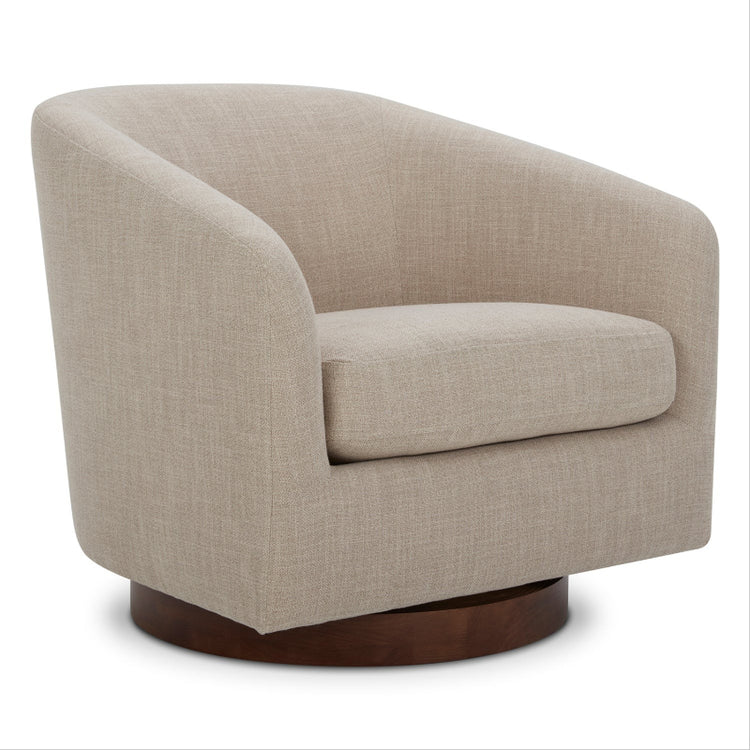
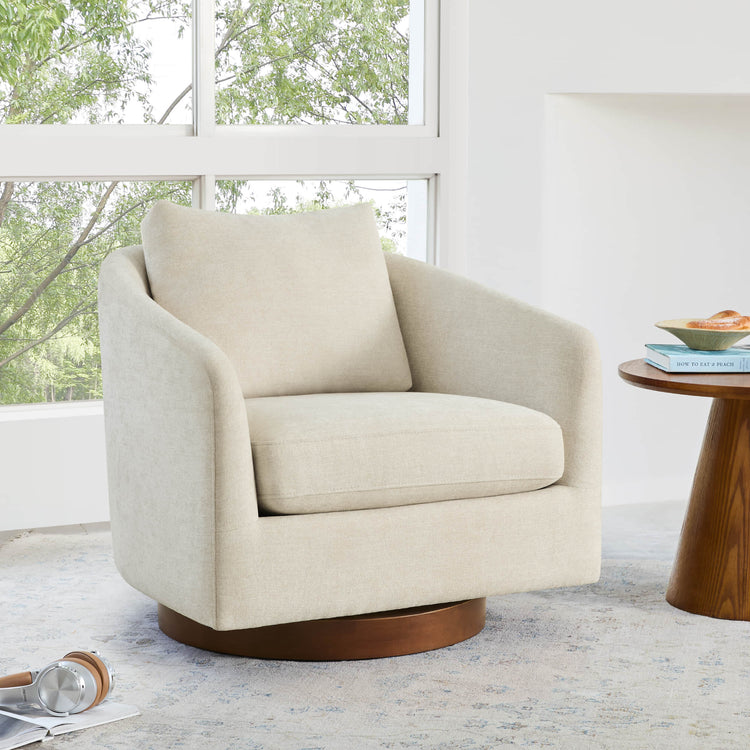
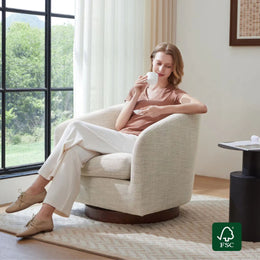
If you own our Jolie Performance Boucle Swivel Accent Chair, start by reviewing the cleaning code and material details listed on its product page before doing any spot cleaning, grooming, or repair. A cleaning code tells you which cleaning agents are appropriate; it does not tell you how the fabric will pill or snag over time, so keep cleaning decisions and grooming or repair decisions separate. When you are unsure which category a change falls into, reach out to the manufacturer or retailer rather than treating the upholstery based on a guess.

FAQs
Is a bouclé accent chair a bad fit for a home with cats or heavy daily use?
It depends on your household's friction level and the specific chair's construction, not on the word "bouclé" alone. If pets regularly knead or scratch furniture, or the chair sees constant repeated contact, expect more frequent inspection and friction-control habits rather than assuming the fabric will hold up or wear out at any fixed rate.
Is it safe to use a fabric shaver on a bouclé accent chair?
There is no universal yes here. A fabric shaver or pill-removal comb can work on some bouclé upholstery, but it can also catch a loop and enlarge a snag on fabrics with a different construction or finish. Check the chair's exact care instructions and test any tool on a hidden area first, rather than assuming one product works on every bouclé fabric.
Should I cut a snagged loop off my bouclé chair?
No, not as a first move. Cutting or trimming a pulled loop can unravel more of the surrounding weave and turn a small snag into a larger opening. Stop touching the area, avoid pulling or cutting, and check the chair's specific care or support options before attempting any repair.
Does a "performance fabric" or certified material label mean a bouclé chair won't pill or snag?
Not on its own. A performance or certified-material label describes how a fabric was made or tested for certain qualities, but it does not automatically guarantee a specific pilling or snag-resistance outcome for everyday use. Treat those labels as helpful context, and rely on the chair's actual care instructions and your own inspection to judge real-world wear.
Sources
- CottonWorks. Garment Durability.
Recommended Products


More to Read
 7 Sofa Trends That Actually Improve Comfort in 2026
Upgrade your living room with furniture that supports your body. Here are 7 modern sofa features designed to maximize your daily comfort...
7 Sofa Trends That Actually Improve Comfort in 2026
Upgrade your living room with furniture that supports your body. Here are 7 modern sofa features designed to maximize your daily comfort...
 Mother's Day Gift Guide: Cozy and Stylish Furniture Picks for Modern Moms
Make Mother's Day more meaningful with furniture gifts that bring comfort, smart features, storage, and quiet luxury into her everyday routine.
Mother's Day Gift Guide: Cozy and Stylish Furniture Picks for Modern Moms
Make Mother's Day more meaningful with furniture gifts that bring comfort, smart features, storage, and quiet luxury into her everyday routine.
 Performance Fabric Reality Check: Does It Really Repel Pet Hair and Stains?
Performance fabric is often marketed as a miracle solution for homes with pets and kids, but the reality is more nuanced. It...
Performance Fabric Reality Check: Does It Really Repel Pet Hair and Stains?
Performance fabric is often marketed as a miracle solution for homes with pets and kids, but the reality is more nuanced. It...