
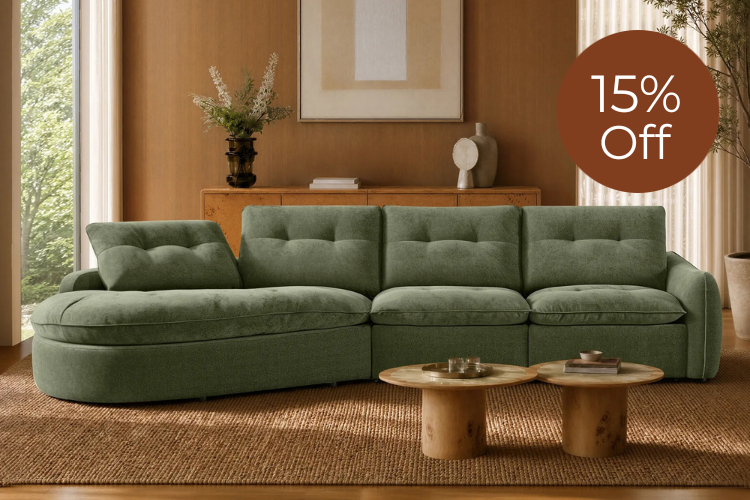










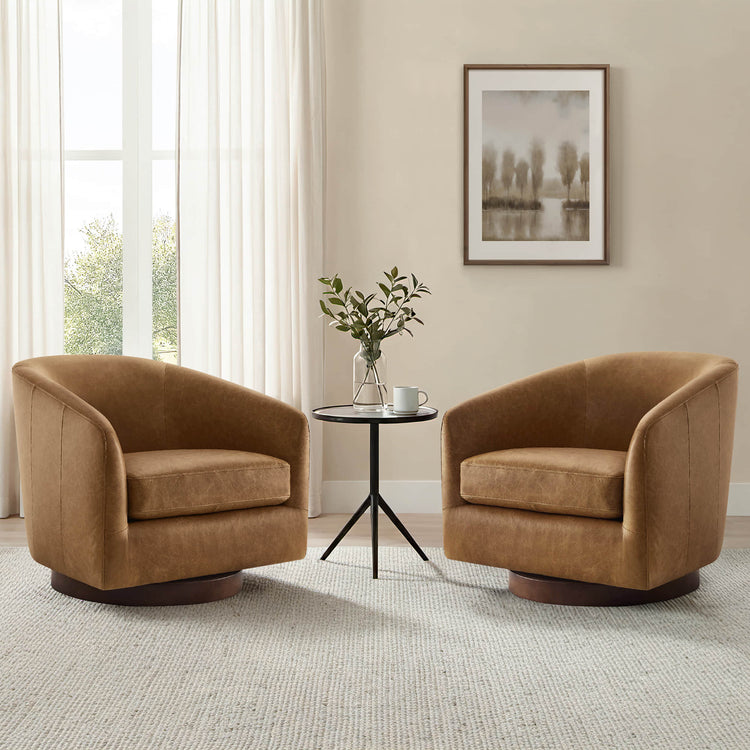
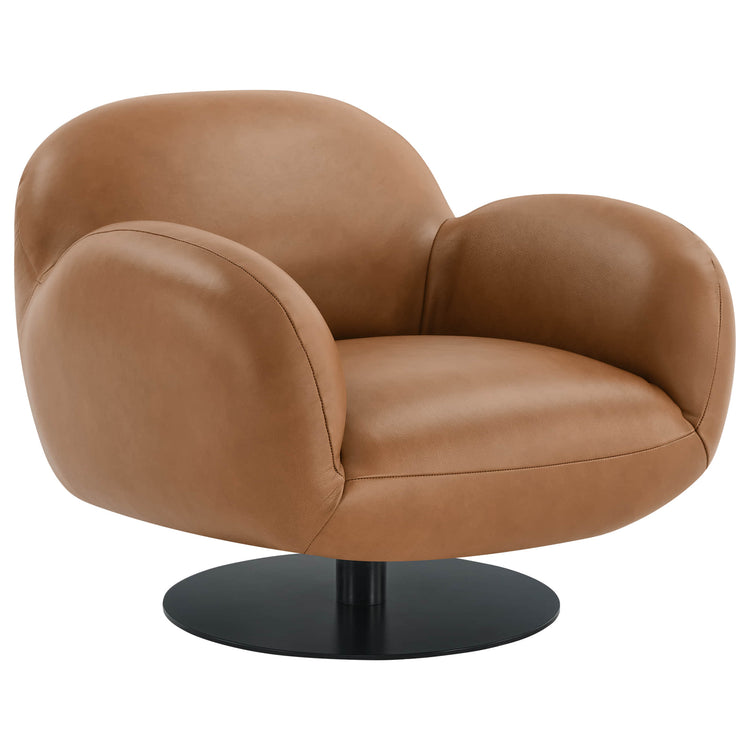
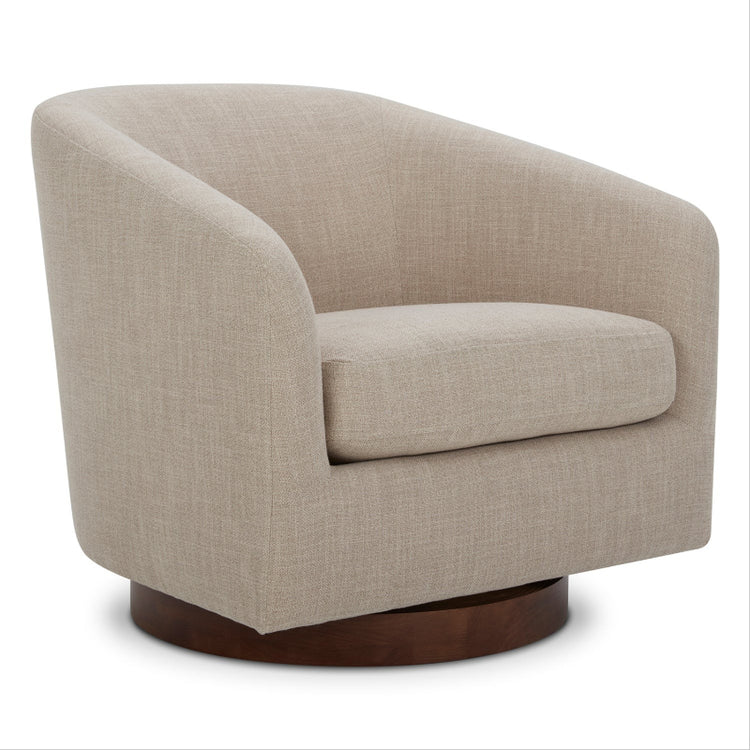



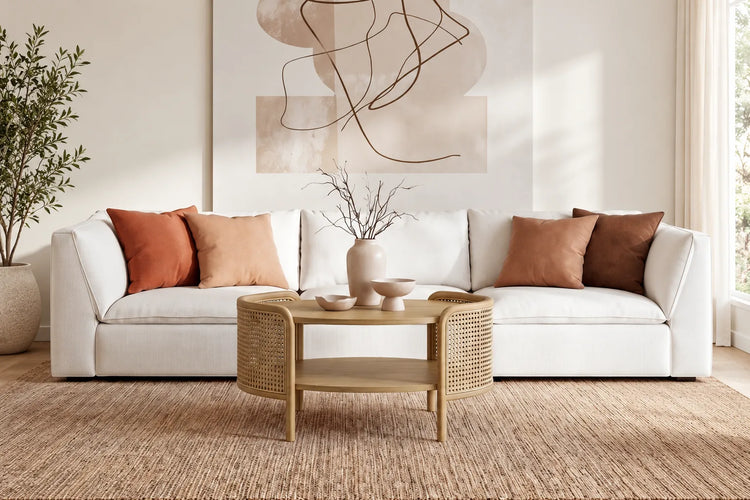
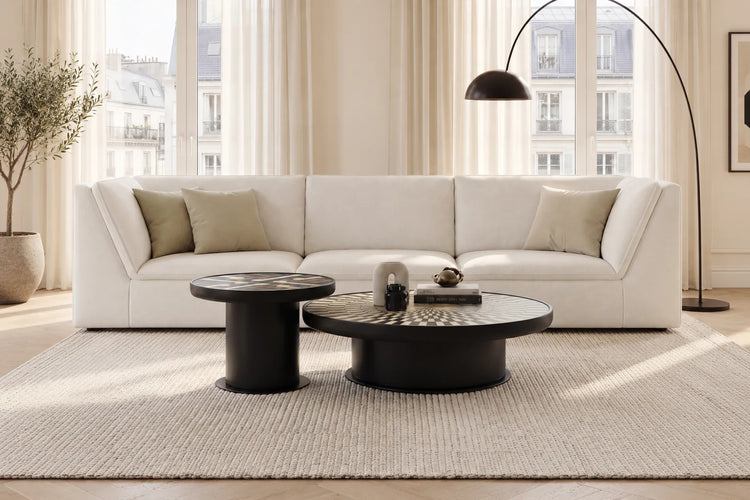
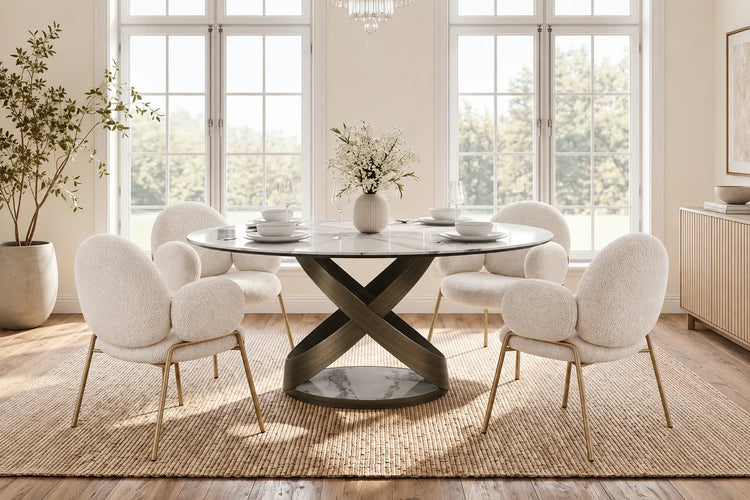
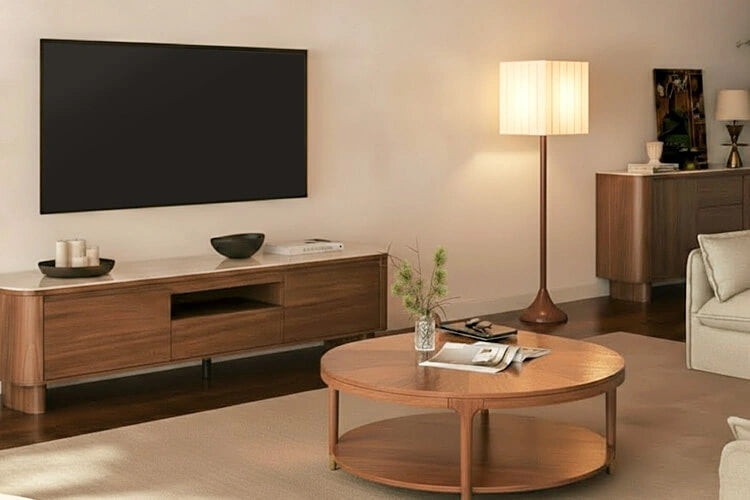











In 2026, achieving a high-end, custom-built living room no longer requires a designer price tag. Savvy homeowners create the illusion of bespoke furniture by intentionally composing modular systems with asymmetry, negative space, curved silhouettes, and performance fabrics that maintain their polished look. The key is treating modular pieces as a flexible canvas rather than a ready-made set, focusing on composition and material quality over brand prestige.

The Illusion of Customization: Why Modular Systems are the Designer’s Secret
Designers have long known that a curated living space comes from deliberate composition rather than expensive one-off pieces. In 2026, this approach has become even more accessible through modular furniture systems. Instead of filling every wall, the focus has shifted to composing a space that feels intentional and elevated.
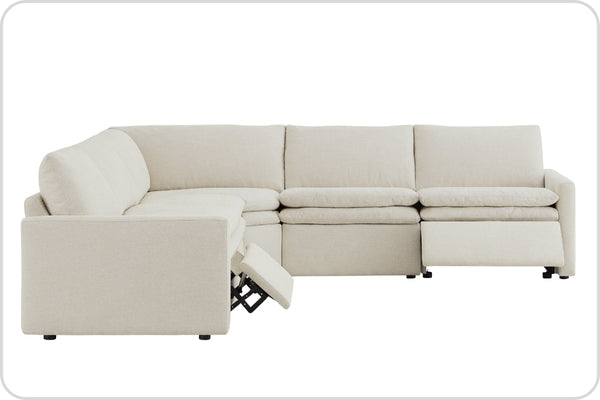
Modular sofas excel here because their interchangeable components let you create unique arrangements that adapt to your room while supporting an illusion of customization. By prioritizing silhouette, proportion, and surface quality over pedigree, mid-market buyers can achieve a designer-inspired aesthetic without the bespoke cost. This “look-for-less” strategy relies on understanding how visual cues like asymmetry and material contrast signal thoughtfulness rather than mass production.
The result feels personal and high-end when executed with discipline, though it remains an illusion of customization rather than true made-to-order craftsmanship.
Mastering the Layout: Formulas for an Intentional Aesthetic
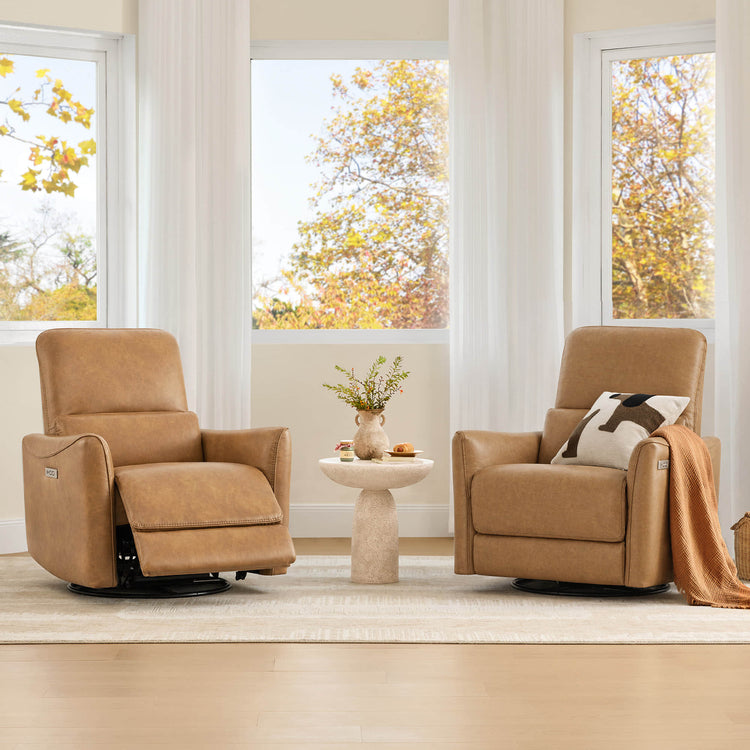
Successful modular layouts follow a few repeatable formulas that prevent a showroom or catalog appearance. The most effective technique involves deliberate asymmetry: instead of mirroring identical pieces, combine one dominant mass with a lighter counter-element to create visual movement and a curated feel. This styling guide highlights how asymmetry helps modular furniture read as intentionally designed rather than store-bought.
Floating the seating away from walls adds immediate architectural intent. Leaving negative space around the grouping makes even large configurations feel lighter and more refined, avoiding the bulky, mass-market look that comes from pushing everything against the perimeter. As noted in designer roundups, this negative space approach prevents modular sofas from appearing anchored like standard retail displays.
Before buying, use painter’s tape to map the proposed layout on your floor. This quick exercise reveals how the modules interact with traffic paths, openings, and the room’s natural pauses, reducing expensive fit errors. For many rooms, the most successful setups include at least one curved or organic piece to break up straight modular lines.
The chart below helps visualize whether a layout crosses the “bespoke threshold.”
Bespoke Threshold Check for Modular Layouts
This visual helps readers judge whether a planned layout reads as Generic, Transitional, or Bespoke based on three design cues: symmetry, wall placement, and shape language. It shows the usual directional pattern rather than a fixed rule for every room.
View chart data
| Category | Generic | Transitional | Bespoke |
|---|---|---|---|
| Symmetry | 3.0 | 2.0 | 1.0 |
| Wall placement | 2.0 | 2.0 | 2.0 |
| Shape language | 1.0 | 2.0 | 3.0 |
A modular arrangement tends to stop reading as generic when it incorporates at least one deliberate asymmetry, some breathing room behind the grouping, and curved elements that soften rigid lines. This combination helps the room feel composed rather than simply filled. However, asymmetry alone does not guarantee success; the overall scale and circulation must still respect the room’s architecture.
The Spec Sheet Secret: Choosing Fabrics That Preserve the High-End Look
The illusion of a bespoke aesthetic collapses quickly if the upholstery fails to hold up. For high-traffic residential areas, fabrics should meet or exceed 30,000 double rubs on the Wyzenbeek scale, according to the ACT Voluntary Abrasion Guideline. This practical floor helps the surface retain its premium appearance through daily use.
Pilling resistance matters just as much for appearance retention. A grade of 4 or 5 on the standard 1-5 scale prevents the fuzz or surface degradation that can make even expensive-looking furniture appear prematurely aged. The Fabric Project specification guidelines emphasize this threshold for maintaining a luxury surface read over time.
Performance fabrics marketed as easy-care still come with real maintenance realities. Many light-colored options carry a Code S (solvent/dry clean only) rating, meaning they are not machine washable. For busy households, factor in professional cleaning costs or choose darker, more forgiving hues. Treating maintenance as part of the design strategy prevents the “Year 2 deflation” where a once-stunning sofa starts to look tired.

2026 Design Trends: From Rigid Lines to Organic Flow
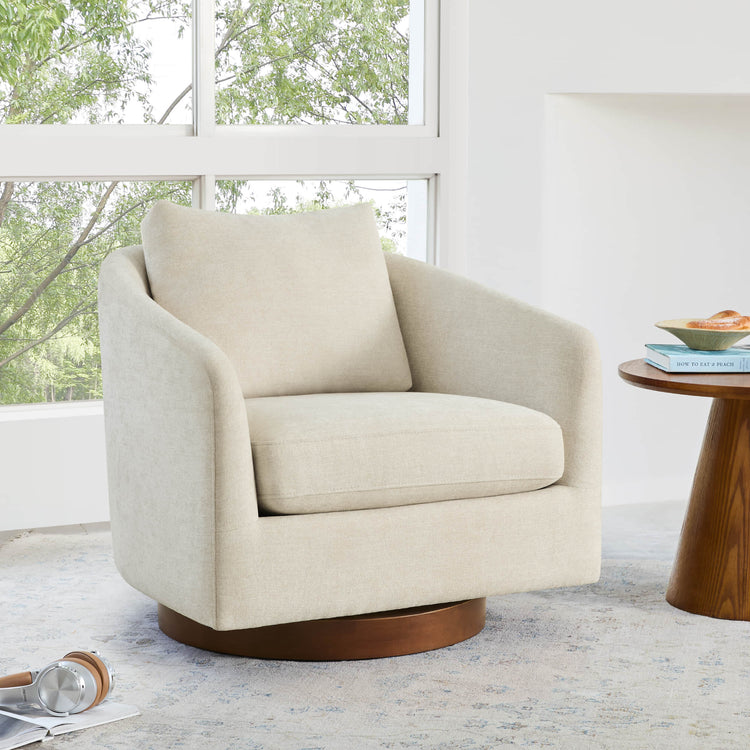
This year’s modular designs move away from stark, boxy forms toward softer, organic silhouettes. Curved arms, rounded corners, and flowing shapes dominate collections, softening architectural lines and signaling intentional, bespoke-inspired design. These elements make modular systems feel more inviting and less like assembled components.
Earthy neutrals, warm taupes, and textured bouclés complement the trend, adding depth and tactility that elevate the overall composition. When paired with the layout principles above, these softer profiles help modular furniture blend into the room as though it were custom-built for the space. Recent trend reports confirm that organic flow has become a defining characteristic of stylish 2026 modular setups.
Avoiding the 'Mass-Market' Trap: Common Modular Styling Mistakes
Even well-chosen modular systems can look generic when placed incorrectly. The most common error is wall-hugging placement, which makes large sectionals appear heavy and disconnected from the room’s architecture. Floating the furniture with intentional negative space usually creates a lighter, more curated impression.
Scale mismatch is another frequent pitfall. Oversized modules can swallow a room’s natural pauses and circulation lanes, making the space feel cramped rather than composed. In compact rooms, fewer larger masses often read cleaner than many small modules. Using painter’s tape during planning helps identify these issues before purchase.
The “slouch trap” also undermines the high-end look. Ultra-deep, cloud-like cushions that look luxurious in photos can appear messy without regular fluffing and maintenance. For families, this ergonomic comfort tradeoff is worth weighing against the desired polished aesthetic.
The Pro’s Buying Guide: Choosing Your Modular Foundation
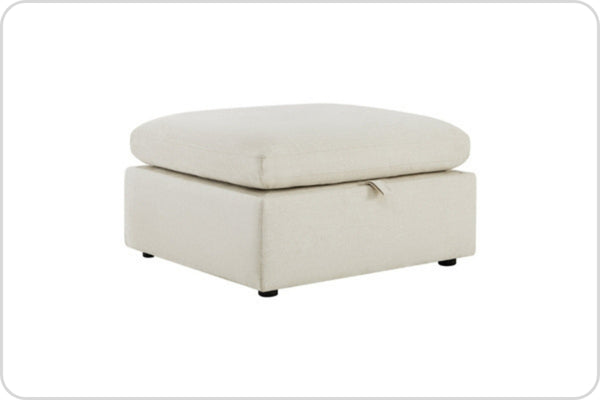
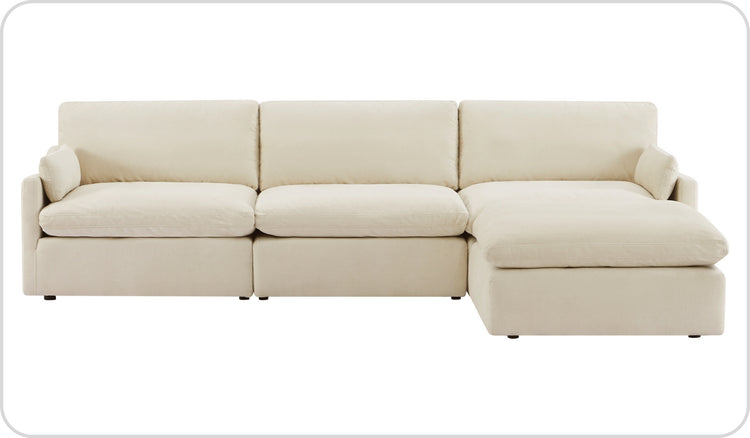
Selecting the right modular foundation starts with matching the system to your room’s architecture and lifestyle. Chita’s Kenna Modular Collection delivers pillowy, cloud-like comfort ideal for relaxed yet elevated lounging. The Sophia Feather Modular Sofa Collection offers elegant lines and feather-blend cushions that support a more refined, designer-approved appearance.
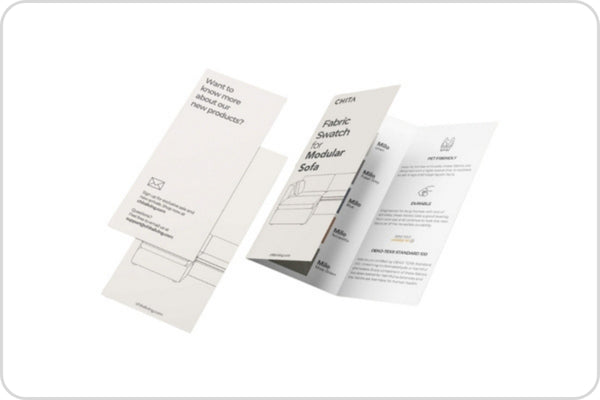
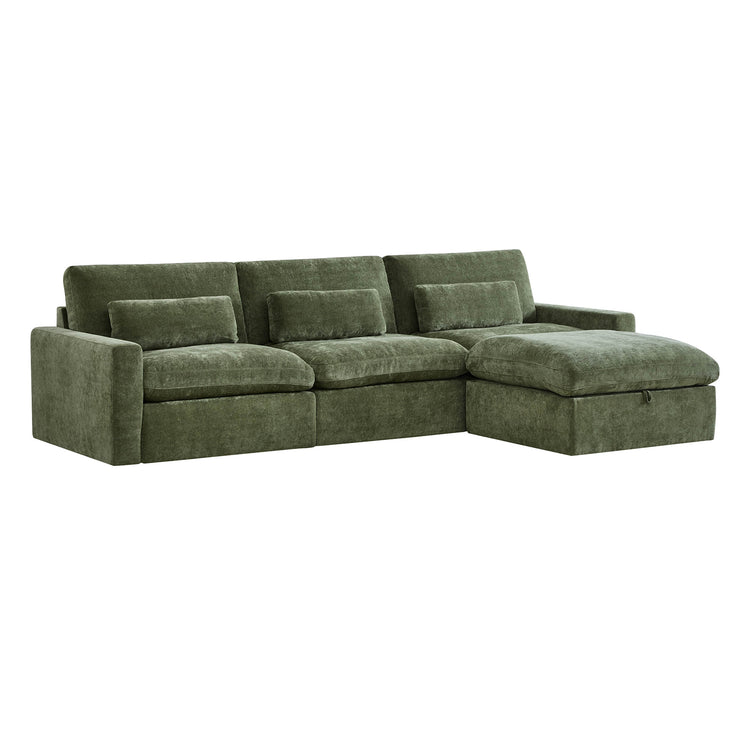
For families needing extra utility, the Jonathan Modern Cozy Chenille 5-seat Modular Sofa with Hidden Storage combines durable OEKO-TEX fabrics, solid wood accents, and practical storage while maintaining clean modern proportions. Always request free swatches to test how different textiles behave under your room’s specific lighting and to evaluate material contrast.
A practical decision checklist includes: confirming the layout respects negative space and includes asymmetry, verifying fabric specifications meet at least 30,000 double rubs and pilling grade 4-5 for high-traffic areas, and ensuring the chosen silhouette incorporates 2026’s preferred curved or organic elements. When these conditions align, modular systems reliably deliver a bespoke-inspired living room on a mid-market budget.
For deeper insight into performance expectations, see our guide to Decoding Upholstery Standards: The 2026 Guide to Performance Fabric Durability. Those exploring power features may also benefit from The 2026 Guide to Modular Power Reclining Sectionals. Comparing options is simplified in Comparisons Between Sectional and Modular Sofas and Modular Sofas vs. Traditional Sofas. Additional practical advice appears in our articles on Decoding Performance Fabrics and Performance Fabric Reality Check. Browse the full Modular Sofas or Performance Fabric Sofas collections to see current options.
How Can Modular Furniture Look Bespoke Without Being Custom-Made?
Modular systems create the illusion of customization through careful composition rather than true one-of-a-kind construction. Success depends on asymmetry, negative space, curved elements, and high-durability fabrics that preserve surface quality. While the result can look designer-led, it remains assembled from standard components and will not match the precision of genuine bespoke upholstery.
What Fabric Specifications Best Preserve a High-End Appearance Over Time?
For visible, high-traffic use, prioritize fabrics rated at least 30,000 double rubs and pilling grade 4-5. These thresholds, drawn from industry performance guidelines, help resist wear and surface fuzz that quickly degrade a luxury look. Always confirm the cleaning code, as many performance textiles labeled “easy care” still require professional dry cleaning.
How Do I Use Free Swatches to Make Better Modular Decisions?
Request multiple swatches in the exact colors and textures under consideration. Test them together in your actual room lighting to evaluate contrast, tone, and how the material reads at different times of day. This step reveals whether the combination supports the sophisticated, curated aesthetic you want before committing to the full configuration.
When Does a Modular Layout Start to Feel Cramped Instead of Composed?
The same system can feel bespoke in a generous room and generic in a tight one. The deciding factor is whether the modules respect the room’s structural lines, circulation paths, and natural pauses. Floor mapping with painter’s tape before purchase helps identify when a configuration overwhelms rather than enhances the space.
Are Curved Modular Sofas Worth Choosing in 2026?
Yes, for most buyers seeking a current, elevated look. Organic shapes and rounded silhouettes soften the inherent rigidity of modular construction and align with 2026 trends. They help the furniture feel integrated into the architecture rather than dropped into it, strengthening the bespoke illusion when combined with proper layout and fabric choices.
Recommended Products

More to Read
 7 Sofa Trends That Actually Improve Comfort in 2026
Upgrade your living room with furniture that supports your body. Here are 7 modern sofa features designed to maximize your daily comfort...
7 Sofa Trends That Actually Improve Comfort in 2026
Upgrade your living room with furniture that supports your body. Here are 7 modern sofa features designed to maximize your daily comfort...
 Mother's Day Gift Guide: Cozy and Stylish Furniture Picks for Modern Moms
Make Mother's Day more meaningful with furniture gifts that bring comfort, smart features, storage, and quiet luxury into her everyday routine.
Mother's Day Gift Guide: Cozy and Stylish Furniture Picks for Modern Moms
Make Mother's Day more meaningful with furniture gifts that bring comfort, smart features, storage, and quiet luxury into her everyday routine.
 Performance Fabric Reality Check: Does It Really Repel Pet Hair and Stains?
Performance fabric is often marketed as a miracle solution for homes with pets and kids, but the reality is more nuanced. It...
Performance Fabric Reality Check: Does It Really Repel Pet Hair and Stains?
Performance fabric is often marketed as a miracle solution for homes with pets and kids, but the reality is more nuanced. It...