
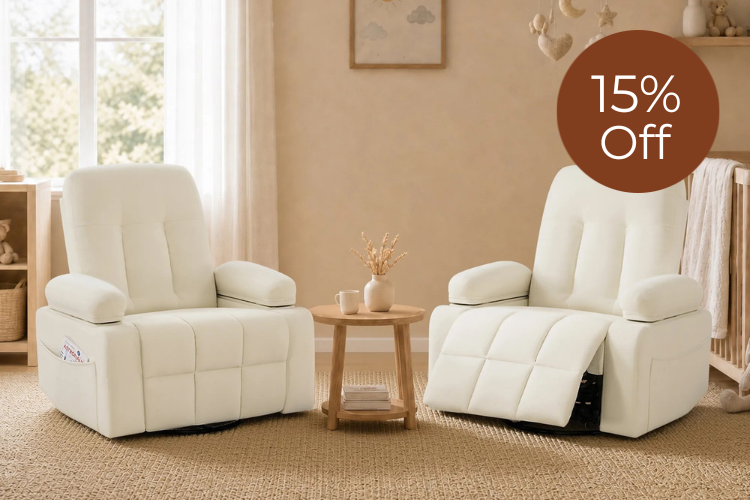









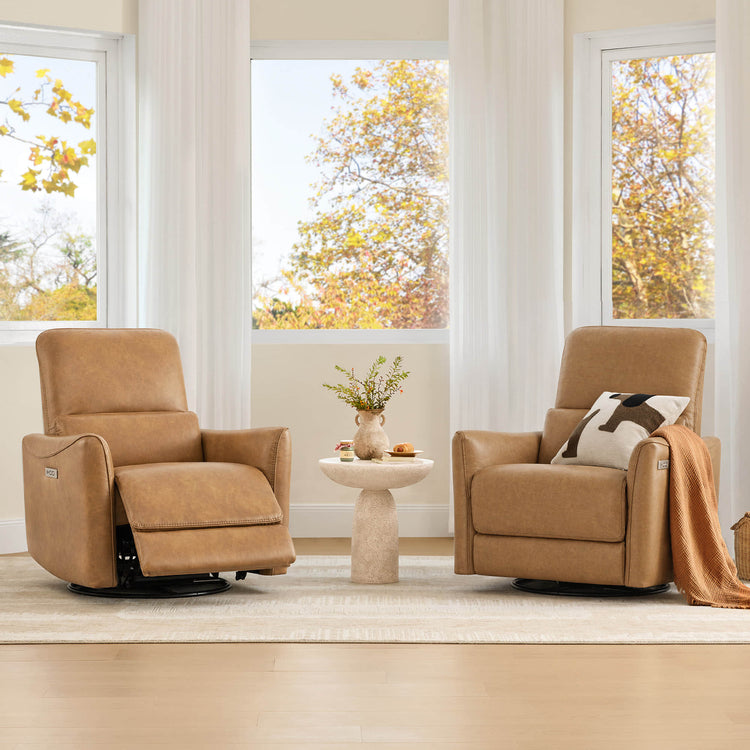
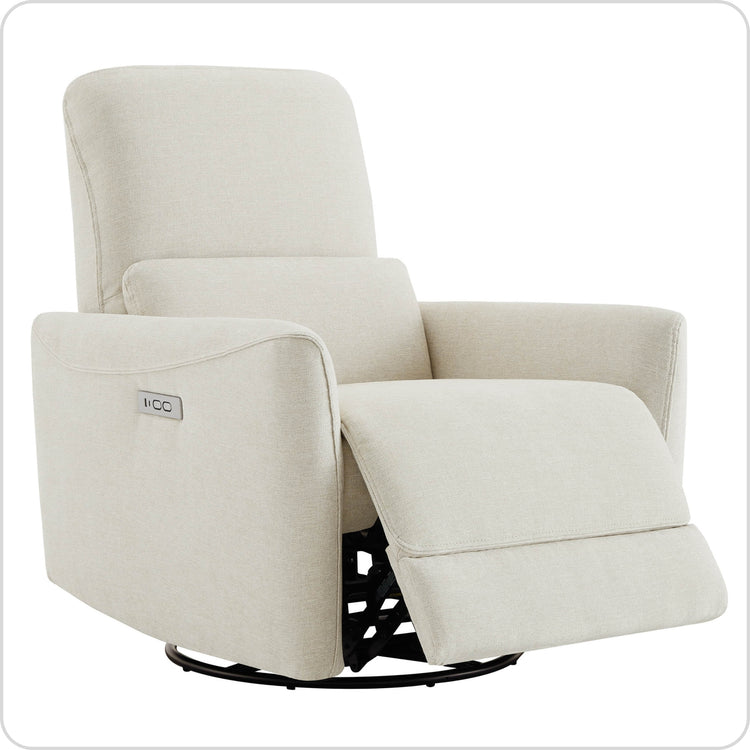
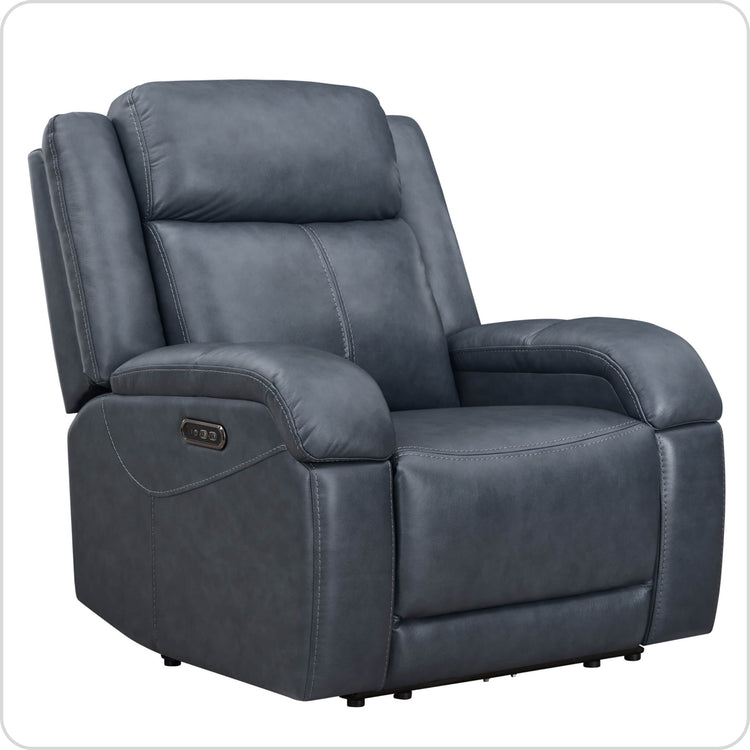
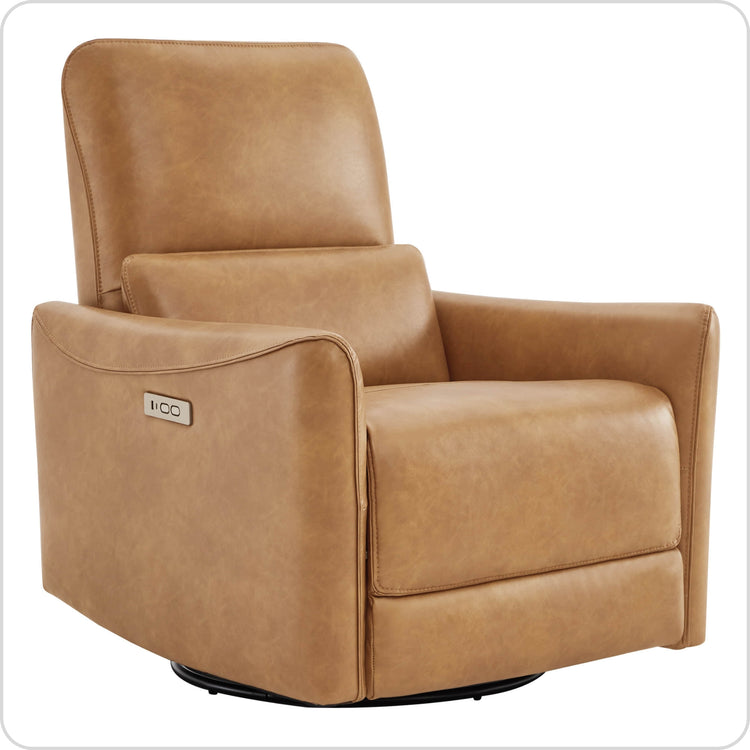


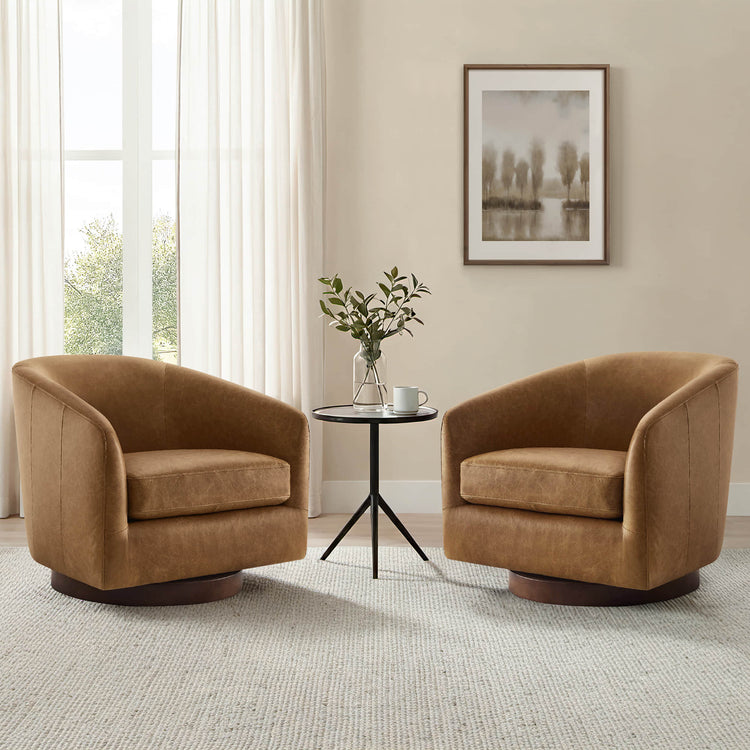

















A power glider can serve as a practical recovery aid for many new parents by minimizing the core engagement and twisting motions that clinical guidelines advise avoiding in the first 6–8 weeks after a C-section. Unlike manual recliners that often require a “kick-shut” action or torso bracing, a motorized version lets you adjust position with one finger, which helps protect an abdominal incision while you focus on feeding and soothing your baby.

Why the First 8 Weeks Demand Specialized Seating
Clinical guidelines for C-section recovery emphasize avoiding abdominal strain and twisting for 6–8 weeks. The Mayo Clinic recovery guide notes that fresh incisions need time to heal and that sudden core engagement or pushing can increase discomfort or risk of complications.
Standard rockers or manual recliners frequently fail this test. Closing a manual footrest typically demands a leg kick or forward lean that recruits the abdominal wall—the very motion many postpartum care teams recommend limiting. Postpartum fatigue and limited mobility compound the problem; what feels like a simple movement when you are not recovering can become painful when you are holding a newborn.
The chart below visualizes how manual versus power mechanisms typically align with early recovery priorities.
Source: Tiered comparison based on Mayo Clinic postpartum movement guidance and community reports on chair noise and recline use. Higher numbers indicate greater potential friction for early recovery.
This mechanical difference reframes the power glider from a luxury to a task-enabler: the motor performs the movement your recovering body should avoid. For the first two weeks especially, any chair that forces abdominal bracing during routine transitions risks turning every feed into a painful reminder of the incision.
The Mechanical Advantage: How Power Gliders Protect Your Recovery
Power gliders deliver incremental, button-controlled adjustments that remove the need for torso twisting or forceful leg drive. You simply press and hold; the chair moves at a controlled speed while you keep both arms free to support your baby. This mechanical substitution helps you transition from sitting to standing without the bracing motion that conflicts with early C-section precautions.
Our guide to hidden power recliner features explains how modern motors and one-touch controls translate into real-world ease during high-stakes parenting moments. Models such as the Vinca Power Swivel Nursery Glider Recliner with Power Lumbar & Headrest and the Janice Power Swivel Nursery Glider Recliner with Power Headrest give you independent control over lumbar, headrest, and recline angles so you can fine-tune support without shifting your posture or waking a sleeping infant.
The practical takeaway is simple: if closing or opening the chair requires you to brace your core or twist, it fails the early-recovery test. A power mechanism substitutes for that effort, letting you focus on bonding rather than managing pain.
Silent Power: Protecting the Nursery Sleep Environment
Many parents report that the mechanical “clunk” of a manual recliner footrest startles light-sleeping newborns during late-night transfers. Community discussions on platforms like What to Expect consistently highlight this as a top frustration with traditional gliders. Motor-driven transitions, by contrast, operate with far less audible disruption, preserving the quiet environment essential for newborn sleep cycles.
One-handed controls become essential when one arm is cradling a baby or managing a feeding pillow. In dim nursery lighting, a large, illuminated power button or side-mounted panel lets you adjust without fumbling or standing up. The Elysian Power Swivel Nursery Glider Recliner with Adjustable Headrest and Tracee Power Swivel Nursery Glider Recliner are both GREENGUARD Gold certified and engineered for quiet operation, making them strong candidates for night-feed use.
Our nursery glider selection guide covers additional factors that affect sleep hygiene, including motor smoothness and control placement. When your priority is protecting fragile newborn sleep while recovering, silent power is a functional requirement rather than a nice-to-have.

The Nursing Throne: Ergonomic Elements for Postpartum Support
Breastfeeding or bottle-feeding for extended periods places specific demands on posture and arm support. The football hold—recommended for C-section recovery because it keeps baby weight off the incision—requires wide, padded armrests that let you rest your forearm without hunching. The HonorHealth cesarean-aftercare page explicitly suggests this position for incision protection.
Proper lumbar support helps prevent the forward “nursing slouch” that many parents fall into during cluster feeds. Over time, that slumped posture can contribute to back strain and may slow pelvic-floor recovery. A power lumbar adjustment lets you maintain a neutral spine even as fatigue sets in, without needing to shift your entire body.
Zero-gravity positioning, which elevates the legs above heart level, offers a secondary circulation benefit that can ease the edema common in late pregnancy and early postpartum. While not required, it functions as a welcome bonus for parents who spend long stretches in the chair. The Myles Genuine Leather Swivel Glider Power Recliner combines medium-firm support with easy-to-clean top-grain leather, making it practical for real-life nursery spills.
Our overview of zero-gravity recliner benefits and recliner guidance for lower back comfort provide additional context on how these features translate into daily postpartum use.
Choosing the Right Recovery Chair for Your Nursery
Start by measuring your operational footprint. Most power gliders need 10–14 inches of rear clearance to recline fully; wall-hugger claims often still require some space. Check the exact specifications for your chosen model rather than relying on marketing shorthand.
Fabric choice matters for both cleanup and safety. Performance fabrics or top-grain leather stand up to milk spills, diaper changes, and frequent washing while remaining non-toxic. GREENGUARD Gold certification offers reassurance that the materials meet strict chemical-emission standards suitable for a nursery.
Use this quick self-check before purchase:
- Seat height allows your feet to rest flat while keeping your thighs supported (critical for short or tall users).
- Armrests are wide enough for a football hold without shoulder strain.
- Lumbar support can be adjusted independently of recline.
- Controls are reachable with one hand in low light.
- Rear clearance fits your room layout.
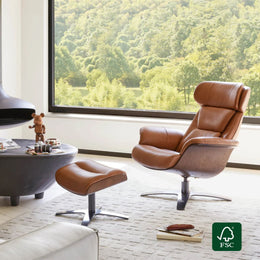
The Vinca, Tracee, and Elysian models each emphasize different strengths—power lumbar, compact swivel, or premium leather—while sharing the core recovery-friendly traits. Our fabric selection guide can help you match material to your household’s needs.
Power gliders are not medically necessary for every parent, but they remove specific friction points that manual chairs introduce during the most physically demanding weeks of early parenthood. When your recovery stage, feeding routine, and room layout align with the features above, a well-chosen power glider can meaningfully reduce daily strain and help protect the sleep environment your newborn needs.
FAQs
Are power gliders worth it for C-section recovery? They can reduce the physical effort of repositioning and standing, which many parents find helpful while following movement restrictions. They are not a medical device; consult your care team about your specific recovery plan.
How quiet are power nursery recliners compared to manual ones? Most power models produce far less audible transition noise than the mechanical clunk common in manual recliners. This difference helps minimize startle responses during night feeds, though exact decibel levels vary by brand.
What features matter most for breastfeeding after a C-section? Wide armrests that support the football hold, adjustable lumbar to maintain neutral posture, and one-handed controls are the highest-priority elements. Zero-gravity tilt can add circulation benefits but is secondary to arm and back support.
Can a power glider replace a traditional nursery rocker? Yes for many families, especially those prioritizing incision protection and quiet operation. A power glider still glides and swivels while adding motorized recline and precise positioning that a basic rocker cannot match.
How much rear clearance do most power gliders need? Typical models require 10–14 inches behind the chair to recline fully. Always verify the exact measurement for the specific model rather than assuming “wall-hugger” marketing covers every room layout.
Are leather or fabric power gliders better for a nursery? Both can work. Top-grain leather offers easy wipe-clean surfaces for spills; performance fabrics provide breathability and GREENGUARD Gold safety ratings. Choose based on your climate, cleaning preferences, and style goals.
Recommended Products


More to Read
 7 Sofa Trends That Actually Improve Comfort in 2026
Upgrade your living room with furniture that supports your body. Here are 7 modern sofa features designed to maximize your daily comfort...
7 Sofa Trends That Actually Improve Comfort in 2026
Upgrade your living room with furniture that supports your body. Here are 7 modern sofa features designed to maximize your daily comfort...
 Mother's Day Gift Guide: Cozy and Stylish Furniture Picks for Modern Moms
Make Mother's Day more meaningful with furniture gifts that bring comfort, smart features, storage, and quiet luxury into her everyday routine.
Mother's Day Gift Guide: Cozy and Stylish Furniture Picks for Modern Moms
Make Mother's Day more meaningful with furniture gifts that bring comfort, smart features, storage, and quiet luxury into her everyday routine.
 Performance Fabric Reality Check: Does It Really Repel Pet Hair and Stains?
Performance fabric is often marketed as a miracle solution for homes with pets and kids, but the reality is more nuanced. It...
Performance Fabric Reality Check: Does It Really Repel Pet Hair and Stains?
Performance fabric is often marketed as a miracle solution for homes with pets and kids, but the reality is more nuanced. It...