






















The Rise of the Wellness Recliner: Why Zero Gravity Is a Smart Living Room Upgrade

The Rise of the Wellness Recliner: Why Zero Gravity Is a Smart Living Room Upgrade
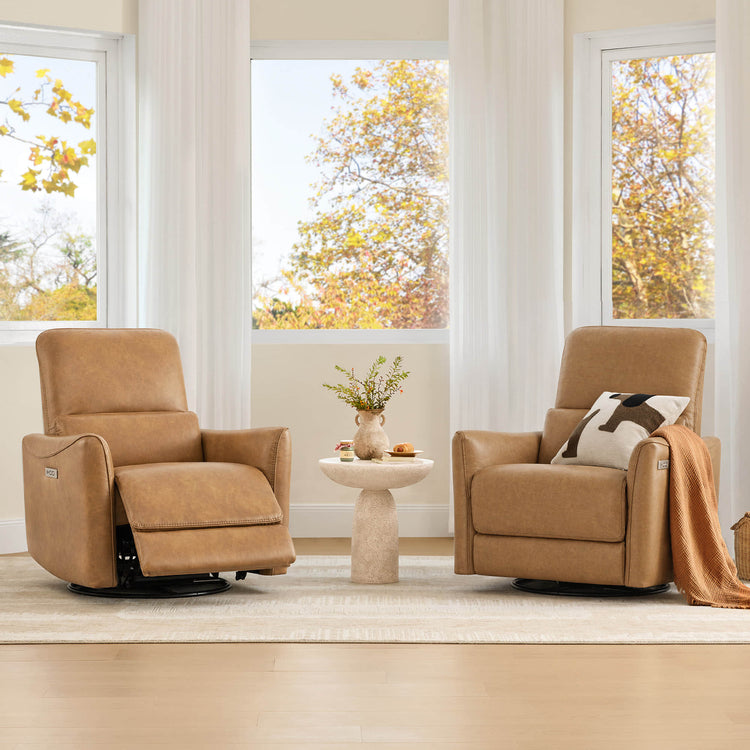
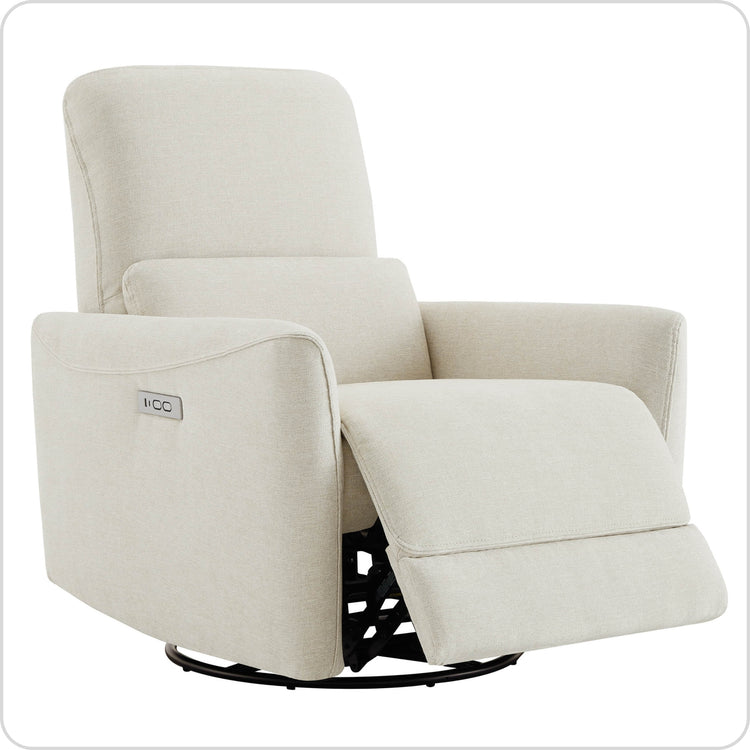
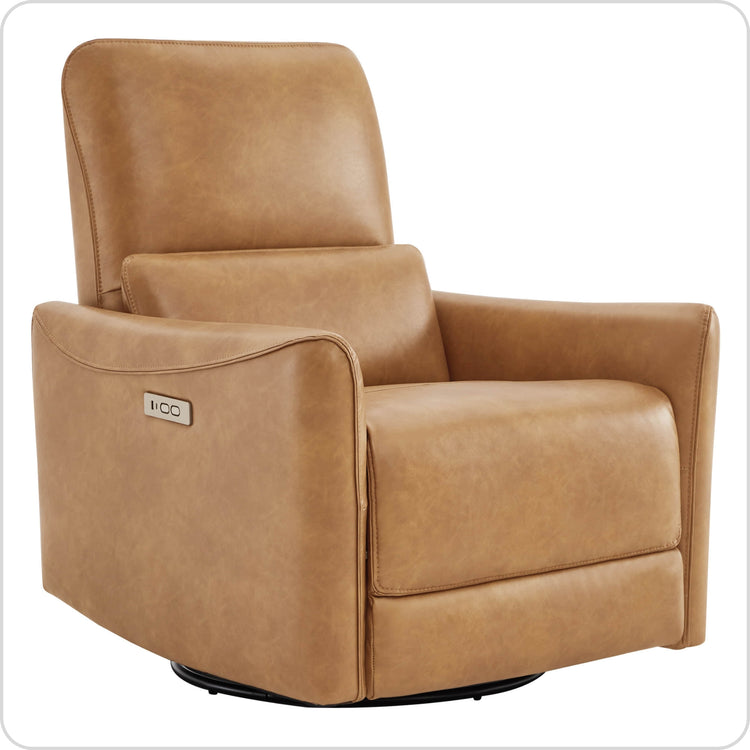
Zero gravity power recliners are quickly becoming a favorite upgrade for homeowners who want better everyday comfort and support without turning their living room into a medical-looking space. These chairs use a specific recline angle designed to help distribute body weight more evenly, reduce pressure on the lower back and legs, and support a more neutral posture during long lounging sessions. For many adults in their 30s to 60s, this makes evening TV time, reading, or unwinding after work noticeably more comfortable, especially when paired with stylish designs that blend into modern homes.

The concept originated from NASA research on neutral body posture that minimizes stress on the spine and muscles. As this NASA Spinoff article explains, reclined positions that approximate zero gravity can support a neutral posture and reduce strain on joints and muscles compared with fully upright static sitting. Today's wellness recliners bring that principle into residential furniture with power adjustments, premium upholstery, and clean lines that look like intentional living room pieces rather than clinical equipment.
What Zero Gravity Positioning Actually Means for Everyday Use
Zero gravity positioning typically tilts the body so that the thighs and torso form roughly a 128-degree angle, with the legs elevated slightly above the heart. It is important to note that 128 degrees is an illustrative ergonomic target; the ideal angle for your body may vary based on your height, weight, and spinal curvature.
Unlike a standard recliner, which typically leans the backrest while keeping the legs relatively flat, a zero gravity power recliner aims for a "neutral-body-posture" feeling. This can ease the load on the lower back and hips during extended sitting.
Prolonged upright sitting and poor posture are linked with discomfort and musculoskeletal strain. Official guidance from University Health Services at Berkeley notes that good ergonomic support matters precisely because of these effects. A slight recline can feel more comfortable than sitting perfectly upright because it keeps the hips more open, according to ergonomic resources from the Texas Department of Insurance.
Heuristic Check: When testing a chair, look for a "weightless" sensation in the lower back. If you feel a "pull" in your hamstrings or a "gap" in your lumbar region, the chair’s geometry may not be the right match for your frame, regardless of the advertised angles.
How Zero Gravity Recliners Support Comfort Without Medical Claims
Wellness recliners are best understood as comfort and support upgrades for daily lounging rather than medical treatments. They help maintain lower back support and allow varied seated postures, which aligns with general ergonomic advice from OSHA on workstation chairs. Orthopedic sources like the American Academy of Orthopaedic Surgeons emphasize keeping the lower back supported and the spine in a natural position when sitting.
Choosing a Recliner if You Have Back Pain
If you have persistent or worsening back pain, or a specific medical diagnosis (such as a herniated disc or sciatica), consult a healthcare professional before making a purchase. Once you have professional guidance, use these three steps to verify a chair's suitability:
- Lumbar Continuity: Ensure the chair maintains contact with your lower back throughout the entire recline motion.
- Popliteal Clearance: Check that the seat edge does not press hard against the back of your knees, which can impede circulation.
- Pain-Free Range: Verify that you can find at least two positions where your specific discomfort does not increase. If a chair forces you into a "one-size-fits-all" angle that hurts, it is not the right model for you.
Many 2026 models add power headrests and dual motors for independent back and foot adjustment. These features make fine-tuning easier for TV watching versus reading, allowing you to find a "neutral" spot that works for your specific anatomy.

Myth vs Reality: Clearing Up Common Misconceptions
Myth: Zero gravity automatically cures back pain.
Reality: The positioning may reduce perceived pressure for some users, but results vary. It is a comfort feature, not a medical solution.
Myth: All zero gravity recliners look bulky or clinical.
Reality: Modern aesthetic recliners use slim profiles and performance fabrics. Many 2026 models feature "zero-wall" designs that require minimal clearance.
Myth: Power features are just gimmicks.
Reality: Dual-motor systems allow for precise adjustments that manual recliners cannot match. This is vital for long sessions where micro-adjustments reduce muscle fatigue.
Disclaimer: This article only discusses comfort and setup advice. It does not constitute medical advice, diagnosis, or treatment. If you experience persistent discomfort, consult qualified healthcare professionals.
Key Features to Prioritize in 2026 Zero Gravity Power Recliners
When comparing 2026 models, focus on these practical elements:
- Wall Clearance (Zero-Wall Designs): Look for "wall-hugger" mechanisms. While 4–12 inches is a common suggested range for clearance, always verify the specific "wall-proximity" rating of the model to ensure it fits your floor plan.
- Independent Adjustability: Prioritize dual motors. This allows you to raise your legs without reclining the back fully—ideal for watching movies while keeping your head upright.
- Support Elements: Look for sculpted lumbar and leg rests that avoid pressure behind the knees. Firmness should feel supportive; if you "sink" too deep, it may be harder to exit the chair.
- 2026 Tech Integration: Many new models feature integrated wireless charging and "whisper-quiet" motors that won't disrupt the room's ambiance.
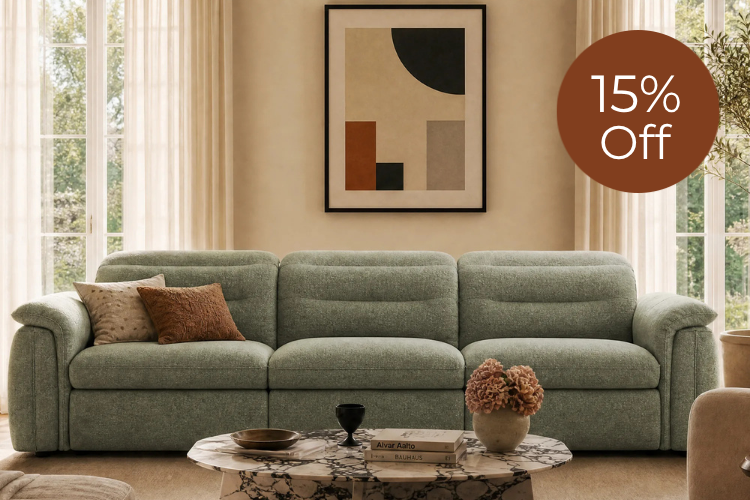
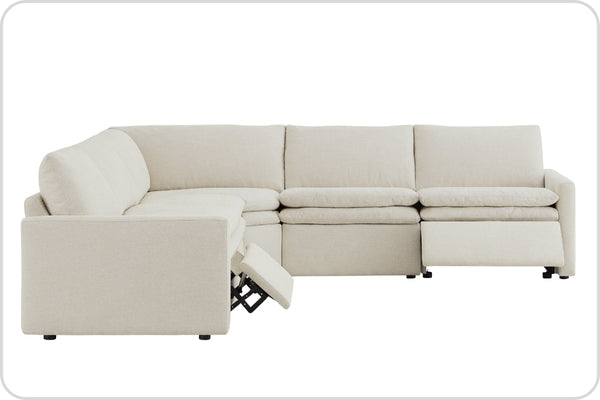
Our Ohana 2-Seat Zero Gravity Modular Reclining Sofa and Skyline 3-Seat Zero Gravity Reclining Sofa with Power Headrest are excellent examples that combine these features with modular flexibility.
Quick Selection Path: Which Recliner Is Right for You?
| If your priority is... | Look for these features... | Recommended Model Type |
|---|---|---|
| Small Apartment / Tight Space | Zero-wall mechanism, slim track arms. | Murphy Premium Zero-Wall |
| Long-Duration TV/Reading | Independent power headrest + dual motors. | Skyline Power Reclining Sofa |
| Maximum Pressure Relief | Deep zero-gravity tilt + high-density foam. | Ohana Modular Series |
| Style & Luxury | Top-grain leather, hidden controls. | Victor Leather Recliner |
Room Fit and Design Considerations
Aesthetic zero gravity recliners no longer force a trade-off between comfort and looks. For small or open-concept spaces, zero-wall power recliners minimize the footprint when closed. In larger rooms, deeper modular options like our Ohana 5-Seat Zero Gravity Modular Reclining Sofa create a dedicated wellness zone.
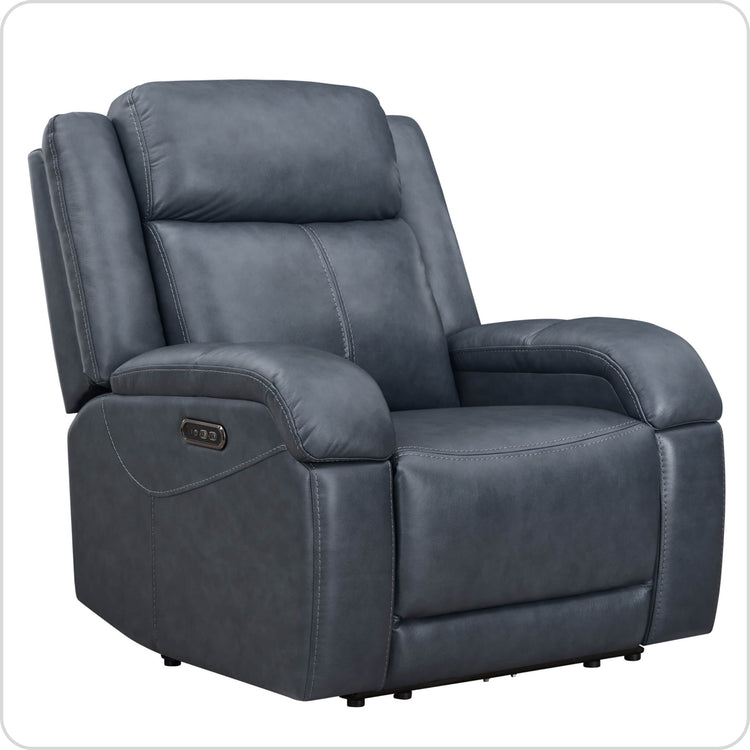
Leather models such as the Murphy Premium Dual-Motor Genuine Leather Zero-Wall Power Reclining Sofa or Victor Genuine Leather Power Recliner with Heat & Cooling deliver both luxury and easy maintenance.
Illustrative Thresholds for Choosing a Zero Gravity Power Recliner
Use this as a decision aid: the numbers show comparison thresholds, not measured product performance.
View chart data
| Category | Illustrative threshold |
|---|---|
| Wall clearance | 8.0 |
| Seat height | 20.0 |
| Slight recline | 12.0 |
| Open hip angle | 110.0 |
| Neutral knee angle | 100.0 |
| Deep recline | 150.0 |
How to Choose: Your Final Checklist
Use this checklist to match a chair to your space. Note: Numerical ranges are suggested heuristics; always prioritize your personal "sit-test" results.
- Measure Clearance: Confirm if you have the required 4–12 inches behind the chair (check the specific model's "wall-hugger" specs).
- Verify Seat Height: Aim for a range of 18–22 inches. You should be able to sit and stand without excessive straining of the knees.
- Check Lumbar Contact: In full recline, there should be no significant gap between your lower back and the chair.
- Test Leg Support: Ensure the footrest supports your heels without the edge of the seat cutting off circulation behind the knees.
- Evaluate Visual Weight: Choose slim profiles and coordinated colors so the recliner enhances rather than dominates your decor.
If you are looking for a balance of lay-flat capability and refined styling, the Garrison Genuine Leather Power Lay Flat Recliner is a top choice for 2026. For more options, explore our All Recliners Clearance or New Arrivals.
Additional reading:
- Power vs. Manual Recliners: Key Differences
- Are Modern Recliner Chairs Good for Seniors?
- How to Style Around Your Leather Recliner
Disclaimer: This article only discusses comfort and setup advice. It does not constitute medical advice, diagnosis, or treatment. If you experience persistent discomfort, please consult qualified healthcare professionals.
Recommended Products

More to Read
 7 Sofa Trends That Actually Improve Comfort in 2026
Upgrade your living room with furniture that supports your body. Here are 7 modern sofa features designed to maximize your daily comfort...
7 Sofa Trends That Actually Improve Comfort in 2026
Upgrade your living room with furniture that supports your body. Here are 7 modern sofa features designed to maximize your daily comfort...
 Mother's Day Gift Guide: Cozy and Stylish Furniture Picks for Modern Moms
Make Mother's Day more meaningful with furniture gifts that bring comfort, smart features, storage, and quiet luxury into her everyday routine.
Mother's Day Gift Guide: Cozy and Stylish Furniture Picks for Modern Moms
Make Mother's Day more meaningful with furniture gifts that bring comfort, smart features, storage, and quiet luxury into her everyday routine.
 Performance Fabric Reality Check: Does It Really Repel Pet Hair and Stains?
Performance fabric is often marketed as a miracle solution for homes with pets and kids, but the reality is more nuanced. It...
Performance Fabric Reality Check: Does It Really Repel Pet Hair and Stains?
Performance fabric is often marketed as a miracle solution for homes with pets and kids, but the reality is more nuanced. It...