






















High-Back vs. Low-Back Armchairs: Support, Comfort, and Room Fit

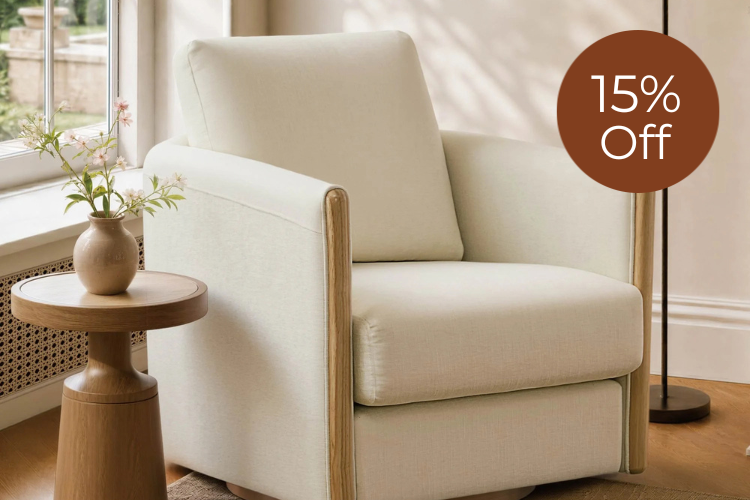
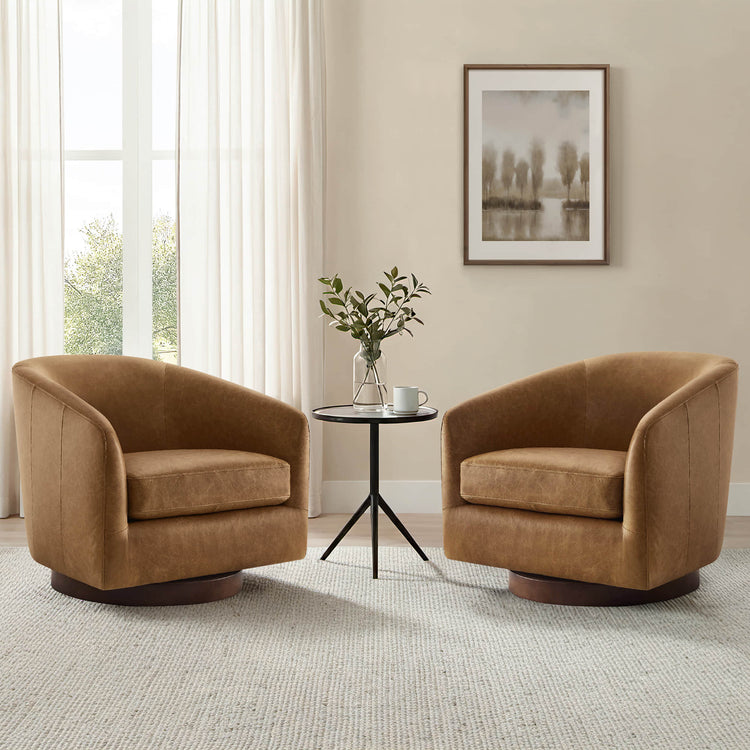
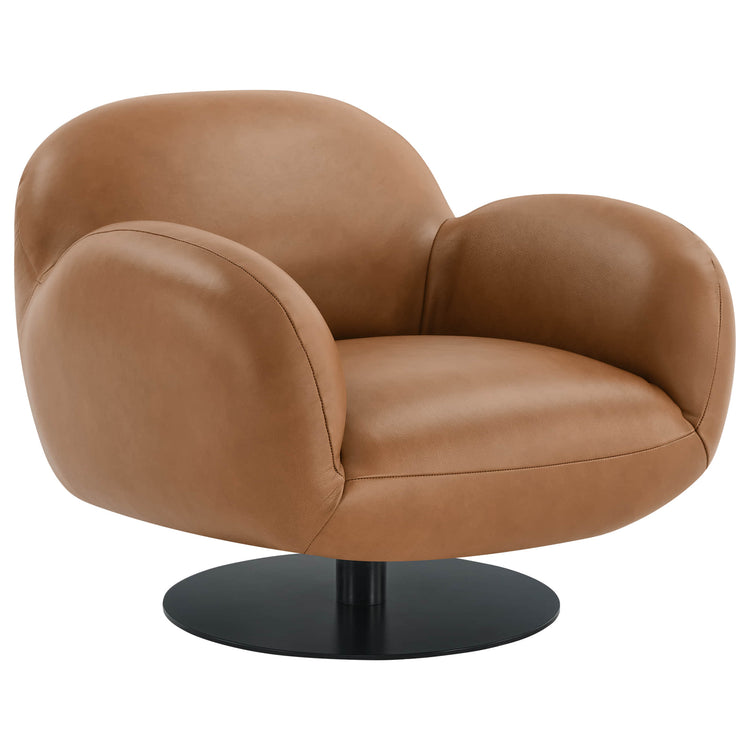
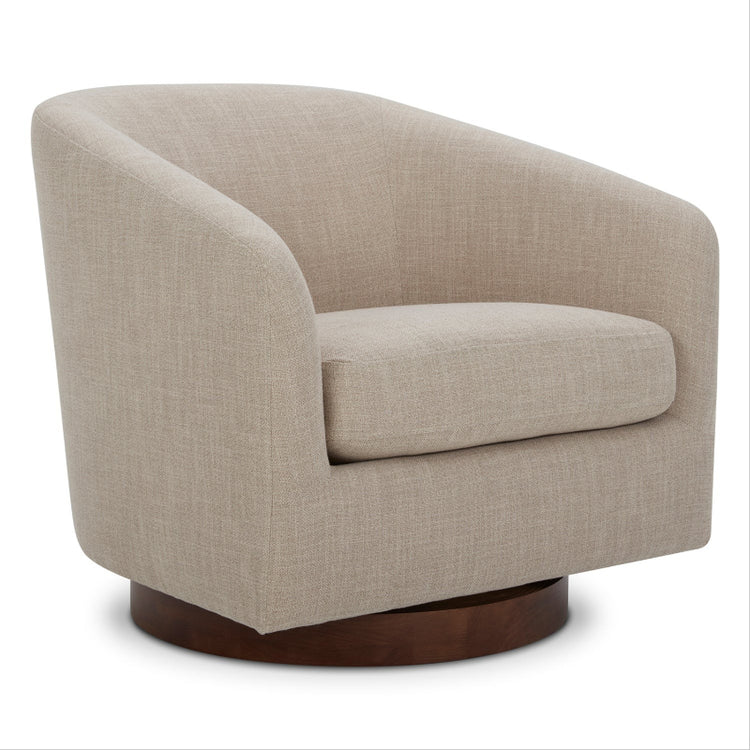
Choose a high-back armchair when you want more potential upper-body coverage and a more enclosed feel for longer, settled sitting. Choose a low-back armchair when open sightlines and a lighter visual presence matter more for your room. Either style can be comfortable or uncomfortable depending on the actual seat depth, back contour, and arm height, so treat back height as a starting point, not a guarantee. For this high back vs low back armchair choice, start with how you sit, how the room flows, and whether the chair's real dimensions fit your body.

What's the Difference Between High-Back and Low-Back Armchairs?
The two labels describe silhouette and potential support coverage, not a promised comfort level. A taller back can extend support toward the shoulders or head and neck, while a shorter back may focus more on the lower back, but only when the contour and angle actually match the sitter.

| Dimension | High-back armchair | Low-back armchair |
|---|---|---|
| Support | May extend coverage toward the shoulders or head when the shape and angle fit the sitter | May focus more on the lower back, depending on the height and contour |
| Visual effect, conditional tendency | May read as a stronger visual anchor and a more enclosed seat | May feel lighter and keep more open sightlines |
| Starting point, conditional | Consider first when longer, more settled sitting or a defined seating zone matters | Consider first when open-plan views, flexible layouts, or social conversation matter |
These lounge-chair visual tendencies are conditional: the chair's full silhouette and placement also affect how much visual weight it adds. Back height changes the area of the body a backrest can support, moving from lumbar-only coverage in low backs toward fuller shoulder or head-and-neck coverage in taller ones. Even so, there is no single ideal sitting posture, so the label alone cannot confirm comfort. Confirm the actual back contour and seat fit before assuming a taller back automatically means more support.
When Does a High-Back Armchair Make More Sense?
A high-back armchair is the better starting choice when you want more potential upper-body coverage or a seat that feels enclosed, especially for longer reading or settled sitting. That preference still depends on the chair's real contour and how you position yourself in it.
For Longer Reading or Settled Sitting
If you spend long stretches in one chair, a taller back may give your upper body more backrest area beyond the lower back. That only works if the contour follows your spine and the seat depth lets you sit all the way back without slouching forward to reach the backrest.
When Enclosure Is Worth the Visual Presence
A high back can act as a strong visual anchor in a room or mark off a more private reading corner. That benefit comes with more visual weight, so weigh it against your room's existing furniture and how open you want the space to feel from other seats or the doorway.
When Does a Low-Back Armchair Make More Sense?
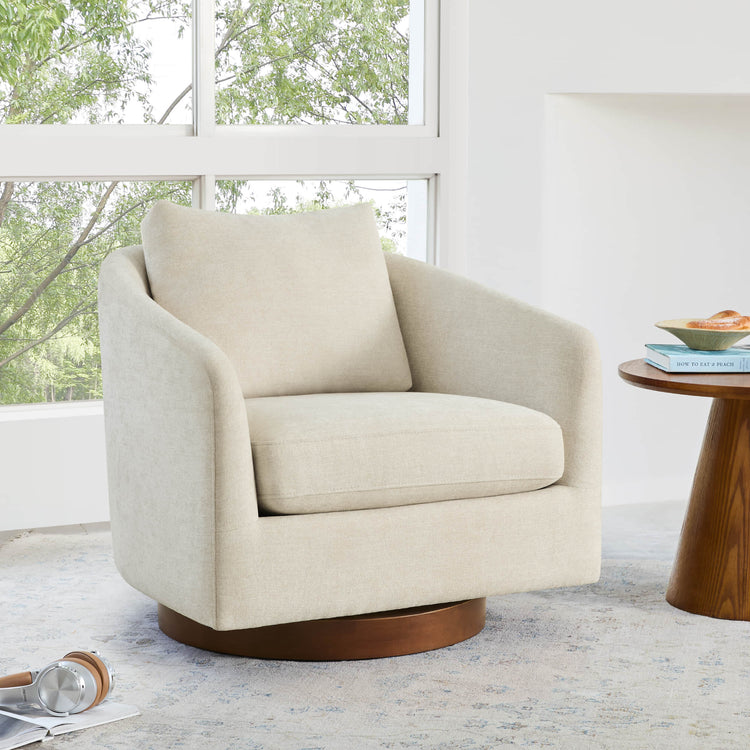
A low-back armchair is the better starting choice when open sightlines, a lighter visual footprint, or flexible seating arrangements matter more than an enclosed feel. A lower back does not automatically mean less comfort; it means a different support pattern that still depends on the actual seat and back fit.
For Conversation and Open Sightlines
In living rooms built around conversation, a low back can help people see each other across the room instead of talking around a tall silhouette. This works best in social layouts where the chair needs to visually connect with a sofa or other seating rather than stand apart from it.
When the Room Needs Visual Breathing Space
Open-plan rooms and spaces that get rearranged often can suit a lower, lighter profile. The footprint, arm style, and upholstery color often affect the room's visual weight as much as the back height itself, so judge the whole chair, not just its silhouette.
How Does Room Fit Change the Choice?
Room fit is not decided by square footage alone. Circulation, ceiling proportion, sightlines, and decor style interact with back height to determine whether a chair works in a specific spot.
Small Rooms and Low Ceilings
A small room can still work with a visually strong high-back chair if the walking path stays clear and the chair's top edge does not compete with a low ceiling line or nearby shelving. Judge the chair by leftover circulation space, not the room's total square footage.
Open-Plan Layouts and Sightlines
In open-plan homes, a lower, lighter starting point tends to preserve views between the kitchen, dining area, and living room. Check the chair from the entry point and from adjacent seats, not only from where you plan to sit, since a tall back can block a sightline you did not think to check.
Decor Style and Visual Balance
A high back can serve as a focal point in a room built around one strong piece, while a low back tends to blend more easily into an open, low-profile arrangement. Line up the chair's back height with nearby sofa backs, tables, and window sills so the room reads as one balanced space instead of a mismatched collection of heights. For more layout options, our small living room layouts guide covers additional sofa and seating arrangements for tight floor plans.
What Should You Measure Before Buying an Armchair?
Before comparing high-back and low-back styles, confirm the chair can physically reach your room and fit your body. Work through these four checks in order and stop at any step that fails.
- Tape the footprint and protect your walking path. Mark the chair's full footprint on the floor with tape and confirm it does not block a route you use daily.
- Measure the doorway and any tight turns. Compare the chair's boxed dimensions against your doorway width and any hallway turns it must pass through during delivery.
- Compare key dimensions with your intended use. Check seat height, seat depth, back height, arm height, and overall depth against your body and how long you plan to sit.
- Verify whole-body fit. The backrest should follow the natural curve of your spine and support your lower back, your feet should rest flat, and your shoulders should stay relaxed with your elbows close to your body. Use an in-person sample when possible, or compare exact product measurements with your own body-fit needs before you commit. Only then decide between the high-back or low-back silhouette. If you are ready to compare options, you can browse accent chairs that match your measurements.
Use This Decision Split to Choose Your Armchair
Once your footprint, access, and body fit check out, match your top priority to one of three paths: high-back, low-back, or a verification step if something still does not line up.
Pick the high-back path when enclosure and longer settled sitting are your non-negotiable priorities. Pick the low-back path when open sightlines and social flow matter more than a defined seating zone. If a footprint, access, or body-fit check failed in the previous section, treat that as an override: resolve it before locking in either silhouette.
That is the practical answer to the high-back vs. low-back armchairs question: choose the silhouette that serves your main activity and room priority, then let access and body fit override the style preference.
| Priority | Starting choice | Verify before buying |
|---|---|---|
| Support and enclosure | High-back armchair | Back contour, seat depth, and body fit |
| Openness and sightlines | Low-back armchair | Sightlines, footprint, access, and body fit |
| Either option fails a check | Neither yet | Resolve the access or body-fit issue, then reassess |
FAQs
Which Is Better for Reading, a High-Back or Low-Back Armchair?
For longer reading, start with a high-back armchair when its contour and seat depth fit your body. A low-back armchair can also work when its actual seat and back fit you and open sightlines matter more.
Do Low-Back Chairs Make a Room Look Bigger?
A lower silhouette can make a room feel more open because it preserves sightlines and may feel less visually heavy than a tall back. The chair's footprint, arm style, upholstery color, and placement still matter, so a low back alone does not guarantee a bigger-looking room.
How Do I Choose the Right Height for My Space?
Combine a body-fit check with a room-fit check rather than choosing by ceiling height or room size alone. Compare the chair's seat height, seat depth, back height, and arm height with your proportions, then tape out the footprint and view it from your main walking paths and sightlines before you order.
Recommended Products

More to Read
 7 Sofa Trends That Actually Improve Comfort in 2026
Upgrade your living room with furniture that supports your body. Here are 7 modern sofa features designed to maximize your daily comfort...
7 Sofa Trends That Actually Improve Comfort in 2026
Upgrade your living room with furniture that supports your body. Here are 7 modern sofa features designed to maximize your daily comfort...
 Mother's Day Gift Guide: Cozy and Stylish Furniture Picks for Modern Moms
Make Mother's Day more meaningful with furniture gifts that bring comfort, smart features, storage, and quiet luxury into her everyday routine.
Mother's Day Gift Guide: Cozy and Stylish Furniture Picks for Modern Moms
Make Mother's Day more meaningful with furniture gifts that bring comfort, smart features, storage, and quiet luxury into her everyday routine.
 Performance Fabric Reality Check: Does It Really Repel Pet Hair and Stains?
Performance fabric is often marketed as a miracle solution for homes with pets and kids, but the reality is more nuanced. It...
Performance Fabric Reality Check: Does It Really Repel Pet Hair and Stains?
Performance fabric is often marketed as a miracle solution for homes with pets and kids, but the reality is more nuanced. It...